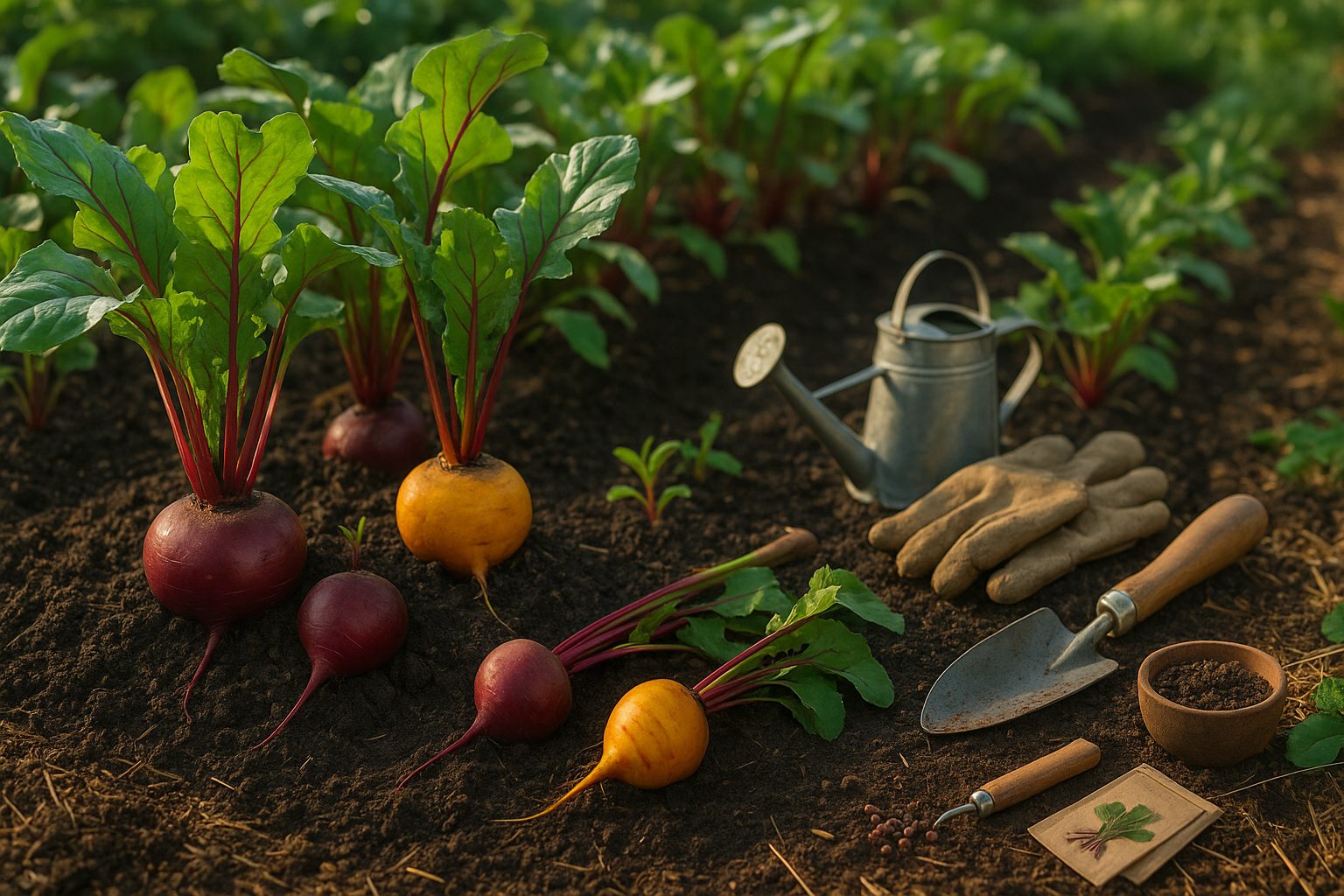
Introduction
Knowing exactly when to plant beets can make all the difference in growing a bountiful, healthy crop. Beets are a nutritional powerhouse—packed with vitamins, minerals, and antioxidants—and they’re as versatile on the plate as they are in the garden. Whether you’re tossing beet greens into a salad or roasting the sweet, colorful roots, these hardy vegetables are surprisingly easy to grow at home.
But to get the most from your beets, timing and local climate matter. In this guide, we’ll break down everything you need to know about planting beets in your garden, from identifying the best planting windows based on your USDA hardiness zone to prepping your soil and sowing your seeds for a successful harvest. We’ll also share helpful tips to avoid common mistakes that new and seasoned gardeners alike sometimes make.
If you’re new to beet gardening or simply want a refresher tailored to your local region, keep reading for a practical, step-by-step approach that will have you harvesting beautiful beets in no time.
Choosing the Best Beet Varieties
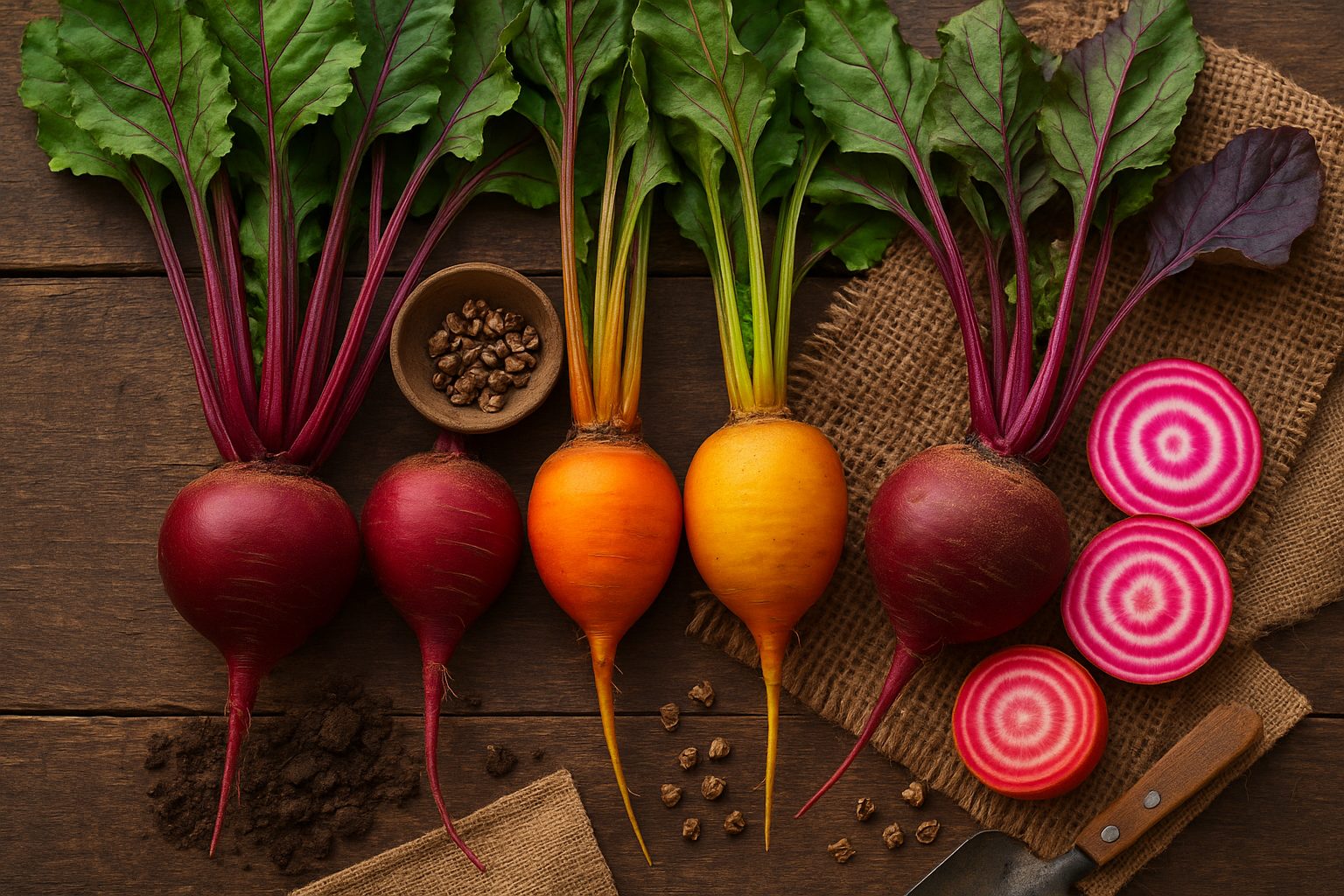
When it comes to growing beets, selecting the right variety can make all the difference in your garden and kitchen. Classic red beets, like Detroit Dark Red, are known for their earthy, sweet flavor and are perfect for roasting or borscht; they also keep well in storage through the winter.
Golden beets, such as Golden Detroit, are milder and less likely to stain, making them ideal for bright salads and pickling. For a visually stunning option, try Chioggia or striped beets, which feature candy cane-like rings and a slightly peppery sweetness—these are eye-catching when sliced thin in salads or used as a colorful garnish.
Specialty types, like Cylindra beets, have a long, carrot-like shape, making them easy to slice into uniform rounds for grilling or canning. When choosing seeds, consider your region’s growing season—short-season varieties like Early Wonder are ideal for cooler climates with a brief summer, while heat-tolerant types can handle warmer regions.
Storage beets are bred for long shelf-life, so if you want to enjoy homegrown beets all winter, look for varieties labeled as “good for storage.” For taste, heirloom seeds offer classic flavors and are open-pollinated, making them easy for seed-saving, while organic seeds give peace of mind about chemical use.
Hybrid seeds often produce more uniform and disease-resistant crops, although you can’t save seeds from hybrids for reliable future crops. Try selecting a mix of types to experiment with flavors and see which ones thrive in your garden—a small bed can hold several varieties, offering both culinary diversity and a colorful harvest.
When and Where to Plant Beets
The best time to plant beets depends on your climate, but generally, they thrive in cooler weather. In temperate regions, sow your seeds about 2–4 weeks before the last spring frost, then continue planting every two to three weeks until early summer for a steady harvest.
In warmer climates, beets can be started in late fall or even winter, as long as temperatures stay consistently below 80°F—hot weather can make the roots tough and woody.
Regardless of your growing zone, choose a spot that gets at least six hours of direct sunlight each day. Beets prefer light, well-drained soil that’s rich in organic matter; heavy clay or rocky soils can lead to misshapen roots. Work compost or aged manure into the top six inches of soil for best results.
Consider avoiding spots where you’ve recently grown other root crops like carrots or potatoes, as rotating crops helps prevent soil-borne diseases.
If you have limited garden space, don’t worry—beets can thrive in containers or raised beds. Use a container at least 12 inches deep to give the roots room to develop, and ensure proper drainage by using potting mix rather than garden soil.
Raised beds are also great for improving soil warmth and drainage, especially if your backyard soil is compacted or poorly draining. By following these tips, you can enjoy sweet, healthy beets nearly anywhere you grow.
How to Prepare the Soil for Beets
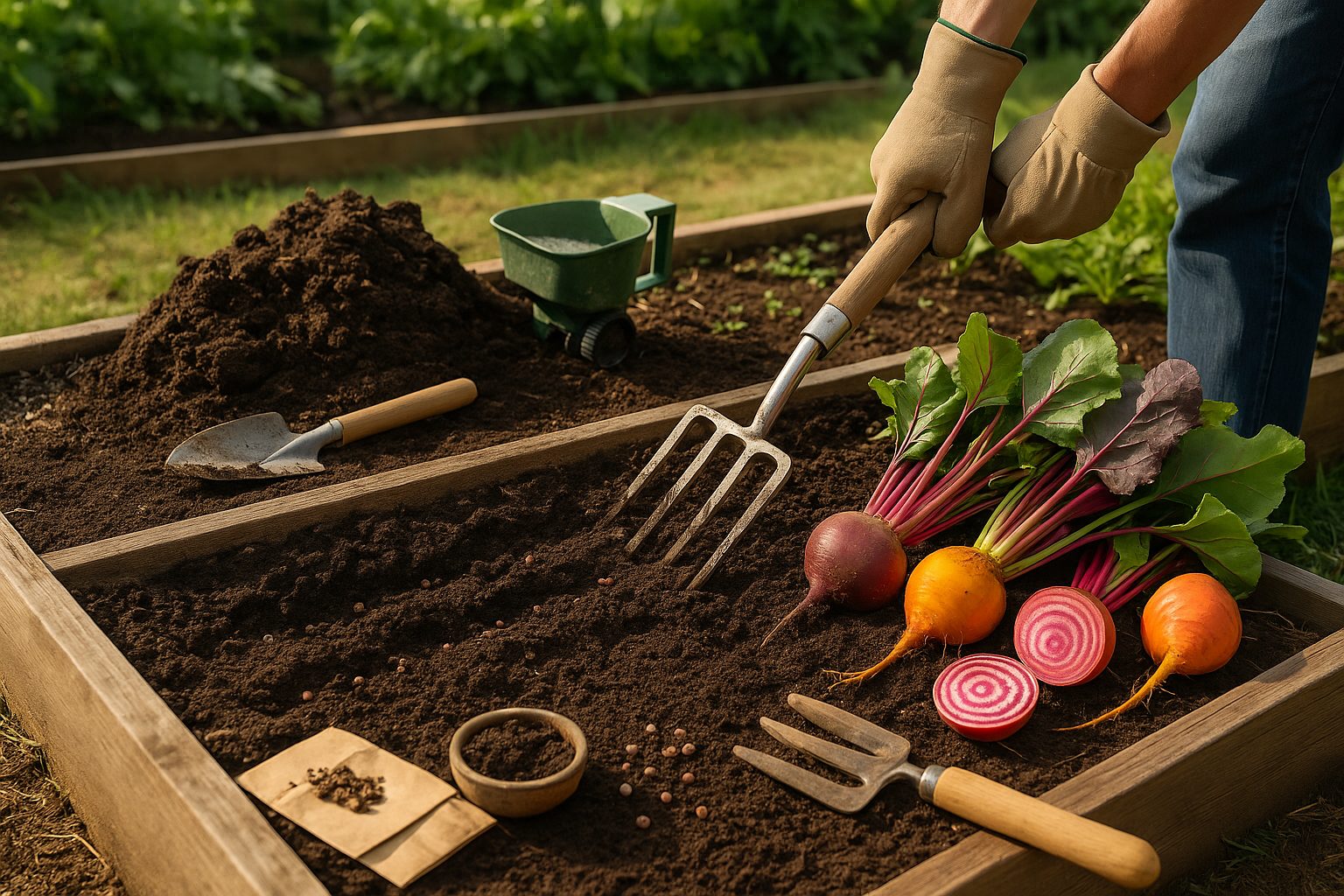
For a healthy beet harvest, start by choosing a garden spot with loose, well-draining soil—heavy clay or compacted earth leads to misshapen, stunted roots. Beets thrive in neutral pH conditions, so check your soil with a home test kit, aiming for a pH between 6.0 and 7.0. If the soil is too acidic, sprinkle some garden lime and mix it in thoroughly.
Next, clear the area of rocks, sticks, and other debris, as even small obstructions can cause beets to grow irregularly or split. Use a garden fork or tiller to loosen the top 8 to 10 inches of soil; this helps beets send down straight, healthy roots.
Once the bed is prepped, mix in a generous amount (about 2 to 3 inches) of well-rotted compost or aged manure to boost soil fertility and structure. Compost breaks down quickly, feeding both the soil and your beets, but steer clear of adding fresh manure—its high nitrogen content can cause beets to grow forked or hairy roots.
After amending, smooth and level the soil with a rake to create an even seedbed. If your garden soil is still heavy or slow to drain after amending, consider planting in raised beds, which dry out faster and warm up sooner in spring.
Proper soil preparation takes a little effort upfront but pays off with smoother, sweeter beets and an easier harvesting experience come autumn.
Sowing Beet Seeds the Right Way
To sow beet seeds for the best results, start by choosing a sunny spot with well-draining soil. Direct sow the seeds outdoors about two to four weeks before your last expected frost, as beets prefer cooler temperatures to get started. Before planting, soak the seeds in water overnight to speed up germination, since beet “seeds” are actually clusters that may sprout multiple seedlings.
Sow seeds about half an inch deep, spacing them one to two inches apart in rows set roughly 12 inches apart—this gives roots plenty of room to develop and reduces competition for nutrients.
As the seeds germinate (usually within 7–14 days), keep the soil evenly moist but not soggy to avoid rotting or patchy sprouting. Use a gentle spray to keep the soil damp, especially if the weather is dry. Soil that’s too cold (below 50°F/10°C) or waterlogged can delay or prevent germination, so hold off on planting if your garden is still chilly or saturated.
Once seedlings reach two inches tall, thin them so there is at least three to four inches between each. Snip extras at ground level with scissors rather than pulling them out; this careful thinning ensures each beet has space to grow into a fat, healthy root. Don’t skip this step—crowded beets stay small and spindly.
If you’d like, the baby greens you thin make tasty additions to salads. Sowing and thinning properly minimizes problems down the line, setting you up for a vibrant beet harvest.
Beet Plant Care Throughout the Season
Caring for beet plants throughout the growing season involves a few key practices to keep your crop healthy and productive.
Start by watering consistently—beets prefer evenly moist soil but don’t tolerate sogginess. Aim to water at the base of the plants early in the day, providing about one inch of water per week. Use a gentle shower to avoid washing away young seeds or compacting the soil. Avoid overwatering, which can lead to root rot, sluggish growth, or yellowing leaves. Allow the top inch of soil to dry out slightly between waterings to prevent fungal diseases.
When it comes to fertilizing, use an all-purpose or low-nitrogen fertilizer—high nitrogen levels encourage lush leaves at the expense of roots. Apply compost or a balanced organic fertilizer at planting time, then side-dress with a phosphorus- and potassium-rich amendment midway through the season if needed. Always avoid over-fertilizing, as beets are sensitive, and excess nutrients can cause misshapen roots or poor flavor.
Mulching around your beet plants with a layer of straw, leaves, or grass clippings helps retain soil moisture, regulate temperature, and keep weeds at bay. Just be sure to leave a little space around the stems to prevent rot and improve airflow.
Pest and Disease Management
For natural pest and disease control, inspect your beets regularly for common pests like leaf miners or aphids. Remove them by hand or use a gentle spray of water to dislodge them. Companion planting with crops like onions and garlic can help deter beet-loving bugs. If you notice signs of fungus or mildew, remove affected leaves and water at soil level to keep foliage dry.
Crop rotation and cleaning up debris at the end of the season also help reduce pests and disease pressure for future plantings.
With steady, mindful care, your beet bed will reward you with vibrant, robust roots ready for harvest.
Harvesting Beets at the Right Time
Knowing the perfect time to harvest your beets makes all the difference in flavor and texture. A clear sign that beets are ready is when their shoulders—the top part of the root—begin to push above the soil line, showing a bit of color.
For most varieties, mature beets are about the size of a golf ball to a tennis ball (1.5 to 3 inches in diameter). You can also gently brush away some soil to check their actual size before pulling them.
If you want baby beets, aim to harvest them earlier at about one inch across; these are tender, sweet, and ideal for salads. For larger, fully matured roots, waiting until they approach three inches gives you a heartier harvest perfect for roasting or soups.
When you’re ready to harvest, it’s important to be gentle to avoid damaging the roots. Use a garden fork or small spade to loosen the soil around each beet—don’t just pull on the leaves, as this can break the beet or damage the greens.
Hold the leafy tops near the crown and slowly ease the root out. If the soil is compacted, water it a little beforehand to help loosen it up.
For baby beets, you’ll need a more careful touch, as their small roots are more delicate. While full-sized beets can withstand a bit more handling, always avoid rough tugging to keep your harvest intact and fresher for longer.
By paying attention to these details, you’ll enjoy beets at their best, whether you’re picking them young and sweet or waiting for full-sized, robust roots.
Storing and Using Your Beets
To make the most of your beet harvest, proper storage is key. For short-term use, trim the greens—leave about an inch of stem to prevent bleeding—store them separately, and place the roots in a breathable bag or container in the fridge. They’ll stay crisp for up to three weeks. The greens are very perishable, so use them within a couple of days; treat them like spinach or Swiss chard in sautés, omelets, or smoothies.
If you need longer storage, unwashed beets can last for months in a cool, humid root cellar. Just nestle them in sand or sawdust and check occasionally for rot. For even longer preservation, freeze cooked (and peeled) beet chunks, or shred raw beets and freeze them for baking or soups. Pickling is another delicious way to extend their shelf life—simply slice, add vinegar and spices, and enjoy tangy pickled beets for months.
Both roots and greens are versatile: toss roasted beet cubes into salads, blend into hummus, or brighten up risottos, while the greens add a nutritional boost to fritters or stir-fries. To minimize waste, save any trimmings for compost—they’ll nourish your next garden crop. And if you’re overwhelmed with bounty, bundle up extra beets and greens to share with a neighbor or local food bank, turning surplus into goodwill and avoiding unnecessary waste.
Conclusion
Growing delicious beets at home is both rewarding and surprisingly simple when you follow a few key steps. Start by choosing a sunny spot and loosening your soil — beets thrive in well-drained conditions. Sow seeds directly in the garden and keep the soil moist, especially when plants are young. Regular thinning prevents overcrowding, helping roots develop to their full, sweet potential.
As harvest time nears, watch for the beet tops peeking out of the soil — a sure sign they’re ready. Whether you enjoy beets roasted, pickled, or raw in salads, homegrown always tastes best. Remember, each growing season is a new opportunity to experiment. Try different beet varieties or adjust your planting times to see what works best in your garden.
Don’t be afraid to learn from failures as well as successes; beet growing is just as much about discovery as it is about the harvest. Have you tried growing beets before? We’d love to hear your tips, tricks, or even funny failures in the comments below — your insights could help others enjoy an even better beet season next year!