Introduction
If you’ve ever wondered whether you can regrow store-bought beets, you’re not alone. Many gardeners—from budget-conscious beginners to curious plant lovers—find themselves eyeing those plump, vibrant beets in the produce aisle and imagining a flourishing crop right at home. The idea is tempting: could you really turn a grocery store beet back into a garden full of fresh roots and leafy greens?
With food costs on the rise and the joy of low-waste living, it’s easy to see why so many people are trying to give their beets a second life. In this article, we’ll explore whether it’s possible to regrow store-bought beets, the science behind their regrowth, and practical tips for success. We’ll cover what to expect, potential challenges, and how to get the most out of your gardening experiment—so you can decide if this clever hack is right for you.
Understanding Beets: Grocery Store vs. Garden Beets
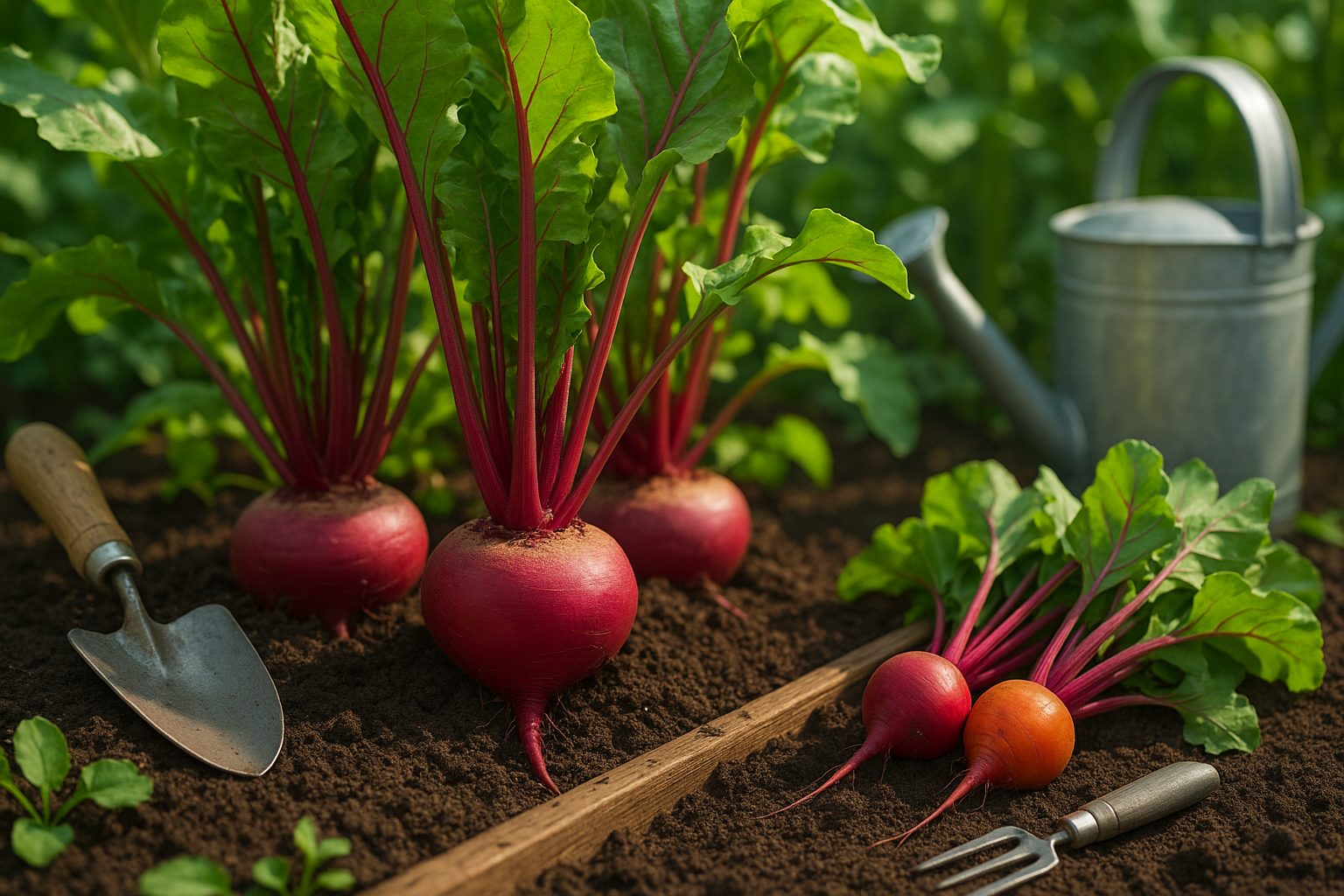
When wondering if you can regrow store-bought beets, it’s helpful to know the main differences between grocery store beets and those grown in gardens. Beets from the grocery store are usually grown for mass consumption, selected for traits like shelf stability, uniform size, and flavor. The most common varieties you’ll find are red beets, like Detroit Dark Red, along with some golden and striped (Chioggia) types—all meant for eating right away rather than planting. These beets are typically harvested for their roots, and the tops (greens) are often trimmed, especially if the beets have been stored for some time. In contrast, garden-grown beets tend to include a wider variety of heirloom or specialty types, grown both for their roots and leafy greens, and are fresher with no commercial treatments.
One challenge when trying to regrow store-bought beets is that they’re often treated to prevent sprouting and extend shelf life. Some are thoroughly washed, waxed, or treated with sprout inhibitors, making regrowth tricky or unpredictable. Plus, grocery store beets may have been in cold storage for weeks, which can reduce their ability to regrow. Beets are usually grown from seeds because the roots you find in stores are fully mature and don’t produce seeds themselves. However, you can regrow beet greens by placing the beet tops in water, encouraging new leafy shoots. Regrowing a full beetroot from store-bought beets is rarely successful. For vibrant and reliable beets in your garden, starting with seeds from a trusted supplier is generally your best bet. Still, experimenting with store-bought beets can be a fun way to grow fresh edible greens right on your windowsill.
Can You Regrow Store-Bought Beets? The Science Explained
If you’re wondering whether you can regrow store-bought beets into a full crop, it helps to understand a bit of plant science first. Beets are usually grown from seeds, not from the root itself. The bulb you buy at the store is actually the beet’s swollen root. While it can regrow leafy greens if placed in water or soil, it won’t produce a new beet root this way.
This process, called vegetative propagation—regrowing plants from parts other than seeds—works well for growing leafy tops, but it won’t recreate an entire beet plant. To harvest new beet roots, you need beet seeds, which come from the plant when it “bolts” and flowers. However, grocery store beets are almost always harvested before flowering, so their roots can’t produce seeds after you get them home.
There are a few challenges when trying to regrow store-bought beets. First, commercial growers often treat beet roots with chemicals to prevent sprouting during shipping and storage, which can stop them from regrowing. Also, many store-bought beets are hybrids bred for traits like sweetness or shelf life. Even if they do produce seeds, the next generation might not look or taste like the original beet. Lastly, large, mature beets from the store may be too old or depleted of energy to regrow successfully.
If you want to try regrowing beet greens for salads or garnish, putting the beet top in water is a fun and easy experiment. But for a full beet harvest, starting with seeds is definitely your best bet.
How to Regrow Store-Bought Beets: Step-by-Step Guide
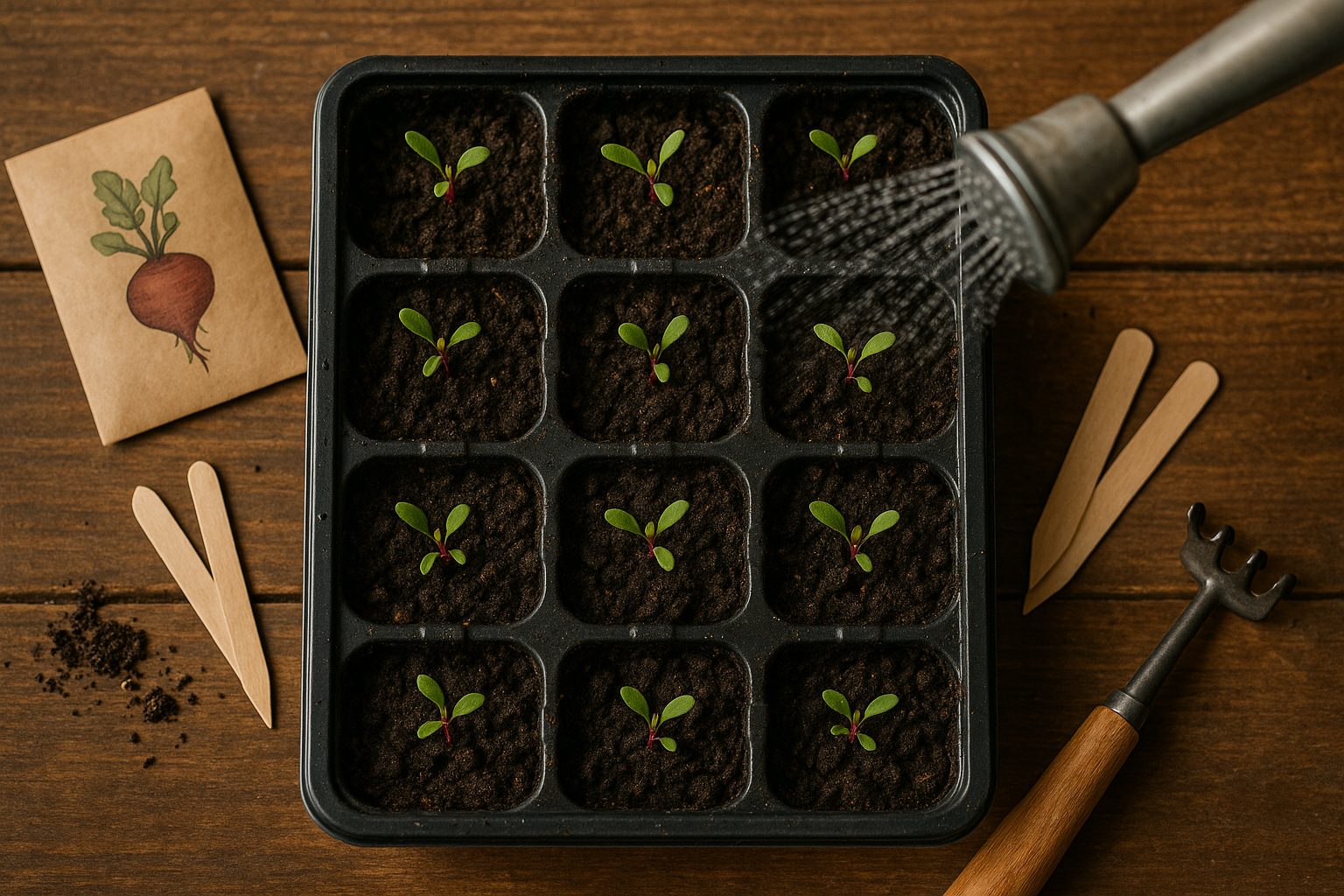
Regrowing beet greens or even trying to regrow store-bought beets into full roots is a fun experiment and a great way to get more from your groceries. To start, select healthy, firm beets from the store—avoid any that are shriveled or soft. If you want to regrow the greens, slice off the top inch of the beetroot where the greens would sprout. Place these beet tops cut-side down in a shallow dish with just enough water to cover the bottom. Keep the dish on a sunny windowsill and change the water every two days to prevent mold. Within a week, you should see fresh beet greens beginning to sprout. These tender leaves are perfect for salads, omelets, or sautés.
If your goal is to regrow entire beets (beetroots), the process is a bit trickier since store-bought beets are usually harvested before they can regrow roots. However, you can give it a try. Let your beet tops grow greens in water for about a week. Once you see healthy new leaves, transplant the beet top into a pot or your garden with rich, well-draining soil. Bury the beet so that only the leafy growth is above the soil surface. Water thoroughly and keep the soil consistently moist, but not waterlogged. Place your container in full sun or choose a garden spot that gets at least 6 hours of sunlight daily. Watch for pests like aphids and remove any yellowing leaves to encourage healthy growth.
You’ll likely see leafy growth above ground, but regrowing a full beetroot is rare. Most store-bought beets don’t develop new roots because they’re mature and may have been stored for a while. For the best results, focus on harvesting the nutritious beet greens, which you can cut every couple of weeks as new leaves appear. As a tip, use organic beets or beets with a bit of the root left for slightly better odds. Either way, regrowing store-bought beets is a rewarding mini-gardening project you can do right on your kitchen counter or in a sunny patch of your garden.
Common Problems and What to Expect When You Regrow Store-Bought Beets
When you try to regrow store-bought beets at home, it’s important to know some common issues and set realistic expectations. Many people find that their beet tops start to rot or become mushy soon after planting, especially if the beets weren’t very fresh or if the soil stays too wet. Sometimes, the beet might not sprout any greens at all—this can happen if it was treated with growth inhibitors or stored for a long time.
Another common problem is weak or pale leaf growth. Since grocery store beets may be drained of energy from storage, they often produce only small, lackluster leaves. It’s also important to remember that when you regrow store-bought beets, you are mainly growing them for their leafy greens, not for new edible beetroots. The root you plant won’t produce another beet below the soil—it just grows some greens from the crown area.
If you’re hoping to harvest a whole new beet, you’ll probably be disappointed. To improve your chances, use a firm, healthy beet with part of the crown exposed, provide bright indirect sunlight, and avoid overwatering—too much moisture invites rot. Be sure to trim away any slimy or rotten parts immediately to prevent the problem from spreading.
Within a few weeks, you can expect to harvest tasty, nutritious greens for salads or sautés. However, don’t count on growing a brand-new beetroot. This project is perfect for those who enjoy upcycling kitchen scraps and want a small supply of fresh leaves, rather than for serious root vegetable gardening.
Best Ways to Grow Beets at Home
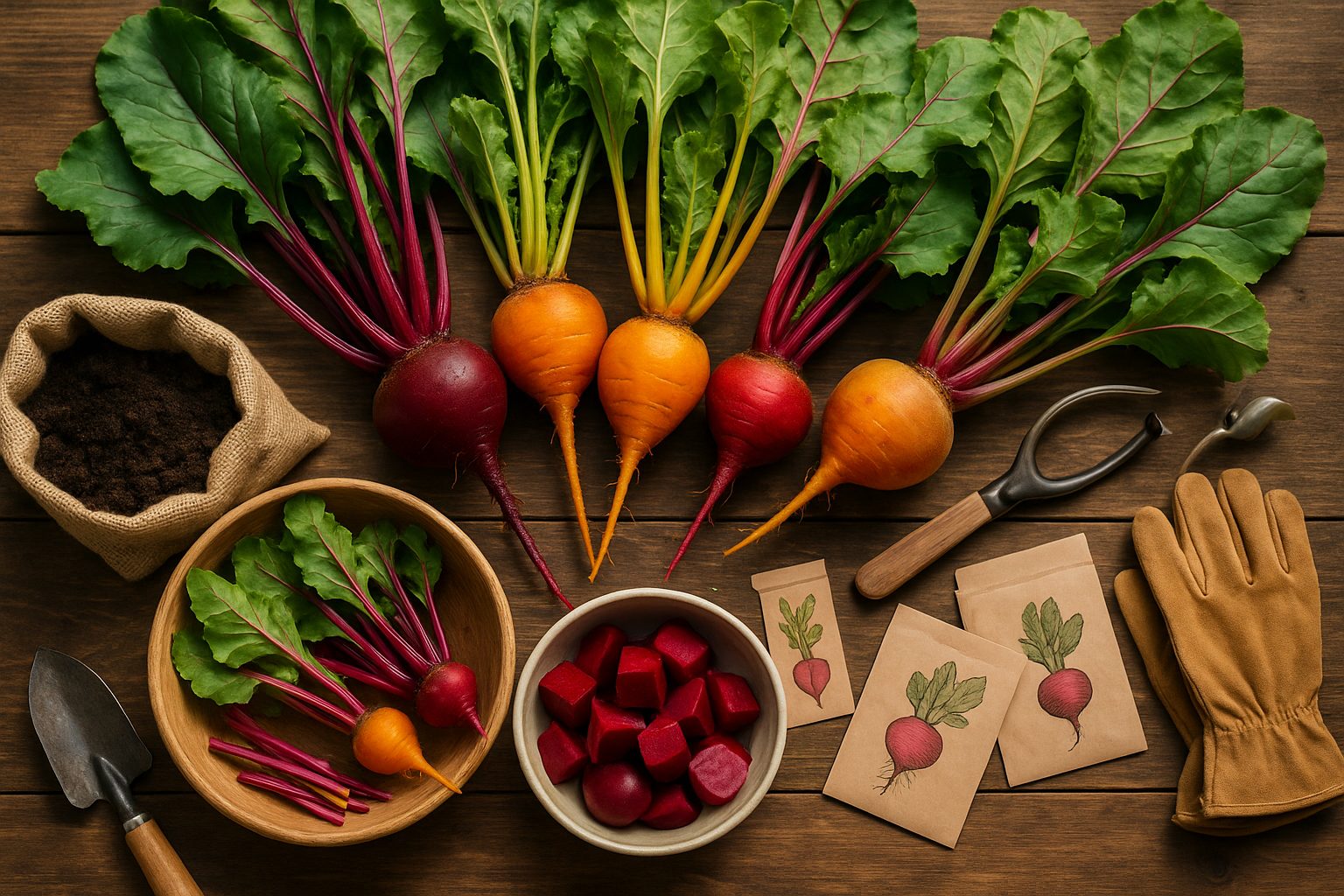
While you might be tempted to regrow store-bought beets, purchasing beet seeds or starter plants is a far more reliable and rewarding way to grow beets at home. Beets grown from seeds are much more likely to thrive because you can choose quality, disease-free varieties that suit your local climate and soil. In contrast, store-bought beets are often treated to extend shelf life or prevent sprouting. Even if they do grow leaves, they usually won’t produce strong new roots, resulting in a poor yield.
Beet seeds offer a wide variety of options—including classic red, golden, or striped types—allowing you to experiment with flavors and colors while enjoying fresh, homegrown produce. Starter plants are also a great choice for beginners who want a head start with less setup.
If you’re new to gardening, consider ordering seeds from reputable sources like Baker Creek Heirloom Seeds, Johnny’s Selected Seeds, or Burpee. These suppliers offer reliable germination rates, helpful growing tips, and disease-resistant varieties tailored to different regions. To boost your chances of success, choose organic seeds when possible, follow planting instructions carefully, and start in well-prepared, loose soil.
By taking this approach, you’ll not only get a better harvest but also develop gardening skills you can rely on year after year, rather than dealing with the unpredictable results of trying to regrow store-bought beets. Ultimately, investing in quality seeds or starter plants is the fastest and most effective way to enjoy a bountiful beet crop at home.
Conclusion: Should You Try This Method?
Growing beets from grocery store beets can be a fun and educational experiment, especially if you’re curious about how kitchen scraps can sprout new life. The main advantage of this method is its simplicity—you don’t need special supplies or seeds, just a beetroot with some greens left on top. Regrow store-bought beets is also a quick way to harvest beet greens for salads or sautés.
However, there are some downsides to keep in mind. Store-bought beets may be treated to prevent sprouting or may not be suited for regrowth, often resulting in disappointing yields or weak plants. Plus, regrowing the tops typically won’t produce new beetroot bulbs—mostly just leafy greens.
If you want robust beet harvests and reliable root crops, starting from seeds is still your best bet. Seeds offer a wider variety selection, vigorous plants, and a predictable supply of both greens and roots.
For those interested in home beet gardening, try regrowing a few store-bought beets to observe the process, but also order quality seeds and set up a small garden plot or containers. This way, you can enjoy the best of both worlds and set yourself up for a more satisfying and productive beet harvest.