Introduction to Beets
When it comes to planning a healthy and vibrant garden, knowing the best beet varieties can make all the difference for both your plate and your pantry. Beets—those humble roots—are favorites for home gardeners because they’re uniquely versatile, easy to grow, and pack a serious nutritional punch.
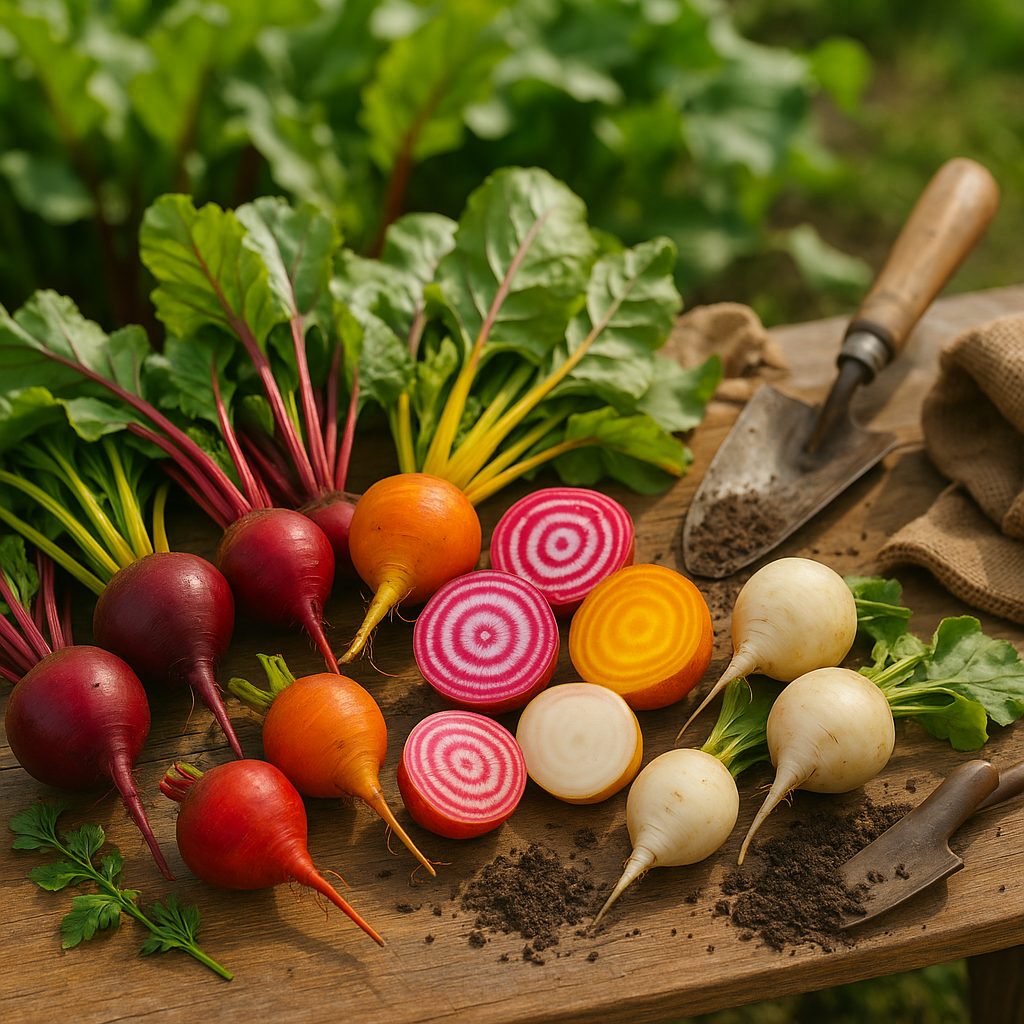
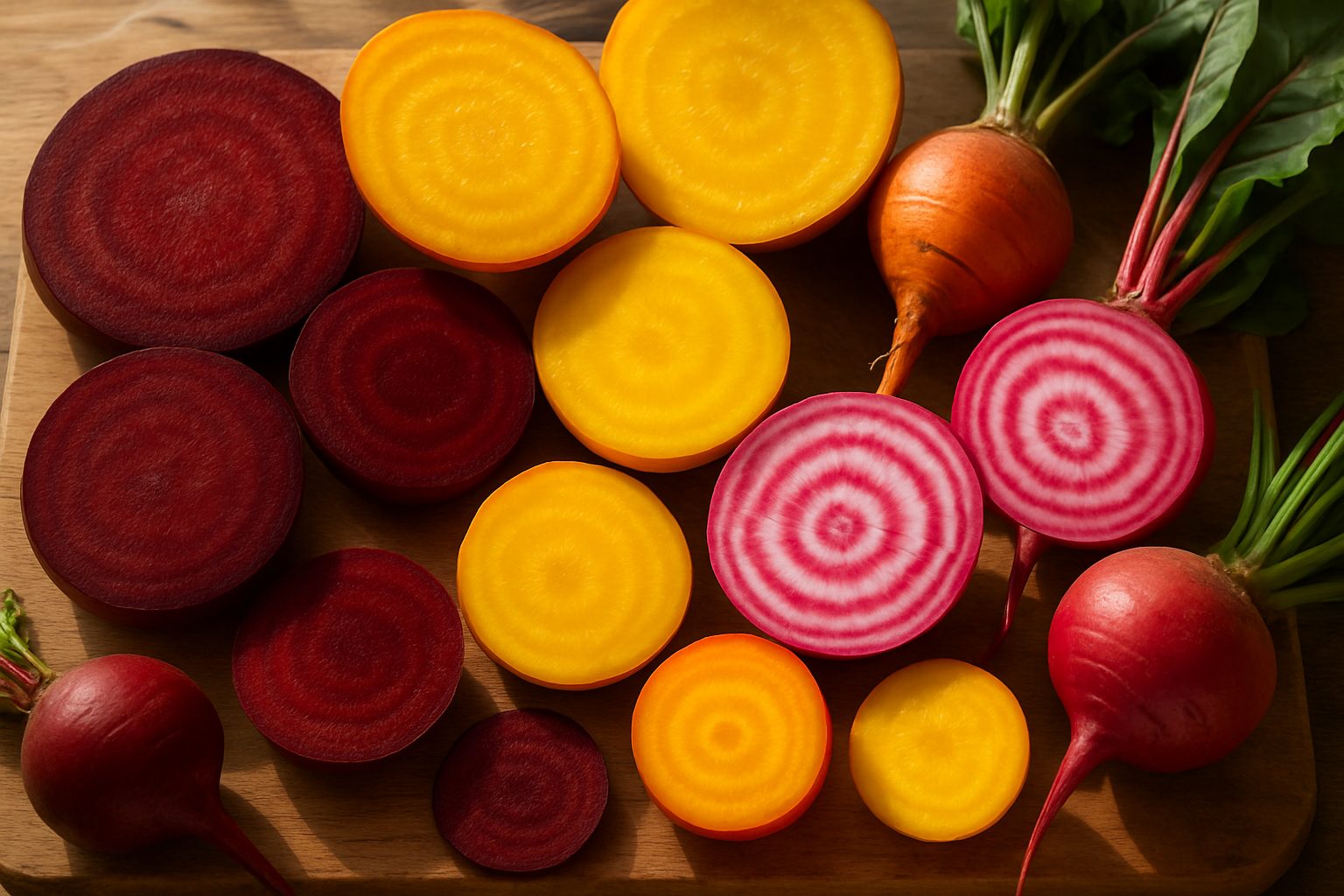
Beyond the classic deep-red globes you might picture, beets come in an impressive array of shapes, sizes, and colors. You’ll find golden beets with a mellow, slightly sweet flavor perfect for roasting, candy-striped Chioggia beets that dazzle in salads, and even white varieties that won’t stain your fingers or your cutting board. Each type brings a different taste experience, ranging from earthy and robust to delicately sweet.
This diversity isn’t just eye-catching—it’s practical. Different beet varieties allow you to experiment in the kitchen: try sliced raw beets in a crunchy slaw, roasted chunks tossed on grain bowls, or even beet greens sautéed with garlic for a nourishing side. Nutritional profiles vary as well, with every color offering a unique assortment of antioxidants, vitamins, and minerals like folate and potassium.
With cold-hardy roots that thrive in a range of climates and a relatively fast growing cycle, beets are an excellent choice for gardeners of any skill level. Beginners can start with reliable staples, while adventurous growers might plant several kinds to enjoy a rainbow of harvests. Whatever your garden goals, exploring the best beet varieties means you’ll never get bored—there’s always a new flavor, color, or recipe to discover.
Whether you’re after heart-healthy veggies or looking to add natural sweetness and color to your meals, the world of beets holds a little something for everyone.
Classic Red Beets: Popular Varieties and Uses
Classic red beets have earned a loyal spot in gardens and kitchens thanks to their vibrant color, earthy-sweet flavor, and nutritional value. Choosing the right variety can make all the difference in both taste and ease of growing.
Detroit Dark Red is perhaps the best known, offering deep crimson flesh that’s tender, slightly sweet, and perfect for everything from roasting to juicing. Its round, uniform roots and dependable germination make it a favorite for beginners and pros alike.
Bull’s Blood stands out not just for its roots but also for its striking dark red-purple leaves, which add color and a mild, beet-like flavor to salads—a two-in-one crop that’s visually stunning both raw and cooked.
Ruby Queen is prized for its exceptionally smooth, globe-shaped roots that cook up tender and retain their vibrant color, making them an excellent choice for pickling or slicing thinly for salads.
Early Wonder lives up to its name by maturing faster than many other varieties, making it perfect for gardeners with shorter growing seasons. Its tender roots and lush, flavorful greens are both edible, giving cooks plenty of options.
Uses in the Kitchen
These red beet varieties are incredibly versatile. Roasting brings out their natural sweetness, while grating them raw adds crunch and color to slaws or salads. They also hold up beautifully when pickled, their bright hues and tangy flavor making a standout side or topping.
Growing Tips
Most of these varieties tolerate a range of soils but prefer loose, well-drained beds. Beets thrive in cooler weather, so early spring and fall plantings yield the best harvests. To maximize your success:
- Sow seeds directly in the soil.
- Thin seedlings to ensure plump roots.
- Keep the beds consistently moist.
Whether you’re aiming for classic borscht, vibrant salad toppers, or just a colorful addition to your vegetable patch, classic red beets like Detroit Dark Red, Bull’s Blood, Ruby Queen, and Early Wonder deliver reliable flavor, color, and nutrition in every bite.
Golden & Yellow Beets: Sweet Alternatives
Golden and yellow beets, such as Touchstone Gold and Golden Detroit, are delightful alternatives for anyone who finds traditional red beets a bit too earthy or intense. These vibrant varieties boast a milder, sweeter flavor, making them especially appealing for salads, roasting, and even juicing. Unlike red beets, golden and yellow options don’t bleed their color, so they keep your dishes visually appealing without staining everything in sight.
Touchstone Gold beets produce smooth, round roots with a stunning deep-yellow flesh, while Golden Detroit varieties are slightly lighter but equally striking on the plate. Both are excellent sliced raw in salads or roasted to bring out their natural sugars; they pair beautifully with creamy cheeses, citrus, and fresh herbs.
If you’d like to grow them at home, choose a sunny location with well-drained, loose soil, since beets form best when they’re not crowded by stones or heavy clay. These varieties generally mature in 50-60 days, and consistent moisture helps prevent tough skins. Try succession planting every few weeks for a continuous harvest throughout the season.
Remember to thin seedlings to 2-3 inches apart for plump, evenly-shaped roots, and don’t discard the leafy tops—beet greens are delicious sautéed or tossed in a salad for an extra nutrient boost.
With their cheerful color and approachable taste, golden and yellow beets are a simple way to bring variety to your garden and your table.
Unique Beet Types: Striped, White, and Multicolored Varieties
If you’re looking to bring some eye-catching color and exciting flavors to your meals, exploring unique beet varieties beyond the usual red is a must. The Chioggia beet, sometimes called “candy cane” or “bull’s eye,” is famous for its stunning pink-and-white concentric rings, making it a true showstopper when sliced raw in salads or used as a vibrant garnish.
White beet varieties like Albino or Avalanche appeal to those who want the earthy sweetness of beets without the deep red pigments that can stain hands or cutting boards. These white beets also tend to have a milder, less earthy flavor, making them ideal for pickling or pairing with delicate ingredients like goat cheese or citrus.
Multicolored varieties—ranging from golden beets with their sunny hue to rare rainbow mixes—bring extra brightness to roasted veggie trays, grain bowls, and even tartare-style appetizers, where their colors really shine.
For the best visual impact, try incorporating Chioggia or golden beet slices into carpaccio, spiralizing them for colorful “noodles,” or layering multiple beet types in a roasted vegetable terrine. Not only do these beets offer a visual feast, but their unique flavors—some sweeter, some more delicate—can create new combinations in salads, slaws, or even savory pancakes.
If you want to impress dinner guests or simply switch up your weeknight veggies, experimenting with striped, white, and multicolored beets is a delicious way to get creative in the kitchen.
Beets Beyond the Table: Sugar Beets & Forage Types
When most people think of beets, they picture the classic red root on their salad plate, but these versatile crops have a life far beyond the dinner table. Sugar beets, for instance, are a powerhouse in commercial sugar production, contributing nearly 20% of the world’s sugar supply—a crucial alternative to sugarcane, especially in cooler climates like Europe and the northern United States.
Unlike their sweet, table-ready relatives, sugar beets are bred for high sucrose content and are processed to extract pure white sugar used in everything from candies to baked goods. Meanwhile, large-rooted forage beets, such as Mammoth Mangel, are grown for their sheer size and nutritional value, making them a favorite among farmers for livestock feed.
These massive roots, sometimes weighing up to 50 pounds each, offer a cost-effective, high-energy supplement for dairy cows, sheep, and even horses during colder months when pasture is scarce. Beyond their direct use, both sugar and forage beets play a valuable role in crop rotation, enriching soil health and breaking cycles of pests and diseases.
Interestingly, the fibrous pulp left after sugar extraction—known as beet pulp—is also a prized animal feed, valued for its digestibility and nutrient content. Whether fueling our sweet tooth or sustaining livestock, beets like sugar beets and Mammoth Mangels prove that this humble root is an agricultural workhorse with wide-reaching impacts far outside the kitchen.
Tips for Choosing and Growing Different Beet Types
Choosing the right beet variety can make all the difference in your gardening experience and the flavors you enjoy at your table. If you love sweeter, milder beets, consider heirloom types like ‘Chioggia’ or ‘Golden’ beets—these not only look beautiful but also tend to be less earthy in taste. For bolder flavors and higher yields, hybrids like ‘Red Ace’ or ‘Avalanche’ are sturdy options, especially if you want beets that mature quickly or resist disease.
Your local climate should also guide your selection: cooler regions do well with most beets, as they prefer soil temperatures below 75°F (24°C), but in consistently hot areas, opt for faster-maturing varieties to avoid bolting.
Beets are modest about soil, but loose, well-draining earth with a slightly acidic to neutral pH (6.0 to 7.5) gives the best results. If your soil is heavy clay or rocky, try raised beds or amend the ground with compost and sand.
Planting and Growing Tips
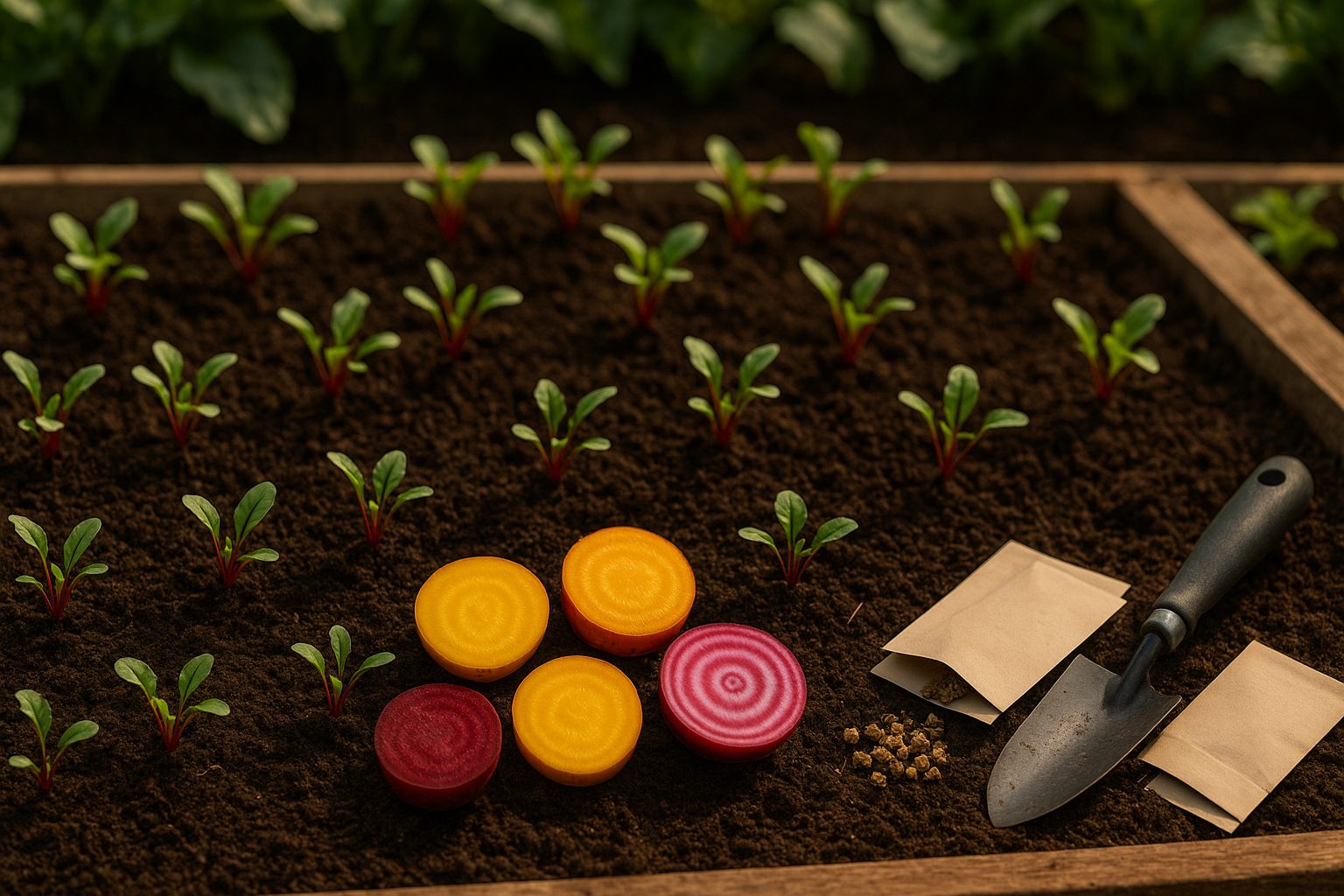
For beginners, sow seeds directly outdoors, spacing them an inch apart and about half an inch deep. thinning seedlings to three or four inches apart once they emerge is essential for healthy root development. Keep the soil consistently moist, especially as seeds germinate, but avoid overwatering, which can cause roots to crack.
Beets are usually ready to harvest in about 55–70 days. You can pick them when they are the size of a golf ball for tender results, or leave them a bit longer for larger roots. Don’t forget—the greens are edible too, so don’t discard the tops.
Where to Source Seeds
Local garden centers often carry regionally appropriate varieties, while online suppliers like Baker Creek Heirloom Seeds or Johnny’s Selected Seeds offer a wider range.
Additional Resources
For more guidance, university extension websites and gardening forums are packed with growing tips and troubleshooting advice, making it easy for beginners to succeed with beets from seed to table.