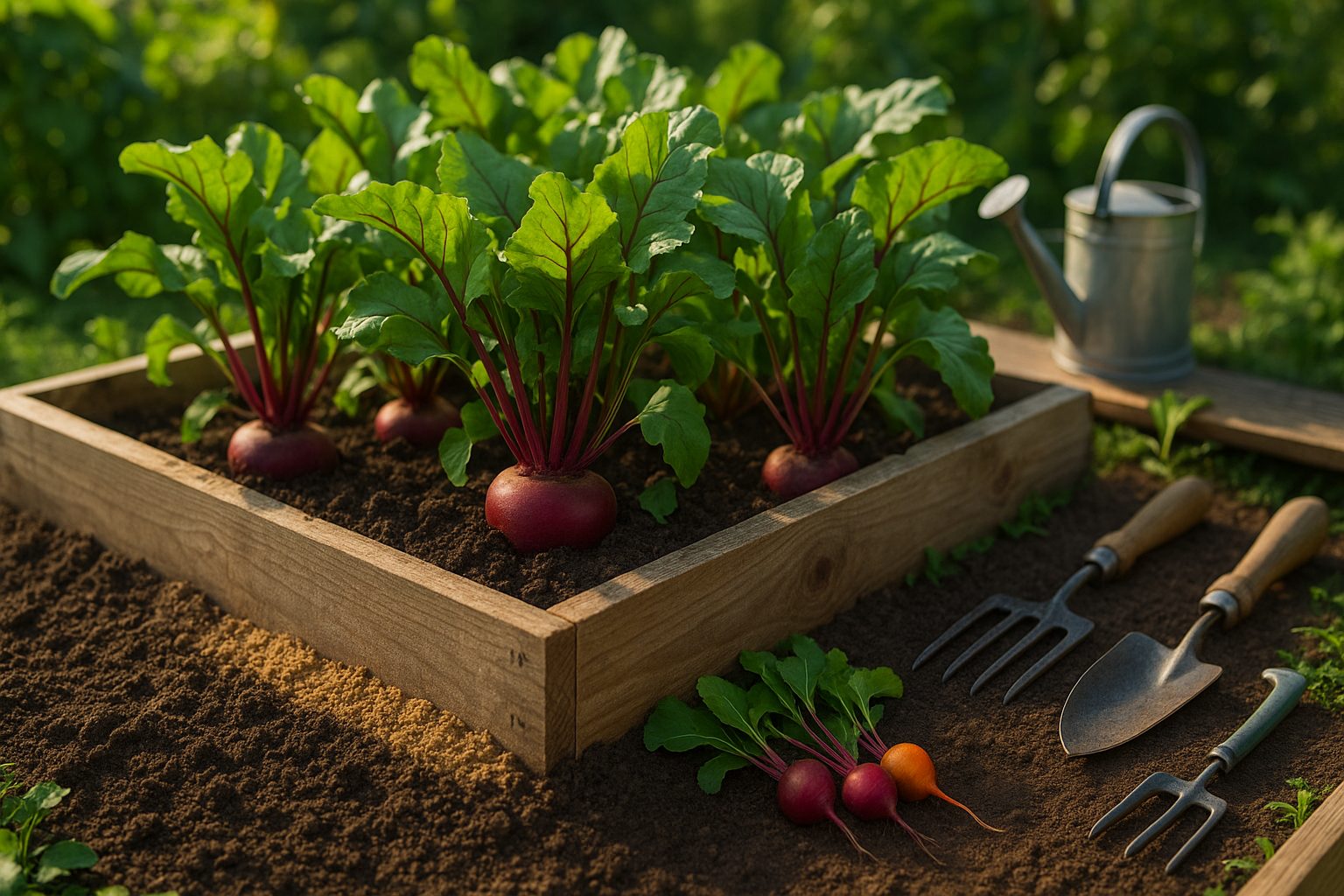
Why Raised Bed Depth Matters for Beets
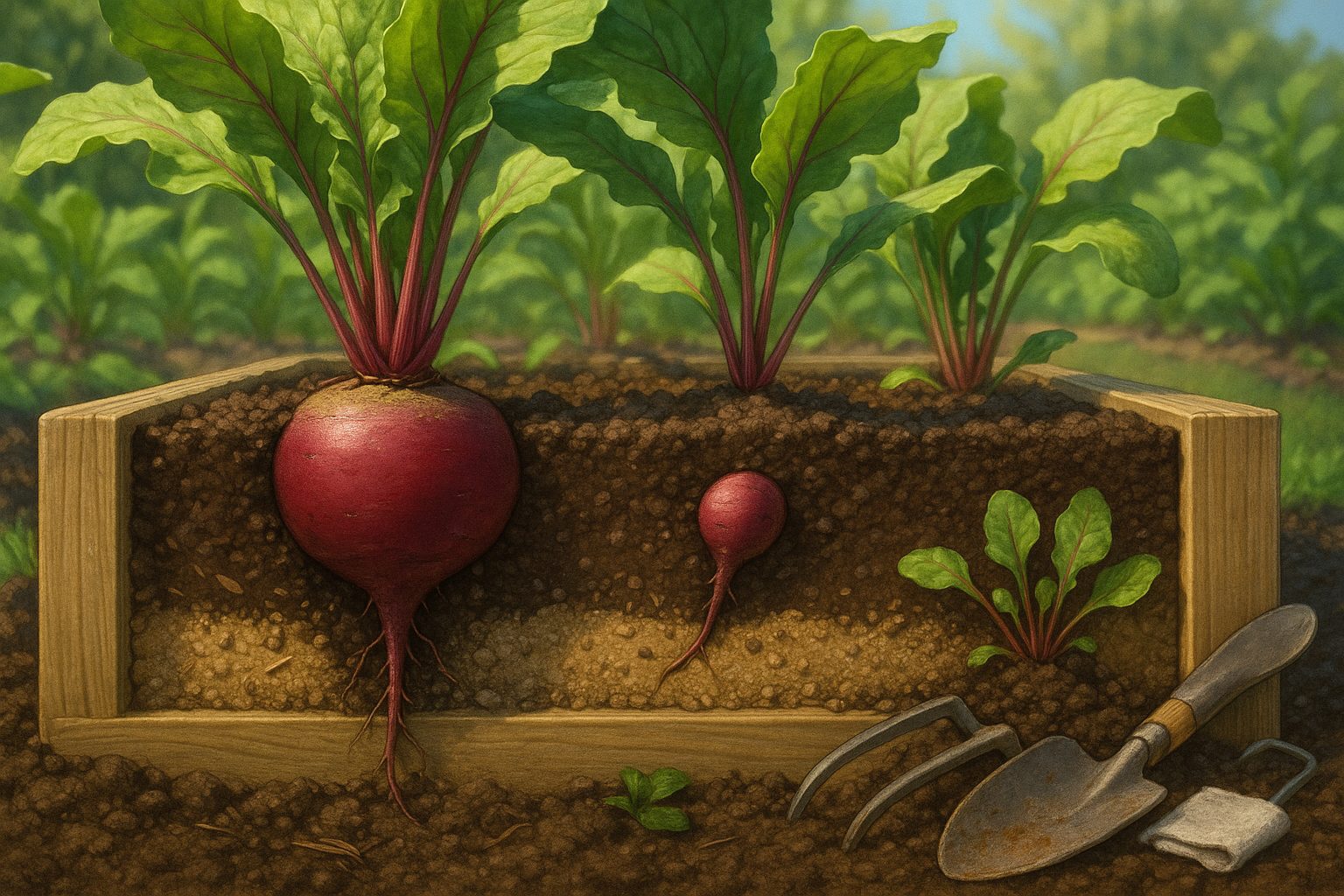
When planning your vegetable garden, understanding the ideal raised bed depth for beets is essential to achieving a healthy, flavorful harvest. Beets develop a round or cylindrical root structure, which requires more than just surface space—they need room below the soil to expand and access nutrients.
If the bed is too shallow, beets can become misshapen, stunted, or even fail to develop fully. While beets can technically survive in a minimum soil depth of about 6 inches, this is really just the baseline for survival, not thriving. In shallow beds, beet roots may struggle to reach their typical size, limiting your yield and producing smaller, tougher vegetables.
For best results, aim for a raised bed depth of at least 10 to 12 inches. This ideal range provides enough space for the beets to grow both their roots and greens without restriction, encouraging better bulb development and smoother shapes. Deeper soil also retains moisture more effectively and supports a richer, more diverse soil ecosystem—both of which directly contribute to larger, sweeter, and more tender beets.
If you’re craving those deep red, juicy globes perfect for roasting or salads, investing in an adequate raised bed depth for beets will pay off in flavor and quantity. Many seasoned gardeners notice the difference: shallow beds often yield disappointing, undersized roots, while a generous 12-inch depth leads to stocky, uniform crops that are easier to harvest and prepare.
So, when sketching your next gardening plan, remember that a little extra depth goes a long way in supporting robust beet growth and maximizing your garden’s productivity.
Recommended Raised Bed Depth for Growing Beets
When planning your raised bed for beets, aiming for the right soil depth makes a big difference in their growth and harvest. Beets develop round roots that need enough vertical space to expand, so a minimum soil depth of 6 inches (15 cm) is essential. However, you’ll see noticeably better results with 8–10 inches (20–25 cm) of soil. This extra depth allows the beet roots to grow unimpeded and helps retain more moisture, leading to healthier, sweeter bulbs.
Compared to beets, carrots often need even deeper beds—typically 12 inches (30 cm) or more—to accommodate their longer taproots. Meanwhile, shallow-rooted leafy greens like lettuce or spinach can do just fine in only 4–6 inches (10–15 cm) of soil.
If you’re constructing especially deep raised beds, consider layering coarse organic material or sticks at the bottom before adding your planting mix. This improves drainage and reduces the waste of high-quality soil in areas roots won’t reach.
Prioritizing the right depth gives your beets plenty of room to thrive and helps you make the most of your gardening space.
Choosing the Right Raised Bed Height for Your Space
When deciding on the perfect raised bed height for your garden, consider both practical needs and your available space. Accessibility is key—taller beds, such as those 24 inches high, make gardening much easier for seniors or those with mobility issues, as they reduce bending and are suitable for wheelchair users.
For young children, lower beds around 6 to 12 inches let little gardeners reach plants safely and comfortably. The location also plays a part: if your beds sit on concrete or rocky ground, deeper beds (18 inches or more) allow roots to grow freely, while shallower beds can work well on rich soil.
When it comes to materials, sturdy options like brick or cedar support taller beds without bowing, while lightweight woods are a good match for beds 12 inches or lower. Aesthetics matter too—taller beds can become attractive focal points, almost acting as outdoor furniture, while shorter beds blend smoothly into a landscape.
Finally, bed height affects pest management; raising your beds to 18 inches or more helps deter rabbits and some ground pests from munching on your crops. For extra protection, consider adding a short fencing or mesh skirt.
Ultimately, the best height balances your physical comfort, garden layout, and style preferences—so take a quick measure, think about who’ll be gardening with you, and choose what makes your space work best.
“`html
Soil Mix and Preparation for Beets in Raised Beds
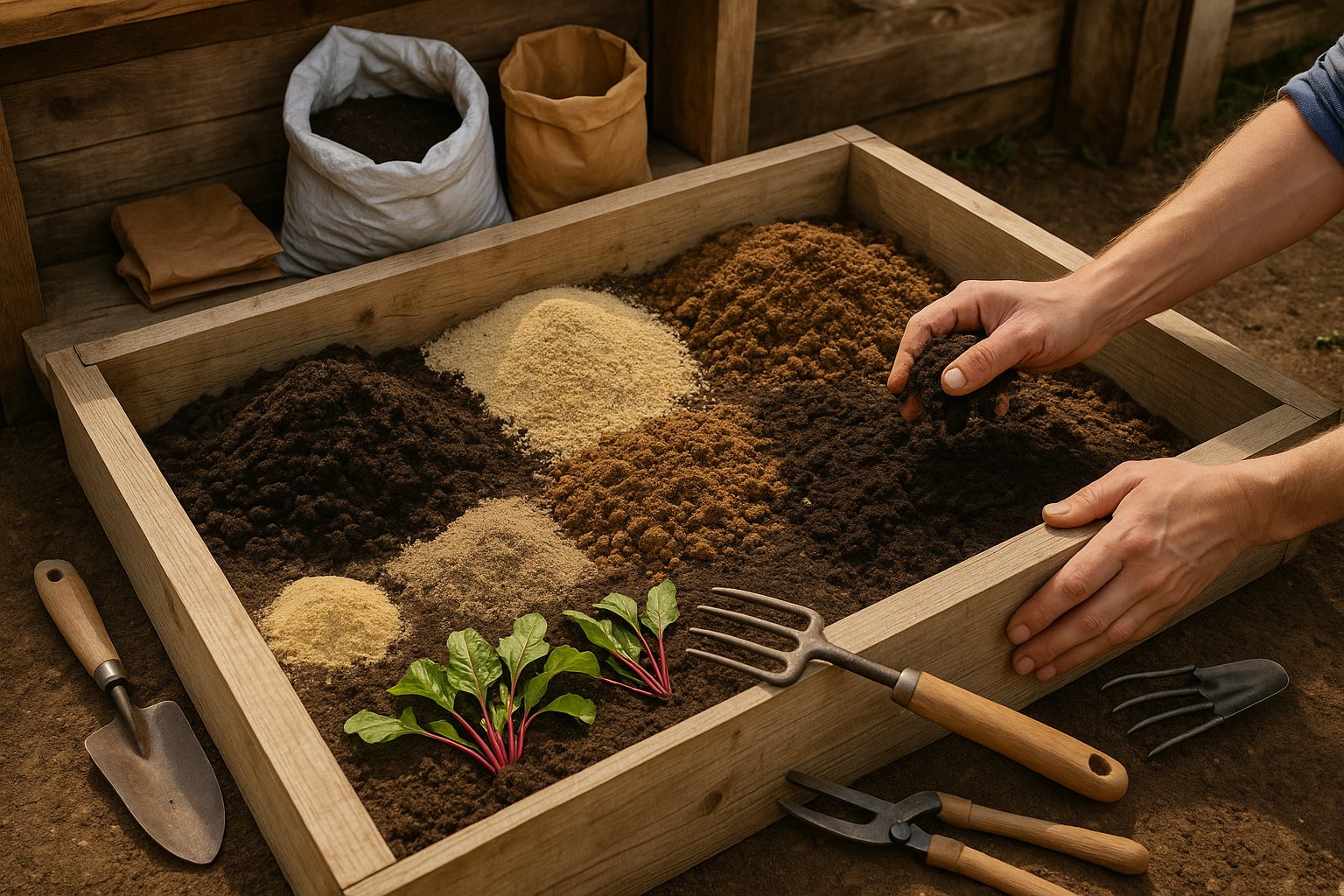
Creating the perfect soil mix is essential for growing healthy beets in raised beds, as beets need loose, well-draining soil to develop those classic round roots. Start with a blend of about 50% topsoil, 30% high-quality compost, and 20% coarse sand or perlite—this combination keeps the soil friable (crumbly) and allows for easy root expansion.
Make sure your compost is well-aged, as fresh materials can rob nitrogen from young seedlings. Incorporating organic matter like leaf mold or worm castings boosts soil fertility and encourages microbial activity, setting the stage for robust beet growth.
Spread the mix evenly in your raised bed to a depth of at least 10-12 inches; beets need this depth to stretch their taproots without obstruction. To avoid soil compaction—one of the enemies of root crops—never walk on the bed surface and keep heavy tools out of the raised beds.
Use your hands or a small fork to gently loosen the upper few inches whenever you notice crusting or settling. As a real-world tip, after filling and amending your bed, water the soil thoroughly, let it settle for a day or two, then lightly fluff up the surface before sowing seeds.
Keeping the soil light and airy from the start will help your beets form smooth, evenly sized roots instead of getting stunted or misshapen by hard clumps.
“`
Planting and Growing Beets Successfully in Raised Beds
For a thriving beet crop in raised beds, start by planting seeds about ½ inch deep and 1 inch apart in moist, loose soil—this encourages even germination and strong root development. Since beet seeds are actually seed clusters, expect several seedlings per spot. Once the seedlings reach 2-3 inches tall, thin them out so there’s about 3-4 inches between plants. This spacing is crucial, as overcrowded beets compete for space and nutrients, leading to small or oddly shaped roots.
Consistent watering is also vital; aim to keep the soil evenly moist but not waterlogged, as beets dislike both drought and soggy roots. A deep, well-draining raised bed—ideally at least 10-12 inches high—prevents beets from becoming stunted or forked, a common problem in shallow containers where roots can’t form smoothly.
Incorporate a balanced, low-nitrogen fertilizer (like 5-10-10) before sowing and side-dress once more when seedlings are established, since excess nitrogen encourages leafy tops instead of plump roots.
Recommended Varieties for Raised Beds
- Detroit Dark Red
- Chioggia
- Boltardy
- Babybeat (great for miniature beets and shallower soil)
Keep an eye out for root distortion; if you notice many misshapen or forked beets, loosen the soil further and ensure you’re planting in at least 10 inches of depth—roots need plenty of space to grow straight.
Raised beds make it easier to tailor your soil blend, so use a mix rich in compost but free from rocks or debris, giving your beets the soft, loose structure they love for developing those perfectly round, sweet roots.
With mindful spacing, steady moisture, and ample depth, you’ll enjoy a bumper crop of beets that’s perfect for salads, roasting, or pickling.
Growing Beets in Shallow Beds or Containers: Can It Work?
Growing beets in shallow beds or containers is absolutely possible, though there are a few tricks to getting a good harvest. Standard beet varieties typically require 6 to 8 inches of loose, fertile soil so their roots can expand, but you can still have success in as little as 4 to 6 inches if you adapt your approach.
Opt for smaller or rounder beet varieties like ‘Babybeat,’ ‘Detroit Mini,’ or heirloom ‘Cylindra’ beets, which tend to develop well in tight quarters. Alternatively, grow beets for their tender baby roots—harvest them earlier, when they’re about the size of a ping-pong ball, to avoid crowding.
Because your bed is shallow, use close spacing and succession plant every few weeks. This way, as you pull up maturing baby beets, you make room for the next crop. Another efficiency tip: don’t overlook the greens! Beet tops are delicious—similar to chard—so even if root growth is modest, you’ll still get a generous harvest aboveground.
To set your plants up for success, use a high-quality potting mix, keep the soil consistently moist, and give your containers plenty of sunlight. Also, rotate in crops like lettuce or radishes after harvesting beets to make use of the space throughout the season.
With these strategies, a shallow garden bed or small container can yield a surprising amount of fresh, tasty produce—even if full-sized beets aren’t on the menu.
Common Raised Bed Mistakes to Avoid with Beets
Growing beets in raised beds can be rewarding, but avoiding a few common mistakes is key to getting plump, healthy roots. One frequent issue is not providing enough soil depth—beets thrive with at least 10–12 inches of loose, fertile soil. If your bed is too shallow or filled with rocks or clay, the roots will grow small or twisted.
Compacted soil is another culprit that can stunt your beets. Loosen the bed thoroughly and add compost before planting, and avoid walking or placing heavy objects on the soil to maintain its structure. Good drainage is vital too—waterlogged soil causes beets to rot or develop unevenly, so ensure your raised bed has drainage holes and avoid overwatering.
Overcrowding is also common; beets need space to form round roots, so thin seedlings to about three inches apart once they’re up. If your beets are still coming out small or misshapen, check for issues like poor sunlight (they need at least 6 hours daily), insufficient watering once roots begin to swell, or a lack of nutrients. Adding a balanced, low-nitrogen fertilizer mid-season can give them a useful boost.
To keep your beet crop healthy, stay consistent with watering—keeping the soil evenly moist—mulch to control weeds and retain moisture, and watch for signs of pests like leaf miners or diseases such as powdery mildew. By tending to details like soil depth, aeration, and spacing, and by monitoring your beets as they grow, you’ll ensure a reliable, tasty harvest from your raised beds every time.