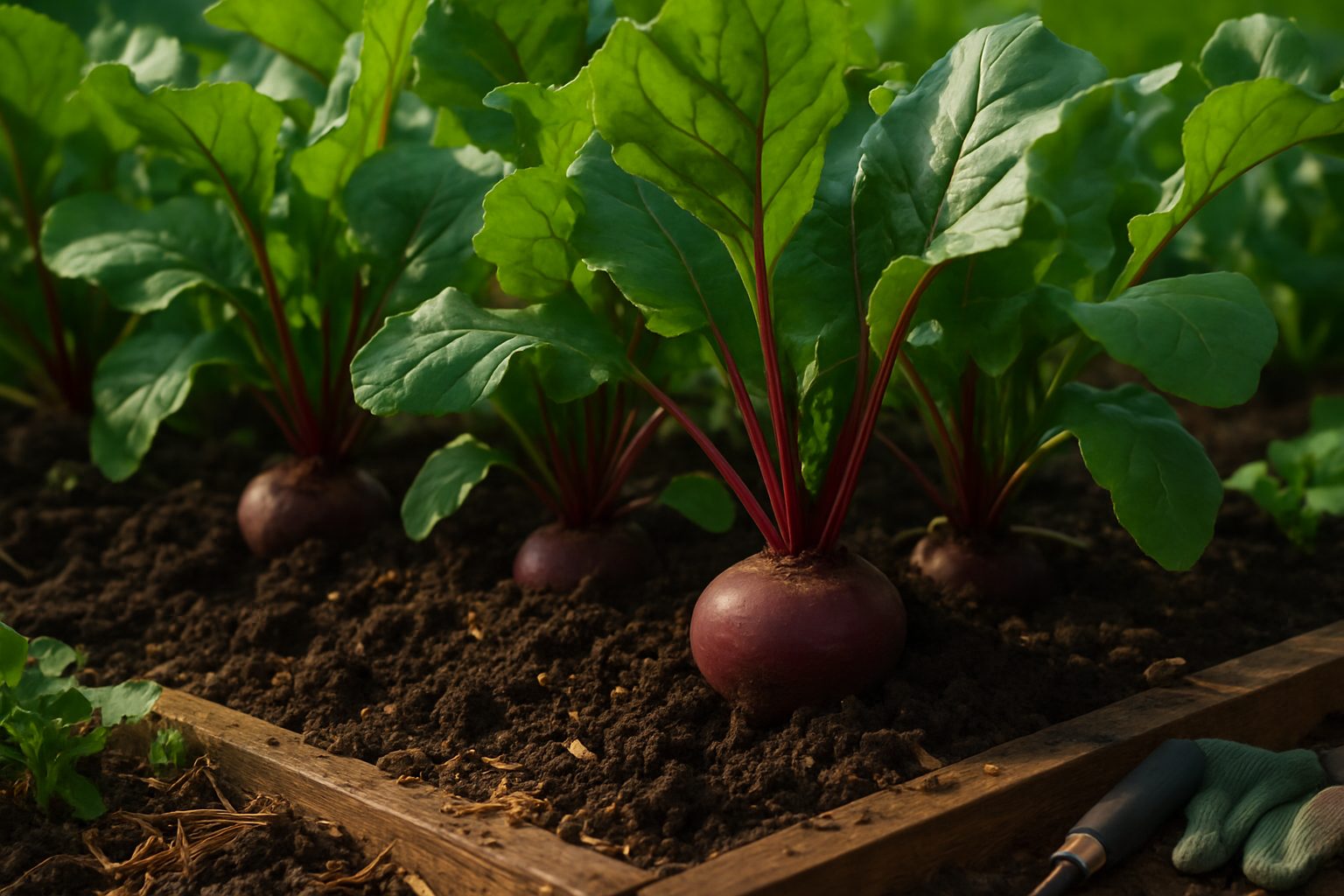
Introduction
Cracked beets can be frustrating for home gardeners who love growing their own fresh, vibrant root vegetables. Beetroot is prized not only for its earthy flavor and nutritional benefits but also for its versatility in salads, soups, and juices. However, when beetroot cracks or splits in the ground, it loses more than just its visual appeal—the damaged roots are also more prone to spoilage and don’t store well, which impacts the overall quality of your harvest and your kitchen plans.
If you’ve harvested a batch only to find splits running through your beets, you’re not alone; this issue is surprisingly common but preventable. In this article, we’ll explore the main causes of cracked beets, from erratic watering to rapid growth spurts. We’ll also share practical tips on how to prevent this problem, recognize early signs, and handle splitting if it occurs in your crop. Whether you’re a seasoned gardener or just getting started, understanding these factors will help you enjoy a more consistent and rewarding beet harvest this season.
Understanding Why Beet Roots Crack or Split
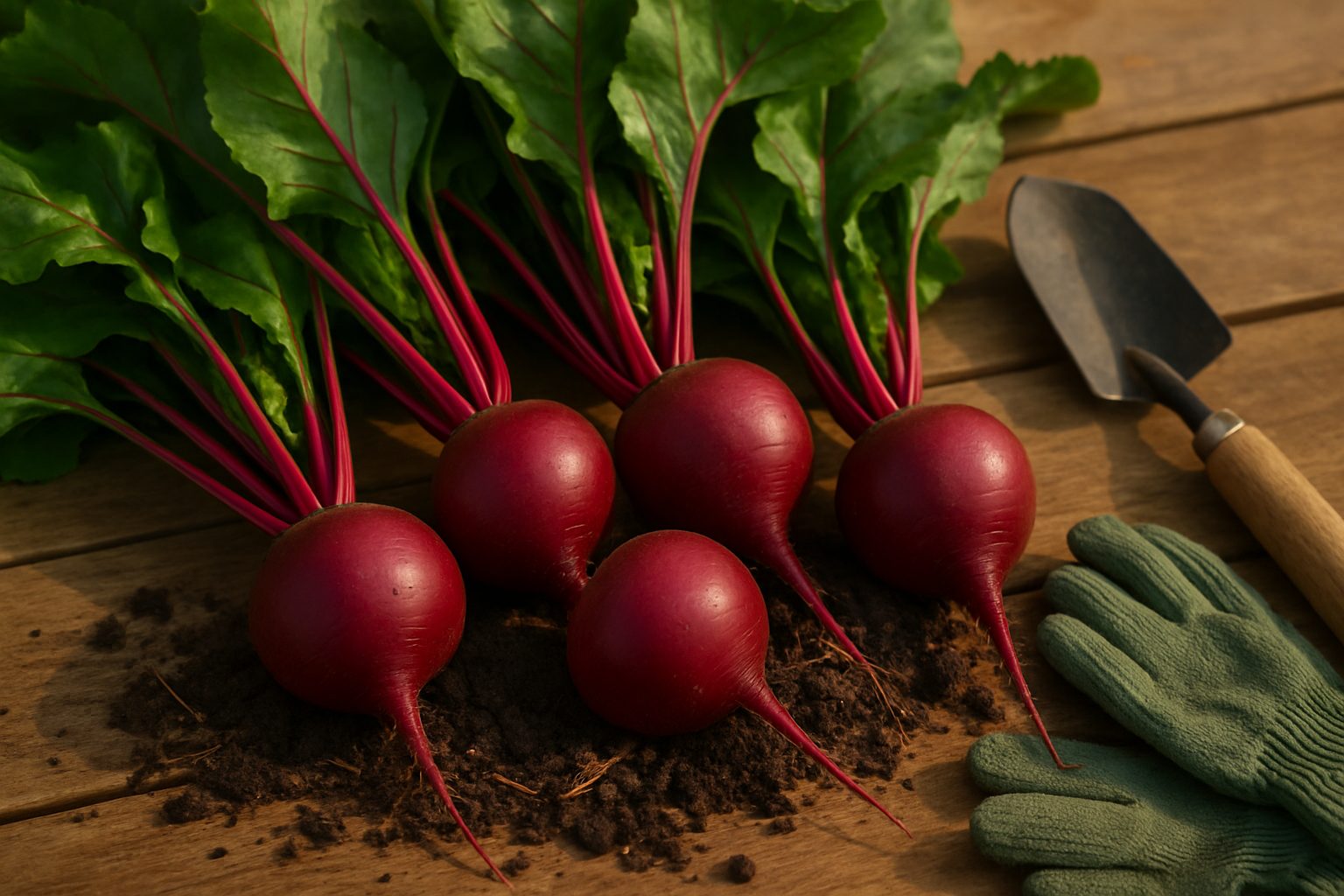
Cracked beets are a common frustration for many home gardeners, but understanding why beetroot cracking or splitting happens can help you grow healthier, more attractive roots. The main cause is environmental stress, especially fluctuations in soil moisture. When beets go through a dry spell—where the soil is parched and root growth slows—followed by a sudden surge of water from rainfall or irrigation, the roots absorb moisture rapidly. This causes the beet’s interior to expand faster than the outer skin can stretch, leading to splits and cracks.
These growth spurts can occur not only due to drought and heavy rain but also from inconsistent or patchy watering—like skipping days and then flooding the soil to catch up. Even a heavy hand with the hose after forgetting to water can set the stage for cracking. Cracks are a symptom of moisture management problems, not a sign of disease or pest attack.
It’s important to note that cracked beets can affect all varieties—whether you’re growing classic red, golden, or specialty beets. Larger, more mature roots are especially prone to cracking because their skins tend to be tougher and less flexible than smaller, younger ones. Environmental factors such as compacted soil or overcrowding also contribute, since tightly packed roots compete for uneven moisture, increasing stress. Physiological stresses don’t end with water changes; rapid temperature shifts, especially hot days followed by cool nights, can trigger uneven, rapid growth underground.
While cracks might not look appealing, cracked beets are still edible and safe to eat—the quality of the flesh inside usually remains unaffected. Understanding that cracking results from environmental and physiological causes, rather than infections, is key to preventing it in future crops. Beets thrive on consistency—provide a steady supply of moisture, plant at recommended spacings, and mulch to help stabilize soil moisture. By taking these proactive steps, you’ll greatly reduce the frustration of cracked roots come harvest time.
Key Causes of Beetroot Cracking
Cracked beets often result from a combination of environmental and cultural factors. One of the main causes is erratic watering—when soil moisture fluctuates dramatically, beetroots swell quickly, and their skins can’t stretch fast enough, leading to cracks. Sudden heavy rainfall after a dry spell can have the same effect, saturating the soil and causing beets to absorb water too rapidly.
Soil compaction is another important factor; tightly packed soil restricts root growth and limits even water absorption, making splitting more likely when roots finally access moisture. Alongside these common issues, over-fertilization can also contribute. Excess nitrogen, for example, can cause beets to grow so quickly that their skin splits under pressure.
Poor spacing between plants is another often overlooked cause. Crowded beets compete for water and nutrients, increasing the chance of uneven growth and cracking. Late harvesting makes this worse, as mature beetroots become more prone to splitting—especially if they’ve already experienced irregular watering or sudden growth spurts.
Timing matters, too: beetroots are most vulnerable to cracking during active growth periods when their cells are rapidly expanding. Some beet varieties are naturally more susceptible to splitting, so choosing crack-resistant cultivars like ‘Detroit Dark Red’ or ‘Cylindra’ can help reduce losses.
To minimize the risk of cracked beets, keep soil consistently moist but not soggy, use light mulch to stabilize moisture, thin your rows adequately, and harvest promptly when roots reach their ideal size. With a little attention to these details, you can keep your beet crop smooth and unblemished.
How to Prevent Beetroot Splitting
Preventing cracked beets starts with understanding that sudden changes in soil moisture are the main cause of beetroot splitting. The best way to avoid this is by maintaining consistent irrigation throughout the growing season. Instead of letting the soil dry out completely and then watering heavily, aim to water your beets regularly to keep the soil evenly moist. Installing soaker hoses or drip irrigation can automate this process and help maintain stable moisture levels.
mulching around beet plants with organic materials such as straw, grass clippings, or shredded leaves is another excellent strategy. Mulch not only retains soil moisture but also helps regulate soil temperature and suppresses weeds that compete for water. If you’ve experienced beets splitting after heavy rains, mulch can cushion the impact and slow water absorption, preventing sudden moisture surges.
Implementing gradual moisture changes is equally important. For instance, when a dry spell is followed by heavy rain, splitting becomes more likely. To prevent this, water your garden during dry periods, even if it means hauling out the hose, so plants aren’t shocked by a sudden downpour. Pay close attention to soil quality as well: beets thrive in well-draining, loose soil. Consider adding compost or well-rotted manure at planting time. For clay-rich or compacted soils, incorporate sand or perlite to improve drainage and soil structure, allowing beet roots to expand without stress cracks.
Finally, some beet varieties are bred to resist splitting better than others. When shopping for seeds, look for varieties labeled “split-resistant” or those selected for uniform roots—these tend to handle variable conditions more effectively. By combining these gardening practices—consistent watering, mulching, gradual moisture management, soil amendments, and careful variety selection—you’ll greatly reduce the chances of harvesting cracked beets.
Detecting Cracked Beet Roots Early
Catching cracked beets early is key to salvaging your crop and preventing bigger problems. Start by visually inspecting your beets above the soil surface every week, especially as the roots begin to swell. Look for beet shoulders peeking out of the ground with any unusual lines, splits, or gaping spots—these are often the first visible signs.
For a more thorough check, gently brush away some soil around the upper part of the beets to reveal cracks that might be hiding just below the surface. Avoid pulling up beets unless you’re ready to harvest, but gently prod them to feel for any unusual give or softness, which can indicate existing splits.
Begin these checks once your beets reach about two-thirds of their mature size, and continue until harvest. Pay extra attention after heavy rains or uneven watering, as rapid moisture changes are the primary cause of cracking.
Be alert for warning signs that cracked beets may have attracted pests or diseases—such as dark stains, slimy spots, or tiny holes clustered around splits. Early detection not only helps reduce spoilage but also allows you to address any secondary infections or infestations before they spread.
What to Do If Your Beets Have Cracked
If you find cracked beets in your garden or after harvest, don’t worry—there are plenty of ways to handle them effectively. First, it’s important to harvest beets promptly once you notice cracking, as split beets are more vulnerable to disease and decay. Gently lift them from the soil, especially after rain or heavy watering, since excess moisture can worsen the cracks.
After harvesting, sort your beets by separating the cracked ones from the healthy, intact beets. Cracked beets tend to spoil faster, so keeping them apart helps prevent the spread of rot or mold during storage. Be sure to trim off any damaged or softened areas before storing. A light rinse followed by thorough drying also helps maintain their quality.
For storage, place healthy beets in a cool, well-ventilated area, but try to use the cracked beets quickly—ideally within a few days. Instead of throwing away damaged beets, get creative in the kitchen! Cracked beets work perfectly in recipes where texture isn’t crucial. Roast them for soups or mashes, toss them into stews, or shred them for beet burgers. They’re also excellent for juicing or pickling; cooking eliminates any risk of contamination and lets you enjoy their sweet, earthy flavor despite their imperfections.
By following these steps, you’ll reduce waste and make the most of every beet you’ve grown or bought, turning cracked beets from a gardening mishap into a delicious opportunity.
Summary & Additional Tips for Preventing Cracked Beets
To prevent cracked beets, focus on consistent watering—avoid letting the soil shift from dry to soggy, as sudden moisture changes are the main cause of splitting. Mulch your beet bed to help retain even soil moisture and protect the developing roots. Harvest beets promptly once they reach mature size, since oversized or overripe beets are more likely to crack.
If you notice recurring splitting issues, check if you’re sowing seeds too densely, as overcrowding can stress the roots. Test your soil’s drainage and make amendments if water tends to pool or drain too slowly. Consider investing in a simple soil moisture meter for quick checks, especially during heatwaves or rainy spells.
Keep track of weather patterns each year and adjust your watering schedule or planting dates accordingly—gardening journals can help you spot trends. By monitoring these conditions and tweaking your techniques, you’ll grow healthier, crack-free beets season after season.