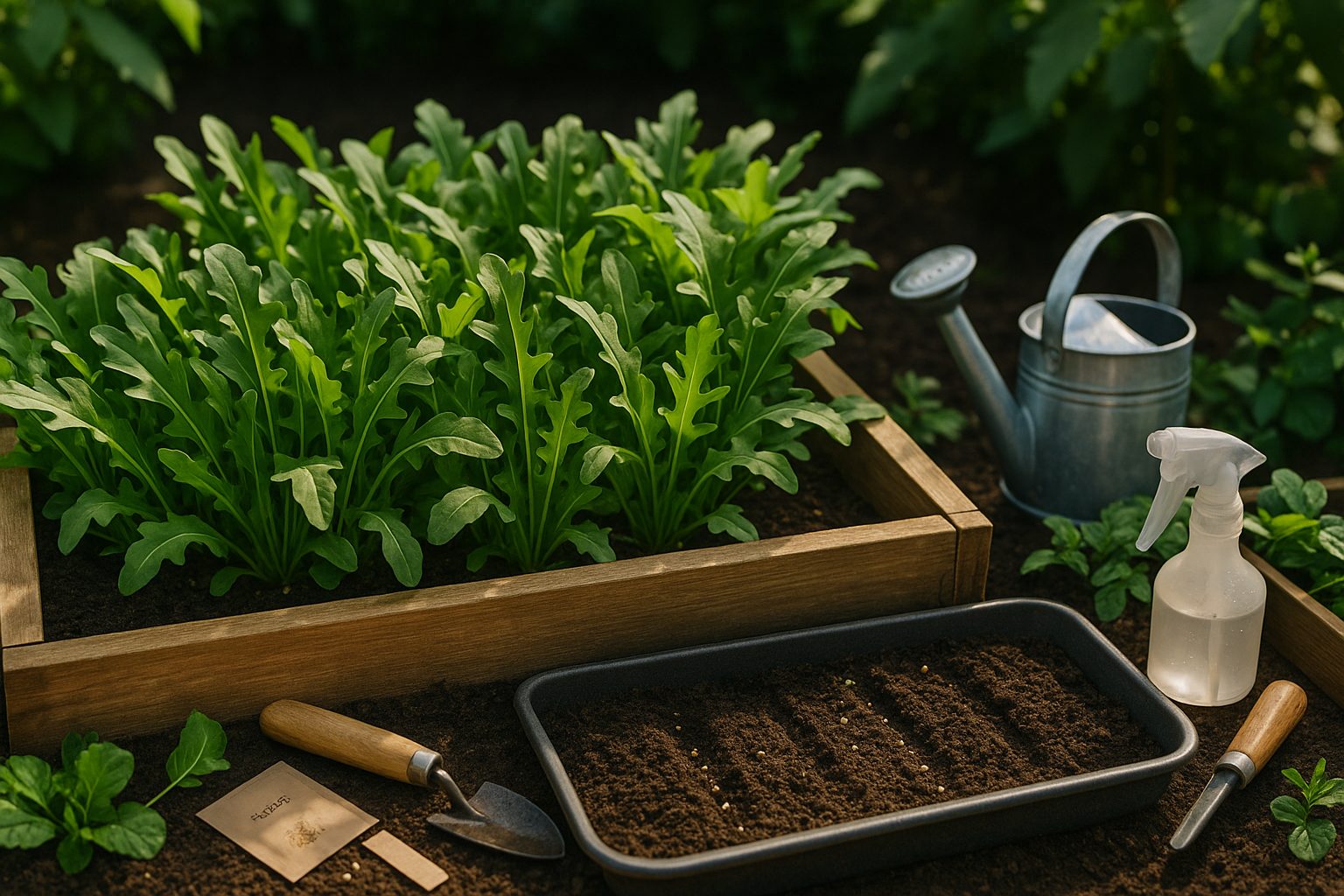
Introduction to Arugula
If you’ve ever wondered whether you can regrow arugula after cutting, you’re not alone. Arugula, with its signature peppery flavor and crisp bite, has quickly become a star among leafy greens for home gardeners and cooks alike. Its zesty profile makes every salad pop, adds flair to sandwiches, and even livens up simple pasta dishes. But beyond its vibrant taste, arugula earns praise for how rewarding it is to grow at home. It’s fast-growing—you could go from seed to first harvest in just a few weeks—and it thrives in small spaces, making it perfect for windowsill pots, small raised beds, or tucked in between other vegetables.
Thanks to its ease of cultivation, arugula regularly features in kitchen gardens for those seeking quick, repeated harvests of fresh greens without a fuss. Even if you’re limited on space or new to gardening, you’ll find arugula forgiving and highly productive. Its shallow roots and compact growth habit allow you to sow it densely or fit it into gaps in your garden. Armed with some basic care tips and a few real-world tricks, like succession planting or regrowing from cuttings, you’ll keep your salad bowl full week after week.
In this guide, we’ll explore everything you need to know to regrow arugula successfully—from simple sowing methods and optimal growing conditions to harvesting techniques and clever ways to enjoy your crop in the kitchen. Get ready to make arugula a staple in both your garden and your daily meals!
Choosing the Right Time and Place to Grow Arugula
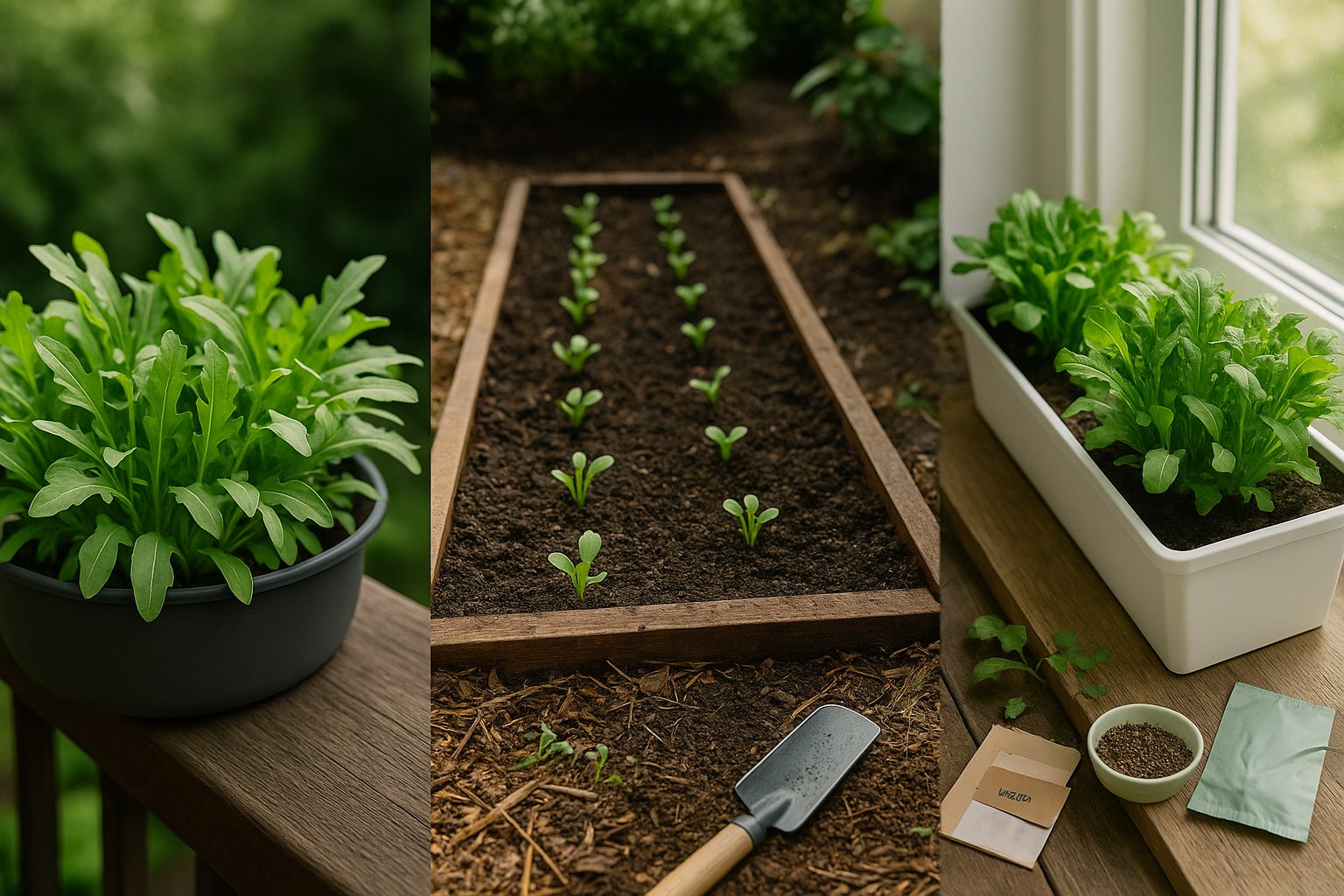
Arugula thrives in cool temperatures, making early spring and fall the best seasons for planting. Unlike heat-loving crops, arugula tends to bolt and turn bitter when exposed to intense summer heat, so timing your sowing is crucial. Aim to plant seeds as soon as the soil can be worked in spring, or about four to six weeks before your area’s first expected fall frost.
When it comes to light, arugula is quite flexible. While it does best with at least four hours of sunlight daily, it also handles partial shade—especially in hotter regions where a bit of afternoon relief helps keep the leaves tender. This versatility means you can grow arugula in a variety of spots:
- Traditional in-ground garden beds
- Raised beds for easy access and better drainage
- Roomy containers on patios
- Indoors on a sunny windowsill
Its compact roots don’t require deep soil, just steady moisture and decent drainage. Arugula adapts well to many climates, thriving in USDA zones 3 through 11, and is a favorite among gardeners looking for quick, successive harvests—its fast-growing nature makes it ideal if you want fresh greens in as little as 3–5 weeks.
In warmer zones, consider planting in fall or early spring and offering afternoon shade, while in cooler regions, you can extend your growing season with simple cold frames or row covers. No matter where you grow arugula, keeping an eye on temperature shifts and providing the right light will reward you with peppery, flavorful leaves throughout much of the gardening year.
Planting Arugula: Seeds, Soil, and Setup
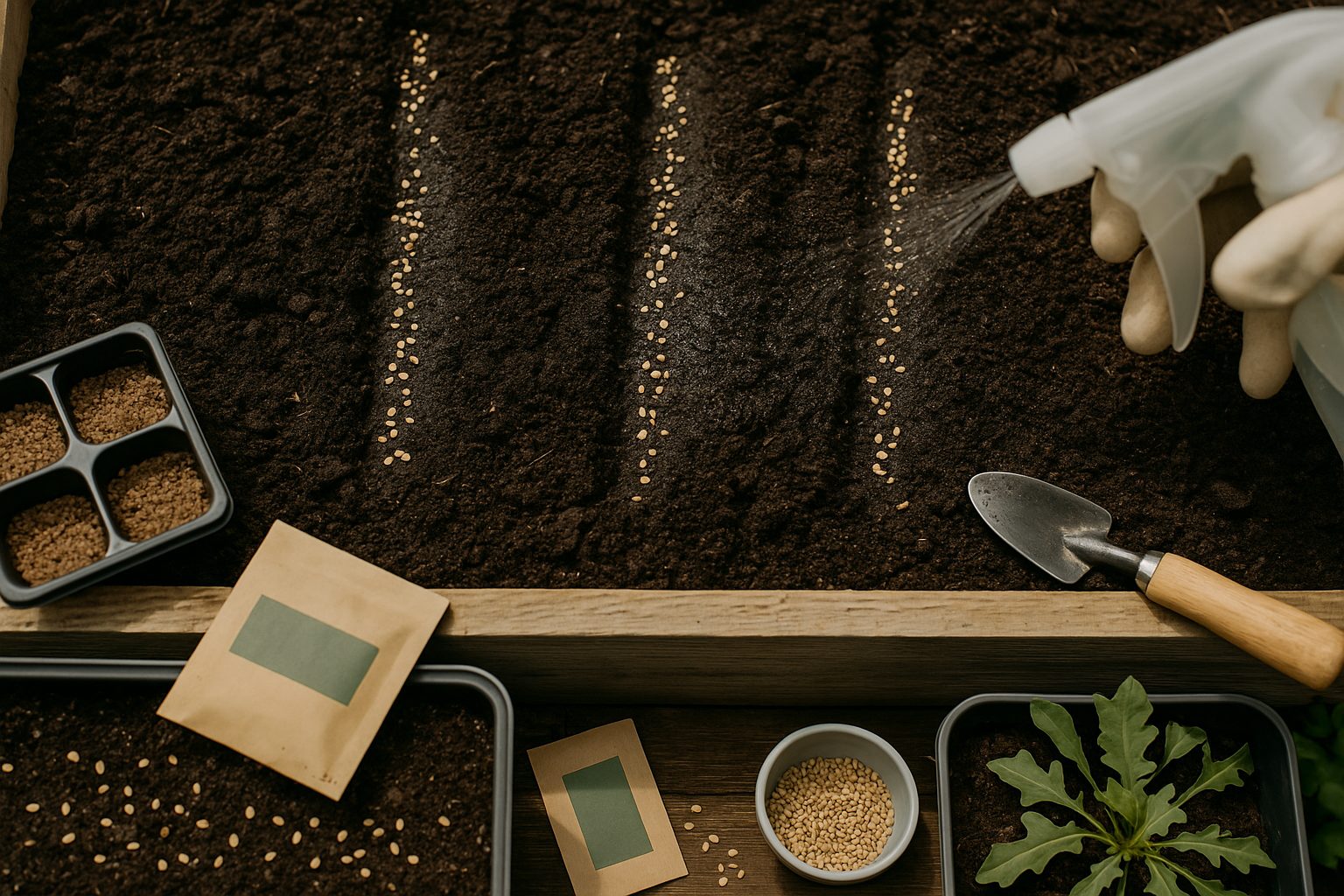
Starting arugula from seed is a simple process that offers flexibility, no matter your gardening space. Whether you have garden beds or containers outdoors, arugula can be direct sown as soon as the soil is workable in early spring, since it thrives in cooler temperatures.
For earlier harvests, start seeds indoors about three to four weeks before your last expected frost, using seed trays and a light, well-draining seed-starting mix. Arugula needs soil that is moderately fertile and drains well; aim for a soil pH between 6.0 and 7.0 for the best growth. Adding compost can help boost both fertility and drainage if your soil is heavy.
To plant, sprinkle seeds thinly in rows about 6 inches apart, and cover them with a shallow layer of soil, no deeper than ¼ inch. Since arugula seeds are small and need light to germinate, keeping the soil surface shallow is key. Keep the soil consistently moist but not waterlogged—a fine mist from a spray bottle works great for delicate seeds and seedlings.
Once seedlings emerge and have a few true leaves, thin them to about 4 inches apart to allow for healthy leaf development. For a continuous crop, use succession planting: sow a new patch every two to three weeks until the weather gets too hot, as arugula tends to bolt and turn bitter in the heat.
If you’re just getting started, look for beginner-friendly cultivated varieties like Astro or Rocket, which offer quick growth and a mild, peppery flavor. Wild arugula varieties, such as Diplotaxis, are slower-growing and have a spicier, more robust taste, but can be more challenging for beginners due to their longer germination time and stronger flavor.
Cultivated types are generally better for those new to growing leafy greens, while wild arugula can be fun to try once you have some experience.
Caring for Arugula Plants and Troubleshooting Issues
Caring for arugula plants starts with smart watering—keep the soil evenly moist but not soggy, as arugula roots dislike sitting in water. Overwatering can cause root rot or invite fungal problems. Water at the base of the plant in the early morning so the leaves can dry quickly, lowering the risk of disease.
To help your arugula grow strong and tasty leaves, mix a balanced, organic fertilizer into the soil before planting, or use a diluted liquid fertilizer every few weeks. Adding a two-inch layer of straw or shredded leaves as mulch is a game-changer; it maintains moisture, keeps roots cooler, and suppresses weeds that compete for nutrients.
Dealing with Pests and Diseases
Keep an eye out for common pests like flea beetles, which can riddled leaves with small holes. Use row covers as a physical barrier, and try spraying neem oil or introducing beneficial insects like ladybugs for natural control.
For disease prevention, always provide good air circulation, water early in the day, and avoid overhead irrigation. If you spot yellowing leaves or mildew, remove the affected parts quickly and switch to watering only at the soil level.
Encouraging Healthy Growth
To keep your arugula bushy and productive, pinch off flower buds as soon as they appear—this prevents the plant from bolting and encourages more leafy growth. Regularly harvesting the outer leaves also stimulates new shoots and extends your harvest season.
With these simple care steps and troubleshooting tips, you’ll keep your arugula patch healthy, happy, and ready for fresh salads all season long.
Harvesting Arugula for Best Flavor and Continued Growth
To harvest arugula for the best flavor and keep your plants producing, timing and technique are everything. For the most tender, milder taste, start picking baby leaves when they reach about 2-3 inches long—just snip them off individually with scissors or gently pinch them with your fingers, leaving the center growth intact.
If you prefer a spicier kick, allow leaves to mature a bit longer, up to 6 inches, but don’t wait too long; mature leaves can become tough and bitter.
The best method to encourage regrowth is the “cut-and-come-again” approach: use scissors to trim outer leaves about an inch above the soil while keeping the plant’s center untouched. This allows the inner leaves to keep growing and gives you multiple harvests from each plant throughout the season.
Keep an eye out for signs of bolting—when arugula sends up a tall flower stalk and leaves thin out—which usually happens as the weather warms up. Bolting plants develop a sharply bitter flavor, but you can let a few go to flower for pollinator support or edible blossoms. The small white or yellow flowers add a zesty touch to salads.
Once the flowers fade, seed pods will form; let them dry on the plant, then collect the dry pods and gently crush them to release seeds. Store collected seeds in a cool, dry place in a labeled envelope for next season’s planting.
Regular harvesting and monitoring for bolting help extend your arugula’s productivity and give you fresh greens for weeks.
Growing Arugula in Containers and Small Spaces
Growing arugula in containers is a fantastic way to enjoy fresh, peppery greens even if you have limited space. Choose a pot or window box that is at least 6 to 8 inches deep and wide enough to space several plants a few inches apart. Make sure your container has drainage holes to prevent soggy roots.
Use a quality potting mix rich in organic matter; avoid heavy garden soil since it compacts and drains poorly in pots. Place your container where it receives at least 4 to 6 hours of sunlight daily—a sunny balcony or windowsill works perfectly.
Arugula prefers consistently moist soil, so water when the top inch feels dry. However, avoid overwatering, as this can lead to root rot. If a heatwave hits or your space becomes extra sunny, consider moving your container to partial shade to prevent arugula from bolting (flowering early).
For continuous harvests, sow new seeds every 2–3 weeks. If you’re short on space or want year-round greens, try growing arugula microgreens indoors. Scatter seeds thickly over a shallow tray filled with seed-starting mix, mist to keep moist, and harvest with scissors when the leaves are 2 to 3 inches tall—perfect for topping salads and sandwiches.
With these simple steps and a bit of attention, you can enjoy fresh arugula from any small space.
Enjoying Your Harvest: Storage, Cooking Ideas, and Nutritional Benefits
After harvesting arugula, handle it gently to preserve its crispness and bright flavor. Start by rinsing the leaves thoroughly under cool running water to remove any lingering soil or garden debris. Gently spin the arugula dry in a salad spinner or pat it dry with a clean kitchen towel—excess moisture can lead to wilting.
Store the leaves wrapped in a paper towel inside a breathable bag or container, then place it in your fridge’s crisper drawer. This method keeps arugula fresh and vibrant for up to a week.
Nutritional Benefits
Beyond its peppery taste, arugula is a nutritional powerhouse—rich in vitamins A, C, and K, plus important minerals like calcium and potassium. It’s also packed with antioxidants that help protect your body from cell damage, making it a smart, healthy choice for daily meals.
Cooking Ideas
Enjoy arugula’s versatile flavor in many ways:
- A classic salad tossed with lemon and olive oil
- Sprinkled atop freshly baked pizza for a zesty kick
- Pulsed into a bright pesto
- Layered with cheese and tomatoes in sandwiches
- Scattered over cooked dishes as an easy, nutritious garnish
Homegrown arugula stands out for its incredible freshness and boldness compared to store-bought greens, so take a moment to savor its taste in every bite. As you trim leaves, new ones will continue to grow, offering an ongoing harvest—another reason to enjoy arugula’s steady presence in your garden and kitchen all season long.