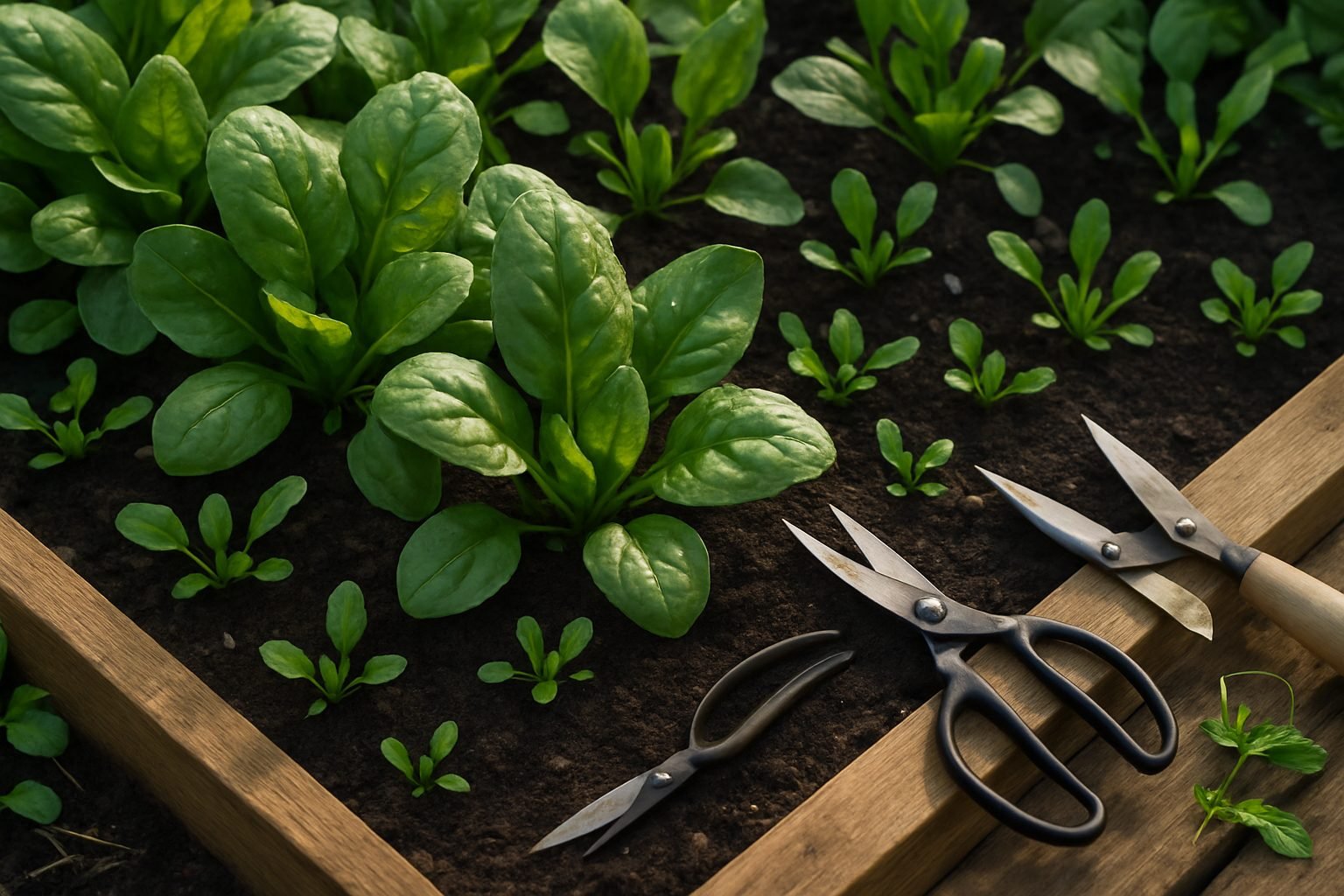
When and How to Harvest Spinach
Harvesting spinach at the right time is key to enjoying a steady supply of crisp, flavorful greens from your garden. Knowing when and how to start harvesting spinach without killing the plant not only extends your harvest but also keeps the plants healthy and thriving.
You’ll know your spinach is ready when the leaves reach about three to four inches long—big enough to eat, but still tender. Typically, spinach matures about 37–45 days after planting, but checking the leaf size is your surest indicator. Spring and early fall are optimal seasons for harvesting, as spinach prefers cooler temperatures.
For the best flavor and shelf life, pick spinach leaves early in the morning when they’re full of moisture and before the sun gets too intense. Avoid harvesting after heavy rains, as wet leaves can promote disease.
How to Harvest Spinach
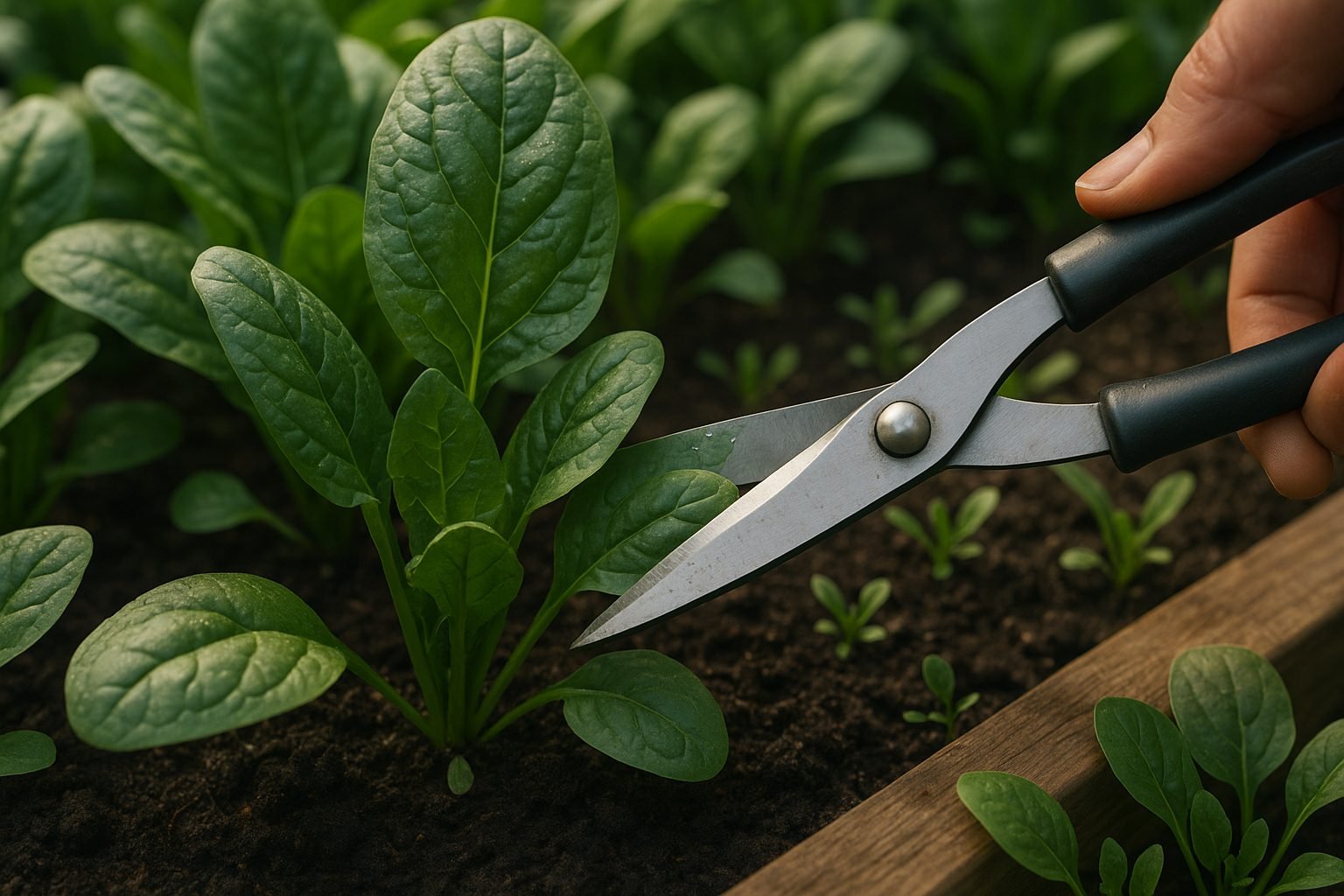
When it comes to the process, opt for picking the outer leaves first rather than cutting the entire plant at the base. Pinch or snip off individual mature leaves with clean scissors or garden shears, leaving the central growth undisturbed—this helps the plant continue producing for weeks.
If you’re after a bigger harvest, use a sharp knife to cut off the top third of the plant, but be sure to leave at least a third of the leaves behind so the plant has enough energy to regrow. Always avoid yanking or tearing leaves, as this can damage the stems and invite disease.
By following these simple steps, you’ll be able to keep your spinach plants healthy and productive well into the season, enjoying fresh leaves for salads, sautés, and more.
Storing Fresh Spinach for Maximum Freshness
To keep fresh spinach at its crispest, start by handling it gently right after harvesting or buying. First, sort through the leaves and remove any that are wilted or damaged—this prevents one bad leaf from spoiling the rest.
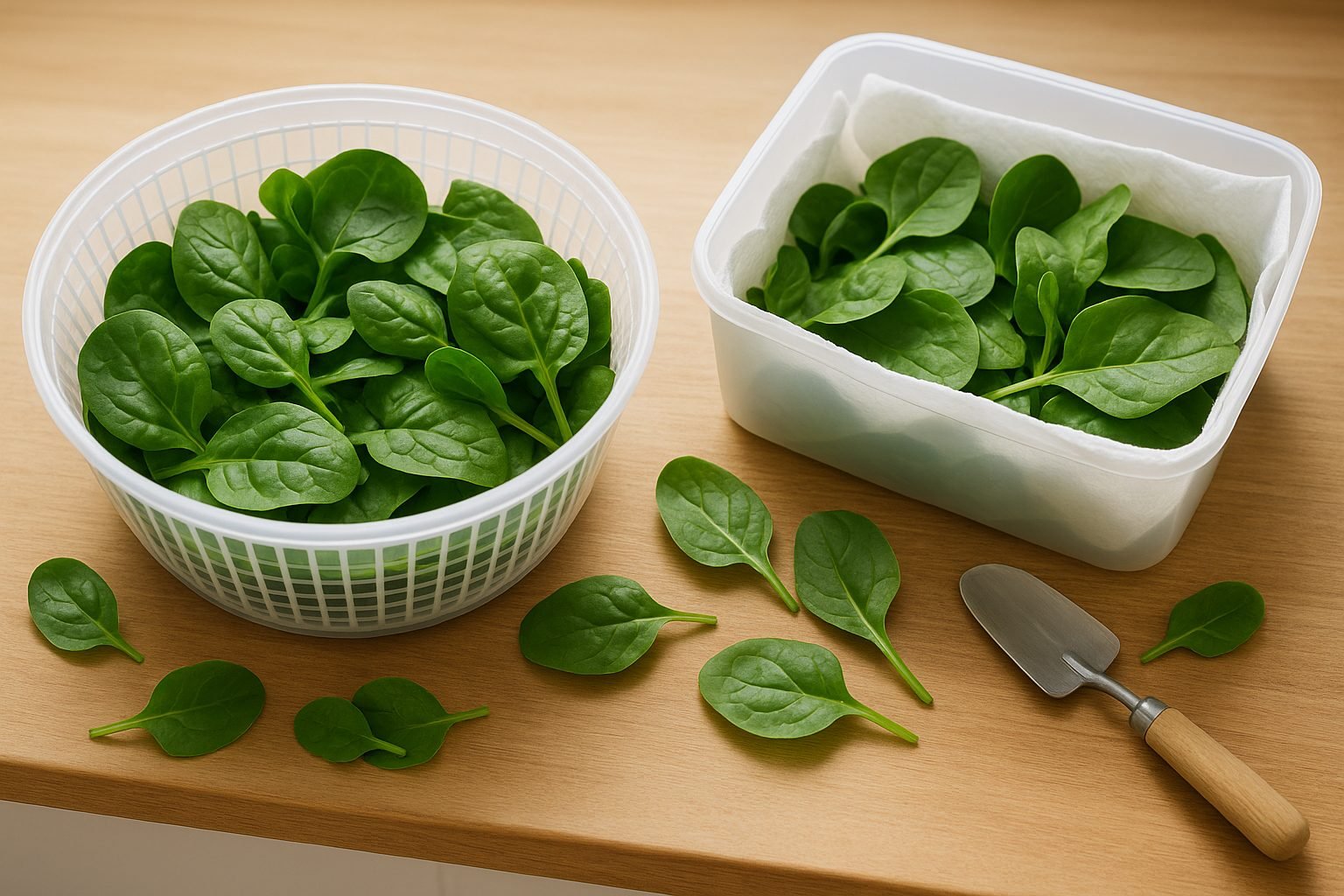
Next, rinse the spinach in cold water to remove dirt and lingering pesticides; a salad spinner works great for this. Be sure to dry the leaves thoroughly, since excess moisture leads to sliminess—pat them with a clean towel or spin until no water remains.
For short-term storage, loosely wrap the dried leaves in paper towels and place them in a breathable container or perforated plastic bag. If you don’t have a special bag, poke a few holes in a regular zip-top to help moisture escape.
Store the container in your refrigerator’s crisper drawer, where cool temperatures and steady humidity keep spinach at its best. Avoid sealing spinach in airtight bags, as trapped moisture can speed up spoilage.
For maximum shelf life, check the leaves every couple of days, discard anything that looks slimy, and replace any damp paper towels. Following these techniques, fresh spinach usually stays tasty and crisp for up to 7-10 days.
If your batch won’t be used quickly, consider blanching and freezing extra leaves to avoid waste and always enjoy vibrant, nutritious greens in your meals.
Preserving Spinach: Freezing, Drying, and More
Preserving spinach goes far beyond simply storing it in the fridge. Freezing is one of the most popular methods—just wash the leaves, blanch them in boiling water for two minutes, then quickly transfer them to an ice bath before draining and storing in freezer-safe containers. The benefit of freezing is that it locks in nutrients and fresh flavor, but it can slightly alter the texture, making the leaves soft when thawed—best for soups, smoothies, or casseroles.
Blanching, which involves briefly boiling the spinach and then cooling it rapidly, is often used before freezing or drying; it helps kill bacteria and retain color and nutrients. However, over-blanching can cause nutrient loss and a mushy texture.
Drying spinach, either using a dehydrator or an oven on low heat, allows you to create shelf-stable spinach flakes or powder that are ideal for adding to soups and sauces. While this method saves space and lasts for months, it can reduce some vitamin content, and the texture will never be the same as fresh.
To maximize nutrient retention, always start with the freshest spinach possible, avoid over-blanching (stick to just 1–2 minutes), and store finished products in airtight containers out of direct sunlight. If you’re freezing, remove as much air from the bags as possible to prevent freezer burn. For drying, keep temperatures low (around 125°F/52°C) and let the spinach dry until it is crisp—not leathery—to keep the flavor vibrant.
With these methods and tips, you can enjoy spinach’s nutrition and taste year-round.
Common Spinach-Growing and Harvesting Problems
Growing and harvesting spinach may seem straightforward, but gardeners often face a few persistent challenges. One common issue is bolting, where spinach plants prematurely grow tall and flower, making the leaves bitter and tough. This usually happens in hot weather, so try planting spinach early in the spring or in partial shade, and keep the soil consistently moist.
Pests like aphids and leaf miners can also cause trouble by leaving holes or twisting leaves. Inspect plants regularly, remove affected leaves, and spray with a mild soapy water solution if needed.
Discolored leaves, such as yellowing or brown spots, often signal nutrient deficiencies or overwatering. Adding balanced fertilizer and ensuring good drainage typically resolves these problems.
When harvesting, pick outer leaves first and leave the center to continue growing. Watch for signs that the plant is past its prime: faded or wilting leaves, a tough texture, and yellow, sour, or slimy appearances all indicate the spinach is no longer fresh and should be composted.
By monitoring conditions, acting quickly on problem signs, and picking at the right time, you’ll keep your spinach patch healthy and flavorful.
Spinach Preparation and Nutrition Tips
Spinach is one of the most versatile leafy greens, making it easy to add to meals whether you have fresh bunches or frozen packs on hand.
For fresh spinach, a quick rinse is all you need before tossing the tender leaves raw into salads—try mixing them with sliced strawberries, walnuts, and a vinaigrette for a colorful, nutrient-packed dish.
If you prefer cooked spinach, lightly steaming or sautéing it in olive oil with a bit of garlic enhances flavor without sacrificing too many nutrients; overcooking can cause vitamin loss, so aim for a just-wilted finish.
Frozen spinach works well in smoothies—blend a handful with banana, almond milk, and a scoop of protein powder for a quick breakfast—or stir into soups and stews.
Nutrition Benefits
Spinach is a powerhouse: it’s loaded with vitamin K, vitamin A, folate, iron, and powerful antioxidants like lutein and zeaxanthin that support eye health.
To help your body absorb its non-heme iron more efficiently, pair spinach with a source of vitamin C, like squeezing lemon juice over cooked greens or adding orange slices to your salad.
Flavor Tips
For even more flavor, sprinkle fresh chopped herbs, a dash of nutmeg, or a little cheese on top when serving.
By mixing up your preparation methods and combining spinach with complementary ingredients, you’ll enjoy both its health benefits and delicious taste all year long.
FAQs About Spinach Harvesting and Storage
Curious about when to harvest spinach? The best time is when the leaves are big enough to eat, usually 4-6 inches long, but before the plant starts to bolt (send up a flower stalk). Young, tender leaves are perfect for salads, while larger ones work great for cooking.
For maximum freshness, harvest in the morning when the leaves are crisp. After picking, wash the spinach gently to remove dirt and dry it thoroughly—excess moisture can cause the leaves to spoil faster.
Storage Tips
- Wrap dry spinach in paper towels and place it in a plastic bag or airtight container in the fridge.
- Fresh spinach usually keeps for 5-7 days when stored this way.
- If you notice slimy, wilted leaves or a sour smell, it’s best to compost them instead of eating.
Food Safety
Always rinse leaves before using, even if the spinach is labeled “pre-washed,” to remove any lingering grit or bacteria.
Freezing Spinach
If you have a bumper crop, freezing is a great option:
- Briefly blanch the leaves in boiling water.
- Cool quickly in ice water.
- Drain thoroughly.
- Freeze in portions.
These steps ensure you enjoy spinach that’s both safe and delicious, whether fresh or stored for later.