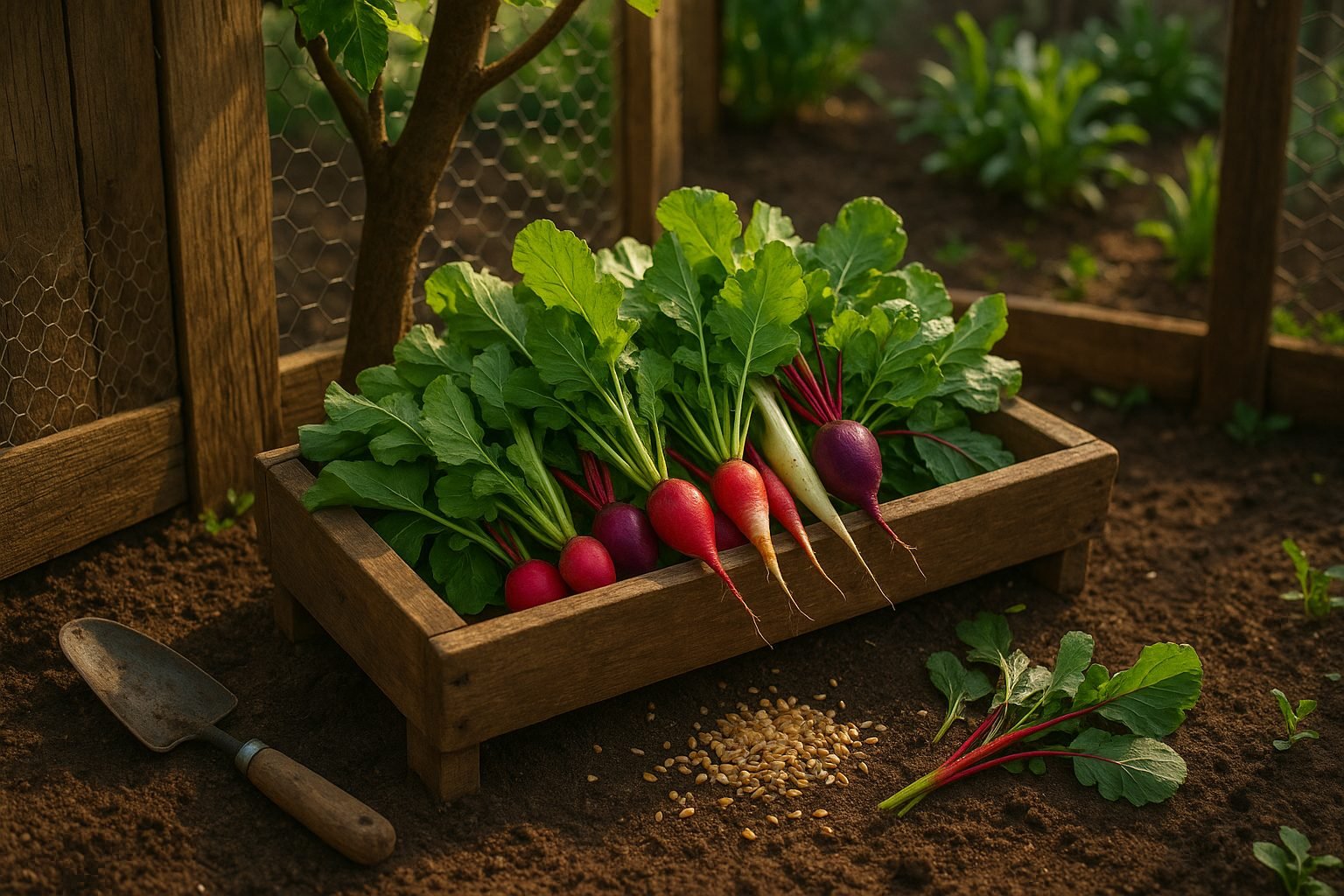
Can Chickens Eat Radish Leaves?
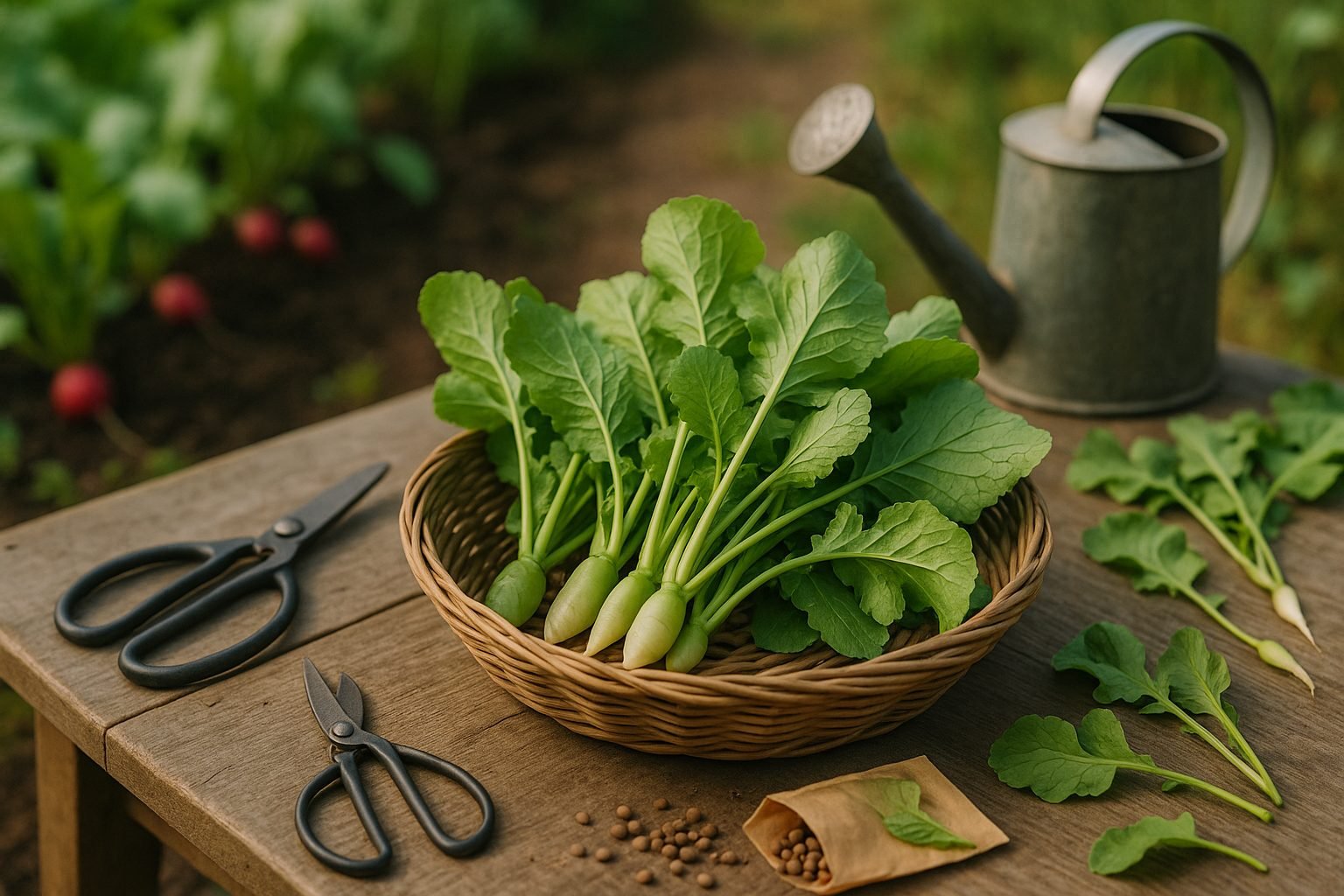
If you’ve ever grown radishes in your garden, you might have wondered if chickens eat radish greens and whether it’s safe for them. The good news is that radish leaves are generally safe for chickens and can be a nutritious addition to their diet. Packed with vitamins like A and C, as well as minerals such as calcium and potassium, radish greens offer a fresh, leafy treat that your hens will likely peck at with enthusiasm. Chickens naturally enjoy a varied diet, and adding new greens keeps them engaged and healthy, just as a rotating menu benefits us.
However, moderation is key. While radish greens are safe, they contain mild compounds called glucosinolates which, in very large quantities, could cause digestive upset. In practice, most backyard flocks won’t consume enough for this to be a problem—especially if radish leaves make up just a small portion of a well-rounded menu. Real-world chicken keepers often rotate treats like garden weeds, vegetable scraps, and leafy greens to prevent overindulging in any single food. If you’re feeding radish leaves for the first time, offer just a handful and observe your flock; most will sample what’s new and then move on when full.
Ultimately, chickens benefit most from dietary variety, and radish greens can play a flavorful part in that. Make sure the leaves are free from pesticides or chemical residues if you’re sourcing them from the garden or store. By combining radish leaves with other greens and grains, you provide your flock with the robust nutrition and mental stimulation that keeps them foraging, scratching, and laying eggs at their best.
Nutritional Value and Health Benefits of Radish Leaves for Chickens
Radish leaves are often overlooked, but they pack a powerful nutritional punch that can benefit your backyard flock in several ways. Rich in vitamin C, radish greens help boost chickens’ immune systems, making them more resilient to common illnesses. Since chickens can’t produce vitamin C on their own, providing fresh greens like radish leaves helps bridge that dietary gap.
These leaves are also a great source of calcium, which is especially important for laying hens. Adequate calcium ensures strong eggshells and prevents issues like soft-shelled eggs, which can signal a deficiency. Additionally, the fiber in radish leaves aids digestion and keeps your chickens’ gut healthy, supporting better absorption of nutrients from all their food.
How Radish Leaves Compare to Other Leafy Greens
Compared to popular leafy greens like spinach or lettuce, radish leaves hold their own:
- Spinach is notorious for its high oxalic acid content, which can interfere with calcium absorption.
- Lettuce often lacks the dense nutrition chickens need.
- Radish greens offer a safer balance, delivering vitamins like A and K, plus essential minerals, without these drawbacks.
Feeding Tips
To get the most out of radish leaves, offer them fresh and chopped, mixing them into your chickens’ daily greens to add variety and prevent boredom. Just remember to introduce new foods gradually and always balance treats with a core diet of quality layer feed.
By adding radish leaves to their routine, you’ll support strong egg production, healthy feathers, and happy, active chickens.
How to Safely Prepare and Serve Radish Leaves to Chickens
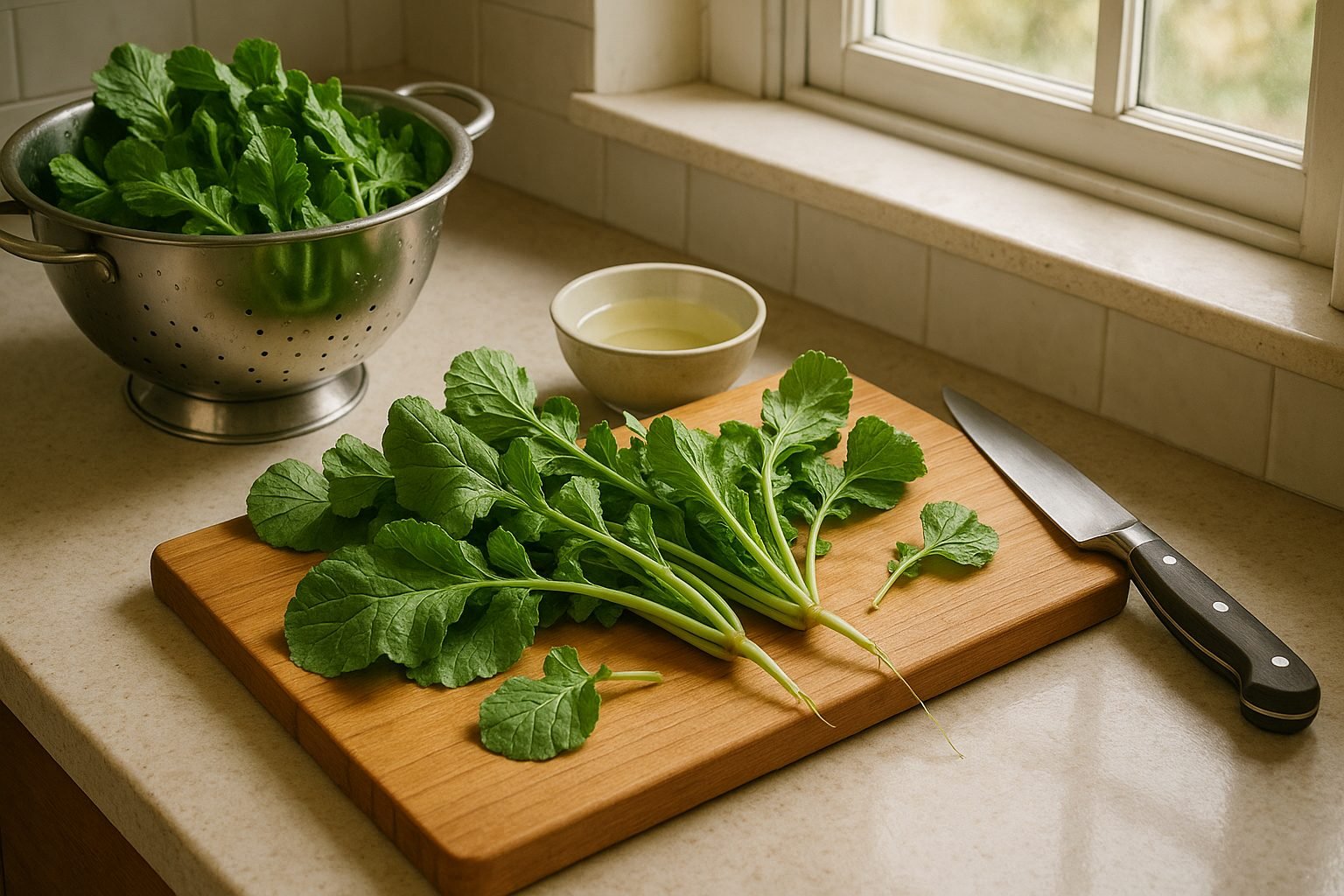
Before offering radish leaves to your chickens, always start by washing them thoroughly under cool, running water. This helps remove dirt, pesticides, and any residual chemicals that could harm your flock. For an extra layer of cleanliness—especially if the radish leaves come from a non-organic source—you can briefly soak them in a bowl of water with a splash of white vinegar, then rinse again to ensure all residues are gone.
Once clean, pat the leaves dry and chop them into manageable bite-sized pieces, ideally about an inch wide, to prevent choking and encourage easy pecking.
When it comes to serving, radish leaves can be offered both raw and cooked. Raw leaves retain all their nutrients and chickens generally enjoy their crunchy texture; however, they can be a bit tough or spicy, which some birds might not like. Cooking the leaves—even just a quick steam or blanch—softens their texture and makes them milder, but it can also lower certain heat-sensitive vitamins.
To find out what your flock prefers, you can try offering a small batch both ways and watch their response.
No matter how they’re served, introduce radish leaves gradually by mixing a few pieces into their regular greens or scratch grains, then slowly increasing the portion over several days. This gives their digestive systems time to adjust and allows you to watch for any signs of digestive upset, such as loose droppings or reduced appetite.
If you notice any adverse effects, pause and consult with a poultry-savvy vet before continuing.
Remember not to overdo it—radish leaves should be a treat or supplementary green, not a replacement for your chickens’ balanced feed. By following these simple steps, you’ll add variety and valuable nutrients to your flock’s diet in a safe and enjoyable way.
How Often and How Much Radish Leaves Should Chickens Eat?
Radish leaves can be a nutritious, occasional treat for your flock, but moderation is key. Ideally, chickens should have radish leaves only two to three times per week, with each serving making up no more than 5–10% of their daily food intake. Think of it as a small handful of chopped leaves per five hens.
Use radish leaves to supplement, not replace, their complete feed, which provides the balanced nutrition they need. Pair radish leaves with a variety of other safe vegetables, fruits, and plenty of clean water, always prioritizing high-quality layer pellets or crumbles as the main staple.
Be observant for warning signs that your chickens are overindulging in radish leaves, such as loose droppings, reduced appetite for regular feed, or any obvious digestive upset. Too many radish leaves can lead to an excess of oxalic acid, which may interfere with calcium absorption and affect eggshell quality.
To keep things safe and healthy, rotate radish leaves with other treats like leafy greens or chopped carrots, and always remove any uneaten scraps after a few hours to prevent spoilage. Watching your flock as they eat is your best clue—happy, energetic hens with bright eyes and consistent laying habits mean you’re striking the right balance.
Potential Risks and Things to Avoid
While radish leaves can be a healthy treat for many pets, it’s important to be aware of a few potential risks. Radish leaves contain oxalates, naturally occurring compounds that, in high amounts, can interfere with calcium absorption and may contribute to kidney stones or other health problems, especially in small animals like rabbits or guinea pigs.
Overfeeding radish leaves or making them a staple instead of an occasional addition can upset your pet’s dietary balance and lead to digestive upset, diarrhea, or longer-term nutritional deficiencies.
Always inspect the leaves carefully before feeding—wilted, moldy, or slimy radish greens can harbor harmful bacteria or toxins, causing stomach aches or even serious illness. Likewise, leaves from radishes treated with pesticides or other chemicals should be strictly avoided, as residues can be toxic to pets.
To minimize risks, wash all radish leaves thoroughly, offer them in moderation, and rotate them with other safe greens to ensure a varied, balanced diet. If you’re ever in doubt, consult your veterinarian before introducing a new food, especially for pets with known health sensitivities or conditions. Making small, gradual changes to your pet’s diet will help monitor for any signs of intolerance and support overall well-being.
Other Safe & Unsafe Vegetables for Chickens
When it comes to feeding chickens, leafy greens like kale, romaine lettuce, Swiss chard, and spinach are safe and packed with nutrients that boost their immune systems and improve egg quality. Other great veggie options include broccoli, zucchini, peas, chopped carrots, cucumber, and pumpkin. These add variety and encourage natural foraging behaviors. You can offer these veggies raw or lightly steamed—just be sure to cut larger pieces into bite-sized chunks.
However, several common garden vegetables are definite no-gos for chickens. Avoid feeding them raw potato peels and green potatoes, as these contain solanine, a toxic compound. Tomatoes, pepper plants, eggplants, and their leaves also belong to the nightshade family and pose similar risks when unripe or green. Onions and garlic can alter the flavor of eggs and, in large amounts, may cause anemia, while rhubarb leaves are highly poisonous due to their oxalic acid content.
As a general rule, feed chickens vegetables that are also safe for human consumption (excluding raw potatoes and onions), and stay away from anything with mold or rot. When introducing new veggies, do so gradually and watch for any signs of distress. Fresh, pesticide-free produce is always best. Remember, treats should make up no more than 10% of their diet—quality layer feed should remain their primary food source for balanced nutrition.
Quick Recap and Practical Tips for Chicken Owners
Feeding radish leaves to chickens can be a healthy addition to their diet, but there are some important guidelines to keep in mind. Radish leaves are packed with vitamins and minerals, making them a nutritious treat when served in moderation. However, they should never replace the bulk of your flock’s food, as chickens require a balanced diet that includes quality layer feed for optimal health and egg production.
To safely introduce radish leaves, start by offering a small handful mixed in with other greens or scraps. Always ensure the leaves are washed and free from pesticides or chemicals. Chop the leaves into manageable pieces to prevent choking, especially for younger chickens. Monitor your flock after feeding new foods—even healthy treats like radish leaves—to watch for any signs of digestive upset or pickiness.
Remember, variety is key: rotating different leafy greens, vegetables, and occasional fruits keeps chickens interested and supports their nutritional needs. Providing a constant supply of fresh water and limiting treats (including radish leaves) to no more than 10% of their daily intake ensures your chickens stay healthy and happy.
By observing your flock and adjusting as needed, you can confidently incorporate radish leaves and other wholesome treats into a safe, enjoyable feeding routine.