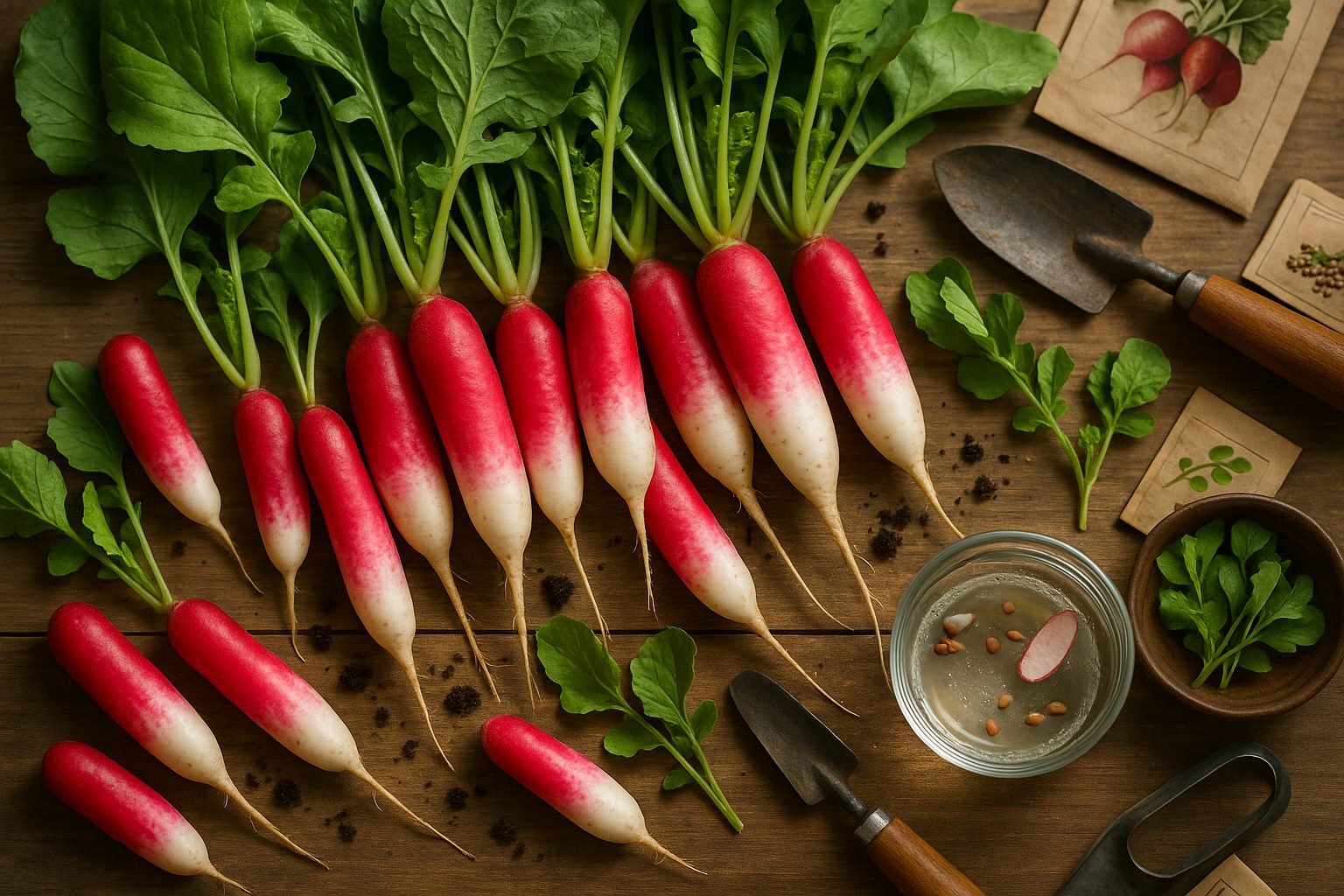
Introduction to French Breakfast Radishes
French breakfast radish is more than just a striking name—this petite, elongated root vegetable adds both color and crunch to the garden and the table. With its delicate pink body, white tip, and mild, slightly peppery flavor, the French breakfast radish is a favorite among gardeners for its ease of growing and quick turnaround from seed to harvest.
Cooks and food lovers are drawn to its versatility, whether sliced thinly on buttered baguettes, tossed into salads, or enjoyed straight from the earth with a pinch of salt. In this guide, we’ll explore what makes French breakfast radishes unique—from their flavor profile and nutritional benefits to tips on planting, caring for, and harvesting them at home.
You’ll also find creative ideas for cooking and serving, making these charming radishes a standout in any kitchen or garden. Get ready to dig into the world of French breakfast radishes!
What Makes French Breakfast Radishes Unique?
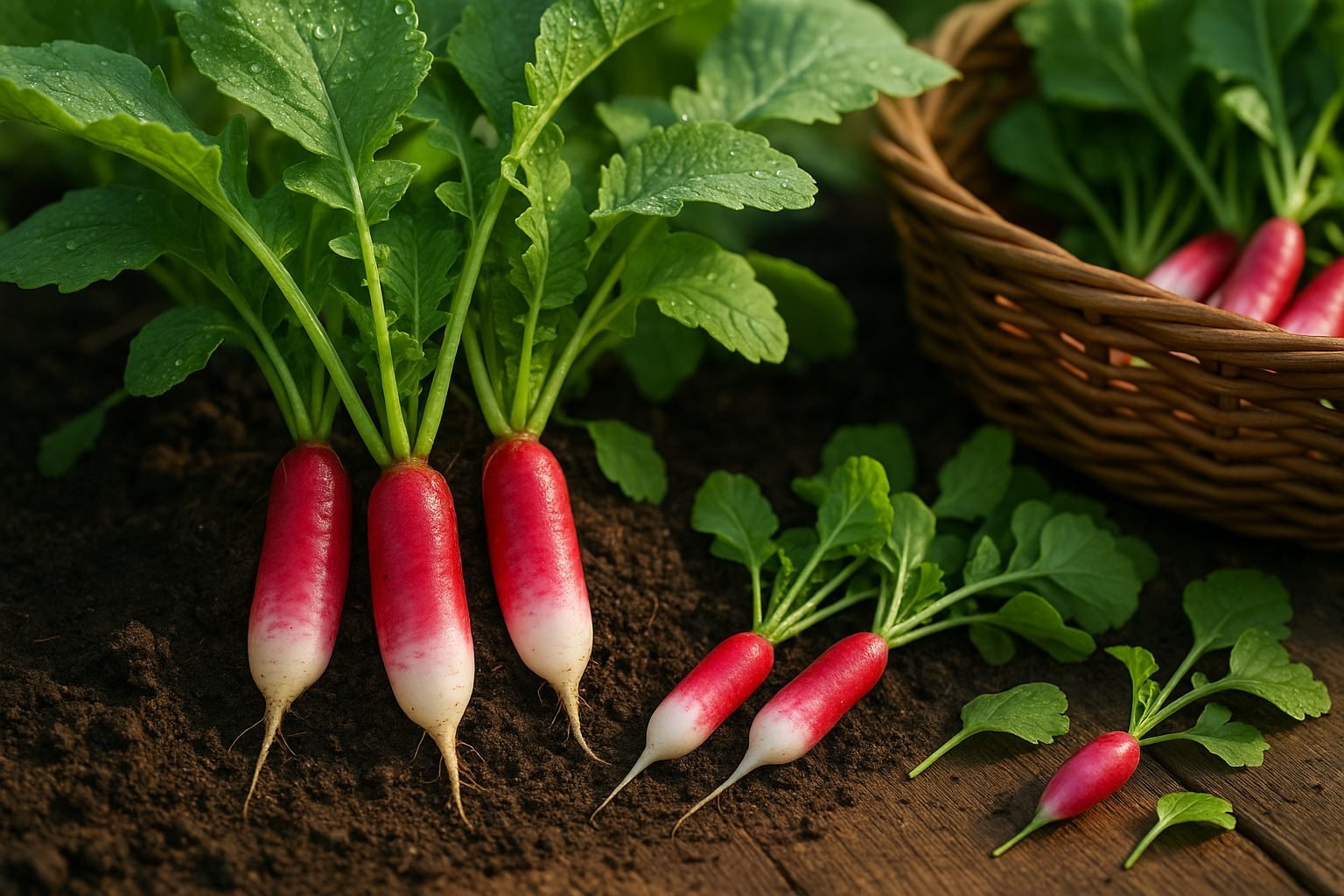
French breakfast radishes stand out from other radish varieties thanks to their striking appearance and distinct flavor. These radishes are easily recognizable by their elongated, cylindrical shape and vibrant coloring—bright pink to red at the top, fading to white at the root tip.
Unlike the round, spicy red radishes commonly found in grocery stores, French breakfast radishes offer a milder, slightly sweet, and crisp flavor with a hint of pepperiness, making them more approachable for those wary of the typical radish bite.
Historically, they gained popularity in Paris during the 19th century, where they were often enjoyed sliced on buttered baguettes for breakfast—a tradition still beloved today.
Nutritionally, French breakfast radishes are low in calories yet rich in fiber, vitamin C, folate, and potassium, contributing to good digestion and immune support.
Their culinary value extends beyond salads—they’re delicious raw with a sprinkle of sea salt, tossed into sandwiches for crunch, or quickly sautéed to mellow their taste.
Next time you’re at the farmers’ market, consider picking up a bunch for a versatile, nutritious addition to your meals.
How to Grow French Breakfast Radishes
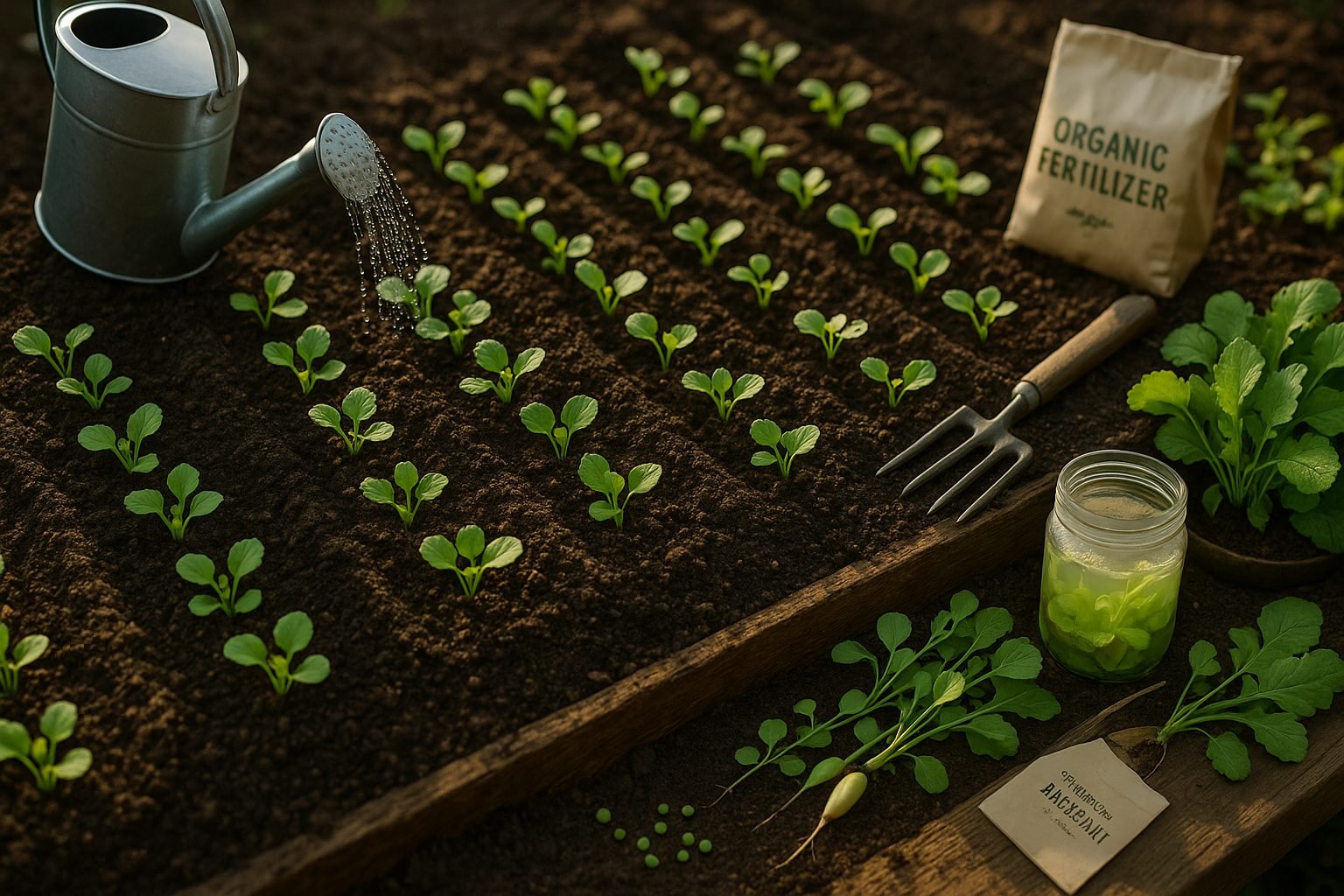
French Breakfast radishes thrive in cool weather, making spring and fall the best seasons for planting. These radishes love full sun but will tolerate partial shade, and they grow fastest in loose, well-draining soil rich in organic matter. Aim for a slightly acidic to neutral pH between 6.0 and 7.0.
To get started, loosen the top 6 inches of soil and remove rocks or clumps; mix in compost for extra nutrients. Directly sow seeds outdoors, placing them about half an inch deep and one inch apart in rows spaced 12 inches apart. Water gently right after planting and continue to keep the soil consistently moist—radishes don’t like to dry out.
When seedlings are about two inches tall, thin them so only the strongest ones remain, allowing two inches between each plant. This gives them room to grow those signature elongated roots.
Radishes are usually ready to harvest in as little as 20 to 30 days, so check them often; if left in the ground too long, they can become woody or too spicy. Watch out for root maggots and flea beetles—use floating row covers to protect young plants if pests are common in your area.
For a steady harvest, sow a new round of seeds every two weeks during the cool growing months. Harvest your French Breakfast radishes when they are about two to three inches long for the sweetest flavor and crunch.
Culinary Uses and Preparation Tips
Radishes are incredibly versatile in the kitchen and can be enjoyed in many easy, delicious ways. For a quick, crunchy snack, simply rinse and slice radishes to eat raw—dip them in hummus or sprinkle with sea salt for extra flavor.
One classic serving idea is to slice fresh radishes and layer them on buttered toast, finishing with a pinch of flaky salt for a French-inspired treat.
Radishes also add vibrant color and peppery crunch to salads; try combining them with cucumbers, feta, lemon juice, and fresh dill for a refreshing side dish.
Don’t overlook radish greens—they’re edible and packed with nutrients! Sauté the greens in olive oil with garlic for a quick, tasty side, or blend them into pesto using nuts, parmesan, and olive oil.
For a new twist, try roasting radishes with olive oil and your favorite herbs; roasting mellows their sharpness and brings out sweetness. You can even pickle sliced radishes in vinegar, sugar, and spices for a tangy, crunchy topping on tacos or grain bowls.
With just a little creativity, radishes and their greens can go far beyond the salad bowl, adding bold flavor and nutrition to everyday meals.
Storing and Buying Tips
When selecting radishes at the market or store, look for bunches with firm, smooth skin and vibrant leaves. The roots should feel solid, not soft or spongy, and the greens should be perky—a sure sign of freshness. Avoid radishes with cracks, blemishes, or wilted tops, as these can indicate age or poor handling.
Once home, remove the leafy tops to prevent moisture loss. Store the bulbs in a perforated plastic bag or an airtight container lined with a damp paper towel in the refrigerator; this will keep them crisp for up to a week.
If you want to grow your own, radish seeds are widely available online, in garden centers, or at local farmers markets. Just be sure to choose varieties suited to your climate for the best results.
Buying radishes by the bunch at farmers markets often means fresher produce since many are harvested the same day.
Fun Facts and Varieties
Did you know radishes are one of the fastest-growing vegetables, often ready to harvest in just three to four weeks? There are dozens of unique varieties to try, each with its own flavor and look.
For example, the French Breakfast radish, known as D’Avignon, is oblong with a mild, crisp taste—perfect for salads or dipping in butter. Daikon, popular in Asian cuisine, grows much larger and offers a gentle heat with a juicy crunch. Watermelon radishes surprise with a green exterior and a vibrant pink center.
Trying different types can bring unexpected flavors and colors to your meals, so don’t be afraid to pick up a new variety at your local market and see how it elevates your favorite dishes.
Conclusion & Resources for Growing/Using Radishes
Growing your own French Breakfast radishes is a quick and satisfying way to add a crisp, peppery crunch to salads and snacks. These easy-to-grow veggies thrive in containers or small garden spaces, making them perfect for beginners. Give them six hours of sun and keep the soil moist for the fastest harvests—some varieties are ready in just three weeks!
If you’re curious for more, check out gardening blogs like The Spruce or the Almanac for novice tips, or search for simple radish recipes on websites like BBC Good Food to help you savor your fresh, homegrown bounty.