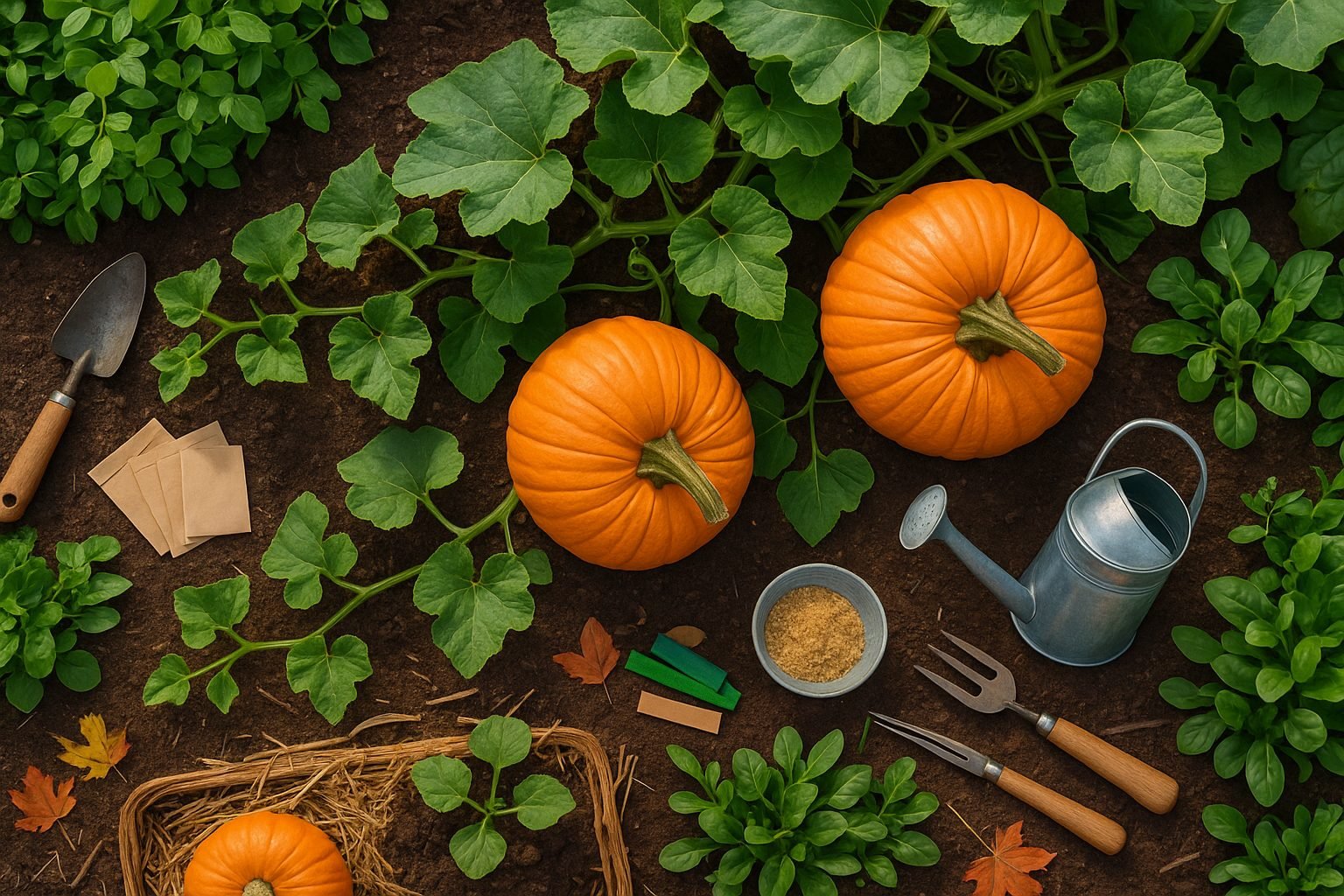
The Importance of Crop Rotation for Pumpkins
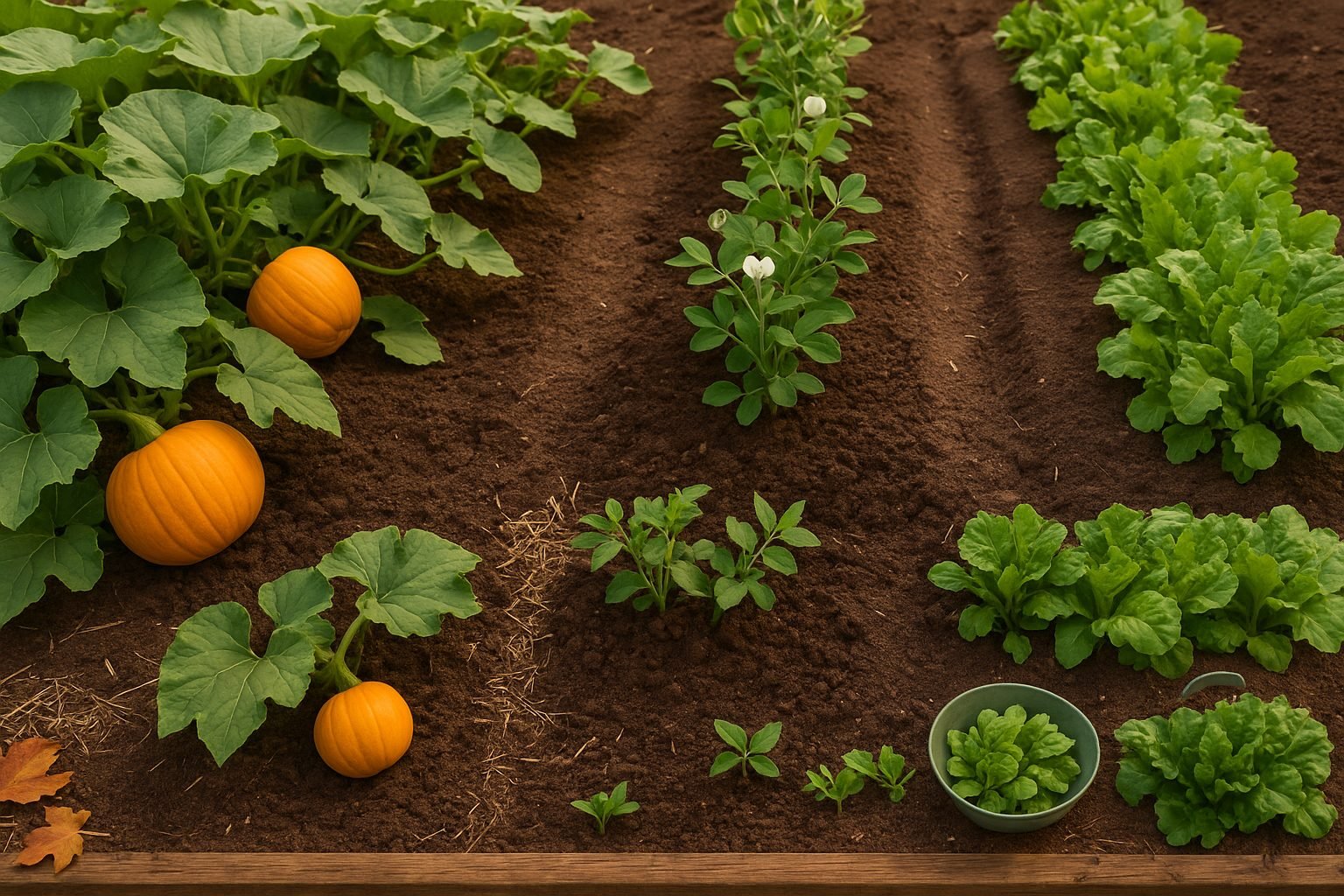
pumpkin crop rotation is one of the most valuable strategies every gardener can use to ensure healthier pumpkin harvests year after year. Crop rotation simply means changing the spot where you grow specific crops—in this case, pumpkins—between growing seasons.
For gardeners, this approach is especially important because planting pumpkins in the same soil every year can lead to tired, nutrient-depleted ground and a buildup of pests and diseases specific to pumpkins and their relatives. By rotating pumpkins with unrelated crops, such as beans or leafy greens, you’re giving the soil a chance to recover.
For example, after harvesting your pumpkins, consider planting a nitrogen-fixing crop like peas in that spot the following year—this helps replenish nutrients like nitrogen, keeping your soil fertile.
Additionally, pumpkin crop rotation disrupts the life cycles of common soil-borne pests and diseases, such as squash vine borers and powdery mildew, making them less likely to return in force. Rotating crops also keeps weeds guessing, giving you a leg up on controlling their spread.
If you’re working with a small garden, smart crop rotation with pumpkins lets you make the most of your limited space by ensuring you’re always growing something healthy, while giving the soil a well-deserved break from pumpkin-specific stress.
Overall, a thoughtful pumpkin crop rotation plan not only boosts pumpkin yields but also improves the long-term health and resilience of your entire garden.
How Pumpkins Affect Soil and Nutrients
Pumpkins are heavy feeders, meaning they need a lot of nutrients—especially nitrogen, phosphorus, and potassium—to thrive. As they grow, pumpkins pull these key elements from the soil, which can lead to nutrient depletion if you plant them in the same spot year after year. This high demand makes it important to monitor soil fertility closely before and after growing pumpkins.
However, pumpkins can also benefit your soil. Their sprawling vines shade the ground, helping suppress weeds and reduce soil erosion. When the vines and leftover plant matter are tilled into the garden at the end of the season, they add valuable organic matter back into the soil. This organic matter improves soil texture and water retention while encouraging healthy microbial activity.
To keep your soil healthy and productive after a pumpkin harvest, consider rotating pumpkins with lighter-feeding crops like beans or peas, which also return nitrogen to the soil. Adding compost or well-rotted manure before and after planting pumpkins helps replenish lost nutrients and further boosts soil structure.
You might also test your soil to identify specific nutrient deficiencies, then add targeted amendments, such as bone meal for phosphorus or wood ash for potassium. Once harvest is over, planting a winter cover crop—like clover or rye—can help restore soil fertility by locking in nutrients, preventing erosion, and adding more organic material to the earth when tilled under next spring.
By following these practices, you’ll keep your growing space fertile and ready for future crops.
Managing Pests, Diseases, and Weeds Through Rotation
Pumpkins are vulnerable to a variety of pests and diseases, including squash bugs, cucumber beetles, vine borers, powdery mildew, and soil-borne pathogens like Fusarium and Phytophthora blight. These problems tend to build up in the soil when the same or closely related crops—such as squash, cucumbers, or melons—are planted in the same spot year after year.
Crop rotation is a proven way to break this cycle. By alternating pumpkins with unrelated crops like corn, legumes, or grains, you disrupt the life cycles of pests and diseases that rely on pumpkins or other cucurbits to survive. For example, the eggs of squash bugs and overwintering fungal spores left in the soil are less likely to find a suitable host the next season, naturally reducing their populations.
Crop rotation also helps with weed management. Frequent rotation prevents aggressive weeds that thrive under cucurbit canopies—like pigweed or purslane—from establishing a persistent seed bank. For best results, avoid planting pumpkins and their relatives in the same location for at least three to four years. This gives pathogens time to die off and keeps pest numbers low.
It’s also helpful to rotate fields with crops managed differently—such as those that use different types of tillage or herbicide regimens—to further disrupt weed and disease cycles. Keeping detailed maps and records of past plantings will help ensure effective crop rotation, safeguarding your pumpkin patch for seasons to come.
Planning Your Garden: Rotation Schedule and Best Successors
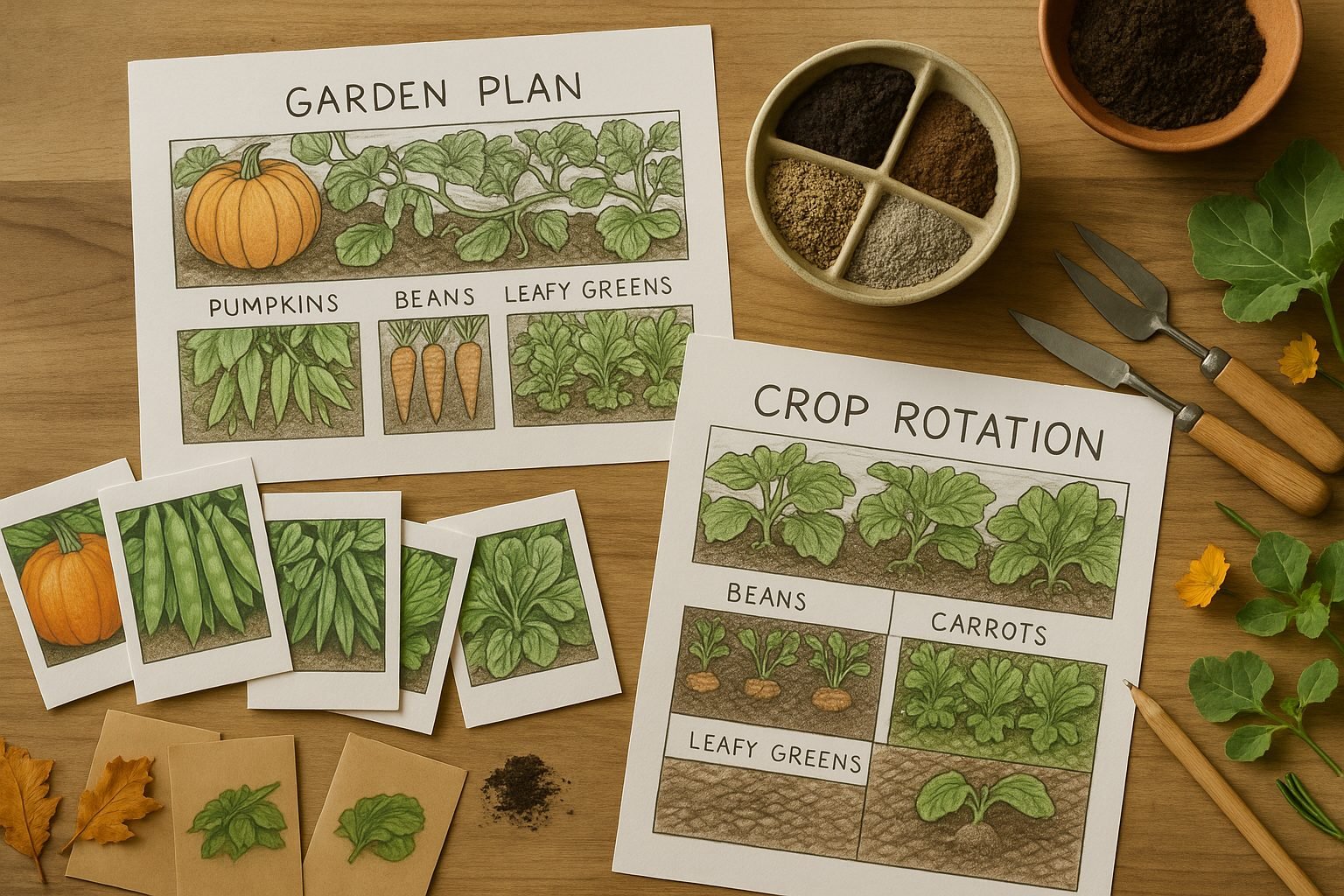
Effective garden planning starts with choosing the right rotation schedule to keep your soil healthy and productive year after year. Rotating crops not only helps prevent disease and pest buildup but also balances soil nutrients.
When pumpkins finish their season, it’s best to avoid replanting other cucurbits—like squash, cucumbers, or melons—in the same spot since they share many pests and diseases. Instead, follow pumpkins with legumes such as bush beans or peas. These crops can enrich the soil with nitrogen, which pumpkins tend to deplete. Leafy greens like lettuce or spinach also work well as successors because their nutrient needs differ, reducing soil fatigue.
You’ll want to steer clear of planting closely related crops, like zucchini or watermelon, immediately after pumpkins for at least two to three years.
Simple 4-Year Rotation Plan
For a straightforward rotation, consider this 4-year cycle:
- Year 1: Pumpkins
- Year 2: Bush beans (legumes)
- Year 3: Root crops like carrots or beets
- Year 4: Leafy greens
This cycle breaks disease patterns and makes efficient use of nutrients.
Rotation Options for Limited Space
If space is tight, even a 3-year rotation works well:
- Year 1: Pumpkins
- Year 2: Legumes
- Year 3: Roots or greens
Keep notes each season about what was planted where to stay on track with your rotation. This thoughtful approach pays off by improving yields, minimizing pests, and keeping your garden vibrant year after year.
Companion Planting and Mixed Beds with Pumpkins
Companion planting is a gardening technique where different crops are grown together to benefit one another, and it pairs perfectly with crop rotation for healthy pumpkin beds. When you plant pumpkins alongside beneficial companions, you can boost growth, deter pests, and make better use of space.
Corn is a classic partner—its tall stalks provide a natural trellis for pumpkin vines and shade the ground, helping retain soil moisture. Beans, meanwhile, enrich the soil by fixing nitrogen, a nutrient pumpkins feed on heavily. Including herbs like dill or oregano around your pumpkin patch can keep harmful insects at bay thanks to their strong scents.
Marigolds and nasturtiums, often grown as companion flowers, also help control pests: marigolds deter nematodes and aphids, while nasturtiums attract aphids away from your pumpkins and lure in pollinators.
However, not all neighbors are friendly. Avoid planting pumpkins near potatoes, which compete for similar nutrients and are prone to the same fungal diseases, or brassicas (like broccoli and cabbage), which can stunt pumpkin growth and attract cabbage moths. Care should also be taken with root vegetables, as crowded beds can impede the spread of pumpkin vines or tangle roots underground.
By choosing the right companions, you’ll not only protect your pumpkins but also increase your chances for a bumper harvest with fewer chemicals and less fuss.
Overcoming Common Crop Rotation Challenges
Many gardeners struggle with crop rotation when space is tight or gardens are small, but there are clever ways to work around these limitations. A common challenge is ensuring you don’t plant the same crop family in the same spot year after year, which can feel nearly impossible in compact beds.
To make rotation feasible, try grouping crops by family and sequencing them annually using a simple three-plot plan:
- One for leafy greens
- One for fruiting vegetables
- One for root crops
When space is really limited, consider interplanting quick-maturing crops (like radishes) between slower growers to maximize diversity and soil use.
To balance nutrients, regularly top-dress beds with rich compost or well-rotted manure and try growing nitrogen-fixing cover crops like clover or peas during off-seasons—these can help replenish soil health even when you stay in the same plot.
Pest and disease buildup is another concern, especially with restricted rotation options; here, vigilance is key. Remove and dispose of infected plant debris promptly, use floating row covers to protect young plants, and practice good garden hygiene by cleaning tools between beds.
If certain diseases keep recurring in one area, solarize the soil by covering it with clear plastic during the hottest weeks of summer to kill pathogens.
Remember, even in tiny gardens, breaking the life cycles of pests and diseases by varying planting times, using resistant varieties, or adding container-grown crops can help keep your harvests healthy and abundant.
Environmental and Biodiversity Benefits
Rotating pumpkin crops offers a range of environmental and biodiversity benefits that go far beyond just boosting yields. By switching up where and how you plant pumpkins each year, you naturally reduce the need for chemical fertilizers and pesticides—because pests and diseases have a harder time finding a constant food source.
This method helps break the life cycles of soil-borne pathogens and pests, letting nature handle some of the workload. For example, if you rotate pumpkins with legumes like beans or peas, those plants will naturally replenish nitrogen levels in the soil. This reduces reliance on synthetic inputs and keeps the soil healthier in the long term.
Diverse planting alongside pumpkins, such as including flowering herbs or companion crops, also attracts beneficial insects like ladybugs and bees. These insects help control pests and pollinate your crops, making the entire garden or field more resilient and vibrant.
Adopting crop rotation isn’t just good for your pumpkins—it’s a practical, eco-friendly commitment to the health of your local ecosystem. Whether you’re managing a sprawling farm or a small backyard plot, viewing crop rotation as a way to work with nature instead of against it helps protect vital biodiversity and build healthier soils for future seasons.