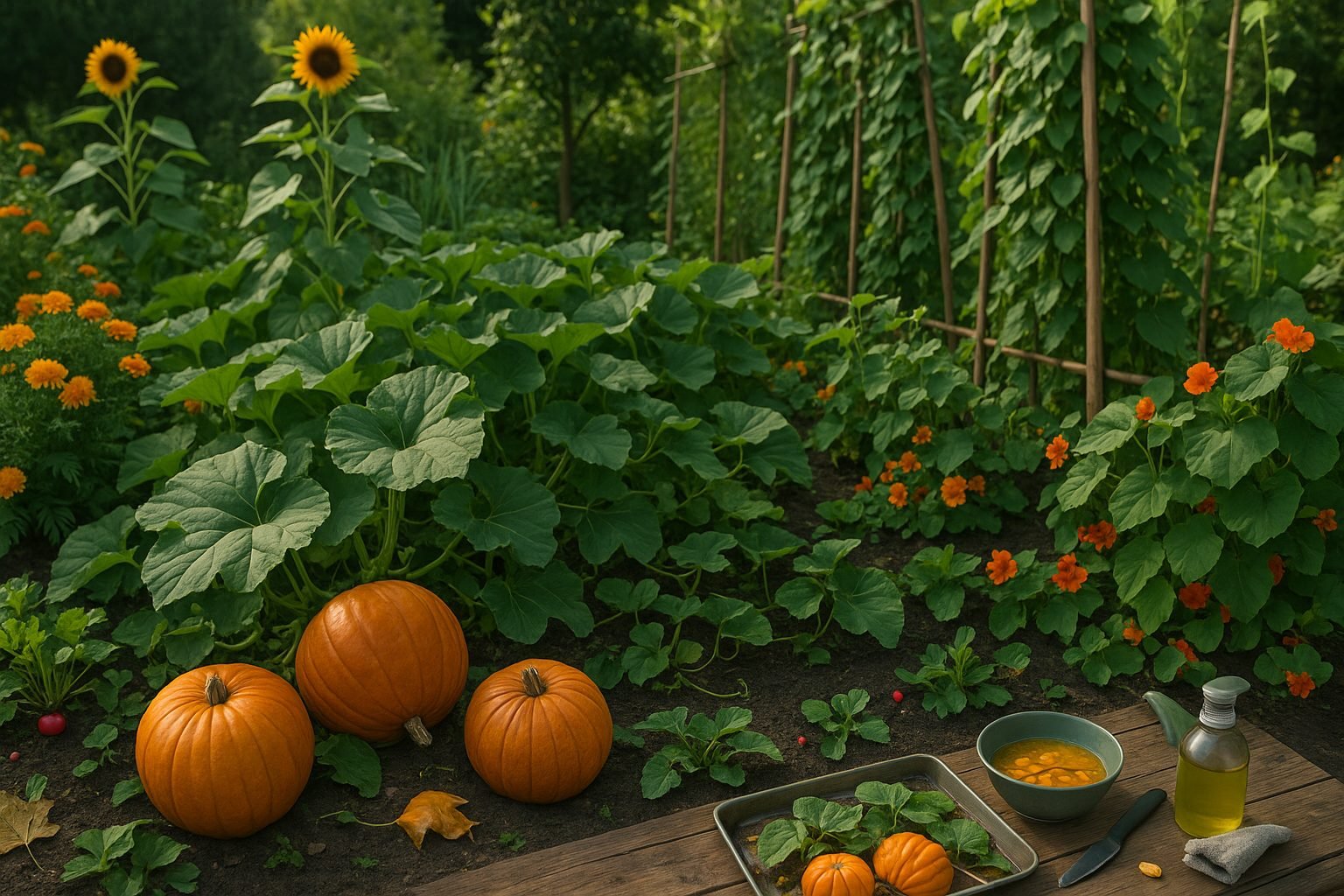
What Is Companion Planting for Pumpkins?
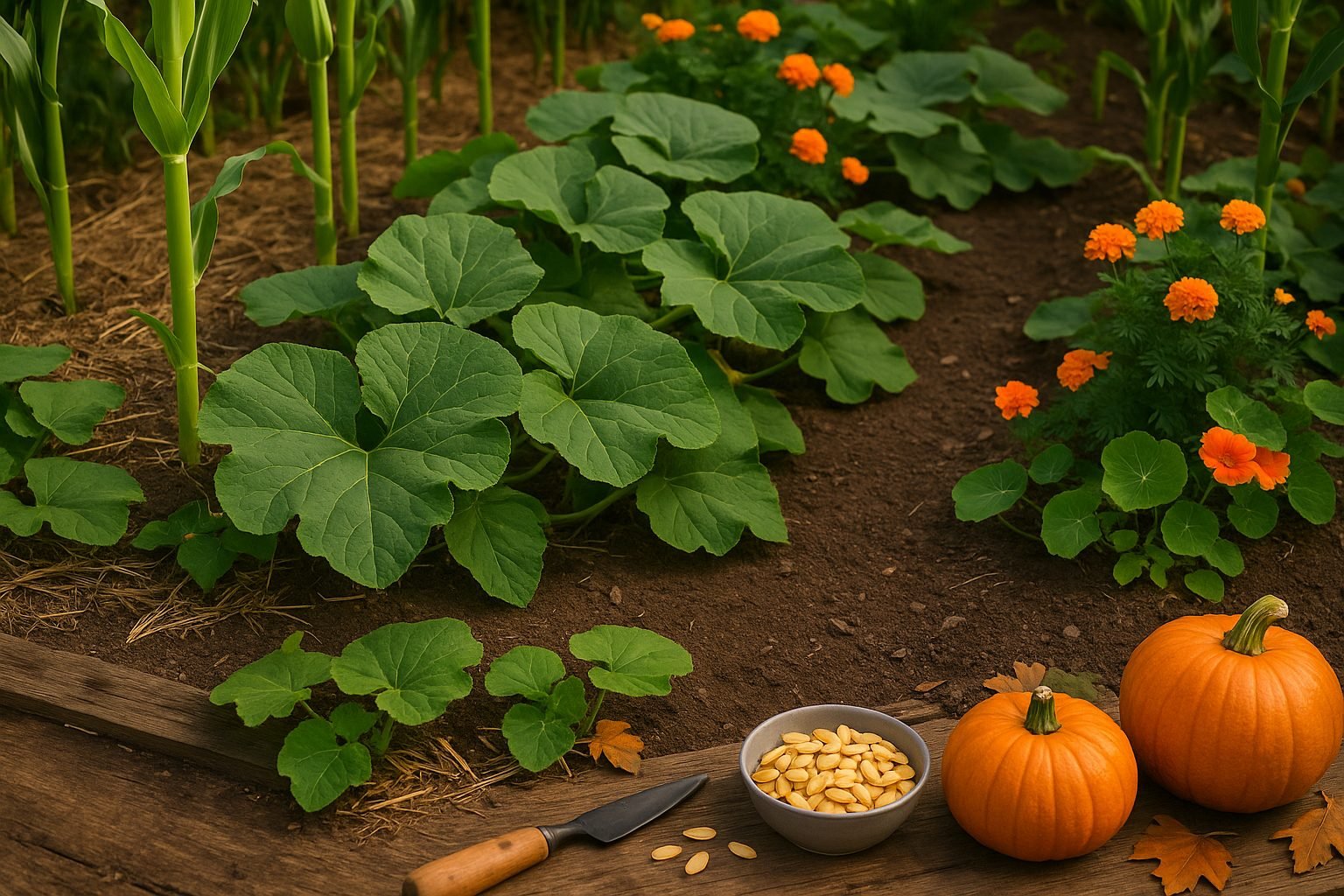
When it comes to successful vegetable gardening, knowing what not to plant near pumpkins can make all the difference in your harvest. That’s where companion planting comes in—a time-tested gardening strategy that involves growing certain plants together for mutual benefit. For pumpkins, companion planting goes beyond just maximizing space. Gardeners use this method to help control pests naturally, encourage healthy growth, and boost crop yields without chemical interventions. For example, some plants may deter squash bugs or powdery mildew, while others can help suppress weeds or enrich the soil.
Pumpkins, with their sprawling vines and large leaves, have unique needs. They demand lots of space and are heavy feeders, drawing significant nutrients from the soil to support their rapid growth and fruit production. This means any companions mustn’t crowd them or compete aggressively for water and nutrients. Crops like corn or sunflowers can provide a little shelter and even help support vining varieties, but aggressive plants like potatoes or other root crops can starve pumpkin roots of what they need. Furthermore, not all flowers and herbs make great neighbors; some might attract pests that love feeding on pumpkin leaves and fruit.
So, before planning your pumpkin patch, think strategically about both beneficial allies and problem plants you’ll want to avoid. This thoughtful approach leads to a more productive, thriving garden and fewer headaches throughout the growing season.
Why Choose Companions for Your Pumpkins?
Companion planting with pumpkins isn’t just a gardening trend—it’s a smart strategy that delivers tangible benefits for both your plants and your garden as a whole. By surrounding your pumpkin patch with beneficial companions like nasturtiums, marigolds, and beans, you can naturally suppress weeds that would otherwise compete for nutrients and water.
These dense or low-growing plants act as living mulch, covering the soil and making it harder for unwanted invaders to take hold. Many companion plants also work overtime to deter pests: marigolds release chemicals that repel nematodes, while aromatic herbs like oregano and dill help confuse squash beetles and aphids.
Improved pumpkin health is another reward: beans, for instance, add nitrogen back into the soil, providing a crucial nutrient that pumpkins crave for vigorous vine and fruit development. Certain flowering companions—think borage or sunflowers—attract pollinators like bees, dramatically boosting pollination rates and, in turn, increasing your pumpkin yields.
Plus, when you combine complementary crops within the same plot, you’re making better use of your garden’s square footage. Pumpkins are infamous for their sprawling vines, but clever interplanting allows you to fill bare soil with shorter, shade-tolerant veggies that thrive under or between the vines, such as radishes and lettuce. This layered setup means you enjoy more harvest from the same space while fostering a resilient, diverse ecosystem where your pumpkins can truly thrive.
The Best Plants to Grow with Pumpkins
Growing pumpkins gets easier and more rewarding when you plant the right companions alongside them. Beans are a classic choice because they fix nitrogen in the soil, boosting the nutrients your hungry pumpkin vines need to thrive. Try planting pole beans at the edges of your patch and letting them climb trellises to save ground space.
Corn also works well—its tall stalks not only provide dappled shade for pumpkin leaves during intense afternoon sun but can also support climbing bean vines, following the traditional “Three Sisters” gardening method. Sunflowers make cheerful, sturdy neighbors; their tall stems act as natural trellises and attract pollinators, helping pumpkins set fruit.
Marigolds and nasturtiums are both reliable pest deterrents: marigolds repel nematodes and aphids, while nasturtiums lure squash bugs away from pumpkin vines and add edible flowers to your salads. Oregano, with its aromatic foliage, serves as a powerful ground cover that confuses pests searching for pumpkin leaves, keeping infestations at bay.
Radishes are fast-growing and can be sown between pumpkin hills; they help loosen soil and can distract squash borers away from your main crop.
For the most benefit, interplant flowers and herbs along pumpkin patch borders or tuck them into any available spaces between vines, taking care to leave enough room for pumpkins to sprawl. Try alternating rows of beans and pumpkins, or circle sunflowers and marigolds around the outer edge.
Not only does this approach attract helpful insects and keep pests under control, but it also turns your pumpkin patch into a vibrant, productive garden bed.
Plants to Avoid Near Pumpkins
When planting pumpkins, it’s essential to be mindful of neighboring crops, as some plants can stunt pumpkin growth or invite unwelcome problems.
Potatoes, for example, are not good neighbors because they have deep root systems that fiercely compete for nutrients and water, potentially starving your pumpkins. Both plants are also susceptible to similar soil-borne diseases, raising the risk of cross-infection if grown together.
Fennel is another plant to avoid; it secretes natural compounds that inhibit the growth of most nearby vegetable plants, including pumpkins, effectively stunting their development.
Brassicas—like cabbage, broccoli, and kale—should also be kept far from pumpkins, as they attract pests such as aphids and cabbage loopers that can easily migrate to pumpkin leaves and vines. Additionally, brassicas and pumpkins compete for the same nutrients, making it harder for each to thrive.
To protect your pumpkin patch, aim to leave at least three to four feet of space between pumpkins and any questionable neighbors, and consider planting companion plants like marigolds or nasturtiums as a buffer. Regularly check for signs of pests or disease, and rotate crops each year to prevent pathogens from building up in the soil.
By making careful planting choices and maintaining good spacing, you’ll set your pumpkins up for a healthy, productive growing season.
Tips for Successful Pumpkin Companion Planting
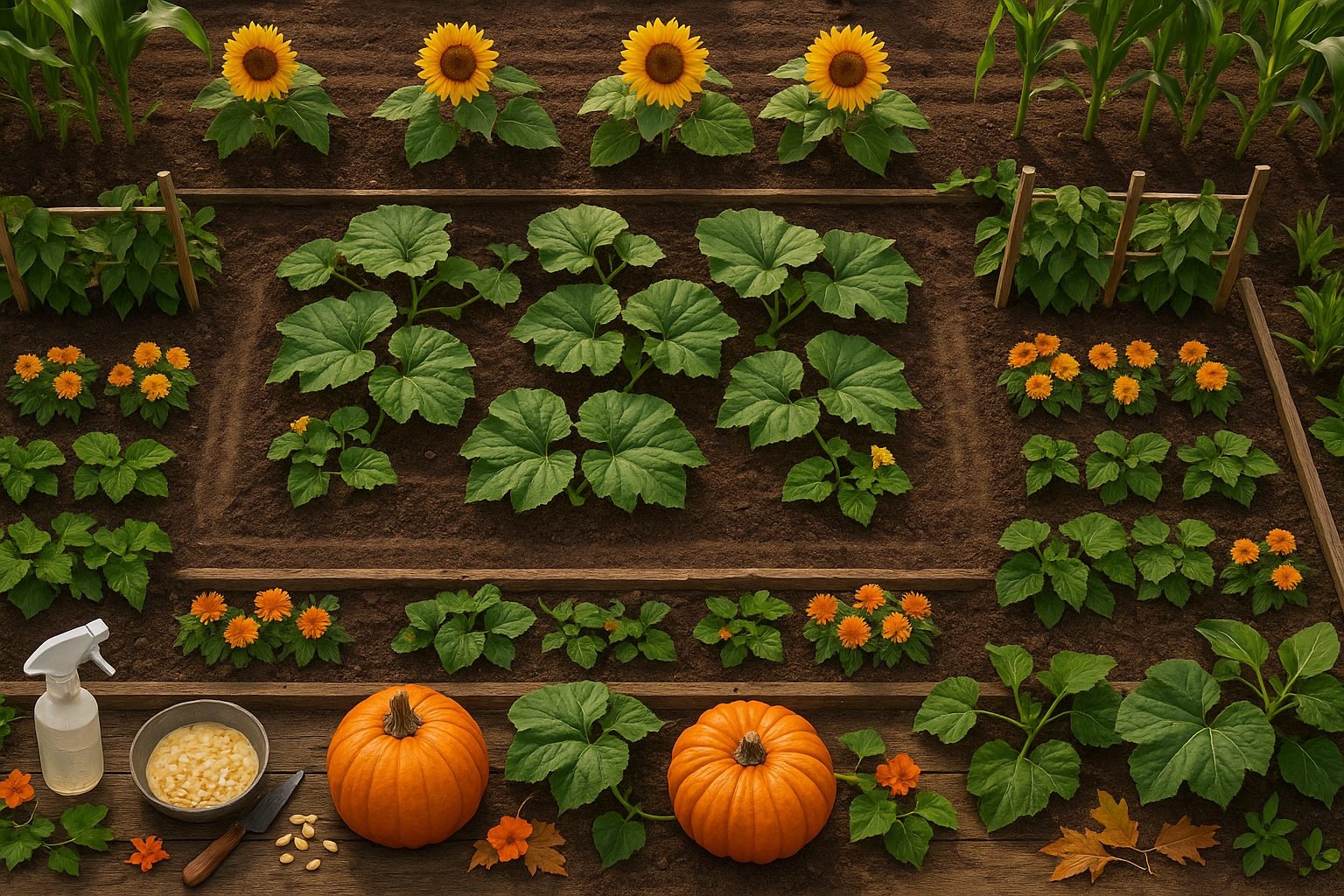
Getting the most from pumpkin companion planting starts with thoughtful bed planning. Begin by preparing rich, well-draining soil amended with compost or aged manure, since pumpkins are heavy feeders. Plan for plenty of space: pumpkins thrive when given at least 4–5 feet between plants to allow their sprawling vines to grow. Use trellises or plant along the edges of your bed to keep vines out of walkways.
Companion plants like beans, corn, and marigolds can make your patch healthier—beans fix nitrogen in the soil, corn can offer natural shade, and marigolds deter pests. Time your planting so that quicker-growing companions (like radishes or bush beans) go in a week or two before slow-starters like pumpkins.
Implement succession planting by staggering seed sowing—plant new companions every few weeks—to fill gaps when early crops finish and keep your garden productive longer. Crop rotation is another key—avoid growing pumpkins or other squash family plants in the same spot each year to minimize disease risk and nutrient depletion.
Managing pumpkin vines is a common challenge; regularly tuck or gently redirect them to keep them from overtaking neighbors, or use strategic pruning where necessary. Ensure all crops get enough sunlight—plant tall companions like sunflowers or corn north of pumpkins to prevent shading.
Regularly check for signs of mildew or pests, and water at the soil level to avoid leaf diseases. With these strategies, your pumpkin bed can stay healthy, manageable, and bountiful all season.
Quick Reference Table & Final Thoughts
Here’s a quick reference for pairing pumpkins in the garden:
Best Companions for Pumpkins:
- Corn (creates natural support for pumpkin vines)
- Beans (fix nitrogen in the soil, benefiting pumpkin growth)
- Radishes (repel some insect pests)
- Marigolds (discourage aphids and nematodes)
- Nasturtiums (deter squash bugs and beetles)
Worst Companions for Pumpkins:
- Potatoes (compete for nutrients and are prone to spreading disease)
- Brassicas like broccoli, cabbage, and kale (heavy feeders that stress the soil)
- Fennel (can hinder growth of many vegetables)
- Other large, vining crops like melons (crowd and compete with pumpkins)
Companion planting isn’t a strict blueprint but a flexible approach that leads to healthier, more productive gardens. Pumpkins especially benefit from neighbors that boost pollination, repel pests, and enrich the soil, resulting in a more sustainable and self-supporting garden bed.
Every garden is unique—from your soil makeup to sunlight patterns and local pests. So, treat these suggestions as starting points, but feel free to experiment, observe what works best in your space, and don’t get discouraged if your results differ from others. The real joy is finding your own winning combinations and reaping a bigger, healthier pumpkin harvest each year!