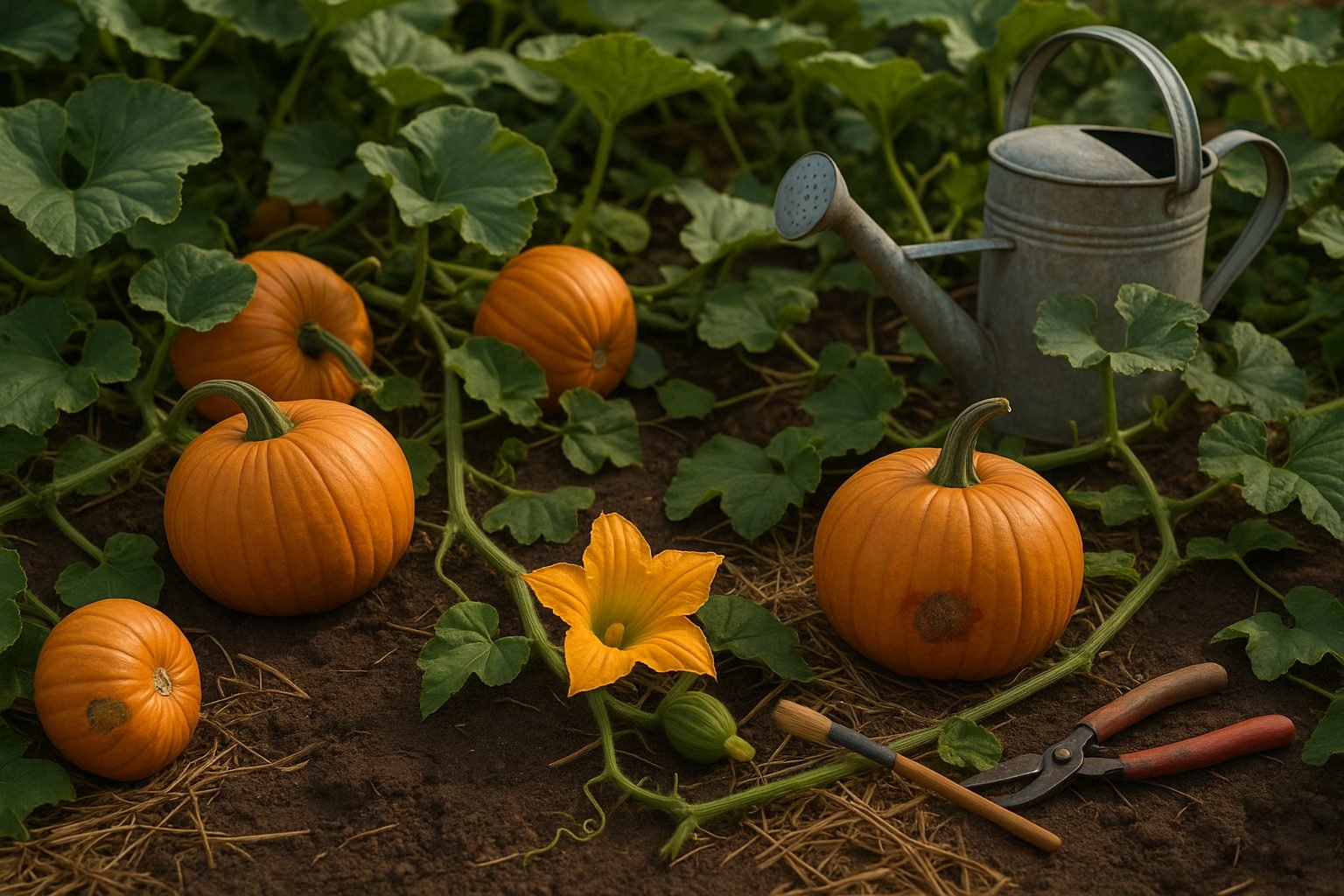
Understanding Pumpkin Rot
Pumpkins rotting on the vine is a common and frustrating issue for gardeners and growers, threatening months of hard work and anticipation. pumpkin rot refers to the process of decay that causes fruits to break down before they can be harvested or enjoyed. This problem can significantly reduce yields and affect the quality of your crop.
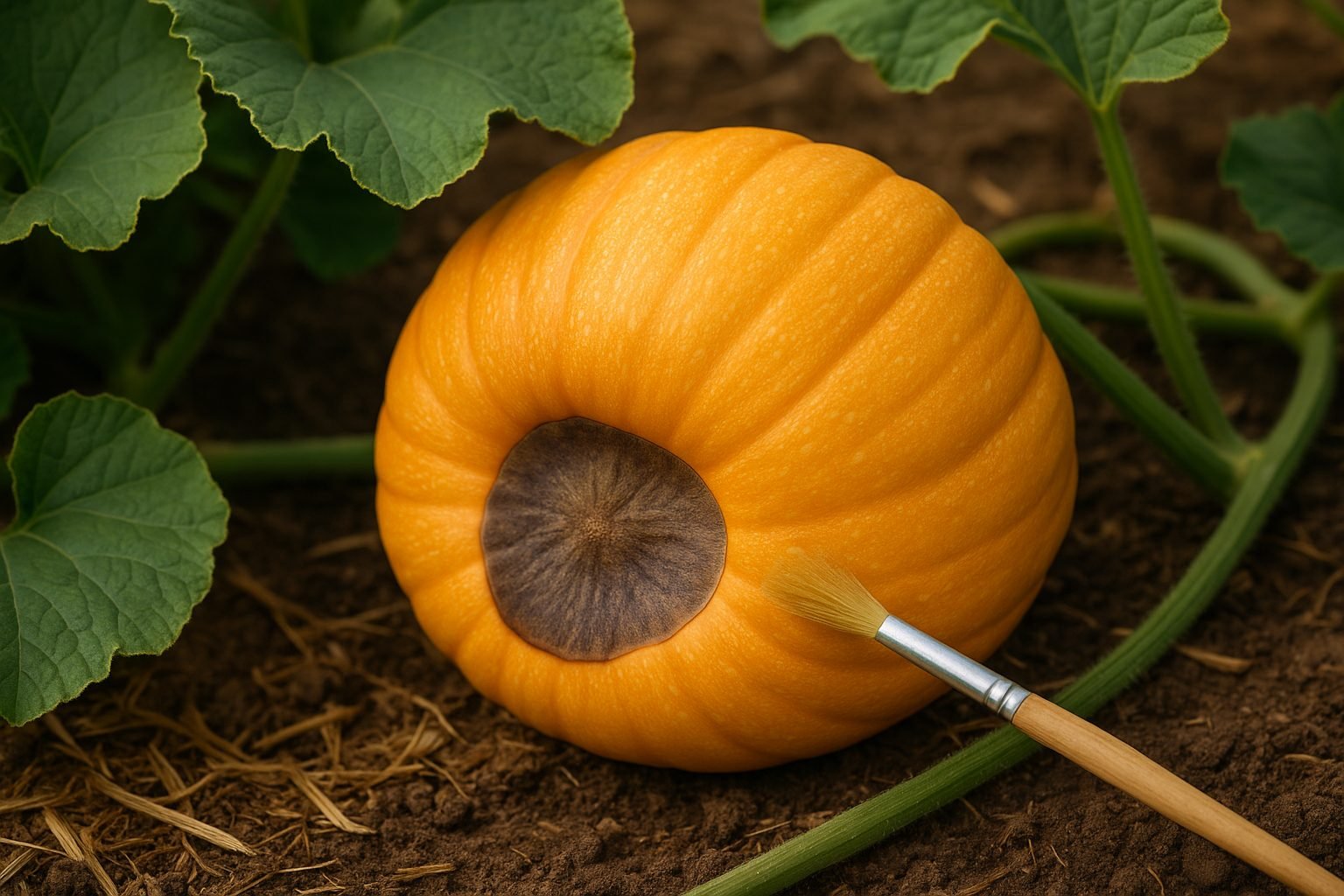
Early signs to watch for include soft spots developing on the pumpkin’s surface—these areas may feel mushy or sunken when pressed. Discoloration often follows, with sections of the rind turning yellow, brown, or gray, sometimes accompanied by fuzzy or slimy mold. If left unchecked, the rot can spread rapidly, causing the fruit to collapse in on itself.
Types of Pumpkin Rot
There are several different types of pumpkin rot to be aware of:
- Blossom end rot: This typically starts at the blossom end of the fruit, causing a sunken, leathery spot that can enlarge over time. It’s usually related to calcium deficiency and inconsistent watering.
- Fruit rot on the vine: Often resulting from fungal infections or waterlogged soil, this type causes widespread decay while the pumpkin is still attached to the vine, making the fruit unfit for consumption or decoration.
- Post-harvest decay: This sets in after the pumpkin is picked. Storing pumpkins in damp or poorly ventilated conditions invites molds and bacteria, which result in slimy or dry rotted areas.
Recognizing these different forms of rot can help you prevent and manage them effectively, keeping your pumpkins healthy from vine to harvest.
What Causes Pumpkin Rot?
Pumpkin rot can be traced back to a mix of environmental factors, nutritional issues, and pesky invaders. Too much moisture—especially after heavy rains or overwatering—soaks the ground and creates an ideal breeding ground for rot-causing fungi and bacteria. Poor air circulation, which is common when pumpkins are crowded or foliage is dense, means water lingers longer, giving diseases more time to strike.
The quality of your soil matters, too. Soil that’s compacted or poorly drained traps water around the roots and fruit, encouraging decay. On the nutritional side, a calcium deficiency is a key culprit behind blossom end rot, a common issue where the bottom of the pumpkin turns brown and soft. This often happens with inconsistent watering—plants can’t take up enough calcium from the soil, even if it’s there.
To prevent this, make sure your watering is steady and your soil is rich in organic matter. Beyond these conditions, keep an eye out for pests like squash bugs, cucumber beetles, and vine borers, which damage pumpkin skin and open the door to rot-causing pathogens. Fungi and bacteria such as Phytophthora and Fusarium attack through wounds or in wet conditions, breaking down pumpkin flesh from the inside out.
To limit rot, consider these tips:
- Choose resistant pumpkin varieties
- Space out your plants to improve airflow
- Mulch under the vines to manage moisture
- Check regularly for pest problems or early signs of disease
A few simple steps can keep your pumpkins healthy and rot-free all season long.
Prevention Tips for Healthy Pumpkins
Growing healthy pumpkins starts with a few simple but essential prevention steps to keep rot at bay. First, pay close attention to watering: aim to water your pumpkins early in the day and always at the base of the plant, avoiding wetting the leaves, which can invite fungal diseases. Using drip hoses or soaker hoses can give you even better results.
Mulching around the base with straw or shredded leaves helps keep the soil moist, reduces weeds, and prevents soil-borne pathogens from splashing onto leaves during rain. When planting, give each pumpkin plenty of space—ideally three to five feet apart—so air can circulate easily and keep the foliage dry.
Choose disease-resistant varieties if available. Check the seed packet or ask at your local nursery—varieties like ‘Howden’ or ‘Tom Fox’ are good, hardy choices. Crop rotation is also key; don’t plant pumpkins or other squash in the same spot each year. Rotating crops yearly helps prevent the buildup of soil-borne diseases.
During the growing season, regularly check your pumpkin vines for yellowing, soft spots, or fuzzy mold, especially where the fruit touches the ground. If you spot any issues, remove affected fruit and treat plants with an appropriate fungicide or a natural remedy like neem oil. Placing a board or straw under each pumpkin as it develops can also protect the fruit from ground moisture.
With these steps—smart watering, mulching, proper spacing, choosing strong varieties, and vigilant monitoring—you’ll dramatically reduce the risk of rot and set yourself up for a strong, healthy pumpkin harvest.
Dealing with Rot on the Vine
If you spot rot on a pumpkin still growing on the vine, act quickly to protect the rest of your patch. Start by examining all the fruit and pinpointing any that show signs of soft spots, water-soaked areas, or mold—these are clear indicators of decay.
Using clean, sharp garden shears, carefully cut away the affected pumpkin, leaving a bit of stem to prevent damaging the vine itself. Don’t compost the rotting pumpkin, as this can spread disease; instead, bag it and discard it with your trash.
After removal, clean the area by picking up any bits of fallen fruit or debris, since they can harbor fungal spores. If the rot was widespread, treat the surrounding soil and vines with a safe fungicide or a homemade mixture of baking soda, water, and a small amount of dish soap.
Always sanitize your pruning tools before moving on to other plants to avoid cross-contamination. If several pumpkins in a row start to rot, it’s better to discard all affected fruit promptly, as rot can spread quickly and ruin your harvest.
Keeping vines well-spaced and avoiding overwatering in the future also helps keep rot at bay.
Preserving Pumpkins After Harvest
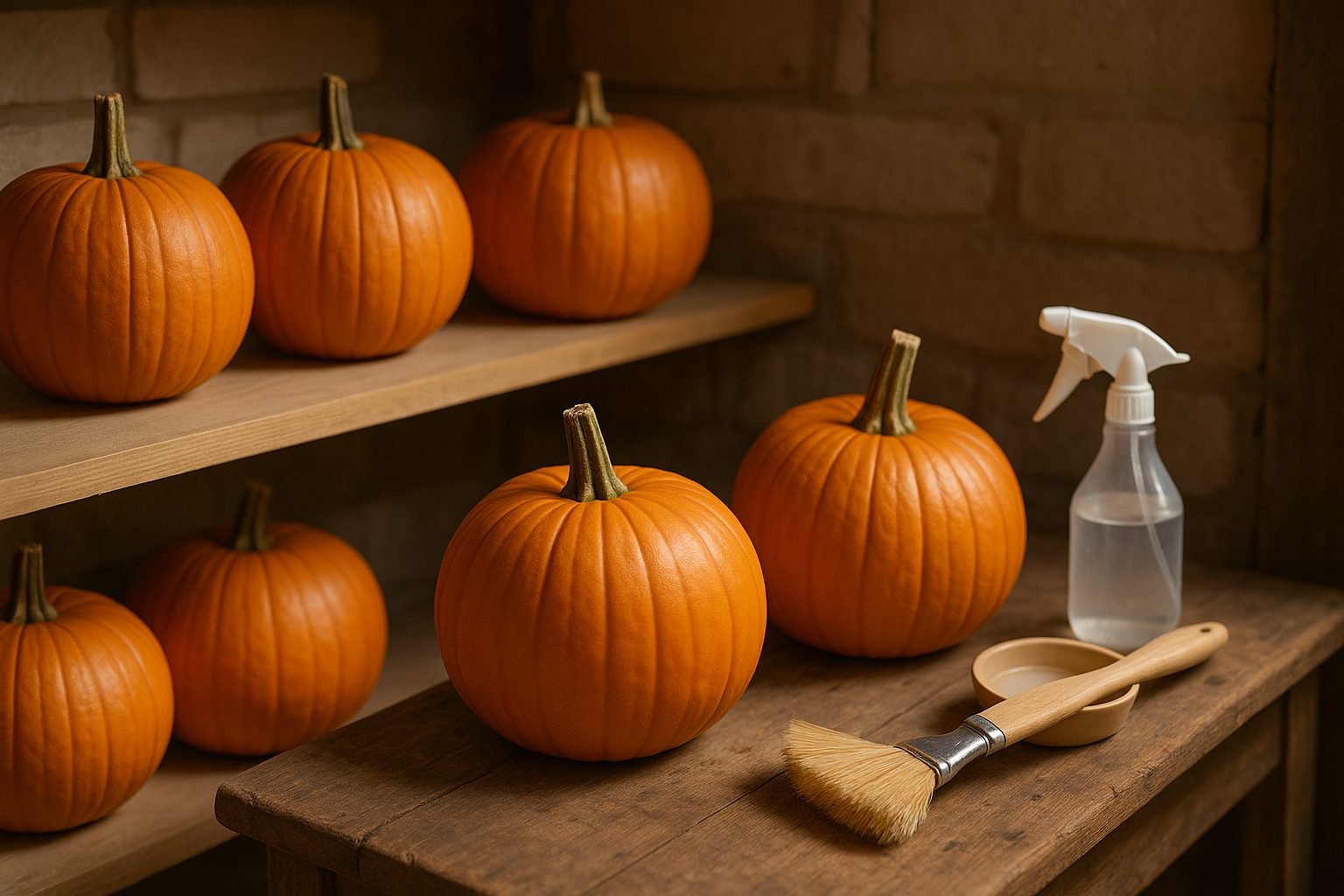
After harvesting pumpkins, a little extra care can go a long way in making them last through fall and beyond. Start by gently cleaning your pumpkins with a soft brush to remove dirt—a quick rinse with a diluted bleach solution (1 tablespoon bleach per gallon of water) works wonders to kill lingering bacteria or mold spores; just let them air-dry completely before moving on.
Curing is the next essential step: leave your pumpkins in a warm, dry, well-ventilated spot (about 80°F) for 7-10 days. This toughens the skin and heals small cuts, sealing out rot.
For uncarved pumpkins, store them indoors in a cool (50-60°F), dry, and dark area like a basement or pantry. Spread them out with plenty of space and check regularly for soft spots or mold. Avoid stacking pumpkins, as pressure can create bruises and hasten spoilage.
Carved pumpkins are more delicate—if you want your jack-o’-lantern to last through Halloween, try smearing the cut edges with petroleum jelly to lock in moisture and deter bacteria, or give the pumpkin a daily light mist of water mixed with a few drops of bleach. Always keep carved pumpkins in a cool, shaded spot outside or refrigerate them overnight if possible.
By following these simple steps and storing your pumpkins under ideal conditions, you’ll enjoy their beauty and harvest bounty much longer.
Frequently Asked Questions About Pumpkin Rot
Wondering if you can eat a pumpkin with a bit of rot? In most cases, if the rot is only on the surface and hasn’t spread deeper, you can safely cut away the affected area and use the rest—just be sure to remove a generous margin around the rotten spot. However, if the rot has penetrated deeply, shows mold inside, or gives off a foul odor, it’s best to discard the whole pumpkin to avoid any health risks.
For gardeners worried about pumpkins going bad in the first place, prevention starts with planting in well-drained soil, avoiding overhead watering, and spacing plants to promote airflow. Regularly inspect your pumpkins for soft spots, and harvest them once they’re fully mature, with firm, deep-orange skin.
Cure your harvest in a warm, dry spot for about a week before storing the pumpkins somewhere cool and dry. If rot does appear, promptly remove affected pumpkins from the patch to prevent spreading. For minor garden wounds, applying a dusting of garden sulfur over the cut area can sometimes help stave off infections.
Taking these steps can help beginner gardeners enjoy a successful pumpkin harvest and reduce waste in the kitchen and garden alike.