Introduction
Getting the spacing right for seed potatoes per square foot is a game-changer for gardeners aiming for healthy, high-yield crops. Crowding too many seed potatoes together can lead to smaller tubers, increased risk of disease, and tangled roots that make harvesting difficult. On the other hand, planting too few means missing out on a bigger harvest in the same space.
If you’ve ever wondered why your potato plants weren’t as prolific as you’d hoped or are looking for ways to maximize your backyard or container harvest, understanding the optimal number of seed potatoes per square foot is essential. In this post, we’ll break down the simple math behind potato spacing, explore how plant health and harvest quality depend on it, and offer real-world tips suited to both small and large gardens.
Whether you’re a seasoned grower or a first-time potato planter, you’ll find actionable, garden-tested advice to help you plant smarter, grow stronger crops, and dig up bountiful spuds season after season.
Understanding Potato Spacing Basics
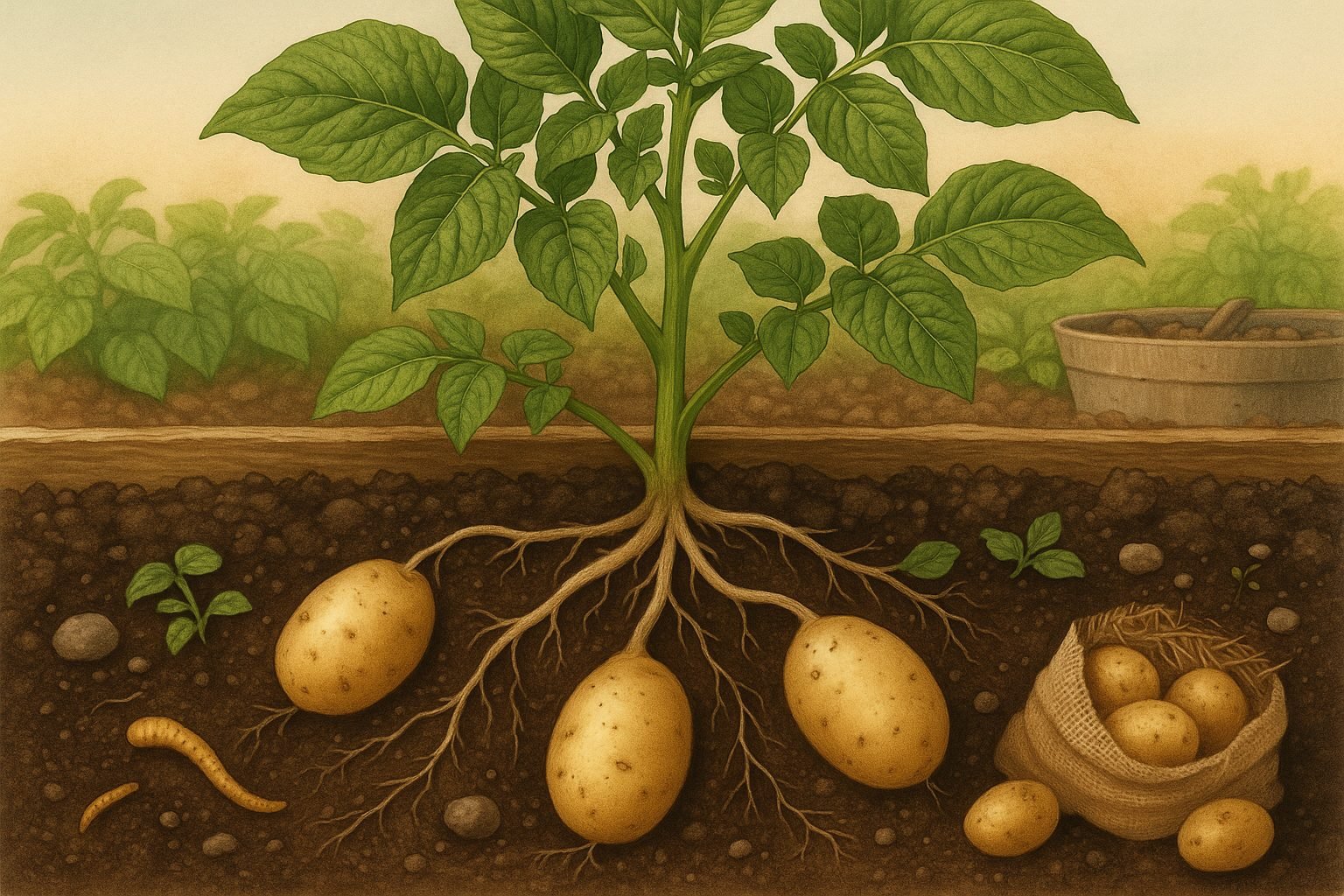
Seed potatoes are mature, healthy potatoes—often certified disease-free—used specifically for planting new potato plants. Each seed potato, or a piece containing at least one “eye” (the tiny sprout bud you see on a potato’s skin), will grow into a vine that forms a cluster of new edible tubers underground. Potatoes aren’t grown from seeds in the traditional sense but from these tubers or pieces, ensuring genetic consistency and strong growth.
When it comes to maximizing your harvest and keeping plants healthy, spacing is key. Most gardening guides and experts, like university extension services or the Royal Horticultural Society, recommend planting seed potatoes about 12 inches apart within a row, with 24–36 inches between rows. This usually works out to roughly one seed potato per square foot, though the exact number can vary depending on your garden layout, potato variety, and the growing method you choose, whether traditional rows, raised beds, or containers.
Following these seed potatoes per square foot spacing guidelines ensures your plants have enough room to spread their roots and produce several large tubers instead of a few undersized ones. Overcrowding creates problems: cramped vines reduce air circulation, leading to excess moisture and encouraging diseases like late blight or powdery mildew. Tightly packed tubers also compete for nutrients, resulting in poor yields and misshapen potatoes.
Giving each plant about a foot of space helps prevent these issues—your potatoes will get ample light, room to expand, and less competition for water and nutrients. In the long run, proper spacing means healthier plants, larger harvests, and fewer problems with common pests and diseases. If you’re working with especially small spaces or containers, it’s even more important to resist squeezing in extra seed potatoes and trust that following proper spacing yields the best results.
Calculating Seed Potatoes Per Square Foot
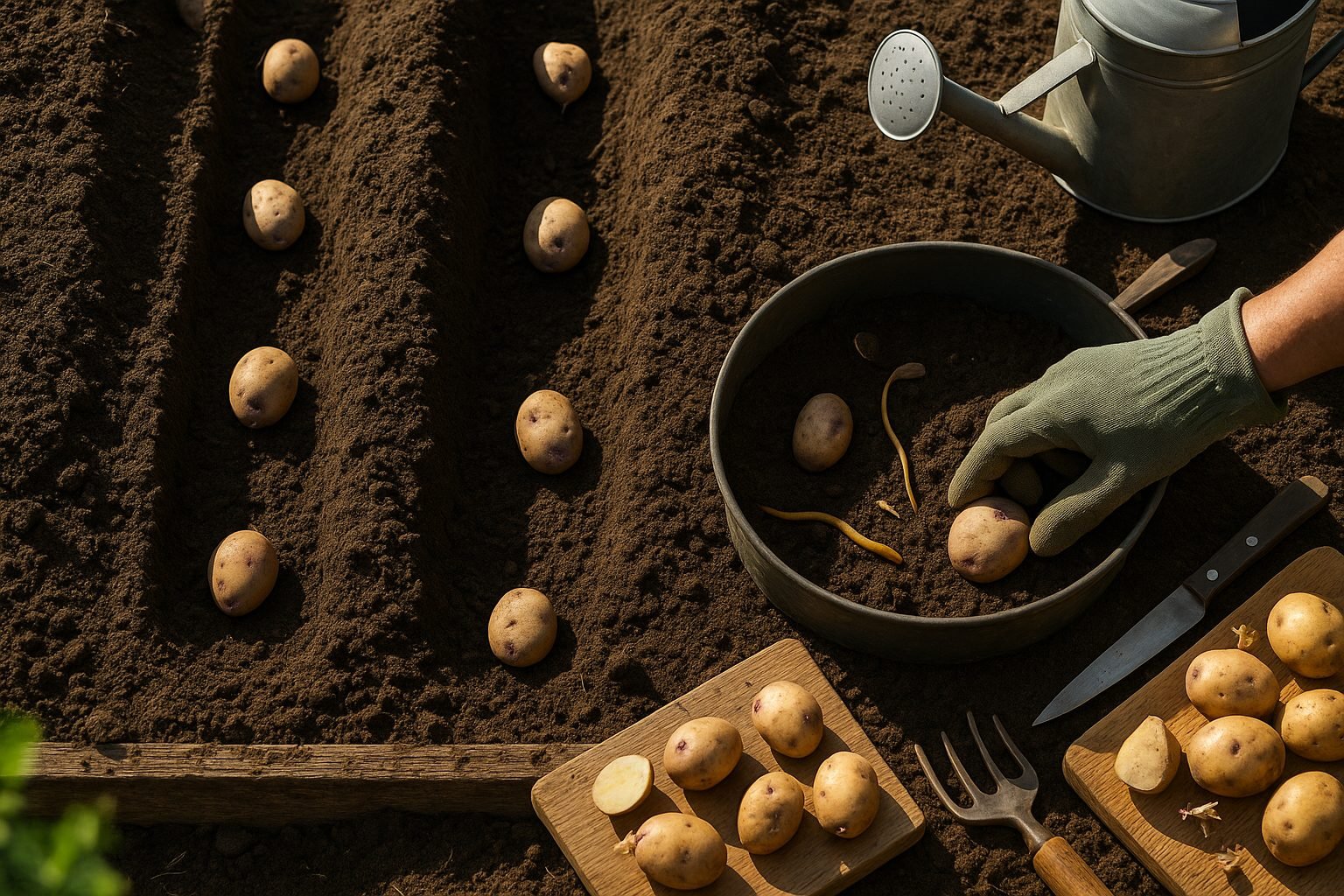
To figure out how many seed potatoes per square foot you should plant, start with the standard guideline: most potato varieties do well with about 12 inches of space between each plant in every direction. For square-foot gardening, this means planting one seed potato in the center of each square foot grid, giving the plant enough room for foliage and tuber development.
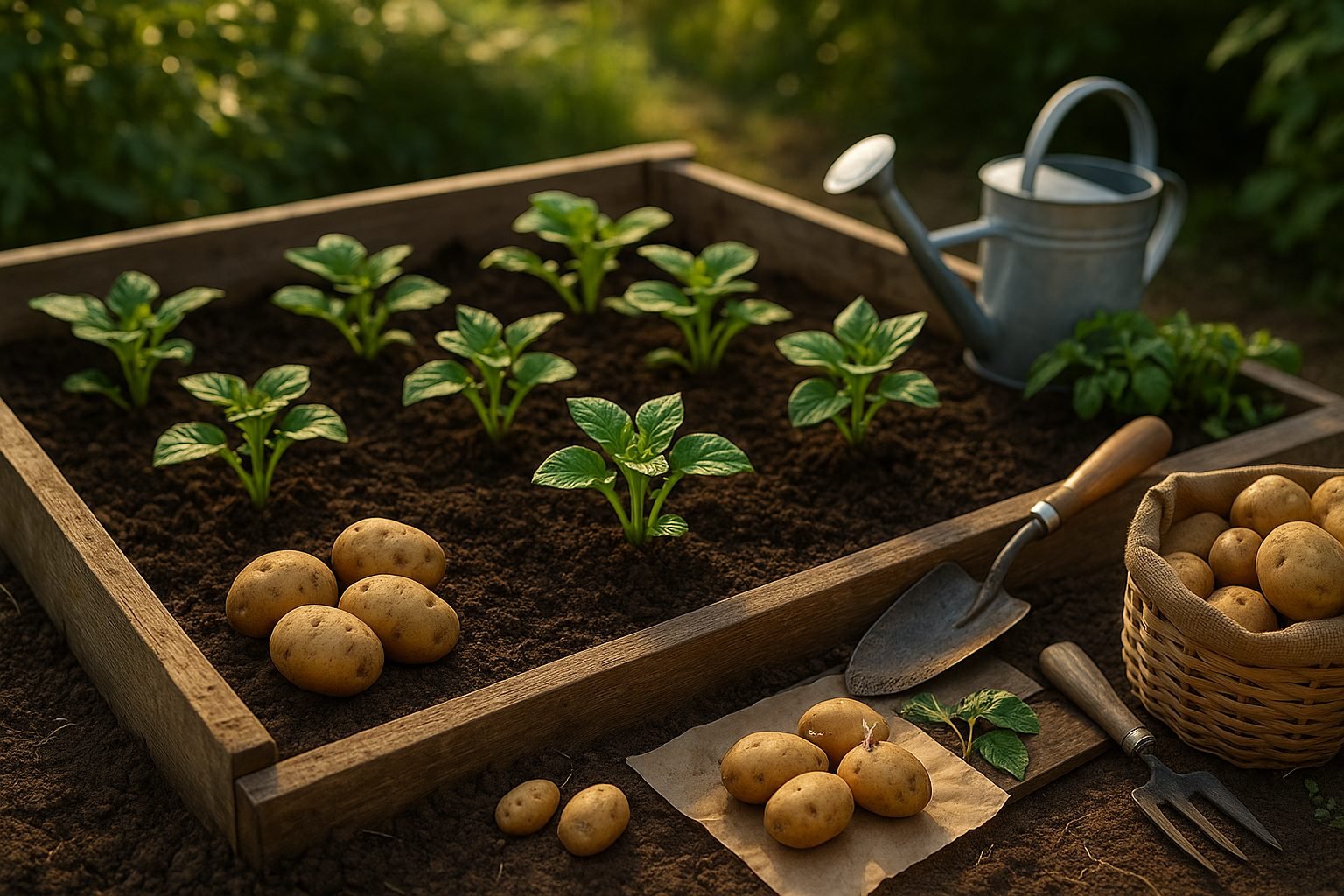
For example, in a 4×4-foot garden bed, you could plant 16 seed potatoes, each occupying a single square. This method keeps things simple and prevents overcrowding, which can cause smaller tubers or raise the risk of disease.
If you prefer the traditional row method, space potatoes 12 inches apart within rows and keep rows about 24 to 36 inches apart for easier access and better air circulation. The number of seed potatoes per square foot in this setup depends on your row spacing, but essentially, it’s about one seed potato per foot within each row.
Plant size and variety also influence spacing needs. Compact varieties like “baby” or fingerling potatoes can be planted a bit closer, sometimes fitting two per square foot, while larger varieties require more space. Always check the seed packet or supplier’s guidelines, as some types may need more or less room than the standard recommendation.
Remember, overcrowding might increase foliage but usually results in fewer and smaller potatoes, so avoid planting more than recommended. Proper spacing will lead to a healthier and more productive harvest.
Factors That Affect Ideal Planting Density
When deciding how many seed potatoes per square foot to plant, several key factors can significantly impact your harvest. One of the most important is the potato variety. Bush-type potatoes, which grow compactly, can be planted closer together, maximizing your space. In contrast, vining types—also called “indeterminate” or “sprawling” potatoes—need more room to accommodate their extended underground growth.
Your garden’s layout also plays a big role in spacing. In raised beds, where soil is often looser and richer, you can plant slightly closer—sometimes up to 1 seed potato per square foot, or even more for small, early varieties. In containers, it’s best to space plants more sparsely, around 1 seed potato per 2–3 square feet, since air circulation and limited nutrients are more critical in confined spaces. For traditional ground beds, stick to classic spacing guidelines: keep about 12 inches between seed potatoes in all directions to ensure good airflow and make hilling easier.
Local climate is another important factor. In cool, damp climates, crowding plants increases the risk of fungal diseases, so err on the side of wider spacing to improve airflow. In warmer regions, planting a bit closer is sometimes fine, but make sure the foliage can dry quickly after rain or dew. Soil quality also influences spacing: rich, well-draining, loose soil allows for tighter planting since roots and tubers develop more easily. In heavy or poor soil, wider spacing helps potato plants access water and nutrients without too much competition.
Finally, sunlight plays a big role. Potatoes need at least six hours of direct sun daily to thrive. If part of your planting area is shaded, spread plants wider to reduce competition for light and encourage healthy tuber development. By considering these factors, you’ll be able to tailor your seed potatoes per square foot for the highest yields in your unique garden.
Practical Planting Configurations (with Examples)
When deciding how many seed potatoes per square foot to plant, your approach will depend on both available space and your harvest goals. For classic raised beds, a common setup is a 4×4-foot plot, which provides 16 square feet. For standard yields, space each seed potato about 12 inches apart in all directions—meaning one seed potato per square foot, or 16 in a 4×4 bed.
If you want bigger tubers, increase the spacing to about 15 inches, reducing the count to around 10-12 per bed. For smaller gardens or urban spaces, consider 2×4-foot beds: with 12-inch spacing, you can plant 8 seed potatoes here.
In containers like 5-gallon buckets, you can fit one or at most two seed potatoes, since crowding leads to smaller potatoes and a higher risk of disease. Some gardeners try intensive planting, squeezing two seed potatoes into a square foot. This yields more but smaller potatoes per plant—ideal if you like bite-size nuggets or want a higher overall volume from a tiny space.
For better airflow and fewer disease problems, stick with one seed potato per square foot, especially if blight is a concern. To maximize your harvest in tight spaces, plant seed potatoes after sprouting (“chitting”) and be diligent about hilling soil up around the growing stems so tubers stay covered and continue developing.
If you’re working with grow bags (15-20 gallons), three to four seed potatoes per bag strikes a good balance—any more and yields per plant often drop. Ultimately, adjust your seeding based on your available space, whether you prefer larger potatoes, and how intensively you want to manage the crop. By tailoring the number of seed potatoes per square foot to your setup and preferences, you can get the most from any garden, big or small.
Common Mistakes and How to Avoid Them
Planting the optimal number of seed potatoes per square foot can be tricky, and several common mistakes can impact your harvest. Overplanting, for example, squeezes too many seed potatoes into a small space, causing overcrowding, poor airflow, and smaller tubers as the plants compete for nutrients. To prevent this, stick to the recommended spacing—typically one seed potato per square foot for most varieties.
On the other hand, underplanting might seem safer, but it wastes valuable space and results in a lower overall yield than your garden could produce. If you’re working with limited space, aim to plant at least one seed per square foot while leaving enough room for healthy foliage to spread.
Another key mistake is neglecting soil depth. Potatoes need loose, well-drained soil that’s at least 8–12 inches deep to develop properly. Shallow soil will produce fewer, misshapen potatoes. Consider using raised beds or hilling soil around the plant bases as they grow to encourage more tuber development.
Throughout the growing season, keep an eye on your plants for signs of overcrowding, nutrient deficiency (like yellowing leaves), or stunted growth. Make timely adjustments—such as thinning seedlings or adding compost—to keep your plants healthy and productive. Regular monitoring helps you address issues early, ensuring your careful spacing and soil preparation pay off with a bountiful potato harvest.
Quick Reference Table & Final Tips
Here’s a quick reference table to simplify your potato planting: For standard varieties, plant 1 seed potato per square foot; for smaller fingerling types, you can fit up to 2 seed potatoes in the same space. Always maintain 12 inches between seed pieces to promote strong growth and good airflow. Container or grow-bag gardeners can plant 2–3 seed potatoes per 10-gallon bag.
To maximize your yield per square foot, use certified, disease-free seed potatoes and rotate your potato patch each year to prevent soil-borne diseases. Use loose, well-composted soil and mound it around plants as they grow—this encourages more tubers to form higher on the stem. Keep your soil moist but not soggy, especially during the tuber-setting stage. Mulching helps conserve moisture and suppress weeds, reducing chores and water use.
If you want to fine-tune your potato patch even more, explore companion planting, the best potato fertilizers, or proper watering techniques. These related tips will help you grow lush, productive potato beds in the space you have.