Introduction to Onion Pollination
onion pollination is a vital process that ensures your onions don’t just grow tasty bulbs but also produce viable seeds for future crops. Pollination, at its core, is the transfer of pollen from the male part of a flower to the female part, allowing plants to set seed. For onions, this step is especially important if you want to collect seeds for next season or promote healthy bulb development.
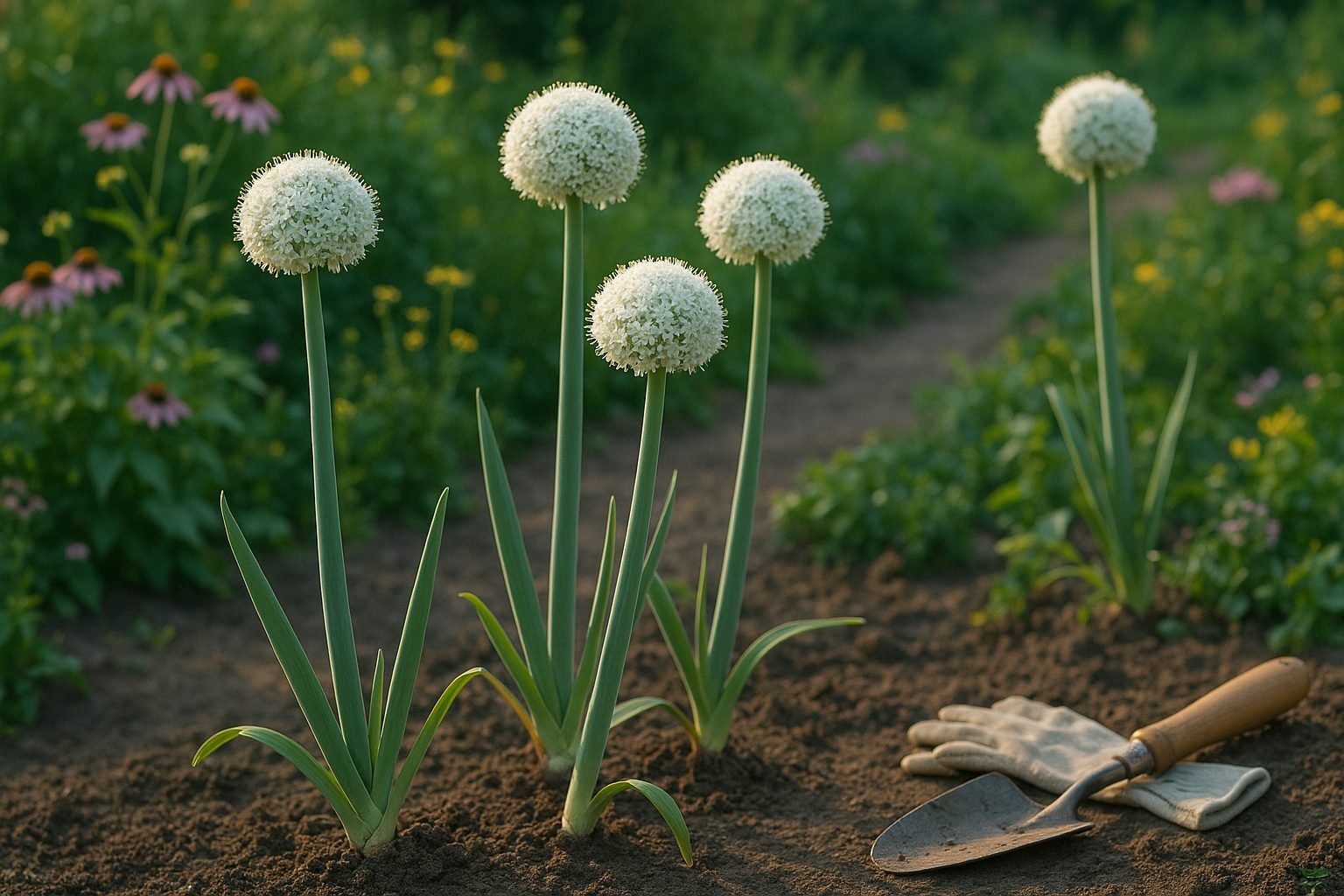
Unlike many fruiting plants that rely heavily on bees and other pollinators, onion flowers are somewhat unique—they’re open and exposed in umbrella-shaped clusters called umbels, making their pollen accessible to a variety of insects. However, onions don’t self-pollinate efficiently, and their pollen isn’t sticky, so wind plays a lesser role compared to insects such as bees, wasps, and even hoverflies.
If you notice your onion patch flowering but producing few seeds, it might be due to poor onion pollination—perhaps from a lack of insect activity or unfavorable weather. While most backyard gardeners don’t need to get involved, those growing onions for seed often introduce pollinator-friendly plants nearby or, in rare cases, hand-pollinate to boost success.
Understanding these nuances can help ensure your onions thrive and reproduce year after year.
Onion Flower Structure and How It Impacts Pollination
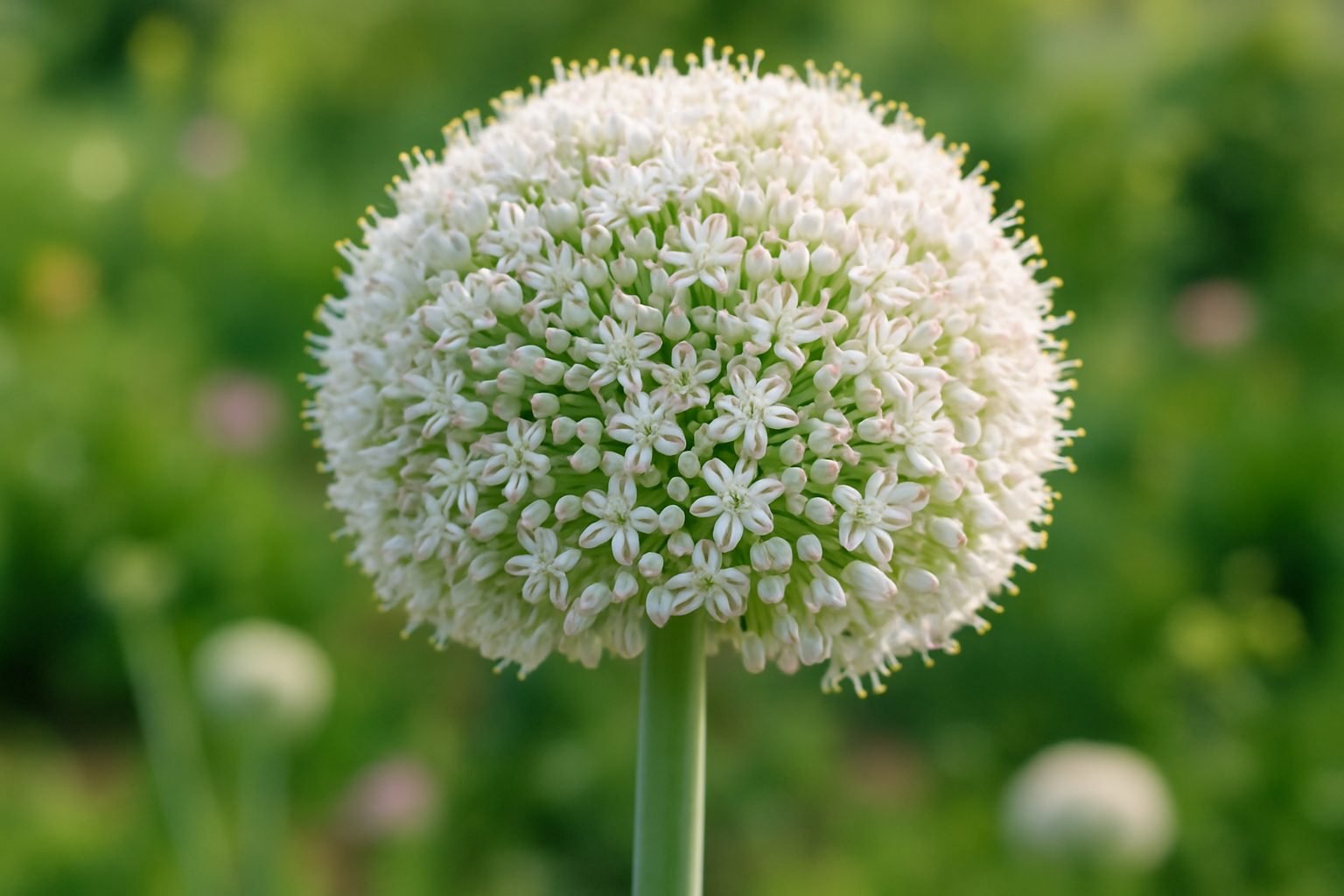
Onion flowers have a unique and fascinating structure that directly influences how they are pollinated. At the top of a mature onion stalk, you’ll notice a globe-like cluster called an umbel, made up of dozens or even hundreds of tiny, star-shaped florets. Each floret is a complete flower, containing both male (stamens with pollen) and female (stigmas) reproductive parts.
This dense arrangement of closely packed florets creates an eye-catching sphere, making it highly attractive to pollinators like bees, hoverflies, and other insects. Because the flowers are so small and crowded together, a single visiting insect can brush against multiple florets in one stop, easily transferring pollen from one flower to another as it moves around the umbel. The structure also means that pollen grains don’t have to travel far, increasing the chances of successful fertilization.
Onions typically start to bloom in late spring or early summer, depending on variety and location. As the flower buds prepare to open, a papery sheath called a spathe splits to reveal the developing umbel. When in bloom, the flower heads have a striking, snowball-like appearance—generally white but occasionally with touches of pink or lavender. Noticing bees swarming around these umbels is usually a sign that flowering is at its peak and pollination is underway.
For gardeners aiming to save onion seeds, this is the ideal time to watch for cross-pollination with other alliums. Planting different onion varieties or related species far apart can help maintain seed purity.
Understanding the onion flower’s umbel structure and blooming cues helps both gardeners and small-scale farmers encourage healthy pollination and ensure good seed production.
Understanding the Onion Pollination Process
Onion pollination is a fascinating process that begins when the spherical umbels atop their stalks burst into clusters of small white flowers. Each flower contains both male (anthers) and female (stigma) organs. First, mature anthers release pollen grains, which must reach receptive stigmas for successful fertilization.
While onions are biologically capable of self-pollination—meaning a flower can receive its own pollen—most commercial and open-pollinated onion varieties are naturally designed for cross-pollination. This means pollen typically comes from a different plant, carried mainly by bees or other pollinators as they visit flower after flower in search of nectar.
Cross-pollination is crucial for onions because it increases genetic diversity, resulting in hardier plants and better seed set. Without enough pollinator activity or when fields are too uniform, self-pollination may dominate, but this often leads to lower seed yields and weaker, less resilient plants.
Farmers can encourage effective pollination by placing beehives near onion fields or planting companion flowers to attract more diverse pollinators.
After pollen lands on the stigma, a pollen tube forms, allowing sperm cells to travel down into the ovary and fertilize the ovules. This fertilization step is what ultimately leads to viable onion seeds.
So, while onions can technically pollinate themselves, their flowers are structured to encourage cross-pollination for the healthiest, most productive crops—making insect allies in the field absolutely essential.
If you’re growing onions for seed, remember that keeping a variety of pollinators active and fields well-spaced will lead to a robust harvest and vibrant, disease-resistant plants.
Natural Pollinators and Their Role in Onion Crops
Natural pollinators like bees, flies, beetles, and even butterflies play a crucial role in the success of onion crops by transferring pollen between flowers, which is essential for seed production and healthy yields. Bees—especially honeybees and bumblebees—are particularly effective because they’re naturally drawn to the round, clustered heads of onion blossoms that offer easy landing spots and a steady supply of nectar.
Flies and some beetles are also valuable onion pollinators, with species like the hoverfly often spotted buzzing around fields thanks to the mild scent and whitish-green color of onion flowers. The color and scent of onion blooms are key attractants: onions tend to produce flowers with high-contrast colors and sweet-smelling nectar that lure insects from nearby habitats.
However, pollinators face several hurdles in agricultural environments. The widespread use of pesticides can harm or even kill the very insects onions rely on, and large-scale monoculture fields with little plant diversity may offer limited food sources or shelter, discouraging pollinators from staying in the area. Harsh weather, habitat loss, and competition from other flowering plants can also reduce pollinator visits.
Supporting Natural Pollinators
To support natural pollinators, farmers can:
- Plant flower strips with a variety of blooms at field edges
- Reduce pesticide application during flowering periods
- Provide natural habitats like hedgerows or undisturbed grassy areas nearby
These small actions can make a big difference in attracting and sustaining the helpful insects onion crops depend on for healthy pollination and robust yields.
Hand Pollination: When and How to Do It
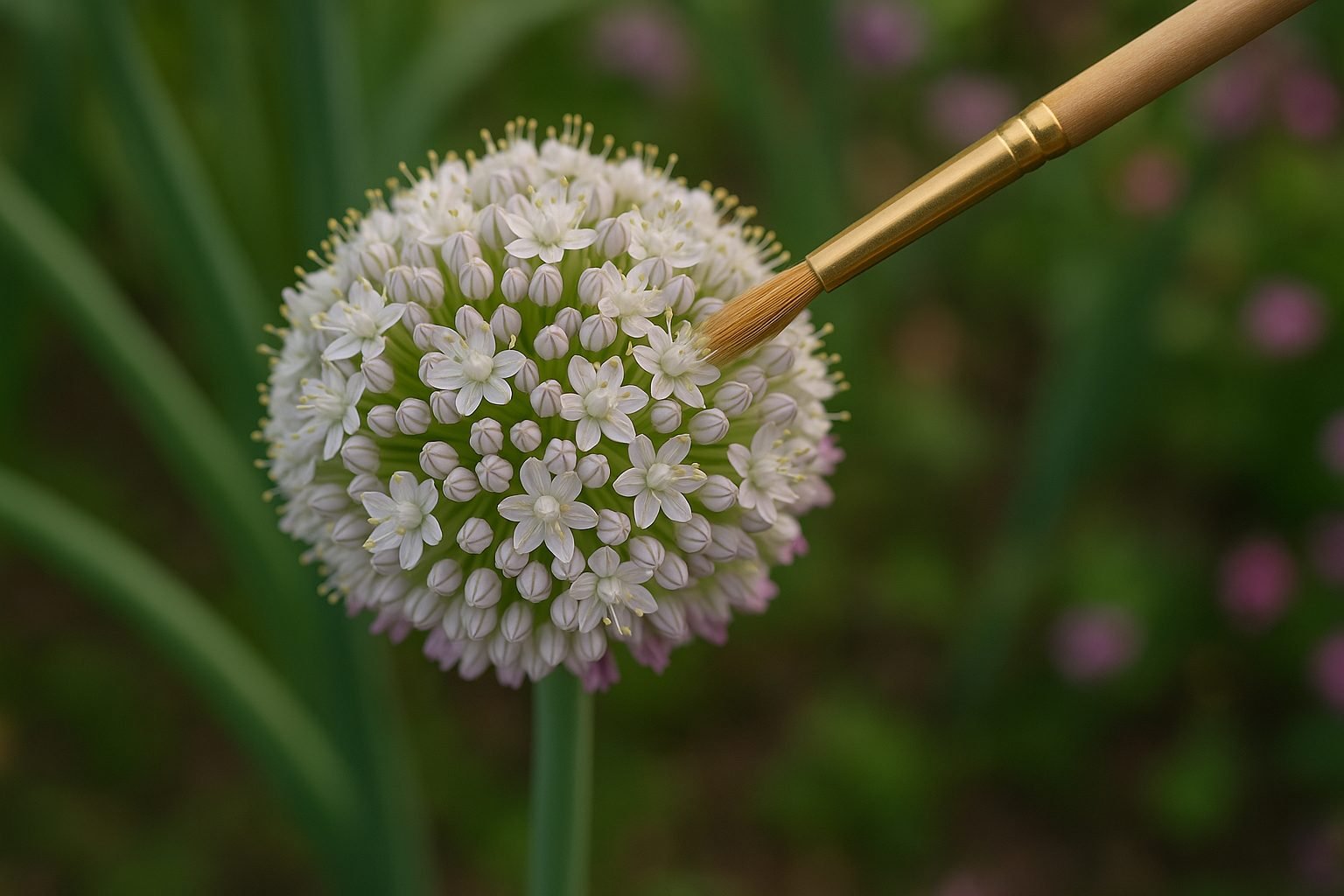
Hand pollination is a handy technique when you’re growing onions in small gardens, greenhouses, or anywhere natural pollinators like bees are scarce. Successful onion seed production relies on transferring pollen from the anthers of one flower to the stigma of another, usually within the same or a neighboring flower head.
To start, pick a dry, sunny morning when the flowers are fully open—this is when pollen is most viable. Using a clean, small paintbrush or cotton swab, gently brush the anthers to collect pollen and then dab it onto the center of another flower. Repeat this over multiple flowers to ensure cross-pollination, which leads to better seed quality and quantity.
Clean your tool between plants if you’re working with different onion varieties to avoid unwanted crossbreeding. For best results, hand pollinate every other day during the main flowering period, and don’t forget to keep the plants well-watered and fed with a balanced fertilizer.
Watch for any signs of pests or disease and remove affected flowers promptly. By mimicking the actions of bees and staying consistent, you can greatly improve your onion’s seed set, ensuring a healthy crop for seasons to come—even when nature’s pollinators are in short supply.
Supporting Pollinators for Successful Onion Yields
Encouraging a thriving pollinator community can make a dramatic difference in onion yields, as onions rely heavily on insects like bees to set seed and produce full, healthy bulbs. One of the simplest ways to support pollinators is to increase plant diversity near your onion beds.
Try adding clusters of native wildflowers, herbs like basil and mint, or flowering cover crops around the edges—these create a steady food supply throughout the growing season, attracting bees, hoverflies, and butterflies. Wildflower strips are perfect for drawing a diverse array of pollinators; even a 3-foot-wide border along a field or garden can make a big difference.
Avoiding broad-spectrum pesticides is also crucial, since these chemicals often harm beneficial insects along with pests. If plant protection is necessary, opt for selective or organic methods and always spray at dusk, when bees are less active.
Leave small patches of bare ground and some plant debris to provide solitary bees with safe nesting spots. Additionally, offer a few shallow dishes of water with pebbles for drinking—small touches like these help keep pollinators healthy and nearby.
Beyond boosting onion yields, healthy pollinator populations improve the productivity and resilience of your entire garden, supporting fruit trees, squash, berries, and tomatoes. By creating a pollinator-friendly environment, gardeners and farmers set the stage for more abundant harvests, greater biodiversity, and stronger natural pest control—making every season more rewarding.
Pollination Challenges and Solutions in Onion Cultivation
Onion growers often face significant pollination challenges, with weather disruptions, pesticide drift, and declining pollinator populations topping the list. Unpredictable weather—especially excessive rain or wind during flowering—can reduce pollinator activity and affect flower viability. Pesticide applications made during bloom periods may unintentionally harm bees and other essential pollinators. In recent years, the general decline in bee populations has become a real concern, putting future yields at risk.
To improve pollination success, growers can adopt practical tactics such as planting wildflower strips or maintaining flowering cover crops nearby to attract and support native pollinators. Timing pesticide sprays for early morning or late evening, when bees are less active, helps minimize harmful exposure. Some farmers have also found success renting or keeping honeybee hives during onion bloom to increase pollinator presence.
Above all, ongoing pollinator management—regularly monitoring bee activity, habitat quality, and adjusting practices as needed—is crucial. Investing in these solutions supports not just higher yields but also the long-term sustainability of onion production.