Introduction
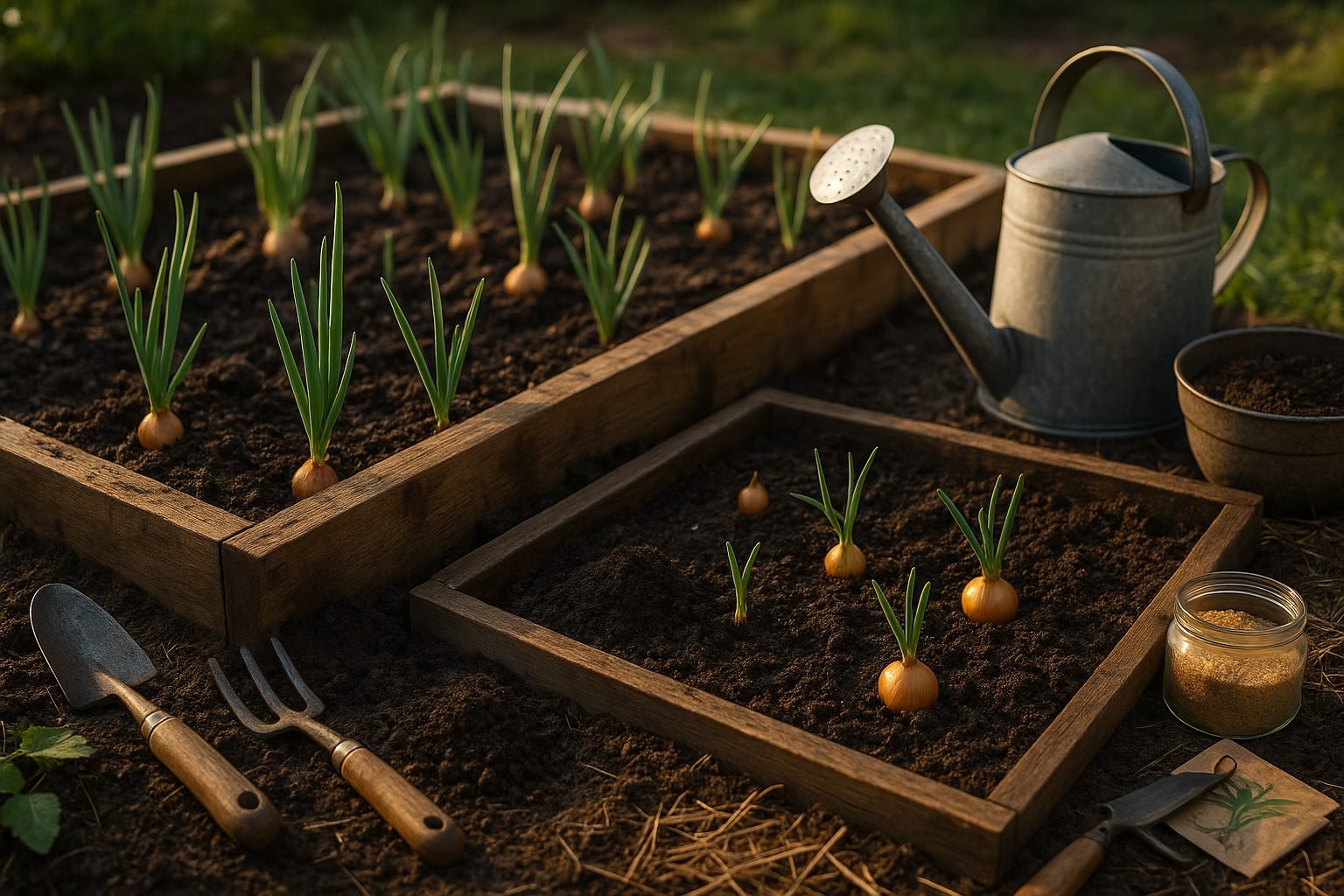
Choosing the right onion gardening tools can be the difference between a struggling crop and a thriving onion patch. Whether you’re a backyard hobbyist or managing a larger market garden, using the proper tools isn’t just about saving time—it’s about maximizing yield and producing top-quality onions. Imagine trying to sow tiny onion seeds by hand or dig up mature bulbs with a regular shovel; without purpose-built equipment, you risk damaging delicate roots, missing optimal planting depths, and increasing effort at every step.
The right onion gardening tools help you plant in neat rows, maintain precise spacing, cultivate healthy soil, and harvest bulbs gently for lasting storage. In this post, we’ll cover the best tools for each stage of onion cultivation: sowing and transplanting, weeding and soil care, watering and fertilizing, and finally, lifting and curing your onions. With these tools in hand, you’ll work smarter, boost efficiency, and enjoy a noticeable improvement in both the quantity and quality of your onion harvests.
Essential Tools for Preparing Onion Beds
Preparing your onion bed is a crucial first step, and using the right onion gardening tools can really boost your harvest. Start with a sturdy garden fork—it’s perfect for loosening compacted soil and breaking up clumps without harming beneficial soil organisms. Opt for one with a comfortable grip and a solid, one-piece design to handle heavy or clay soils.
For larger plots, a quality rototiller is a smart choice. It quickly churns the soil, mixes in compost and amendments, and aerates the ground, helping onions develop strong, deep roots. If you’re working with smaller gardens or raised beds, a hand cultivator offers similar benefits, giving you better control around existing plants.
Rakes are also essential. A steel-tined rake works great for leveling the bed, clearing debris, and creating a smooth surface. Look for rakes with reinforced heads and long, ergonomic handles to reduce back strain—your body will thank you during those long prepping sessions.
Investing in durable, ergonomic onion gardening tools not only saves you from repetitive strain injuries but also cuts down on replacement costs, especially during busy planting times. Remember, onions grow best in loose, well-drained soil rich in organic matter. Proper soil preparation with the right tools allows bulbs to expand easily, absorb nutrients efficiently, and resist disease by preventing waterlogging.
Skipping this step can lead to misshapen, stunted onions that struggle to mature. In short, equipping yourself with high-quality garden forks, tillers, and rakes speeds up the task and sets the stage for a healthy, flavorful onion harvest.
Sowing Tools for Onion Sets and Seeds
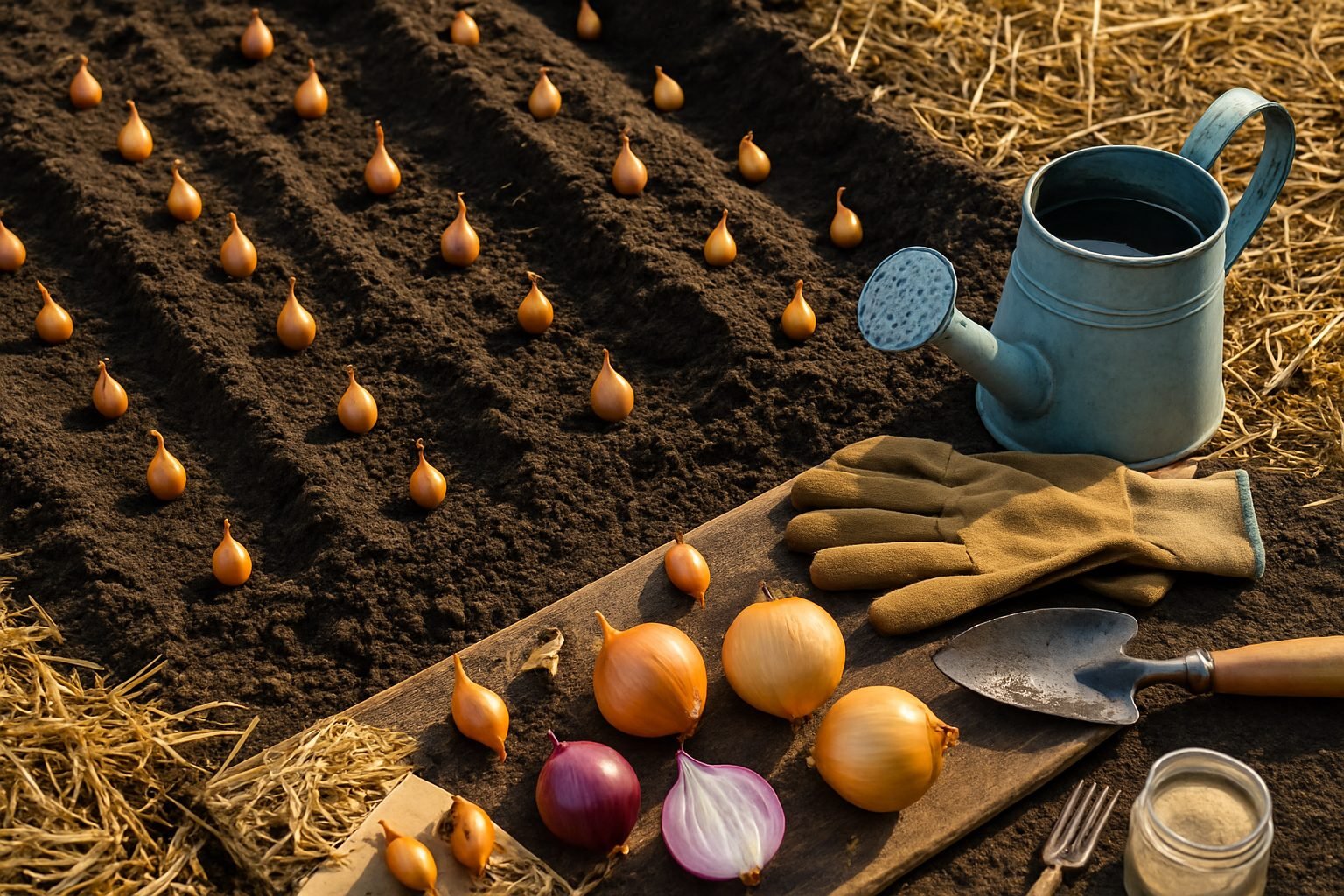
When starting your onion patch, using the right onion gardening tools for sowing sets and seeds is essential for a healthy, uniform crop. Hand seeders are a favorite among gardeners—they allow you to evenly sprinkle seeds and avoid clumps, improving germination rates. For those planting onion sets (small bulbs), a dibber is invaluable: this pointed tool creates precise holes at consistent depths, giving each set the ideal conditions to develop strong roots.
Planting guides, such as ruler-style markers or pre-made template boards, help you maintain perfect spacing between each set or seed. This prevents competition for nutrients and ensures your onions have enough room to grow to full size. For small home gardens, manual tools like these offer great control and require minimal storage space and maintenance.
If you’re sowing onions on a larger scale—whether in raised beds or a market garden—small mechanical seeders can save you time and distribute seeds at precise depths and intervals without much physical effort. These tools range from hand-pushed models to attachments for small tractors.
Whichever tools you choose, consistency in planting depth is key to preventing uneven sprouting or rot. A simple way to achieve this is by marking your dibber or seeder for the recommended depth (usually about 1/2 inch for seeds and 1 inch for sets). Always work with moist, but not soggy, soil, and gently press the soil back over your seed or set without compacting it too tightly. With a few simple onion gardening tools and careful attention, you’ll set the stage for onions that thrive from the start.
Watering Tools: Keeping Onions Hydrated
Watering is a crucial part of successful onion gardening, and having the right onion gardening tools makes all the difference in keeping your onions hydrated without overwatering. Watering cans are a classic choice, especially for small gardens or raised beds. Opt for a can with a fine spray head—often called a “rose”—to gently disperse water, ensuring delicate onion seedlings aren’t knocked over and the soil remains loose.
For gardeners with larger onion patches, drip irrigation systems provide consistent moisture directly to the roots and are highly efficient in water use. Drip emitters can be spaced to match your planting rows, delivering the perfect amount of water to each bulb while minimizing waste and reducing the risk of fungal issues caused by wet foliage. Soaker hoses are another excellent option; they release water slowly along their length, making them ideal for long onion beds. Look for hoses with uniform perforations to ensure even flow, preventing puddles and keeping the shallow roots at an optimal moisture level.
No matter which watering tool you use, regular maintenance is essential for durability and plant health. Empty watering cans after each use to avoid rust or buildup, and clean the spray head periodically to prevent clogs. For drip irrigation, inspect lines and emitters frequently for blockages—especially during dry spells when mineral deposits can harden—and flush the system annually. Soaker hoses benefit from occasional soaking in vinegar or mild soapy water to remove mineral buildup, and storing them away from direct sunlight will extend their lifespan. By dedicating some time to tool care, you’ll ensure that every watering session promotes healthy, thriving onions all season long.
Weeding and Maintenance Tools
When tending to your onion patch, choosing the right onion gardening tools can make a huge difference in both plant health and the ease of your gardening routine. Onions have shallow, delicate roots that are easily disturbed, so lightweight and gentle tools are key. Stirrup hoes—also known as action hoes or scuffle hoes—are great for quick, shallow weeding, cutting just below the soil’s surface without digging deep enough to harm your onions.
For tighter spaces between rows or individual plants, hand weeders like narrow blade weeders or long-handled dandelion diggers let you remove weeds precisely without disturbing nearby bulbs. Mulching is another smart strategy for suppressing weeds and retaining moisture; reusable hand mulchers or simple mulch forks let you spread straw or shredded leaves evenly around young onions without heavy equipment.
To reduce repetitive strain, look for ergonomic grips or padded handles on many modern weeding tools—these help minimize hand fatigue during longer sessions. Time-saving maintenance is also possible with multi-purpose tools like a collinear hoe, which slices through weeds almost effortlessly while you stand. For added efficiency, compact cordless cultivators offer a gentle, battery-powered way to aerate soil and uproot small weeds without risking damage to fragile roots.
By choosing specialized, onion-friendly gardening tools, you’ll protect your crop and turn weeding and maintenance into a faster, more enjoyable part of your gardening routine.
Best Tools for Harvesting Onions
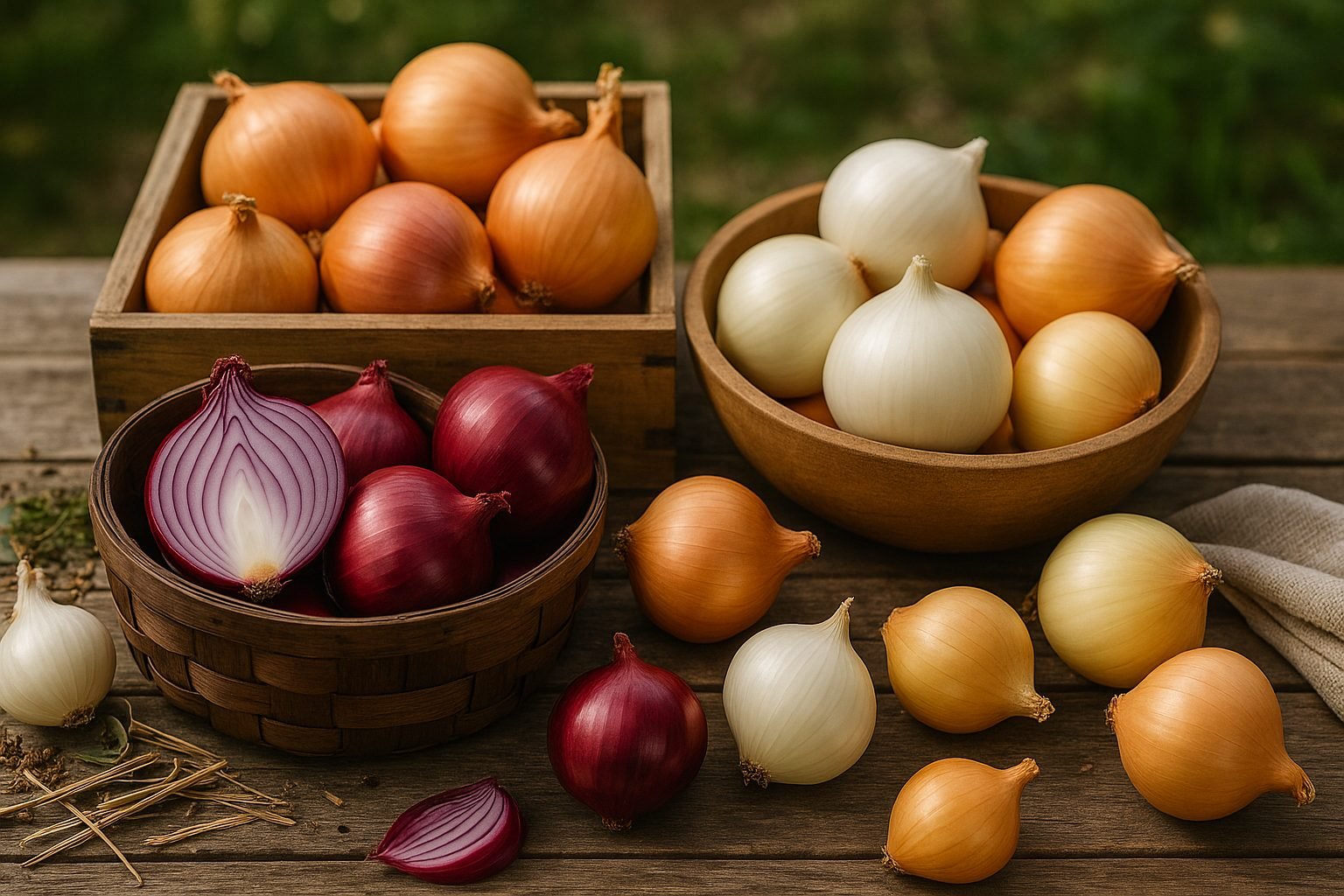
When it comes to onion gardening tools for harvesting, a few essential items can make your job much easier and help protect your crop. Onion forks—sometimes called digging forks or garden forks—are specially designed to slide under the onion bulbs and gently loosen the soil. Look for models with flat, wide tines that minimize the risk of slicing or bruising the onions. Metal tines offer better leverage, especially in clay-heavy or compacted soil.
A garden knife is another valuable tool, particularly for trimming off onion tops and roots after the bulbs have been lifted. Choose a sharp knife with a comfortable, non-slip handle so you can work quickly and safely. After harvesting, sturdy harvesting baskets or ventilated crates are perfect for collecting and transporting onions. Opt for containers with plenty of airflow to prevent moisture buildup, which can lead to rot.
When selecting tools, prioritize those that are gentle on your onions. For example, avoid heavy shovels, as they can cut into the bulbs and leave them vulnerable to disease. A common mistake is pulling onions directly by hand, which can tear the stem or bruise the bulb, reducing storage life. Instead, use your onion fork to carefully lift beneath the plants, shaking off excess soil. Check that your fork’s tines are spaced appropriately—not too wide, which could miss smaller bulbs, and not too narrow, which might compress or pierce them.
For best results, harvest onions once the tops turn yellow and fall over, signaling maturity. Let them sit undisturbed in the soil for another week to cure, which helps their skins toughen for storage. Always choose a dry day for harvesting; wet soil can make bulbs muddy and susceptible to rot. With the right onion gardening tools and gentle technique, your onions will come out of the ground healthy, intact, and ready for long-term storage.
Cleaning, Curing, and Storage Essentials for Onion Gardening Tools
After harvesting your onions, taking the right steps to clean, cure, and store them is key to preserving their flavor and extending their shelf life. For cleaning, onion gardening tools like soft-bristled brushes are perfect for gently removing dirt or leftover soil from bulbs without bruising their delicate skin. Mesh trays are also useful, as they allow you to lay onions out in a single layer, letting debris fall through while maintaining good air circulation for initial drying.
When it comes to curing, drying racks—whether stackable or wall-mounted—provide essential airflow around each bulb, speeding up the process and reducing the risk of mold and rot. For storage, ventilated crates or wooden slatted boxes are excellent choices; they keep onions off damp surfaces and allow air to circulate freely, dramatically lowering the chance of sprouting or spoilage.
Using these onion gardening tools at every stage helps keep your harvest fresh and flavorful for months. For small-scale home gardeners, DIY options can work well—you might repurpose old baking racks as drying shelves or use laundry baskets with holes as makeshift mesh trays. That said, commercially available products are usually sturdier, stack more efficiently, and may suit larger harvests better. Either way, the main goal is airflow and gentle handling—whichever tools you choose, they’re essential for getting the most out of your onion crop while minimizing waste.
Conclusion
Using the right onion gardening tools can make every stage of growing and harvesting onions easier, more efficient, and a lot more enjoyable. Specialized tools like quality hand trowels, soil testers, and ergonomic harvest forks not only speed up planting and care but also help protect delicate bulbs and roots, reducing plant stress and boosting your eventual yield.
With the proper gear, even challenging tasks—such as loosening compacted soil or cleaning freshly dug onions—become less daunting, letting you focus on cultivating healthy, flavorful crops. If you’re serious about getting the most from your onion patch, upgrading or investing in well-made tools is a smart step that pays off season after season.
Have a favorite onion gardening tool you swear by, or a tip for easier harvesting? Share your experiences and recommendations in the comments to help grow our community knowledge!