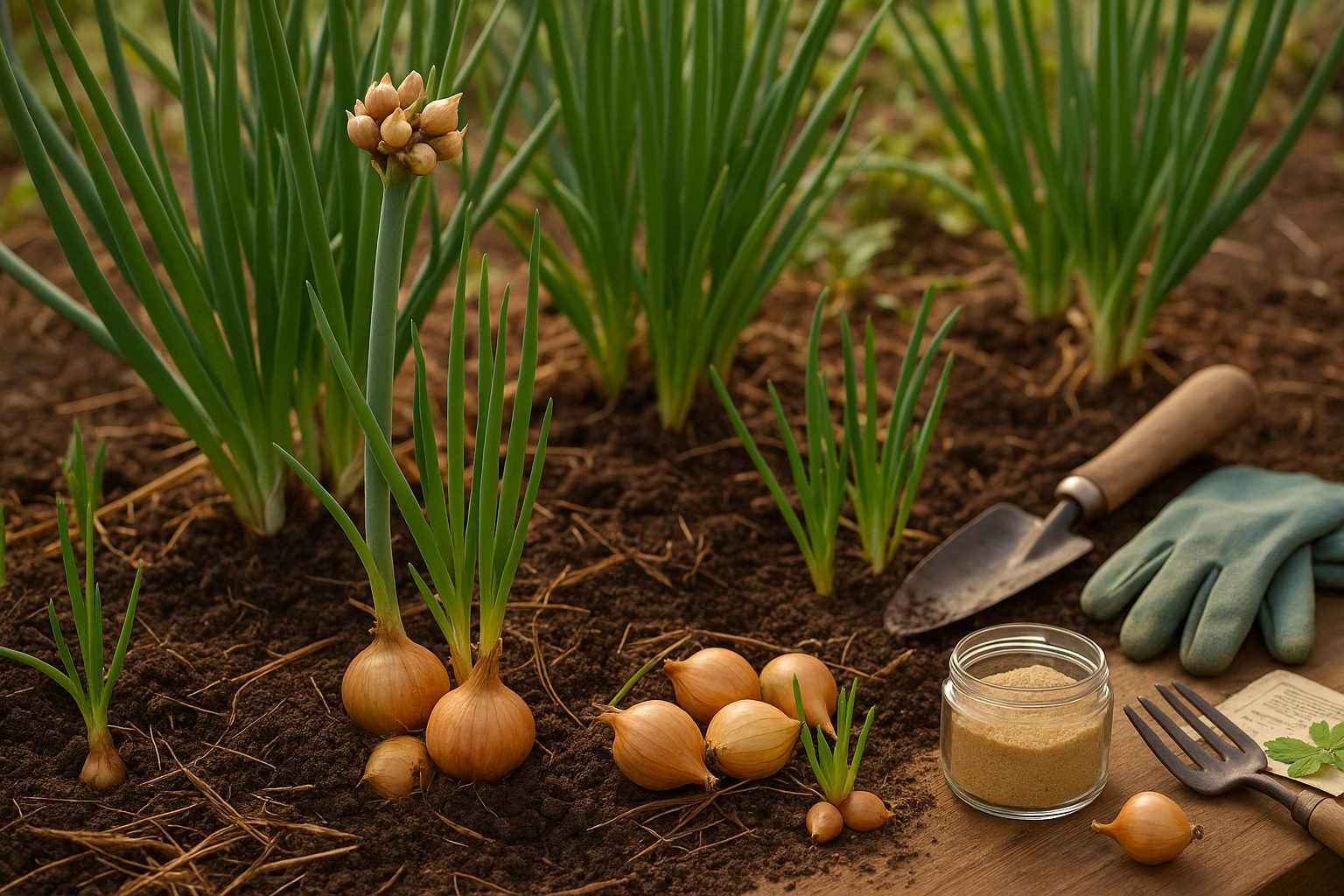
Understanding Onion Plant Types and Life Cycles
If you’ve ever wondered, are onions perennial, you’re not alone. The world of onion plants can be surprisingly complex, with gardeners often unsure about how long their alliums are really supposed to last in the ground. To answer this, it helps to understand a bit about botanical classifications for plants—mainly annuals, biennials, and perennials.
An annual completes its entire life cycle, from seed to flower to seed again, in a single year—think of crops like lettuce or marigolds. Biennial plants, such as carrots and, interestingly, many onions, take two years to fully mature; they spend the first year growing and then flower and reproduce in the second. Perennials, like asparagus or chives, come back year after year, growing anew each season from the same root system.
What makes onions fascinating (and sometimes confusing!) is that depending on the variety and how they’re cultivated, onions might be grown as annuals, biennials, or even perennials. In home gardens, most onions are typically grown as annuals—pulled up within a single season for their bulbs—while in wild or less-managed settings, certain types can persist for several years, popping up season after season.
This means you might see a scallion re-sprout if you leave its roots behind, or hear about old heirloom bulb onions that keep giving. Understanding the distinctions between these growth habits is key to successful gardening and can help you decide which onion varieties suit your needs.
In the following sections, we’ll look closer at how different onion types behave and explore real-world tips on selecting and growing onions, whether you want to harvest them every year or grow them as a low-maintenance, long-lived crop.
How Most Gardeners Grow Onions: The Annual Approach
For most home gardeners, onions are grown as annuals. They plant onion sets, seeds, or transplants in the spring and harvest the mature bulbs by late summer, all within the same season. This annual approach is by far the most popular and practical method, even though the answer to “are onions perennial?” is a bit more nuanced.
Gardeners often prefer the annual cycle because it matches the onion’s natural growth stages—bulbs mature best when plants experience long days followed by dry conditions. Harvesting at the end of the season ensures you get large, flavorful bulbs before plants send up flower stalks, which signal the end of bulb development and reduce storage quality.
Climate also plays a big role: in regions with freezing winters, any onion plant left in the ground risks being killed by cold or rot over winter, making perennial growth impractical. Additionally, most gardeners want to use their space efficiently by rotating crops each year to reduce disease and maintain healthy soil.
Growing onions annually also offers the advantage of choosing varieties based on size, flavor, and storage ability. Since some onions keep better than others, you can select types that suit your kitchen needs without worrying about overwintering plants.
Overall, while onions can survive and regrow if left undisturbed in milder climates, most gardeners stick with the annual method for reliability, predictable harvests, and fewer complications.
Biennial Nature of Common Bulbing Onions
When asking, “are onions perennial?” many gardeners are surprised to learn that common bulbing onions (Allium cepa) are actually biennial, not true perennials. Their life cycle spans two years under natural conditions. In the first growing season, onion plants focus on developing a robust bulb while producing a cluster of slender green leaves above the ground. This bulb serves as a nutrient storage vessel, enabling the plant to survive through winter’s cold.
If left in the ground, as temperatures warm the following year, the onion shifts its energy from bulb growth to sending up a tall flowering stalk. This stalk blossoms and sets seed, completing the plant’s life cycle before the bulb generally declines and dies.
For gardeners, understanding this cycle has practical implications. If you want to save onion seeds, allow at least a few bulbs to overwinter in the soil; these will flower the next season, yielding seeds you can harvest for planting. However, overwintering onions outdoors is only viable in regions with mild winters, as hard freezes can kill or rot bulbs left in the ground.
Alternatively, some gardeners dig up mature bulbs in the fall, store them through the cold months, and replant them in spring to ensure seed production. It’s also worth noting that, unlike some plants, onions do not usually self-seed aggressively; the seeds drop close to the parent, so seedlings are sparse unless seed heads are left undisturbed.
This biennial pattern shapes how and when you’ll propagate, harvest, and replant your onions, so plan accordingly for a steady crop year after year.
Perennial Onion Varieties to Know
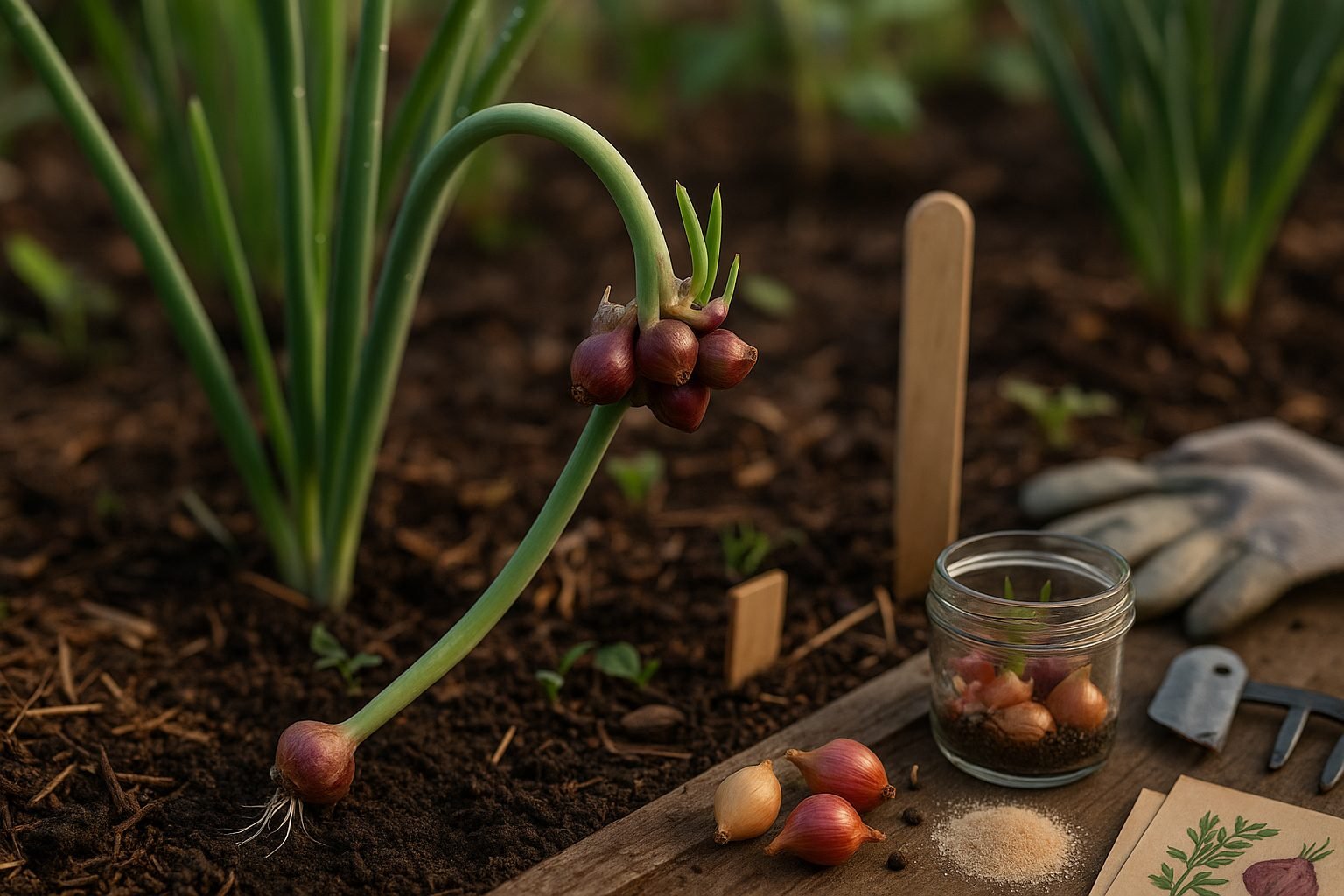
If you’re wondering are onions perennial, it’s good to know that while common bulb onions (Allium cepa) are usually grown as annuals, several unique onion varieties are true perennials. These are perfect for gardeners who want to skip the hassle of replanting every year. One standout is the Egyptian walking onion (Allium × proliferum). These quirky onions produce clusters of small bulbs, called “topsets,” at the tops of their stalks. As these topsets mature, the stalks bend to the ground and the bulbs take root, effectively “walking” across your garden. This allows the plant to spread and reliably return each season.
Welsh onions (Allium fistulosum), native to Asia, are another perennial favorite. Unlike bulb onions, they’re grown for their tasty green stalks, which you can harvest repeatedly without harming the plant. Shallots, often treated as annuals, can also be grown as perennials in mild climates. Some varieties multiply through underground bulbs, offering a steady, low-maintenance harvest year after year.
Benefits of Perennial Onions
Perennial onions are especially valuable in permaculture and low-maintenance gardens. Because they regrow every year with minimal digging or soil disturbance, they help improve garden soil and maintain beneficial microbes. For example, you can interplant Egyptian walking onions with herbs or fruit bushes, creating edible landscapes that produce for years with little effort. Welsh onions make excellent borders for vegetable beds, and their dense clumps suppress weeds.
If you want a sustainable and endlessly productive onion patch, planting these perennial varieties saves you time, conserves resources, and adds resilience to your garden design.
Factors That Affect Onion Lifecycle in Your Garden
The lifecycle of onions in your garden is influenced by several environmental factors, starting with climate. Onions generally prefer cooler temperatures during early growth and mild warmth for bulbing, but extreme heat or cold can disrupt their development. In colder zones, onions often bolt—sending up a flower stalk prematurely—if exposed to a cold snap after leaf growth begins. Conversely, in very warm climates, some onions may not bulb properly if the nights stay too warm.
Soil quality is another key factor in whether onions behave like annuals or can be grown as perennials. Well-drained, loose soil rich in organic matter supports strong, healthy bulbs, while heavy, waterlogged soil can cause rot or encourage diseases that shorten the onion’s lifecycle.
Day length also plays a crucial role: onions are classified as long-day, short-day, or intermediate-day varieties, each requiring different daylight hours to trigger bulbing. If you plant a short-day onion in a northern region with long summer days, it may bolt or split bulbs instead of producing a proper harvest. Conversely, long-day onions grown in the south may never bulb.
To maximize your crop and extend onion lifecycles, choose varieties matched to your region’s day length and temperature. For colder areas, select bolt-resistant, long-day types like ‘Walla Walla’ or ‘Copra.’ In warmer southern regions, stick with short-day varieties like ‘Vidalia’ or ‘Texas Super Sweet.’
Testing your soil beforehand and amending it with compost will also help create the ideal conditions for onions to thrive year after year — whether you grow them as annuals or perennials.
Tips for Growing Onions as Annuals or Perennials
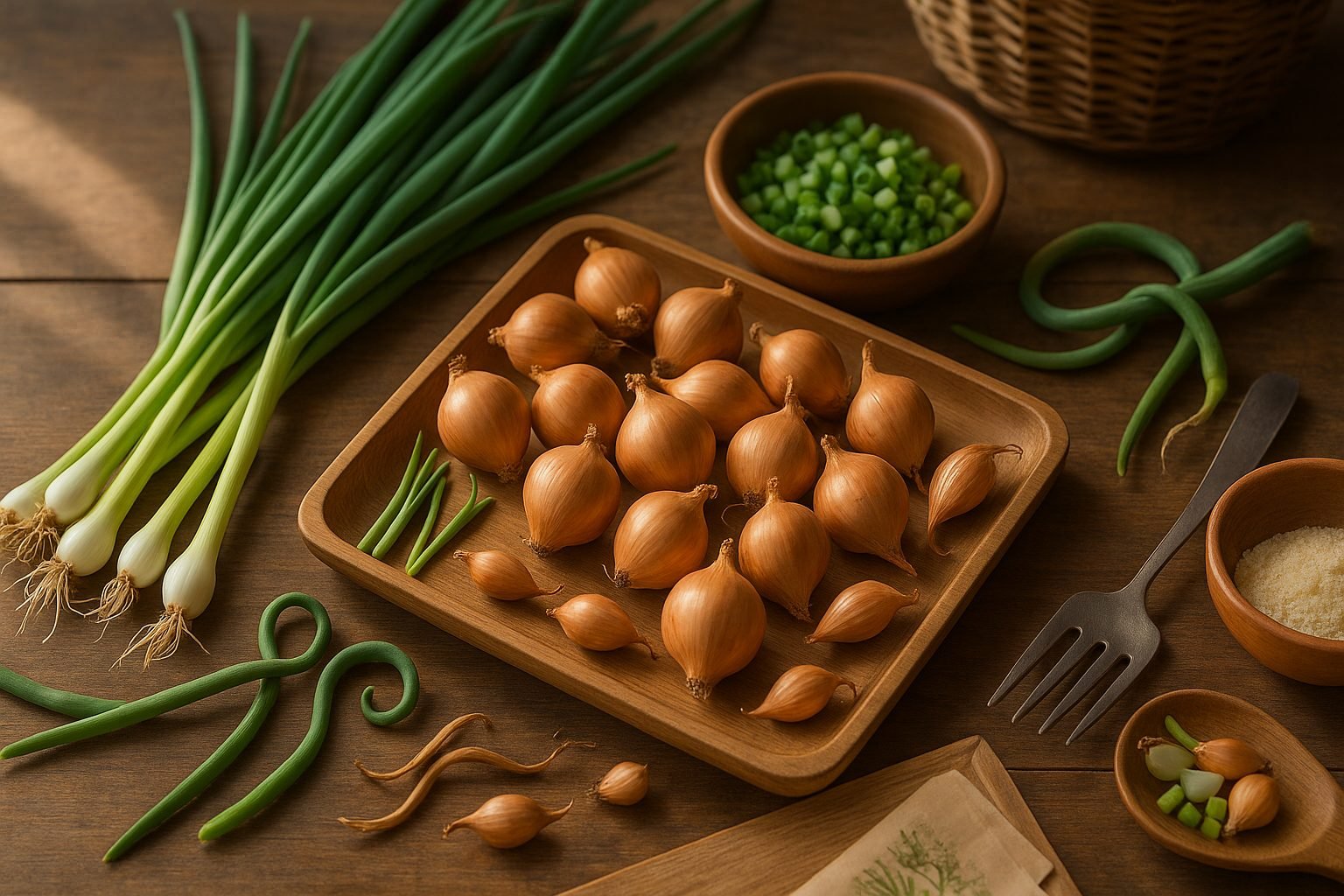
Growing onions as annuals is the most common approach for home gardeners—simply start with sets, transplants, or seeds in early spring, keep the bed weeded and watered, then harvest bulbs once the tops have turned yellow and fallen over. This method is straightforward, allows for crop rotation to deter pests, and produces large bulbs for storage or fresh use.
However, are onions perennial? Yes, they can be grown as perennials by leaving some bulbs—especially hardy multiplier or “walking” onions—in the ground year after year. To maintain a perennial bed, mulch well to protect against extreme cold, divide clusters every few years to prevent overcrowding, and harvest only a portion of the plants so the rest can continue multiplying.
Perennial onions are perfect for those seeking low-maintenance beds and a steady supply of green onions or small bulbs, though yields are typically lower per plant compared to annual methods. Annual growing suits gardeners who want a big harvest all at once, while perennial beds fit those who prefer a continual, low-effort crop.
Try both approaches to discover which best suits your climate, goals, and gardening style.
Final Thoughts—Which Onion Growing Method Is Right for You?
When deciding whether are onions perennial or annuals, it really comes down to your goals, climate, and available space. Onions can be both: many varieties, like common bulb onions, are usually grown as annuals for a quick, single harvest, while perennial types—such as Egyptian walking onions or bunching onions—come back year after year with minimal fuss.
Each growing method has its perks. Annuals are ideal for gardeners who want those classic, big, round bulbs to store over winter, while perennials provide fresh green shoots, bulblets, or even small bulbs over multiple seasons, making them perfect for kitchen gardens with limited space. Climate also matters—a mild winter allows you to keep certain onions in the ground, while harsh freezes may push you toward annual growing from seed or sets each spring.
Our garden community is full of creative solutions, from container gardening with perennials on balconies to traditional row planting in backyard beds. The best way to find what works for you is to start experimenting! Try mixing both methods or exploring different onion varieties to discover what fits your space and taste best.
Have questions or tips on how you grow onions? Share your experiences below—we’d love to hear what’s worked (or hasn’t) in your onion patch!