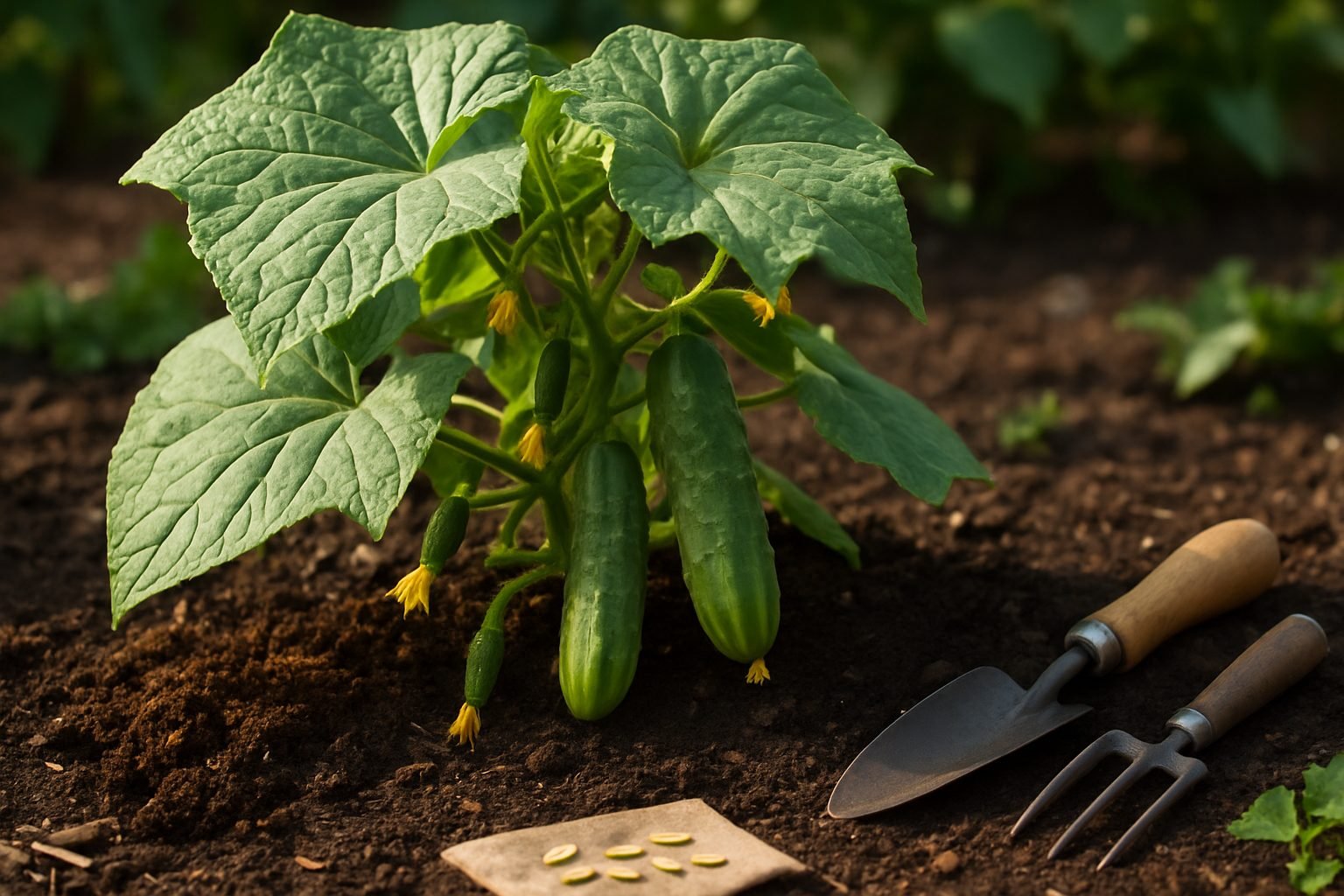
Understanding Cucumber Nutritional Needs
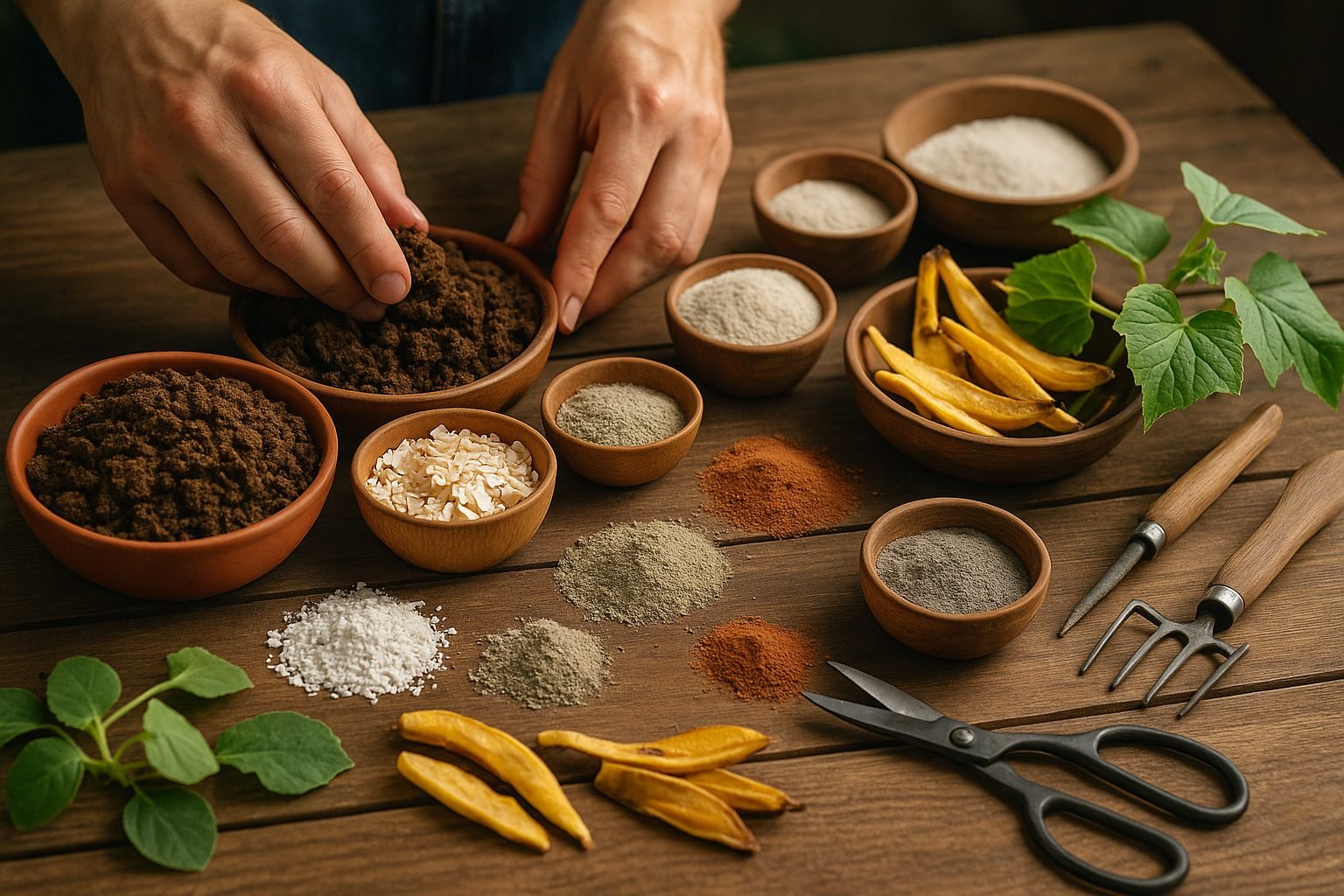
If you want to boost your cucumber harvest this season, using homemade cucumber fertilizer can make all the difference. Cucumbers are hungry plants—they thrive when given a steady supply of the right nutrients at the right times. To keep your crop healthy and productive, it’s important to understand exactly what cucumbers need throughout their life cycle.
Cucumbers rely on three key macronutrients: nitrogen, phosphorus, and potassium. Nitrogen is vital early on, helping seedlings grow lush green leaves and sturdy stems. Phosphorus steps in next, fueling root development and supporting healthy flowers, which eventually turn into fruit. Potassium is essential as fruit begins to form, helping with water regulation, improving flavor, and building disease resistance.
But that’s not all—micronutrients also play a critical role. Elements like magnesium, calcium, boron, and iron may be needed in tiny amounts, but a lack of any one of them can lead to trouble. For example, magnesium supports deep green leaves, while calcium helps prevent blossom end rot—those brown, sunken spots that ruin otherwise healthy cucumbers.
Nutrient requirements shift as your cucumber plants grow. During the seedling stage, focus on a balanced dose of nitrogen for strong foliage. As the plants begin to flower and set fruit, boost phosphorus and potassium to ensure productive yields.
If you notice pale leaves, slow growth, or yellowing along the edges, your plants may be lacking nitrogen or magnesium. Stunted plants or weak flowering often signal a phosphorus shortage. And if fruits are misshapen or the edges of leaves look scorched, it might be a potassium or calcium issue.
Spotting and addressing these deficiencies quickly with your homemade cucumber fertilizer helps ensure robust growth, plentiful blooms, and crisp, delicious cucumbers all summer long.
Types of Fertilizer for Cucumbers: Synthetic vs. Organic
When it comes to feeding your cucumber plants, you’ll find two main types of fertilizers: organic and synthetic.
Organic fertilizers, like compost, well-rotted manure, and specialized organic blends (such as Espoma Garden-Tone or Dr. Earth), nourish your soil with slow-releasing nutrients and improve soil structure over time. These are typically lower in NPK (nitrogen-phosphorus-potassium) ratios, often ranging from 3-4-4 to 5-5-5, which is gentle on young cucumber roots and helps build long-term soil health. If you’re passionate about eco-friendly gardening and have access to compost bins or local manure, this route is both sustainable and cost-effective, though it may require a bit more time to see visible plant growth.
On the other hand, synthetic fertilizers, available in granular or liquid forms (like Miracle-Gro Water Soluble or Osmocote), are formulated for rapid absorption and quick results. These usually boast higher NPK numbers—think 10-10-10 or 20-20-20—delivering a strong nutrient punch that’s especially useful if your cucumbers need a fast boost during peak growth or fruiting. However, their salts can build up in the soil if overused, and they don’t improve the organic content long-term.
When choosing a fertilizer, consider your gardening goals and resources:
- Go organic if you prefer a natural, soil-building approach and don’t mind slower results.
- Opt for synthetic if you want convenience and consistent, fast-acting growth.
Many growers even use a hybrid approach—starting with organic matter to build up the soil and supplementing with synthetic feeds during fruiting for a balanced solution. Ultimately, the best fertilizer fits both your cucumber needs and your own gardening style.
Preparing Soil Before Planting Cucumbers
Getting your soil ready before planting cucumbers is the first step to a healthy, bountiful crop. Start by testing the soil’s pH; cucumbers thrive in a slightly acidic to neutral range of 6.0 to 7.0. Home testing kits are affordable and easy to use, giving you a starting point for any needed adjustments. If your pH is off, use garden lime to raise it or elemental sulfur to lower it.
Next, work plenty of organic compost or well-rotted manure into the top 8–12 inches of soil. This not only provides nutrients but also improves soil structure, leading to better moisture retention and drainage. This is crucial because cucumbers dislike soggy roots and are prone to diseases in compacted, waterlogged beds.
Good drainage is especially important in heavy clay soils. Consider building raised beds or mixing in materials like coarse sand or perlite to loosen the soil.
Before planting, it’s a good idea to apply a balanced, slow-release fertilizer (look for one labeled 10-10-10 or 4-4-4), following package directions. Pre-plant fertilization gives seedlings access to essential nutrients right from the start, which is key to vigorous early growth and strong root development. Avoid over-fertilizing, as this can cause lush leaves but fewer fruits or even burn young roots.
For the best start, avoid planting cucumbers where related crops—such as squash or melons—grew last year. Rotating crop groups helps prevent soil-borne pests and diseases.
Taking the time to properly test, amend, and prepare your soil pays off with robust cucumber plants that resist common problems and yield more delicious fruits all season long.
Feeding Schedule: When and How Often to Fertilize
Establishing a smart fertilizing schedule can make a huge difference in plant health and yields. Start by working compost or a slow-release granular fertilizer into the soil a week or two before planting—this gives your seeds or young transplants a nutrient-rich start.
Once seedlings have several true leaves (usually two to four weeks after sprouting), give them a light, balanced feeding. Use a diluted liquid fertilizer for seedlings in beds, or a half-strength solution for those in containers, since pots dry out and leach nutrients faster.
As your plants approach the pre-flowering phase, about a month before blooming, switch to a fertilizer higher in phosphorus to support budding and root growth. Apply every two to three weeks, but always check the packaging for specific dosage, as over-fertilizing can harm roots.
During fruiting, plants are hungriest, so maintain regular feedings, especially for heavy producers like tomatoes or peppers. In-ground beds retain more nutrients and generally need fertilizers less frequently—monthly or biweekly treatments are usually enough. Containers, on the other hand, often require weekly feeding due to limited soil volume and quicker nutrient depletion.
Watch the weather too: fertilize right before rain for in-ground beds to help nutrients soak in, but skip feeding just before extended hot spells to avoid stressing the plants. Always water well after fertilizing to prevent root burn.
As a final tip, observe your plants—yellowing leaves or stunted growth might call for adjustments in your schedule or fertilizer type, reminding you that flexibility is just as important as routine.
Fertilizing Cucumbers in Containers vs. Garden Beds
Growing cucumbers in containers versus traditional garden beds comes with distinct nutritional needs and fertilization approaches. In garden beds, cucumbers can tap into a broader reserve of organic matter and nutrients, often thriving with an initial mix of composted manure and periodic side-dressing with balanced, slow-release fertilizers.
In contrast, container-grown cucumbers face faster nutrient depletion, as their limited soil volume dries out and leaches essential minerals more quickly. Because of this, potted cucumbers benefit from regular feeding with water-soluble, vegetable-specific fertilizers—look for formulations like 10-10-10 or 20-20-20, or blends labeled for tomatoes and vegetables.
Applying a diluted liquid fertilizer every 1-2 weeks helps maintain steady growth and fruit production. Controlled-release fertilizer granules mixed into the potting soil at planting can also provide a steady baseline, but supplemental feeding is usually necessary as plants mature.
It’s also important to monitor container moisture closely; dry soil can interrupt nutrient uptake, so check daily during hot spells. Some gardeners use organic options like fish emulsion or seaweed extract, which supply micronutrients and are gentle on tender roots.
No matter what approach you choose, always follow package instructions for dilution and application, since over-fertilizing in containers can harm your plants more quickly than in the ground. Ultimately, staying consistent with a feeding and watering routine is the key to keeping container cucumbers lush and productive, while garden bed cukes can thrive with a more laid-back fertilization schedule.
Natural and Homemade Fertilizer Solutions
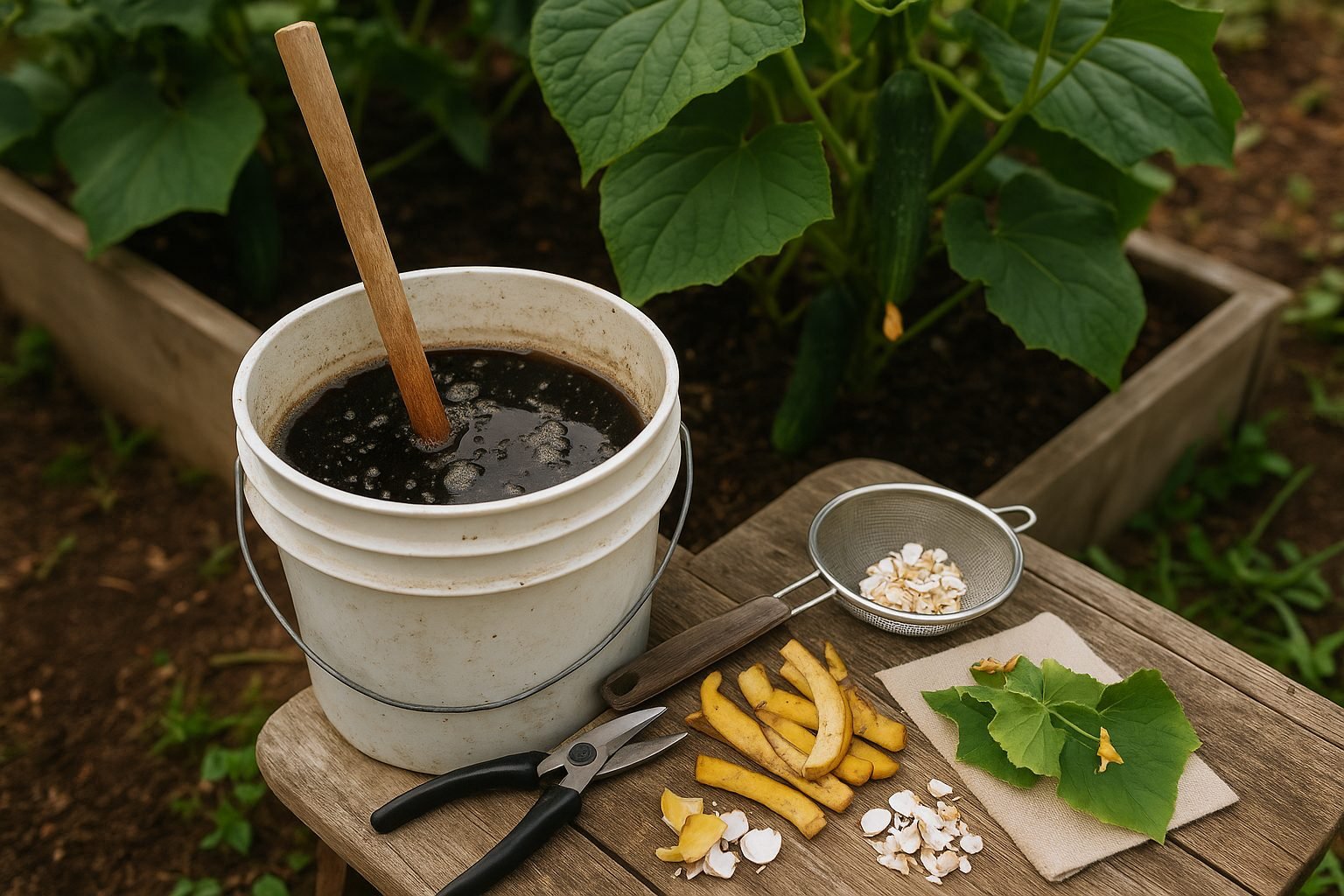
When it comes to boosting your garden’s health naturally, several homemade fertilizer solutions are both effective and easy on the environment.
Compost tea is a favorite among gardeners; simply steep a shovelful of mature, well-rotted compost in a five-gallon bucket of water for 24-48 hours, stirring occasionally. Then strain and use the liquid to water your plants. This provides a gentle, balanced dose of nutrients and beneficial microbes.
Aged manure from herbivores like cows, rabbits, or chickens is another excellent choice. Always let manure decompose for several months before applying to avoid “burning” your plants or introducing pathogens. Spread a thin layer around your plants as a slow-release fertilizer.
For a quick calcium boost, crush clean, dry eggshells and sprinkle them around plants prone to blossom end rot, such as tomatoes and peppers. Eggshells break down slowly, releasing minerals over time.
Banana peels are packed with potassium—just chop up peels and bury them near the roots of flowering plants, or blend peels with water for a potassium-rich spray.
While these natural fertilizers are safe and cost-effective, it’s important to use them in moderation. Overusing any fertilizer, even organic ones, can lead to nutrient build-up and harm your plants or soil life. Also, avoid adding raw meats, dairy, or oily scraps to homemade mixes, as these can attract pests.
By rotating these homemade options and observing how your garden responds, you’ll find the right balance and keep your plants thriving all season long.
Recognizing and Correcting Fertilizer Problems
Spotting fertilizer problems early can save your garden from bigger headaches down the road. Nutrient deficiencies often show themselves through telltale symptoms—yellowing leaves (chlorosis) could indicate a nitrogen or iron shortage, stunted growth may suggest phosphorus or potassium is lacking, while blossom-end rot in tomatoes signals calcium issues. Keep an eye out for smaller-than-normal produce, purplish leaf edges, or leaves dropping prematurely.
To diagnose, start by evaluating your plant type and checking if symptoms match common deficiencies (many extension services provide useful online charts). Testing your soil is a smart next step; affordable kits measure pH and nutrient levels, helping you confirm suspicions before applying fixes.
When correcting, match the fertilizer to your specific needs: a balanced (all-purpose) fertilizer works for general shortages, but targeted amendments (like adding bone meal for phosphorus or chelated iron for iron chlorosis) are best for precise problems. Always follow recommended rates on packaging—over-fertilizing can burn plant roots or create toxic salt buildup, sometimes causing more harm than the deficiency itself.
Avoid the temptation to use a “one size fits all” approach, as different plants might need specific formulations or additional soil conditioners like lime to raise pH or sulfur to lower it. If you’re unsure, consult local garden centers or extension agents—they can offer tailored advice based on your region.
Remember, healthy soil is the foundation of healthy plants, so use compost and organic matter to boost nutrient availability and soil structure over time, minimizing the need for drastic fertilizer fixes.
Frequently Asked Questions About Cucumber Fertilizer
Fertilizer can make a big difference in cucumber plants’ ability to resist pests and diseases, but it’s not a magic cure-all. Healthy, well-fed plants develop stronger immune systems, so keep your soil enriched with balanced nutrients—usually a 5-10-10 NPK fertilizer—to encourage robust growth and better resilience.
Another common question is whether coffee grounds help cucumbers; used in moderation, they can be beneficial, providing a mild nitrogen boost and improving soil texture. However, too many coffee grounds can make the soil overly acidic, which cucumbers dislike, so use them sparingly and always mix thoroughly into compost rather than dumping directly onto the soil.
For beginners, the easiest fertilizer option is a slow-release granular vegetable fertilizer, as it’s simple to spread and requires less frequent application than liquids or compost teas. Just follow the package instructions and avoid overfeeding, which can harm plants.
Applying fertilizer right when vines begin to run (and again when fruits start to form) delivers the best results for most home gardeners. Remember, consistent watering and good soil matter just as much as the fertilizer you choose.