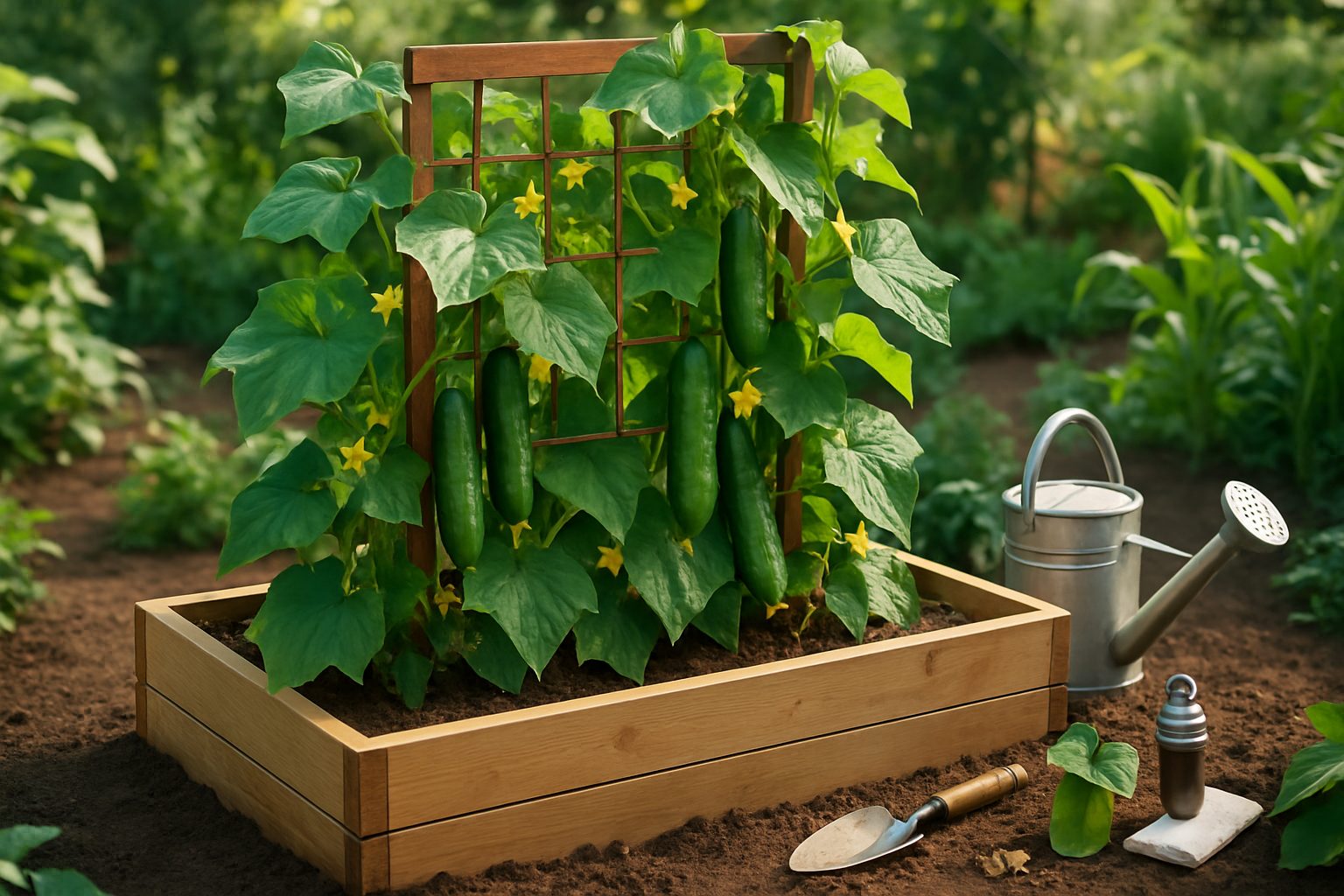
Why Choose Raised Beds or Trellises for Cucumbers?
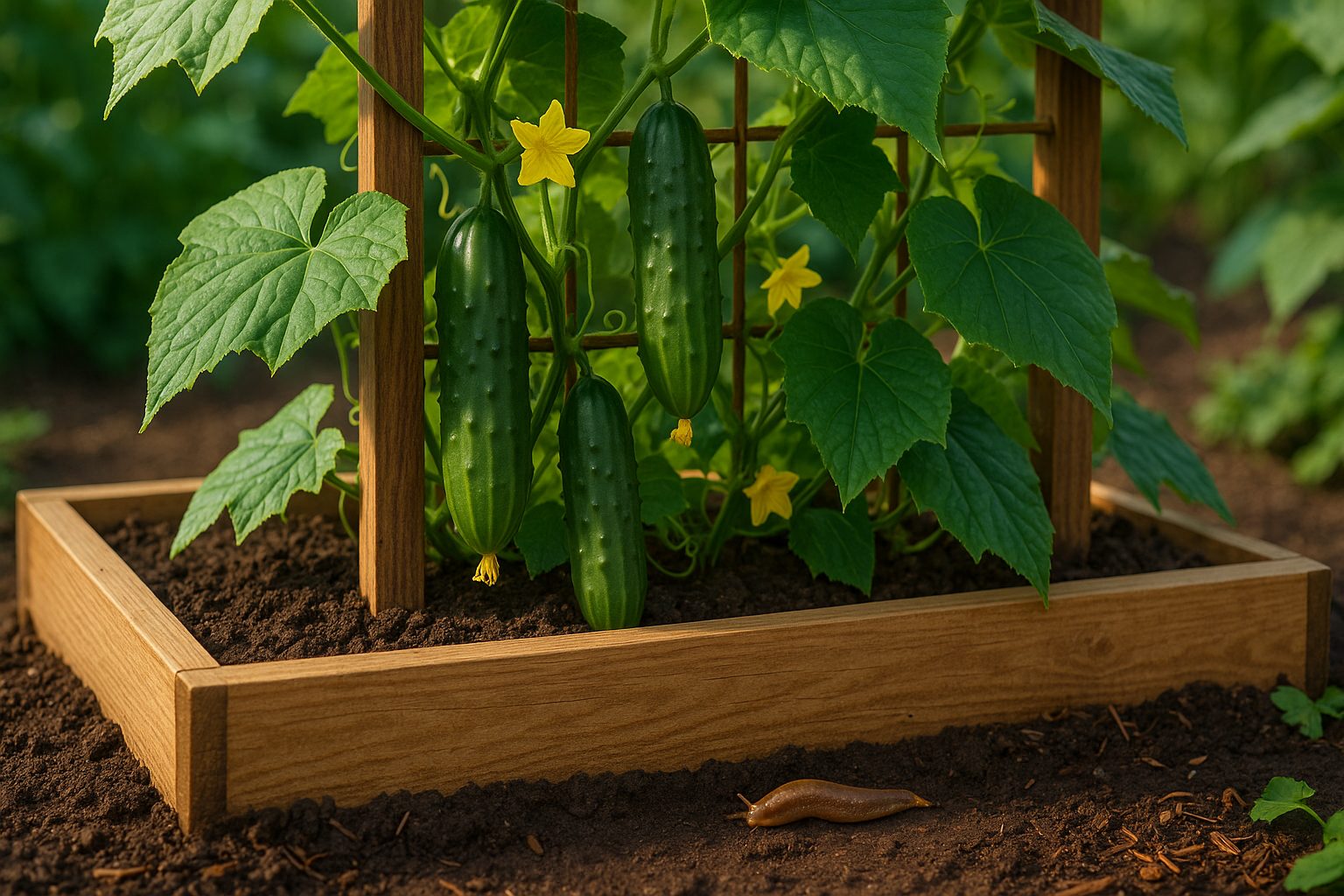
If you’re looking to boost your cucumber harvest this season, growing cucumbers in raised beds offers a smart, space-saving approach that pairs perfectly with trellising. Raised beds are prized for their excellent drainage, which keeps cucumber roots healthy, while trellises lift those vigorous vines off the ground, improving air circulation.
This setup is especially useful since cucumbers are prone to fungal diseases—good airflow around the leaves can make the difference between a robust crop and a failed one. Trellising also raises fruit off wet soil, making them less tempting to slugs and other ground pests, while keeping the produce cleaner and easier to pick.
Gardeners love raised beds for their convenience—no more endless stooping or struggling through muddy soil during harvest. The contained space makes it simpler to tailor your soil mix and provide cucumbers with the nutrition they crave. Plus, trellises allow you to grow vertically, efficiently using every inch of space.
This is a powerful advantage in small city plots or on patios, where garden real estate is precious. At the same time, raised beds and trellised cucumbers scale up beautifully; even in larger gardens, you can plant more varieties closer together without vines sprawling everywhere.
Whether you’re a beginner working with just a few square feet or a seasoned gardener seeking an abundant crop, the combination of raised beds and trellising lets cucumbers thrive. You’ll enjoy fewer pests, healthier vines, and crisp, delicious cucumbers that are within arm’s reach all summer long.
Selecting Cucumber Varieties for Your Garden
When choosing cucumber varieties for your garden, it helps to know the main types: bush, vining, and specialty cucumbers.
Bush cucumbers, like ‘Bush Champion’ and ‘Spacemaster 80,’ have compact growth, making them perfect for raised beds, containers, or smaller spaces.
Vining types, such as ‘Marketmore 76’ or ‘Straight Eight,’ send out long vines and thrive when trained up a trellis—this saves ground space and encourages straighter, cleaner fruit.
Specialty cucumbers include varieties grown for pickling, like ‘Boston Pickling,’ or unique flavors and shapes, such as the mild, burpless ‘Sweet Success’ or the crunchy, thin-skinned ‘Lemon Cucumber.’
When selecting which to grow, factor in your climate:
- Heat-tolerant types like ‘Diva’ perform well in hot, humid areas.
- ‘Cool Breeze’ excels in cooler regions.
Flavor preference also matters—English cucumbers offer sweet, seedless flesh great for salads, while traditional American slicers bring a classic, robust crunch.
Finally, consider how much space you have; vining types need room to sprawl or a sturdy trellis, while bush types fit well in tight layouts.
Mix and match varieties to suit your garden’s conditions and your family’s taste buds for a bountiful and enjoyable cucumber harvest.
Prepping the Perfect Soil and Bed Location
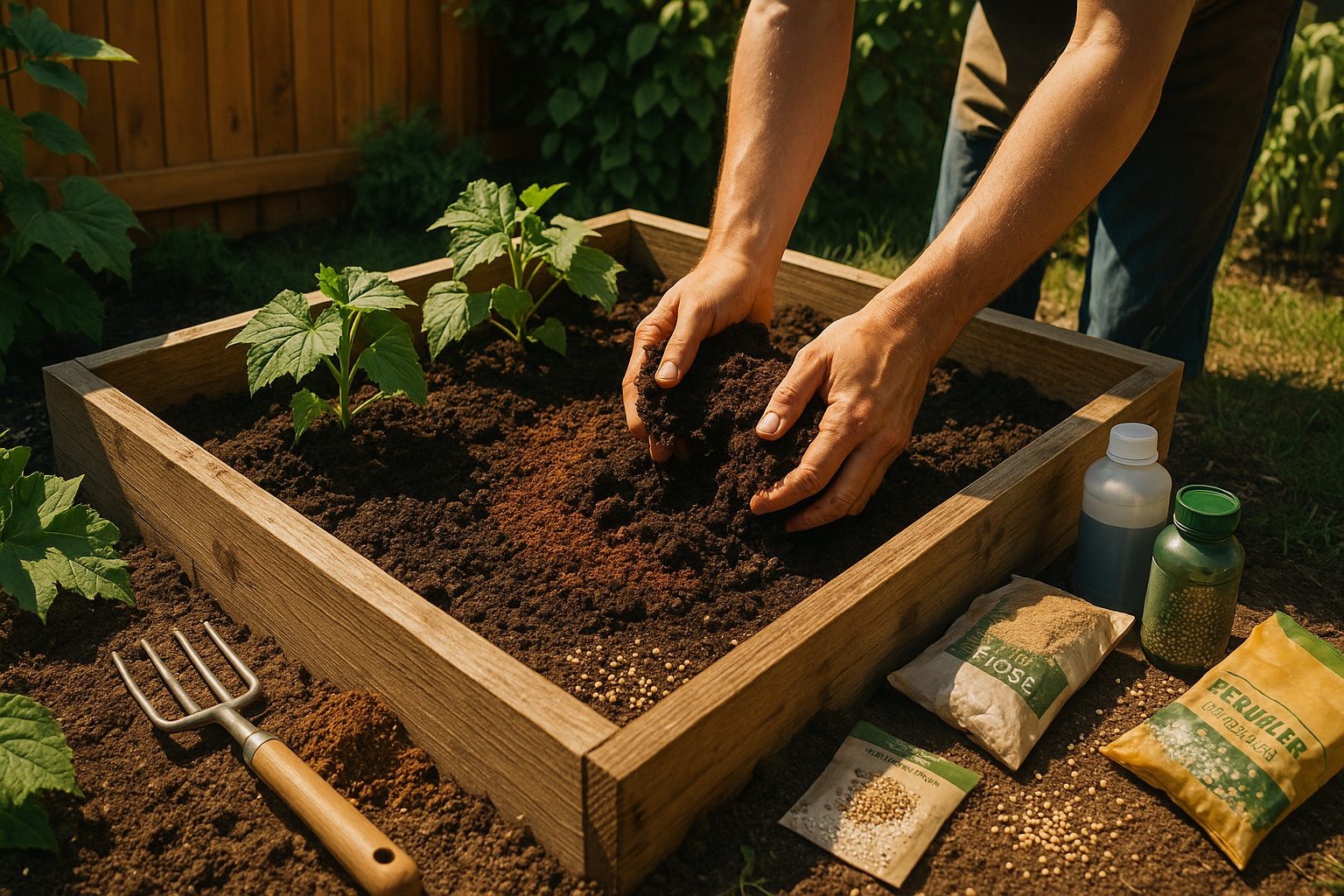
Getting your garden off to a strong start begins with prepping the right soil and finding the perfect bed location. Aim for soil that’s rich in nutrients, crumbly, and drains excess water easily—standing water or rock-hard dirt will stress your plants.
Test your soil or simply observe after a rainfall: if puddles linger, mix in materials like sand or peat moss for better drainage. Enrich your garden bed with plenty of organic matter by digging in compost, aged manure, or leaf mold; this boosts fertility and supports beneficial soil life.
When choosing where to put your bed, pick a spot that gets at least six hours of direct sunlight daily, since most edible and flowering plants love full sun. Also, consider wind protection—tucking beds next to a fence, hedge, or even using temporary garden netting can shield your plants from drying or damaging gusts.
Finally, sprinkle a slow-release organic fertilizer and mix it into the top inches of soil a week before planting to give roots a nutritional head start. Taking these steps helps ensure your garden thrives from day one.
Planting Techniques: Seeds, Spacing, and Support
When deciding between direct seeding and transplanting seedlings, consider your local climate and the plant’s preferences. Direct seeding—planting seeds straight into the garden—is great for veggies like carrots, beans, and radishes that don’t handle root disturbance well. It’s less labor-intensive, but germination can be unpredictable if soil temperatures or moisture aren’t ideal.
In contrast, transplanting seedlings involves starting seeds indoors and then moving young plants into the garden. This method can jumpstart your growing season for crops like tomatoes, peppers, or cabbages. It protects fragile plants from early pests and harsh weather, giving them a stronger start, but it requires extra space and care indoors.
Whichever method you choose, proper spacing is crucial to prevent overcrowding, which can increase disease risk and stifle growth. For example, plant bush beans 2–4 inches apart or lettuce 10–12 inches apart, and always check the seed packet or plant tag for guidance. If you’re growing intensively, like in square foot gardening, follow recommended numbers: one tomato per square foot, nine bush beans, or sixteen carrots.
Support structures such as trellises are essential for vining or heavy-fruited plants like cucumbers, peas, and indeterminate tomatoes. Install trellises or stakes early, before the plants grow too much—this prevents root damage and ensures plants can climb or lean naturally. Use strong materials and secure ties, spacing supports so each plant gets sunlight and airflow, which helps maximize growth and fruit production while making harvesting easier.
Caring for Growing Cucumber Plants
Caring for growing cucumber plants starts with keeping their soil consistently moist, as uneven watering can lead to bitter-tasting fruit or stunted growth. Aim to water deeply two to three times per week—early in the morning is best—using a soaker hose or drip irrigation to reach the roots while minimizing wet foliage, which helps prevent diseases.
During hot spells, check soil moisture daily; cucumbers are thirsty plants and may require more frequent watering when temperatures soar.
Fertilize cucumbers every two weeks with a balanced, water-soluble fertilizer once seedlings have developed three to four true leaves. Then, switch to a formulation higher in potassium and phosphorus once flowering begins to support fruit development.
Basic maintenance goes a long way:
- Train vines upward using trellises or stakes to improve air circulation and make harvesting easier.
- Lay down a two-inch layer of mulch to retain moisture and suppress weeds.
- Regularly inspect plants for pests like cucumber beetles and powdery mildew—remove affected leaves and use recommended controls if needed.
With attentive watering, smart feeding, and a sharp eye for plant health, your cucumber patch will thrive and keep producing crisp, delicious fruit all season long.
Troubleshooting & Maximizing Your Harvest
Growing cucumbers can be incredibly rewarding, but several common issues can affect your harvest. Poor fruit set often happens when flowers don’t get pollinated. If you notice lots of flowers but few cucumbers, try hand pollination: simply use a small paintbrush or cotton swab to gently transfer pollen from male to female flowers (female flowers have a small swelling behind the petals).
Bitterness in cucumbers is usually caused by inconsistent watering or hot temperatures. Prevent this by keeping the soil evenly moist and providing some afternoon shade if possible—mulch helps, too.
Pests like cucumber beetles and aphids are frequent visitors. Check your plants regularly for signs of nibbling or sticky residue, and pick off bugs by hand or use insecticidal soap as needed.
Diseases such as powdery mildew and downy mildew can also strike, especially in humid conditions. To prevent them, space your plants for plenty of airflow and avoid wetting the leaves when watering.
For the biggest possible yield, harvest cucumbers every couple of days—they grow quickly, and regular picking encourages more flowers and fruit. If you spot a cucumber that’s gotten too big, remove it promptly so the plant keeps producing rather than focusing on one oversized fruit.
With some vigilance and a few simple techniques, you’ll enjoy crisp, homegrown cucumbers all season long.
Health Benefits & Enjoying Your Cucumbers
Cucumbers are more than just a refreshing snack—they’re packed with nutrients and hydration benefits that support everyday health. Made up of about 95% water, eating cucumbers helps keep you hydrated, especially during hot weather or after exercise. They’re also low in calories, making them a great addition to weight management plans.
Cucumbers offer essential vitamins like K, C, and several B vitamins, which support everything from healthy skin to normal metabolism. Homegrown cucumbers taste extra crisp and fresh, and adding them to your meals is simple:
- Toss slices into salads
- Layer them on sandwiches for crunch
- Blend them into smoothies
- Pickle them for a tangy treat
If you have a sunny spot in your garden or even a large pot, cucumbers are easy to grow and reward you with a steady supply all season long. Give homegrown cucumbers a try—you’ll taste the difference.