Introduction to Broccoli Companion Planting
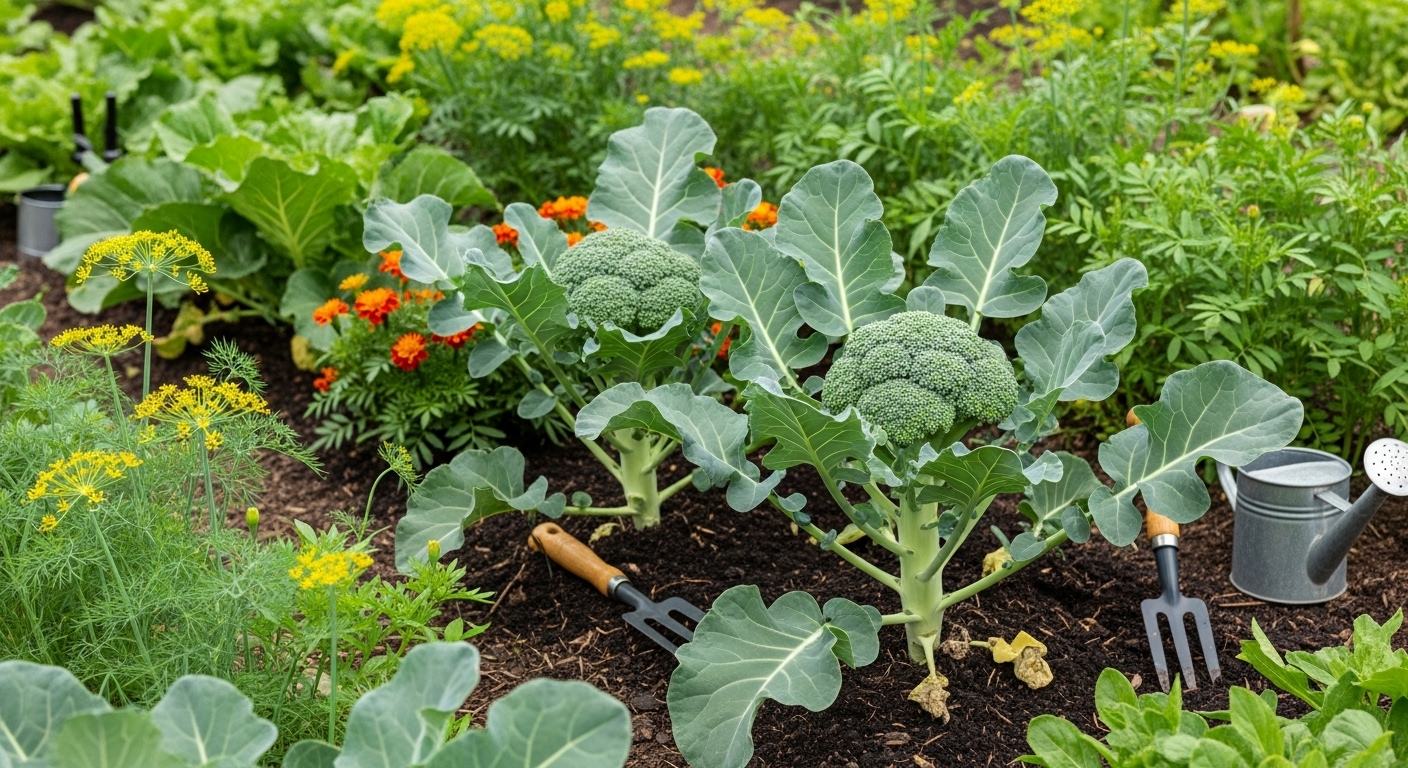
If you want to give your vegetable garden a boost, knowing the best broccoli companion plants can make all the difference. Companion planting is a time-tested gardening method where different crops are grown close together to help each other thrive. For gardeners, this approach helps fight off pests naturally, increases yields, and creates a healthier, more resilient garden.
For example, planting aromatic herbs like dill can help repel cabbage worms that love to munch on broccoli, while quick-growing radishes can break up the soil and create space for healthy broccoli roots. In this post, you’ll discover which plants are broccoli’s best garden partners, the science behind their beneficial relationships, and simple ways to arrange your garden for optimal success.
Whether you’re looking to boost broccoli harvests or reduce chemical pesticide use, using the right broccoli companion plants can lead to a more bountiful and sustainable vegetable patch. Get ready to find out which plants to pair and avoid, plus practical tips to make companion planting work for you.
The Benefits of Companion Planting With Broccoli
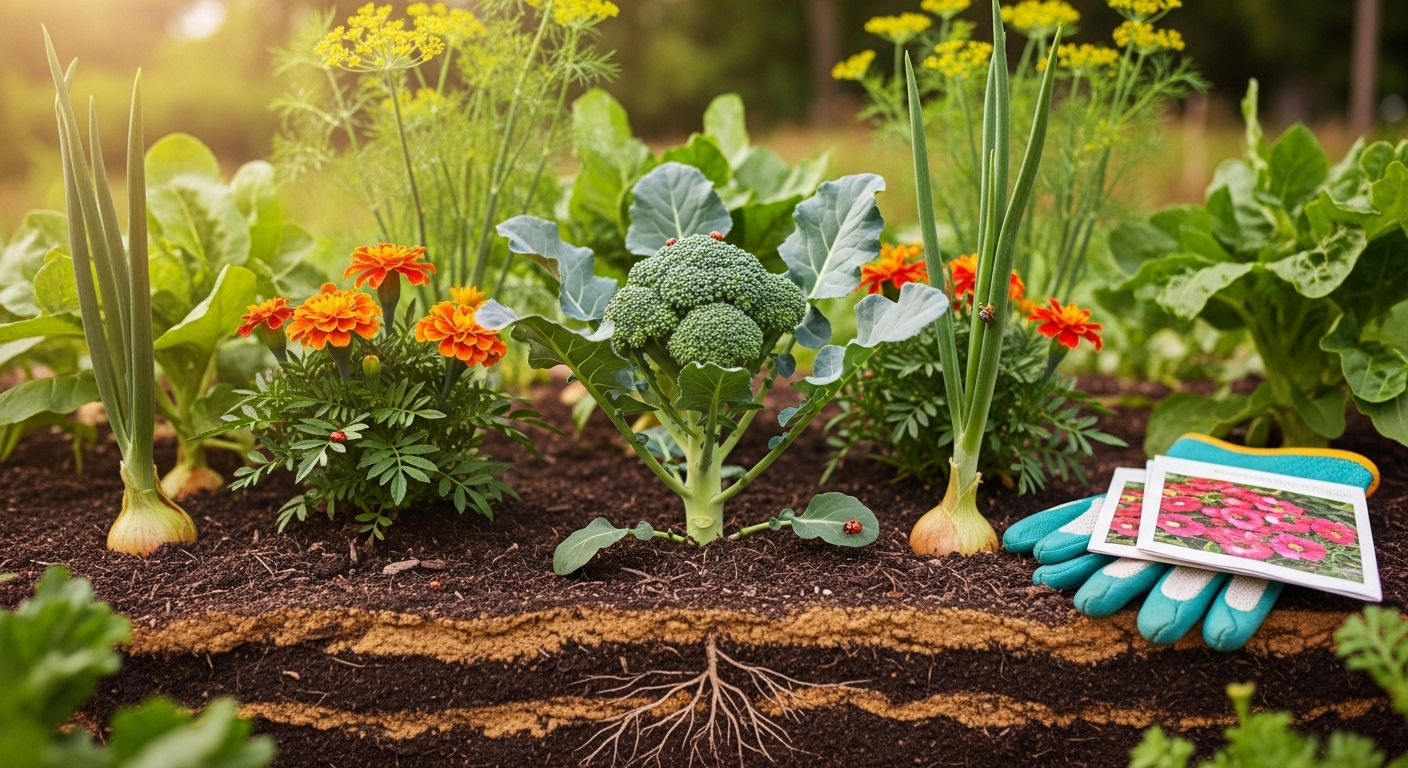
Companion planting with broccoli offers a variety of practical benefits that can make your vegetable garden more productive and resilient. By strategically surrounding broccoli with plants like marigolds, dill, or onions, you can naturally deter common pests such as cabbage worms and aphids. For example, aromatic herbs like rosemary confuse insect pests, making it harder for them to find and damage your broccoli.
Some companions, like legumes, even improve soil fertility by fixing nitrogen, which supports robust broccoli growth without relying heavily on synthetic fertilizers. Planting leafy greens (like spinach) or root crops (such as beets) near your broccoli allows you to maximize limited garden space, as their root systems occupy different soil layers, minimizing competition and boosting overall yield.
Additionally, this diversity of plants has a protective effect—reducing disease spread by interrupting the life cycles of pathogens and by attracting a wider variety of beneficial insects that prey on harmful pests. Ultimately, these biodiverse plantings mean you can rely less on chemical pesticides and fertilizers, creating a healthier, more sustainable garden ecosystem.
Real-world gardeners often report fewer pest outbreaks and stronger broccoli heads by following these companion planting principles, proving that a thoughtful mix of plants pays off in both harvest quality and environmental impact.
Top Broccoli Companion Plants
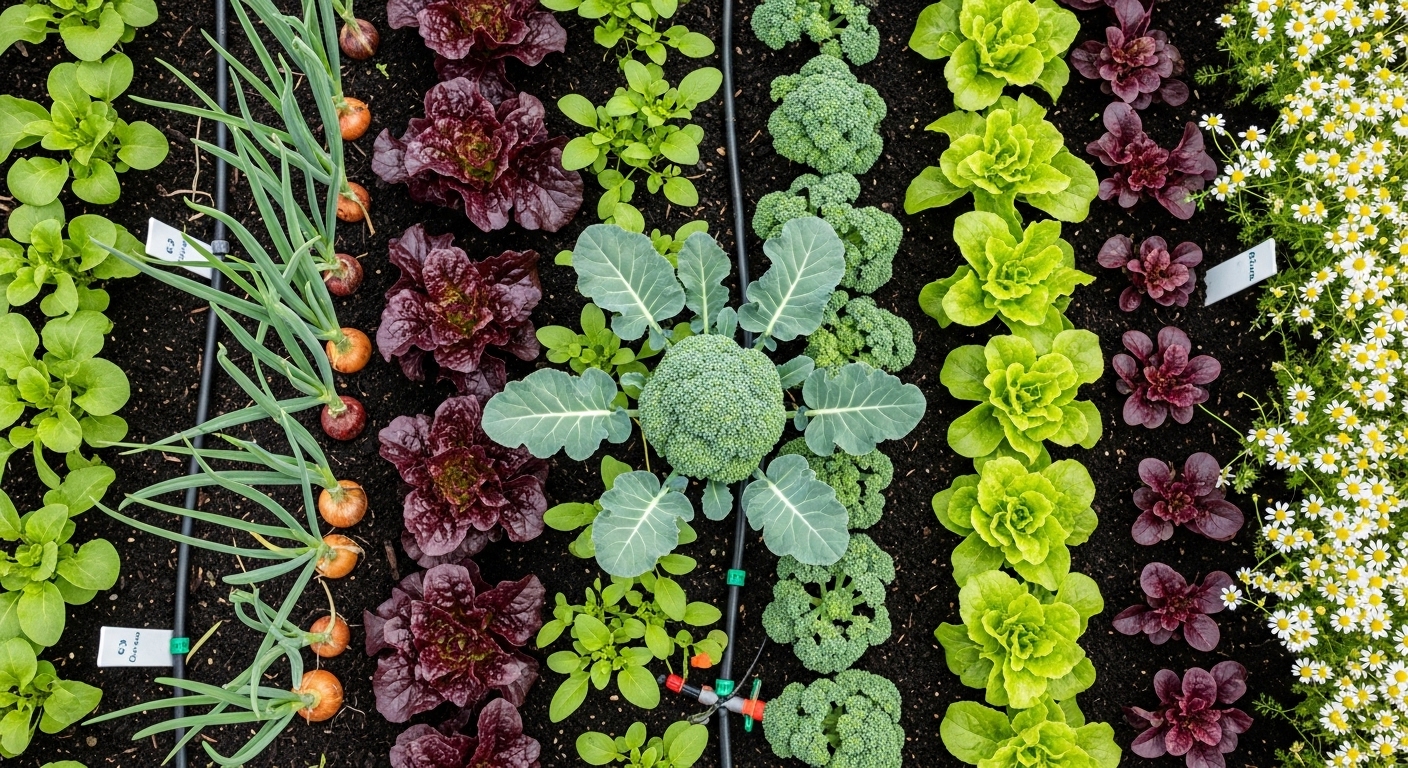
Selecting the right companion plants can make all the difference when growing healthy, productive broccoli. Alliums like onions and garlic work wonders at repelling pests such as aphids and cabbage loopers—plant them as a border around your broccoli patch for a natural barrier.
Beets are low-maintenance and help maximize space because their roots grow deeper, leaving surface areas free for broccoli foliage. Celery acts as a moisture-retaining understory, and its subtle scent helps deter unwanted insects.
Aromatic herbs like chamomile and dill don’t just enhance broccoli’s flavor when cooked together; they attract predatory insects like ladybugs, which keep pest populations down. Lettuce and spinach serve as efficient groundcovers, shading the soil to maintain moisture and suppress weeds while maturing quickly before broccoli’s leaves expand.
Rosemary, with its strong aroma, confuses common brassica pests like cabbage moths—intersperse rosemary plants at intervals or in pots near your broccoli beds. Potatoes, while requiring caution to avoid overcrowding, can be grown in nearby rows; just ensure good airflow between them to prevent disease.
Rhubarb’s sturdy leaves and tall growth provide partial shade—great for extending the harvest season during hot spells as broccoli prefers cooler temperatures.
Use techniques like interplanting lettuce and spinach between broccoli starts, or alternate rows of onion and beet for easy access and pest control. With careful planning, these dynamic plant partners will support both your broccoli and the rest of your veggie garden.
Plants to Avoid Near Broccoli
When planning your broccoli patch, it’s just as important to know which plants to keep away as it is to know which companions to invite. For example, tomatoes and broccoli compete for similar nutrients, especially calcium, which can lead to weaker growth for both veggies if planted side by side.
Strawberries are another poor neighbor because they are susceptible to many of the same fungal diseases, increasing the risk of spreading problems like clubroot. Other members of the brassica family—like cabbage, cauliflower, and kale—should also be kept at a distance, as they not only attract identical pests but also quickly deplete soil nutrients when grouped together.
Pole beans may seem harmless, but they release compounds that can inhibit broccoli’s growth through a process called allelopathy and prefer different soil conditions altogether.
To keep your broccoli healthy and productive, design your garden so these incompatible plants are at least a few rows apart. If space is tight, try buffer crops like onions or marigolds between broccoli and its unfriendly neighbors.
Rotating crops each season and adding mulch can further reduce nutrient competition and the spread of disease, helping your broccoli patch thrive without unnecessary rivalry.
Practical Tips for Successful Companion Planting
Getting started with companion planting is easier when you pay attention to the basics: space your plants so they have enough room to thrive—crowding leads to disease and competing roots. For example, plant tall crops like tomatoes or corn on the north side of your bed to prevent them from shading sun-loving, shorter plants like carrots or basil.
Regular watering is vital, but try to water early in the day at the soil level to minimize fungal diseases; drip irrigation systems work great for this. When it comes to fertilizing, remember that some plant pairings benefit from different feeding schedules—beans, for instance, fix nitrogen and can help leafy neighbors, but heavy feeders like tomatoes might still need an extra boost of compost.
Practice simple crop rotation each season by changing the location of plant families to keep pests guessing and maintain soil health—rotate nightshades, legumes, brassicas, and root crops in a four-year cycle if space allows.
Keep a close eye on your garden as the season progresses; yellowing leaves, stunted growth, or unusual spots may signal an issue that warrants adjusting water, fertilizer, or even plant partners.
Using a gardening journal or a companion planting chart can help you track what works (and what doesn’t), while smartphone apps like Planter or Gardenate can remind you when to sow, water, or harvest.
By staying observant and using the right resources, you can make small changes that lead to a healthier, more productive garden year after year.
FAQs on Broccoli Companion Planting
When planning your broccoli garden, it’s important to know which plants make good neighbors. Broccoli grows best with companions like onions, celery, chamomile, and beets, which can help deter pests and support healthy growth. However, not all pairings are beneficial—contrary to popular belief, some herbs such as basil or rosemary are not always good companions for broccoli, as they may compete for nutrients.
Also, avoid planting broccoli too close to tomatoes, strawberries, or pole beans, since these can stunt its growth or attract pests. For ideal spacing, leave at least 18 to 24 inches between broccoli plants and about two feet from any companion plant to ensure good airflow and reduce disease risk.
The best time to plant broccoli is in early spring or late summer for a fall harvest, as it thrives in cooler weather. If you notice yellow leaves or slow growth, overcrowding or poor soil may be to blame—try thinning plants, adding compost, and checking for pests like cabbage worms.
Rotate crops each year to minimize disease and always remove any affected leaves to keep problems from spreading. With the right companions and a little attention, your broccoli patch can flourish season after season.
Conclusion & Next Steps
Broccoli companion planting offers a simple way to boost your garden’s health and yield by attracting helpful insects, preventing pests, and improving soil quality. Pairing broccoli with herbs like dill and chamomile or flowers such as nasturtiums can naturally deter unwanted bugs, while planting alongside spinach or lettuce helps maximize space and sunlight.
Remember to avoid certain plants—like strawberries and tomatoes—that may compete with broccoli for resources or attract harmful pests. Since every garden is different, the best approach is to experiment with companion planting combinations and observe what works best in your unique conditions.
Take notes each season to track successes or make adjustments, and don’t be afraid to try new pairings. For more tips and ideas, check out additional resources or connect with local gardeners. We’d also love to hear about your own experiences—share your favorite companion plant pairings or any lessons learned in the comments below!