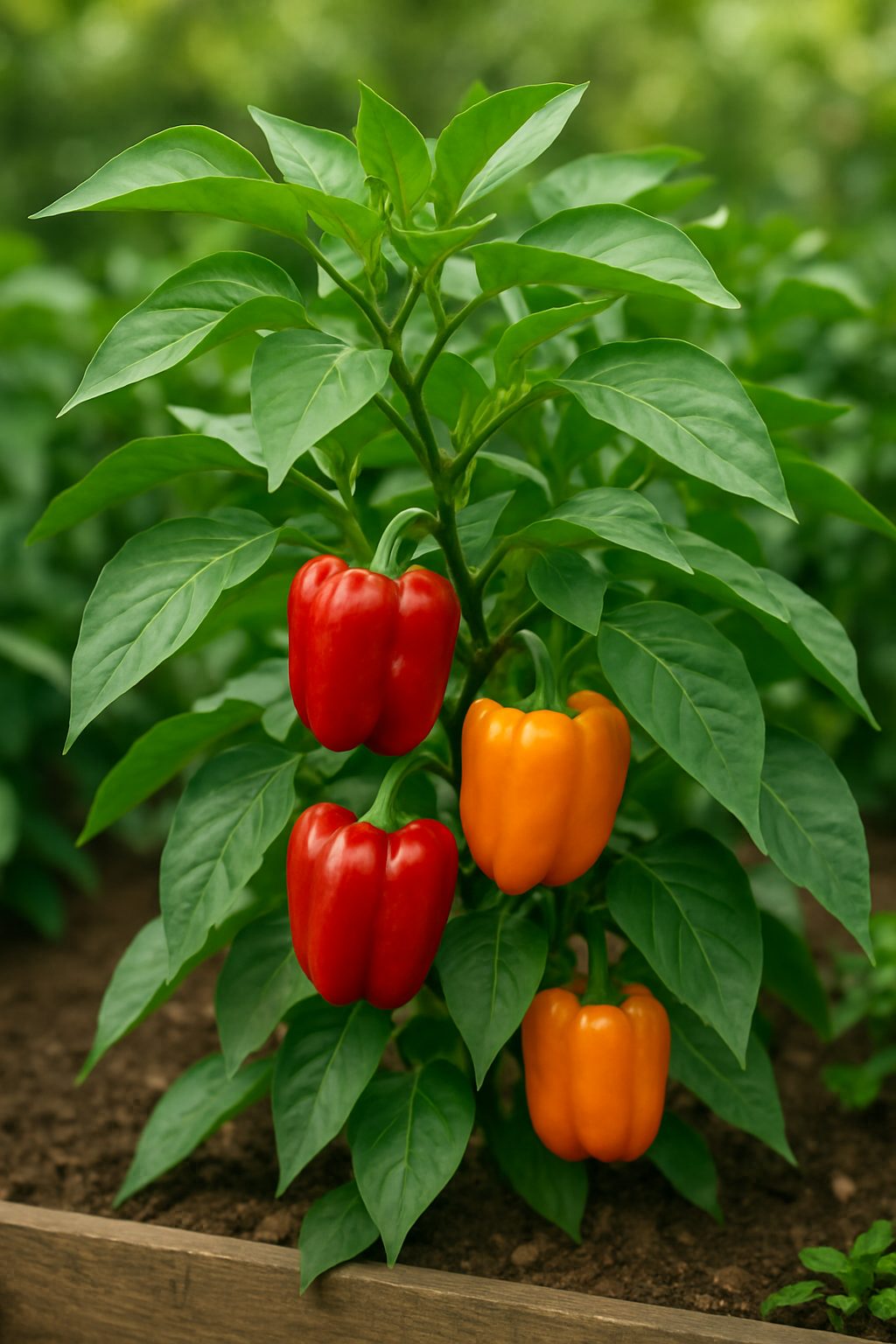
Introduction to Pruning Pepper Plants
Should you prune bell peppers? It’s a common question for both new and experienced gardeners looking to boost their pepper harvests. Pruning, simply put, means cutting back parts of a plant to improve its health or productivity. While some swear by pruning pepper plants, others worry it might do more harm than good.
There’s a lot of mixed advice online—some guides suggest heavy trimming for bushier plants, while others recommend leaving peppers alone. So, what’s the real story?
In this article, we’ll explore the pros and cons of pruning bell peppers, tackle frequent myths, and share when and how pruning really makes a difference. By the end, you’ll have clear, practical guidance to help you decide if pruning is right for your garden and learn simple strategies for growing healthier, more productive pepper plants.
Why and When to Prune Pepper Plants
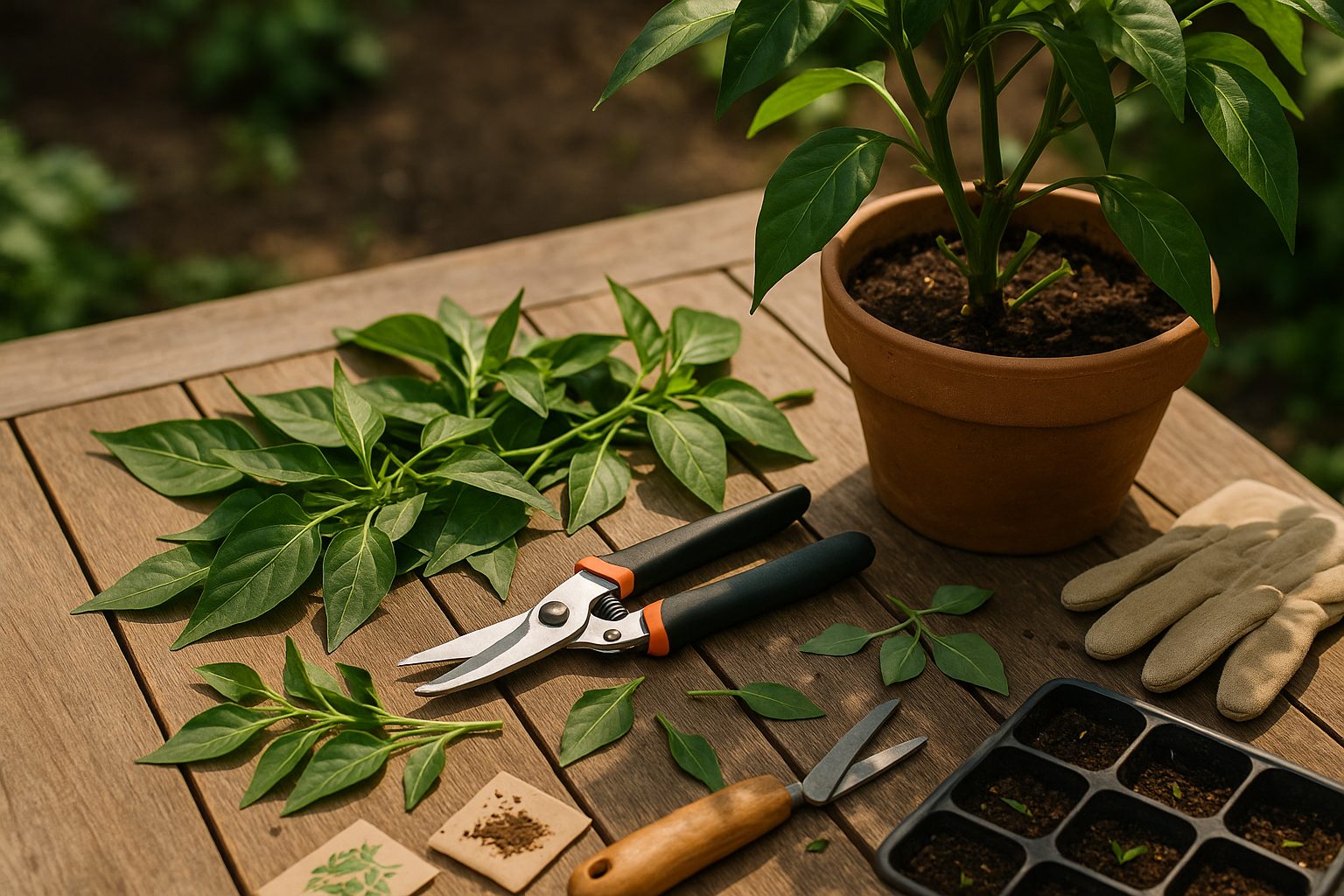
Pruning pepper plants isn’t just about shaping them; it’s a simple way to encourage better yields, stronger plants, and easier pest and disease control. Removing excess leaves and side shoots allows sunlight and air to reach the inner foliage, which helps fruits ripen evenly and reduces fungal problems.
You’ll likely see more robust fruit production, too, since the plant channels energy into growing peppers instead of extra branches. Pruning is especially helpful for larger varieties like bell peppers or those grown in humid climates, but it’s optional for small, bushy types where airflow is already good.
Ideally, the best time to prune is when your plant has at least six to eight healthy leaves and is well established, but before it starts flowering—usually a few weeks after transplanting. Light touch-ups throughout the season can remove yellowing leaves or branches shading fruit, while heavy pruning should be avoided once flowering begins to prevent stressing the plant.
Timing is key: pruning too early can stunt growth, but waiting too long may let diseases get a head start. By paying attention to your plant’s size and your garden goals, you can find the right pruning balance for healthy growth and maximum harvest.
How to Prune Pepper Plants: Step-by-Step Guide
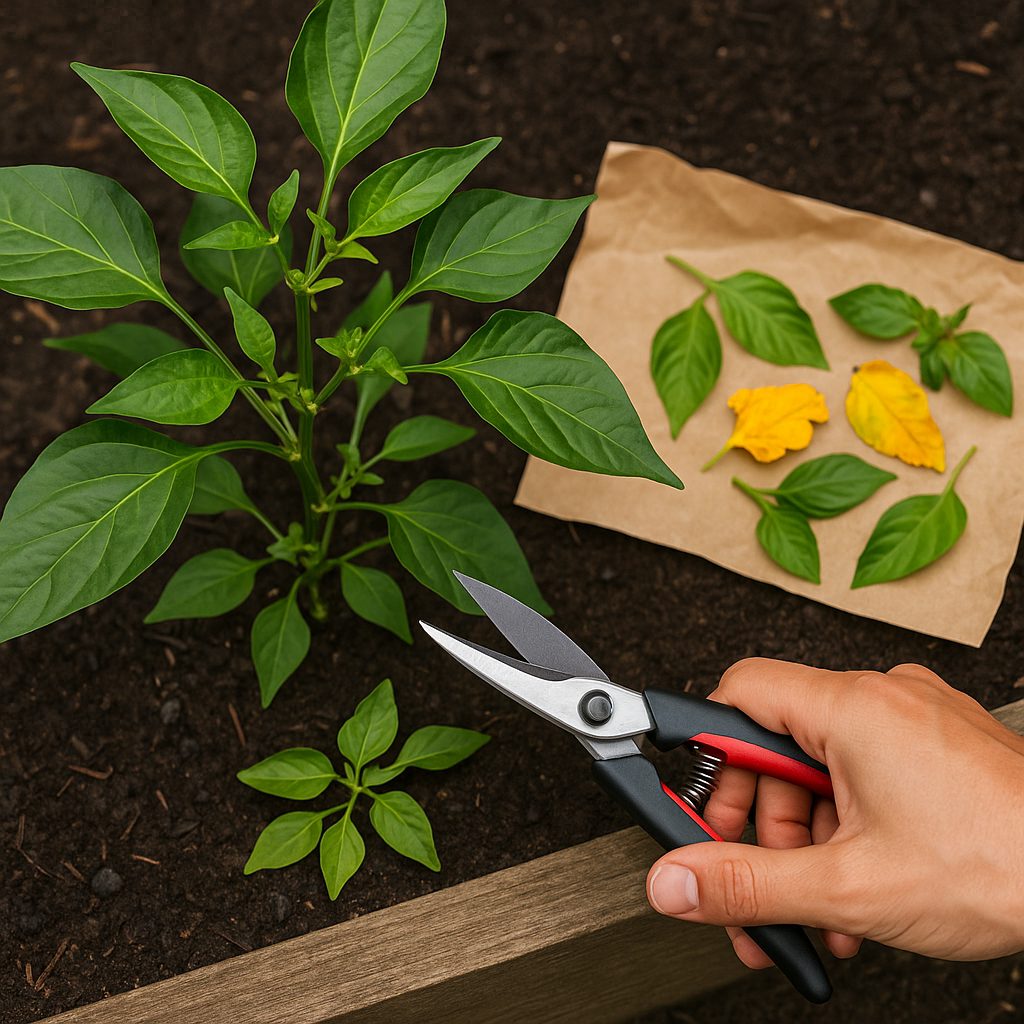
Pruning pepper plants isn’t complicated, but following the right steps can make a big difference in yield and plant health. Start with clean, sharp pruning shears or small scissors—sanitize them with rubbing alcohol before and after each cut to prevent spreading disease.
Begin pruning when your plant is about 6-8 inches tall with at least 6-8 leaves. Pinch or snip off the very top growing point (the central stem tip) to encourage bushier growth and more side shoots.
As the plant grows, regularly check for small side shoots or “suckers” that emerge between the main stem and large branches—remove these to direct energy into fruit production. Trim away yellowing, damaged, or overcrowded leaves, especially those near the base, as these can harbor pests and block airflow.
Avoid cutting more than 20-30% of the plant at a time, and never prune heavily during early flowering, as this can reduce yield. Young plants benefit from shaping early on, while mature plants only need light maintenance unless they become too dense.
After each session, discard all trimmed material away from the garden to further reduce disease risk. By regularly pruning and keeping your tools clean, you’ll have healthier plants that produce more flavorful peppers.
“`html
Early vs. Late Season Pruning: Key Differences
Understanding the difference between early and late season pruning can dramatically impact your plant’s health and productivity. Early season pruning, typically done in early spring, focuses on shaping the plant before new growth begins. Actions like topping and removing early flowers redirect energy from fruiting into root and branch development, helping young plants establish themselves and develop stronger, bushier structures.
For example, gardeners often pinch off the first blossoms of tomato or pepper plants. This encourages the plant to put more energy into growing robust stems and roots, setting the stage for bigger yields later on.
In contrast, late season pruning—which takes place as fruit begins to mature—is all about maximizing the light and airflow that reach ripening fruit. By thinning out crowded branches and removing excess foliage, you boost air circulation and sunlight penetration, both of which help fruit ripen evenly and reduce the risk of mold or rot as cooler weather approaches.
This technique is especially useful for crops like grapes and tomatoes, where ensuring adequate airflow can make the difference between a healthy harvest and a crop lost to late-season disease.
Remember, the right timing and technique for pruning can be the key to healthier plants and a more bountiful harvest.
“`
Common Pruning Mistakes to Avoid
One of the most common pruning mistakes is over-pruning—removing too much foliage at once, which can stress or even kill a plant. To avoid this, only trim what’s necessary, aiming to remove no more than a third of a plant’s total growth at a time.
Another frequent error is pruning at the wrong time, such as cutting spring-flowering bushes in late winter and accidentally snipping off new buds. Always check your plant’s ideal pruning window, usually after flowering or during dormancy.
Disease transmission is also a hidden pitfall; using dirty tools can spread fungi or bacteria between plants. Make a habit of wiping your pruning shears with rubbing alcohol before moving to the next plant.
If you do make a mistake, don’t panic—most healthy plants are resilient and can recover with a bit of extra care. Keep up with regular watering, avoid additional heavy pruning, and watch for new growth as a sign your plant is bouncing back.
Remember, thoughtful corrections and ongoing attention help plants regain their strength, so don’t be afraid to learn from mishaps and try again.
Frequently Asked Questions about Pruning Peppers
Pruning peppers isn’t always essential, but it can boost plant health and yields, especially for varieties like bell peppers and larger-fruited types that benefit from improved airflow and reduced disease risk.
Hot peppers and compact varieties often thrive without much intervention, so light pruning—removing leggy or damaged branches—may be plenty.
You can prune pepper plants while they are fruiting, but target only dead leaves or small shoots shading the fruits, as heavy pruning at this stage could reduce your harvest.
For indoor peppers, gentle and regular pruning helps manage size and keeps plants bushy in limited space, while outdoor peppers generally tolerate more aggressive pruning due to better airflow and sunlight.
Experts recommend always using clean, sharp tools and making cuts above leaf nodes to encourage healthy branching.
If you see stunted growth or sparse fruiting, don’t panic—often, a light trim to remove crowded stems or yellowing leaves can rejuvenate the plant.
The key is to observe your peppers and adjust your approach based on their response.