“`html
Introduction
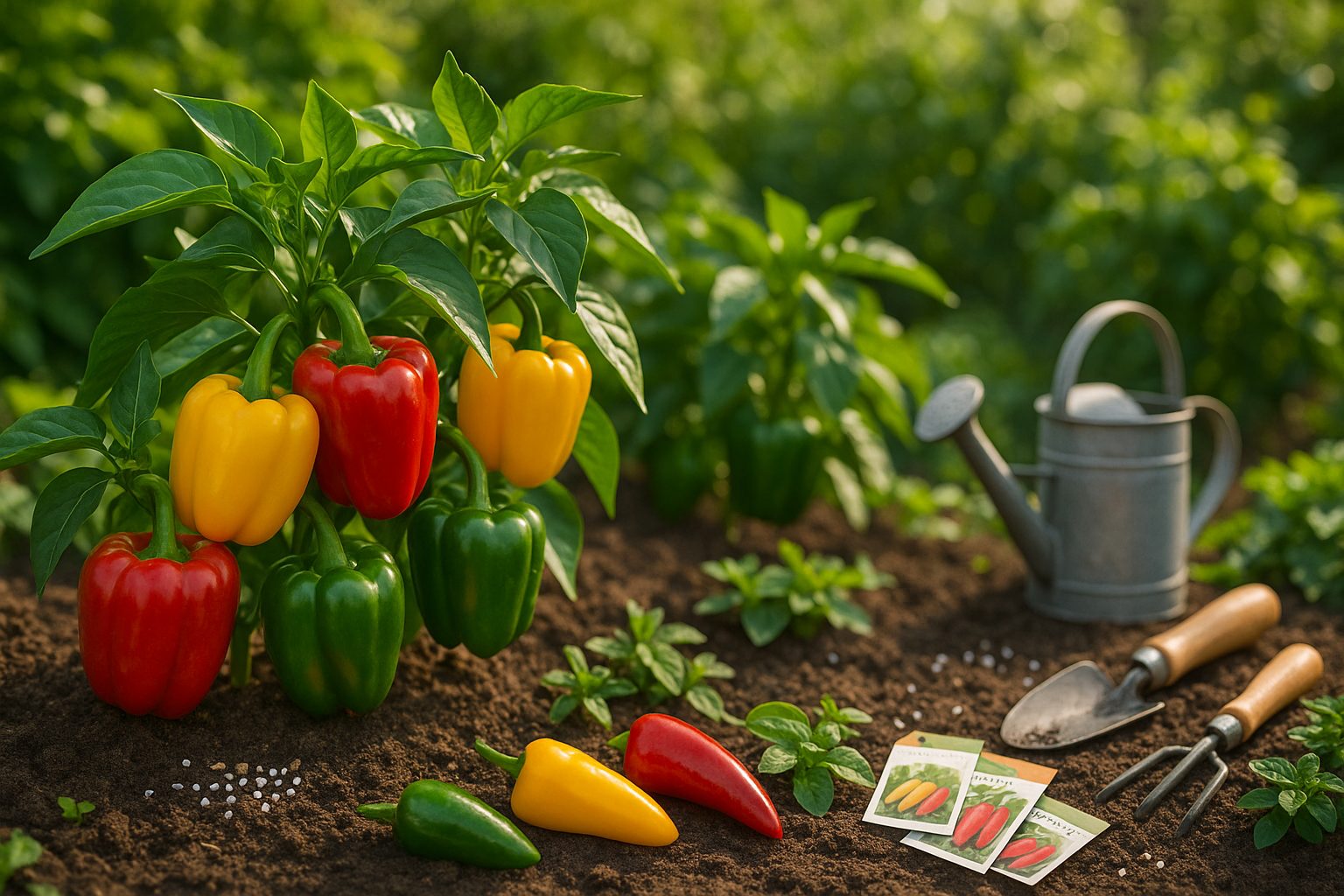
Choosing the best fertilizer for bell peppers can make all the difference between a bountiful harvest and a disappointing crop. Proper fertilization is essential for healthy, productive pepper plants, ensuring they get the nutrients needed to produce vibrant, tasty fruits. But with so many options—especially when it comes to liquid vs. granular fertilizers—it’s easy to feel overwhelmed.
This guide breaks down everything you need to know: from how to select the right fertilizer for your growing conditions to real-world tips on application techniques for both types. Whether you’re a backyard gardener hoping to boost your bell pepper yield or just starting your first veggie patch, you’ll learn practical strategies for feeding your plants so they thrive.
By the end, you’ll have clear answers about which fertilizer type fits your needs and how to use it for maximum results. Let’s get your bell peppers growing their best!
“`
Understanding Pepper Plant Nutrient Needs
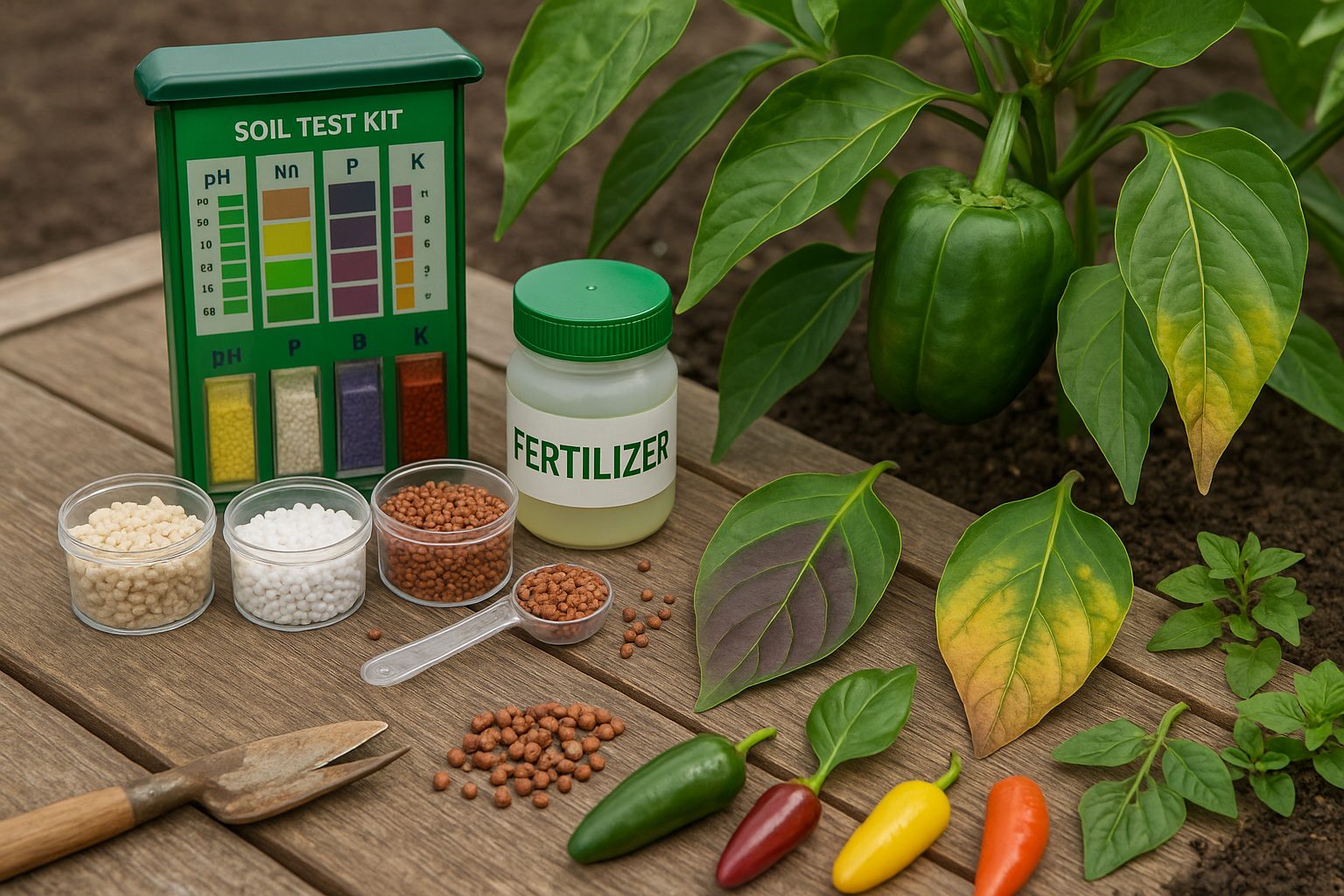
Peppers, like all plants, rely on a balanced supply of nutrients to thrive, especially the primary macronutrients: nitrogen (N), phosphorus (P), and potassium (K).
Nitrogen is vital early on, fueling lush green leaf growth and vigorous stems, so a deficiency can result in pale, stunted plants. As peppers begin forming flowers and setting fruit, phosphorus becomes especially important. It supports strong root systems and helps flowers develop into robust, healthy fruits. Low phosphorus often causes dark green foliage with a purple tinge and poor fruit set.
Potassium plays a key role in fruit sizing, ripening, and disease resistance; signs of deficiency include scorched leaf edges and weak plant structure.
Besides these macronutrients, peppers also need small but crucial doses of micronutrients like calcium, magnesium, and iron.
- Calcium deficiency is common, often showing up as blossom-end rot — a sunken, black spot on the bottom of fruits.
- Magnesium shortages cause interveinal yellowing of leaves.
- Iron scarcity leads to new leaves that are yellow with green veins.
Each nutrient affects the plant at different life stages, with adequate supply ensuring steady growth, plentiful flowers, and tasty, well-shaped peppers.
To keep your peppers healthy, consider using a balanced fertilizer and watch for early warning signs of distress. Testing soil before planting can reveal deficiencies, and addressing them early can mean the difference between a small harvest and a pepper patch bursting with color.
Choosing the Best Fertilizer for Pepper Plants
When it comes to fertilizing pepper plants, you’ll find plenty of options—organic or synthetic, slow-release granules or quick-acting liquids, specialized mixes or general vegetable blends. Each choice has its benefits and drawbacks.
Organic fertilizers, like compost and fish emulsion, feed the soil and encourage a healthy ecosystem over time, but they can be slower to show results. Synthetic fertilizers, available both as slow-release pellets and water-soluble liquids, provide nutrients quickly and can be targeted to plant needs, but they carry the risk of overfeeding and salt buildup in the soil.
Slow-release options are ideal if you want to feed peppers consistently with less effort, while liquid fertilizers suit gardeners who prefer more control and fast adjustments—great for containers or if your plants show nutrient deficiencies.
Choosing the Right N-P-K Ratio
Look for fertilizers with an N-P-K ratio (Nitrogen-Phosphorus-Potassium) balanced for peppers; common options are 5-10-10 or 10-10-10. Peppers benefit from extra phosphorus for root and fruit development and adequate potassium for disease resistance, while too much nitrogen can actually delay fruiting.
Check labels for micronutrients like magnesium and calcium, both crucial for avoiding blossom end rot and promoting healthy growth—these are sometimes missing from basic vegetable fertilizers. Specialized pepper fertilizers often include these micronutrients and are formulated specifically for fruiting vegetables, but general vegetable fertilizers work well if you supplement as needed.
Understanding Fertilizer Labels and Types
To read a fertilizer label, look for the three numbers (like 5-10-10) representing N-P-K percentages by weight, and scan the ingredient list for added minerals. Solubility matters too: water-soluble types are absorbed quickly, while granular types break down more slowly.
Ultimately, the best fertilizer for your pepper plants depends on your gardening style, soil condition, and whether you prefer an organic or conventional approach. If you’re unsure, start with a balanced general vegetable fertilizer and adjust as you observe your plants’ response—healthy peppers typically have deep green leaves, sturdy stems, and plentiful flowers.
When and How to Fertilize Pepper Plants
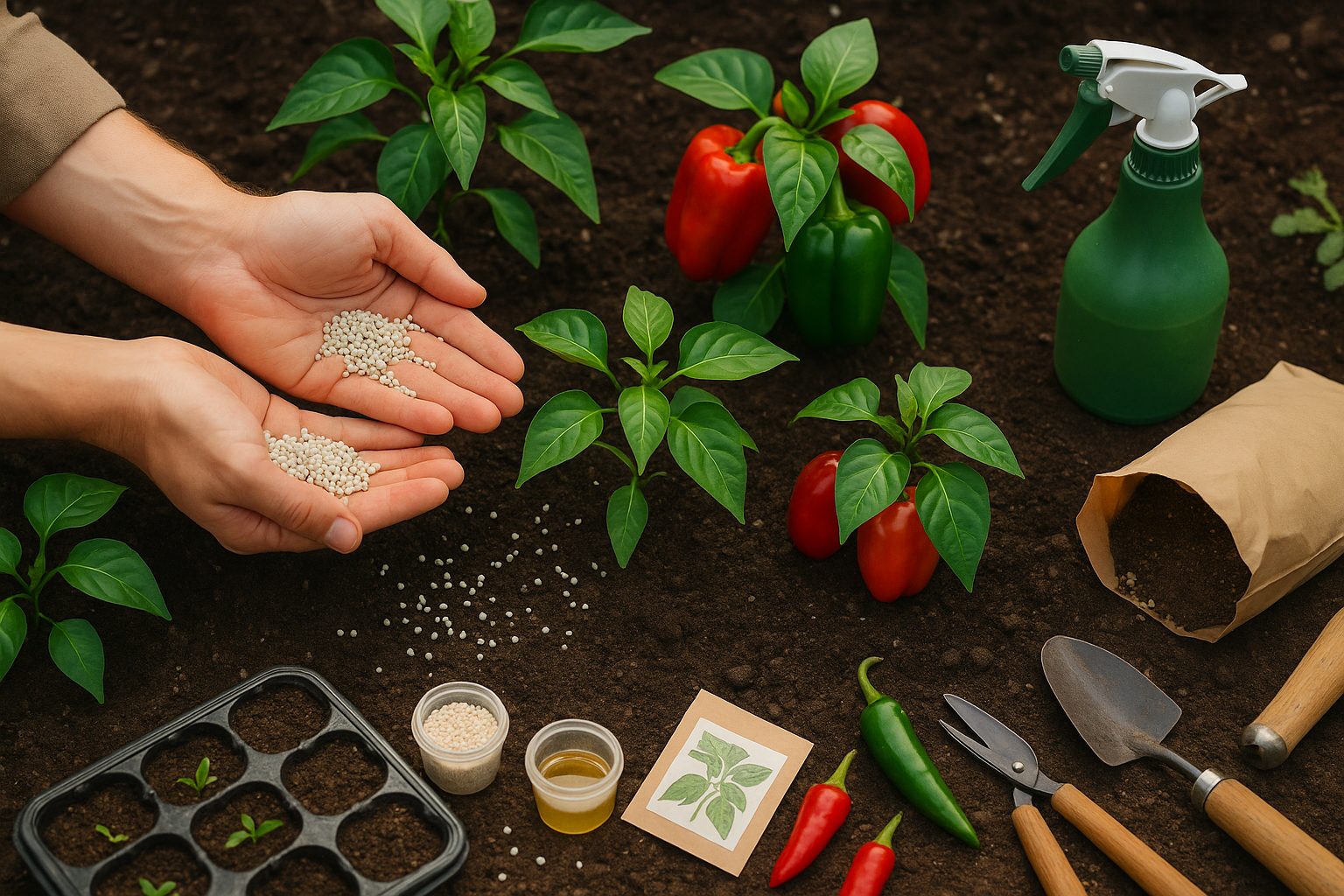
Fertilizing pepper plants at the right times provides the nutrients they need for healthy growth, strong flowering, and plentiful fruit. Start by mixing a balanced, slow-release fertilizer into the soil before planting—this creates a nutrient-rich foundation for seedlings.
Once the seedlings have two or more sets of true leaves, side-dress in-ground peppers with a nitrogen-rich fertilizer. Use about a tablespoon per plant, lightly mixing it into the soil 3–4 inches from the stem. For container peppers, dissolve a water-soluble fertilizer at half the recommended strength and apply during regular watering.
When buds appear and the flowering stage begins, switch to a fertilizer higher in phosphorus and potassium to promote blooms and fruit set. Fertilize every 2–3 weeks during flowering and fruiting for in-ground plants, but be cautious—less is often more to avoid fertilizer burn, especially for container peppers, which have less soil to buffer excess nutrients.
For established plants, continue feeding lightly every month, always watering first to prevent root burn. Newly planted peppers need gentler, lower-strength feedings to avoid overwhelming young roots, while mature plants can handle full-strength fertilizer but still benefit from regular watering after feeding.
Always spread granular fertilizer at least a few inches away from the stem and water thoroughly to help nutrients reach the root zone, whether your peppers are in the ground or in pots. If leaves show yellowing tips or burned edges, it may be time to reduce feeding and flush the soil with clean water.
Remember, a consistent, balanced fertilizing approach helps peppers thrive, while over-fertilizing can do more harm than good.
Best Practices for Ongoing Fertilization
For healthy, thriving plants, a consistent fertilization routine during the growing season—typically every 4-6 weeks—is ideal for most garden plants. However, specific timing may vary depending on the species and fertilizer type.
One of the most common mistakes gardeners make is over-fertilizing, thinking that more nutrients will speed up growth or blooms. In reality, excess fertilizer can burn roots, stunt growth, and even harm the environment by washing into waterways. On the flip side, under-fertilizing can leave your plants pale, slow-growing, or prone to disease due to nutrient deficiencies.
Another frequent error is improper watering before and after fertilizing. Applying fertilizer to dry soil or failing to water it in can cause root burn and hinder nutrient uptake. For best results, water your plants well the day before fertilizing, and again afterward to help nutrients reach the roots.
Above all, keep an eye on your plants’ appearance—yellowing leaves, poor flowering, or stunted growth are all signals you might need to revise your feeding schedule. Remember, each plant’s needs are different, so adjust your approach based on the plant’s response instead of sticking rigidly to a calendar.
By observing and responding to your garden’s signals, you’ll provide just the right amount of nourishment for vigorous, healthy growth all season long.
Tips for Maximizing Pepper Plant Health and Yields
Keeping your pepper plants healthy and productive starts with a few simple, strategic practices. First, test your soil before planting—knowing your soil’s pH and nutrient levels helps you avoid guesswork and choose targeted amendments like lime or balanced fertilizers. Peppers thrive in slightly acidic to neutral soil, ideally between 6.0 and 7.0 pH, so adjust accordingly.
Incorporating organic matter such as compost improves soil structure, retains moisture, and delivers a steady supply of nutrients throughout the growing season. Don’t forget the power of mulch: applying a thick layer of straw or shredded leaves around your plants helps regulate soil temperature, suppress weeds, and keep roots evenly moist, especially during summer heatwaves.
When watering, aim for consistency—peppers do best with deep, regular soakings rather than light, frequent sprinkles that can encourage shallow root growth and disease. Early morning is the best time to water, reducing evaporation and giving foliage time to dry out and avoid fungal issues.
Finally, try companion planting—growing basil, marigolds, or onions nearby can deter pests naturally and promote healthier growth. These practices, when combined, not only discourage common problems like blossom end rot and stunted growth but also boost your harvest.
With a little attention to soil, smart watering, and the right plant partners, you’ll set your peppers up for a thriving, productive season.
Troubleshooting Common Fertilization Issues
When pepper plants struggle with fertilization issues, you’ll often see clear signals. Signs of nutrient deficiencies include yellowing leaves (nitrogen), purple-tinged undersides (phosphorus), or burnt-looking leaf edges (potassium). Too much fertilizer might show up as curled, dark green leaves, salt crust on the soil, or stunted growth.
Environmental stress—overwatering, underwatering, or heat—can mimic or compound these problems, leading to leaf drop or limp stems. If you spot these symptoms, start by flushing the soil with clean water to leach out excess salts, then pause fertilizing for a week or two.
For deficiencies, a balanced, slow-release fertilizer targeted to peppers can help, but make sure to follow label instructions closely. Address environmental stress by adjusting watering schedules and providing shade during hot afternoons.
If problems persist, collect a soil sample and use a local agricultural extension service or send it to a reputable lab for professional analysis. Online forums like the Pepper Lovers Community and apps like Plantix also offer photo-based diagnostics and personalized advice, so don’t hesitate to reach out for expert guidance when in doubt.
Conclusion
In summary, effective fertilization of pepper plants involves choosing the right type of fertilizer, timing your applications carefully, and watching for signs of nutrient needs or excesses. Every garden and plant is unique, so don’t be afraid to experiment with different schedules or products to discover what works best in your environment.
Pay close attention to how your peppers respond, adjusting your routine as needed for lush growth and abundant harvests. Have you found a fertilizing method that works especially well for your peppers? Share your experiences, questions, or favorite tips in the comments below—we’d love to hear from you!