Introduction
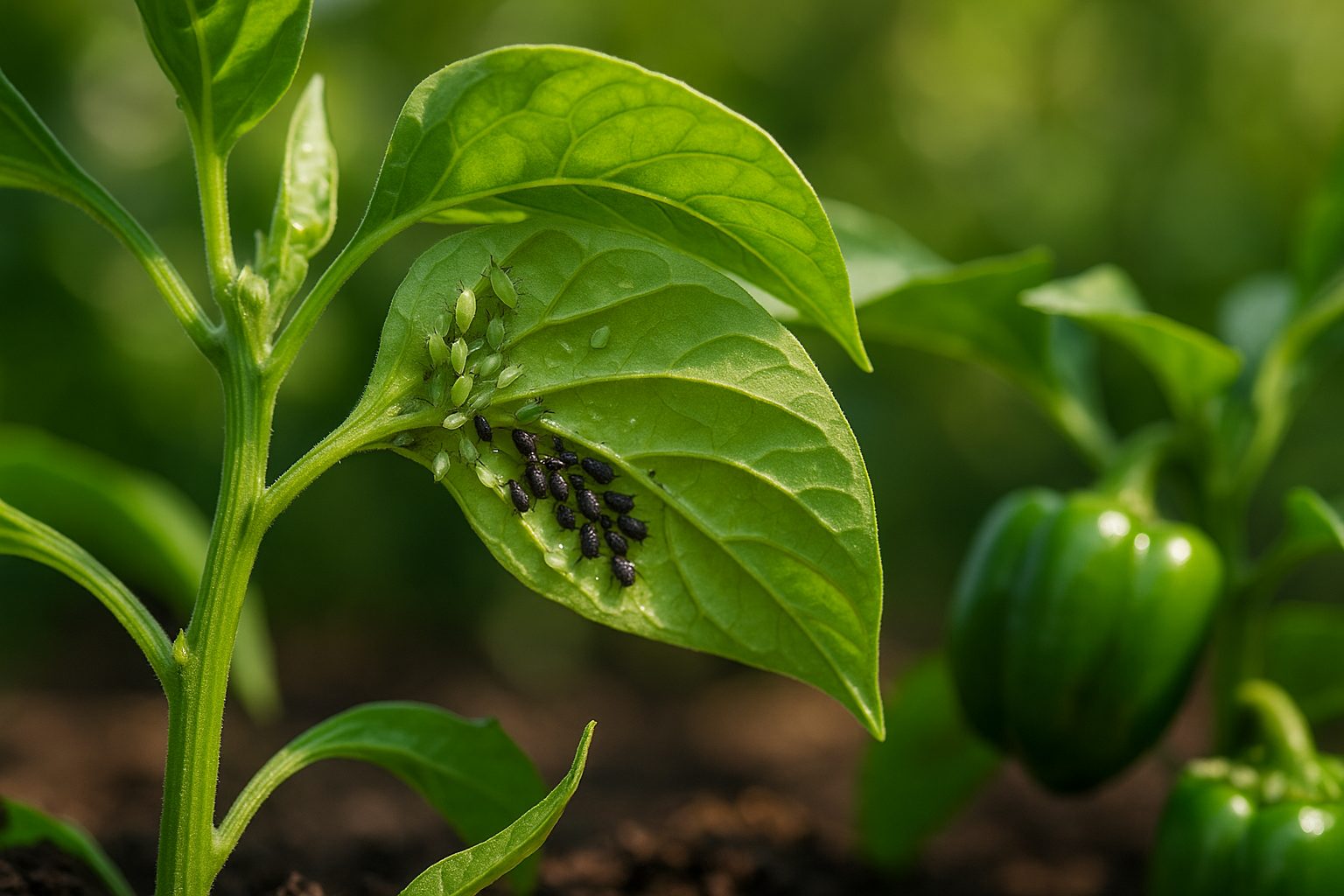
Aphids on bell peppers are a common frustration for many home gardeners. These tiny, soft-bodied insects may be small, but they can cause significant headaches when they invade your prized pepper plants. Aphids feed by sucking sap from the leaves and stems, and their presence is often marked by clusters of pale green or black bugs clinging to the undersides of leaves.
Left unchecked, aphids won’t just weaken your pepper plants—they can spread diseases, attract ants with their sticky honeydew secretions, and even stunt fruit development, leaving your harvest far less bountiful. That’s why it’s crucial to act at the first sign of aphids, rather than let them multiply.
In this blog post, you’ll learn how to accurately spot these pests, from their telltale pear-shaped bodies to the curling or yellowing leaves they leave behind. You’ll also discover effective, practical strategies for managing aphid outbreaks—whether you prefer gentle organic solutions like introducing beneficial insects or opt for more direct methods like targeted sprays.
With the right knowledge, you can keep your bell pepper plants healthy and productive all season long, minimizing both damage and frustration in your garden.
How to Identify Aphids on Pepper Plants
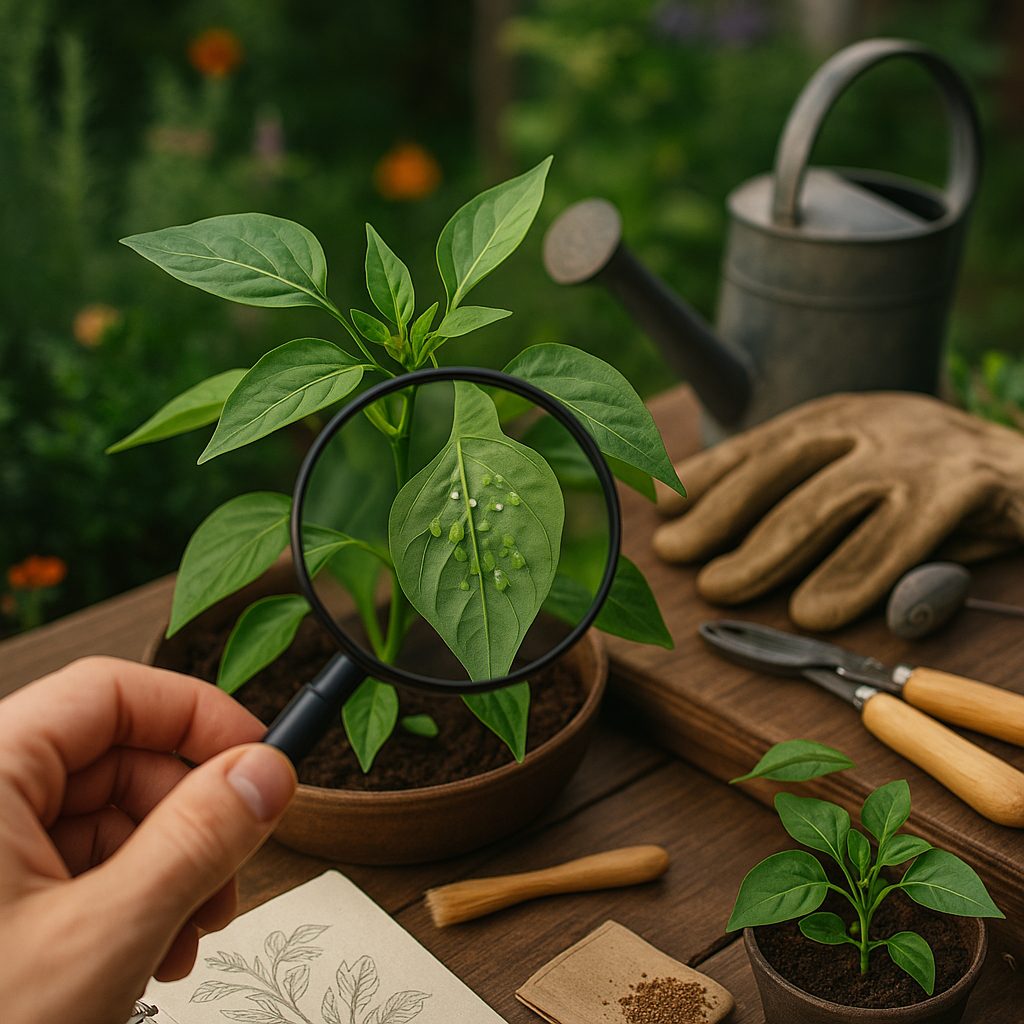
Aphids are small, soft-bodied insects that can be green, yellow, black, gray, or even pink, making them tricky to spot on pepper plants. They’re usually about the size of a pinhead (1-3 mm), often appearing as tiny bumps clustered along new growth, tender stems, the undersides of leaves, or near flower buds.
If you’re examining your peppers and see a cluster of miniature pear-shaped bugs, especially on these softer plant areas, you’re likely looking at aphids. One telltale sign of an infestation is distorted or curling leaves, as aphids feed by sucking sap, which damages the plant tissue. You might also notice a sticky residue called honeydew that aphids excrete—it can coat leaves and stems, sometimes attracting ants or causing black mold to grow.
Stunted growth or yellowing of foliage is another red flag. It’s important to differentiate aphids from similar pests like whiteflies or spider mites. Unlike aphids, whiteflies will flutter away when disturbed, and spider mites are nearly microscopic, often leaving webbing behind. Aphids don’t produce webs and are generally slow-moving.
A magnifying glass can help: look for subtle differences, such as two small “tailpipes” (called cornicles) sticking out of an aphid’s rear, which other pests lack. Regularly check the newest growth on your pepper plants, as early detection makes managing aphids much easier and helps keep your peppers healthy all season long.
Why Aphids Are a Problem for Peppers
Aphids are tiny, soft-bodied insects that can pose a big threat to your pepper plants. These pests feed by piercing the leaves and stems to suck out the sap, which weakens the plant and deprives it of essential nutrients. Over time, this feeding can cause pepper leaves to curl, become distorted, and turn yellow—a telltale sign that something’s wrong.
Another problem is that aphids excrete a sticky substance called honeydew, which promotes the growth of black sooty mold on leaves and fruits. This mold not only looks unsightly but also blocks sunlight, affecting the plant’s ability to photosynthesize. Aphids are also notorious for transmitting plant viruses as they move between plants, further endangering your peppers.
In severe infestations, the combined stress from sap loss, virus transmission, and mold growth can stunt pepper plant growth, drastically reduce yields, and sometimes even kill young or vulnerable plants. If you notice sticky leaves, black patches of mold, or clusters of small green, white, or black bugs, it’s important to act quickly—early intervention can save your crop from long-term damage.
Regularly inspecting new growth and the undersides of leaves can help you detect aphid problems before they get out of control.
Natural & Physical Aphid Control Methods
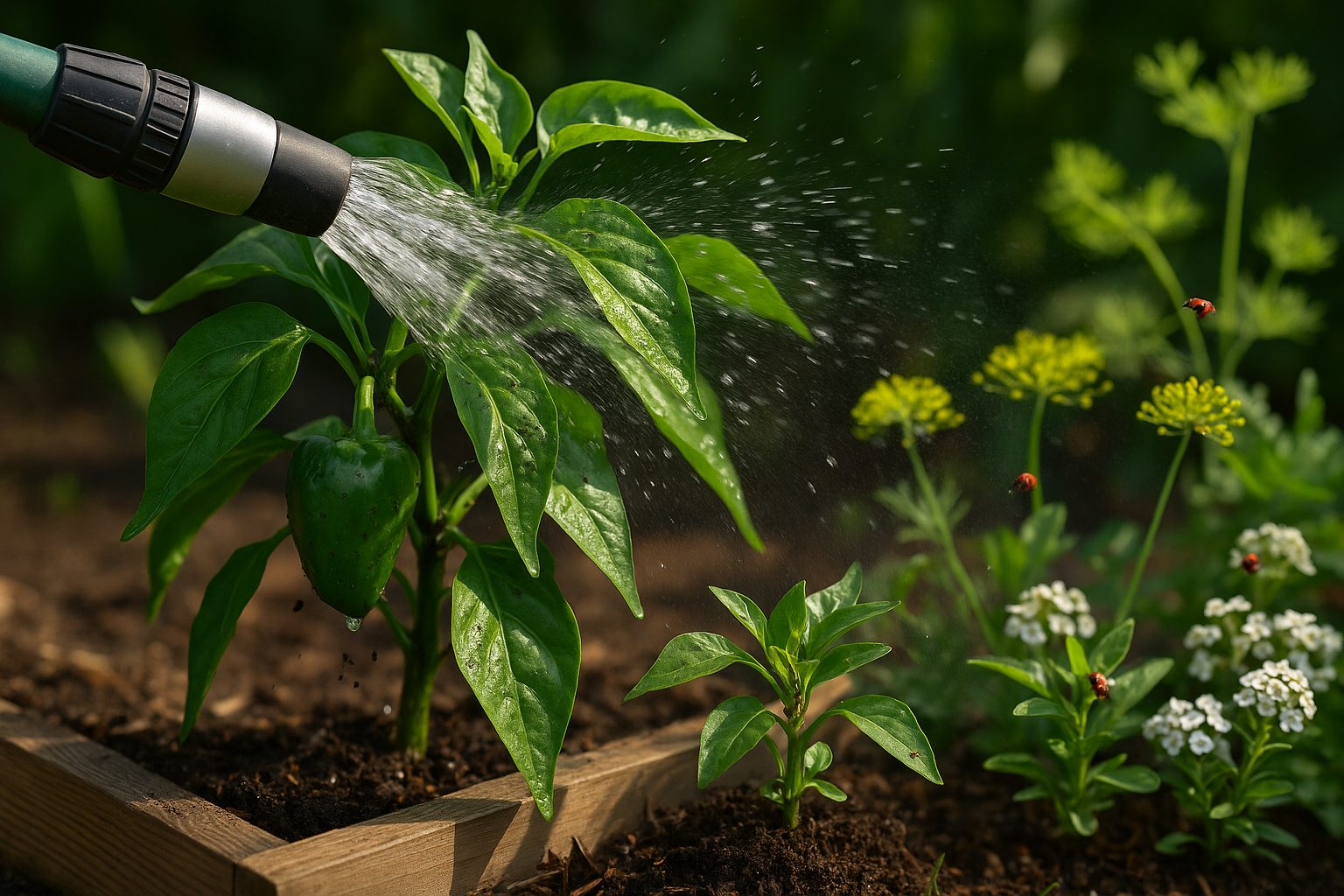
When it comes to tackling aphid infestations, starting with manual removal is both effective and eco-friendly. A strong jet of water from your garden hose can easily dislodge aphids from plant stems and leaves—just make sure to spray in the morning so plants dry off quickly, reducing the risk of disease.
For smaller infestations or delicate plants, simply squishing aphids by hand or using a soft brush to sweep them off is a great low-impact method.
In addition to hands-on approaches, enlisting helpful insect allies dramatically boosts natural control. Ladybugs and lacewing larvae love to feast on aphids, so you can buy them from garden centers or online, then release them into your garden in the evening. To keep these predators around, grow nectar-rich plants such as dill, fennel, or alyssum, which provide food and shelter.
Companion planting is another smart tactic—planting garlic, chives, or marigolds near susceptible crops deters aphids thanks to their strong scents. Cultural practices like avoiding excessive nitrogen fertilizer and removing plant debris will also make your garden less attractive to aphids.
Most importantly, get into the habit of checking your plants at least once a week, especially the undersides of new leaves where aphids love to hide. Early detection lets you address problems before aphid populations explode, saving you time and protecting your plants all season long.
Effective Organic and Chemical Solutions
When tackling aphids and other garden pests, organic solutions like insecticidal soaps and neem oil are effective and easy to use. Insecticidal soaps work by breaking down the protective coating on insects—you simply spray them directly onto affected leaves, making sure to coat the undersides where pests hide.
Neem oil, derived from the neem tree, disrupts the life cycle of insects and also has antifungal properties. Mix it according to label instructions and spray in the early morning or evening to avoid harming beneficial pollinators.
For a homemade aphid spray, mix one tablespoon of mild liquid dish soap (without degreasers or bleach) into one quart of water, pour into a spray bottle, and apply liberally to infested plants every few days. Be sure to test a small area first to check for plant sensitivity.
Another natural option is diatomaceous earth, a fine powder made from fossilized algae that kills soft-bodied insects by dehydrating them. Dust it lightly onto dry leaves and around plant bases, being cautious to avoid flowers where bees visit, and reapply after rain.
If infestations become severe and you’ve exhausted organic methods, chemical pesticides may be considered, but they should always be a last resort. Choose the least toxic option labeled for your specific pest and plant, apply sparingly, and follow all safety instructions to protect helpful insects, pets, and yourself.
As a rule, reserve chemicals for persistent, damaging outbreaks and always try organic solutions first—they’re often just as effective and much kinder to both your garden and the environment.
Preventing Future Aphid Infestations
Keeping your garden aphid-free starts with focusing on plant health and smart gardening practices. Healthy plants are better at resisting pests, so begin by watering consistently, avoiding overcrowding, and feeding your soil with organic compost to boost plant immunity.
To physically block aphids from attacking vulnerable plants, use row covers or fine mesh netting—these allow light and water in but keep insects out. Regularly inspect your plants for signs of aphids and prune any infested leaves to prevent the problem from spreading.
Clean up plant debris and weeds, as these often harbor aphids and their eggs; a tidy garden is far less inviting to pests. Crop rotation is another powerful tool: don’t plant the same family of vegetables in the same spot year after year, as this disrupts the life cycle of aphids that overwinter in the soil.
Try interplanting aromatic herbs like chives, garlic, or mint among your crops—aphids dislike their strong scents. Companion planting can both deter pests and confuse them, making it harder for colonies to establish.
By combining these strategies, you’ll create an environment that’s naturally unwelcoming to aphids and help your plants thrive season after season.
Conclusion & Quick FAQ
To keep your pepper plants healthy and free from aphids, remember these key strategies: regularly inspect your plants for clusters of small, pear-shaped bugs, check the undersides of leaves, and watch for sticky residue (honeydew). If you spot aphids, start with gentle methods like spraying your plants with a strong stream of water or introducing beneficial insects such as ladybugs.
For heavier infestations, use insecticidal soap or neem oil, making sure to cover both the upper and lower leaf surfaces. Taking a proactive approach—such as removing weeds around your peppers, rotating crops, and encouraging natural predators—can help prevent aphid outbreaks before they begin.
Frequently Asked Questions
- How often should I check for aphids? Weekly inspections are usually enough, but during warm weather, consider checking every few days.
- Will aphids kill my pepper plants? While they rarely kill mature plants, heavy infestations can stunt growth and reduce yields.
- Can I eat peppers that had aphids? Yes, as long as you wash the fruit thoroughly.
Consistent monitoring and quick action are your best defenses. Stay vigilant, and your pepper plants will thrive.