Introduction
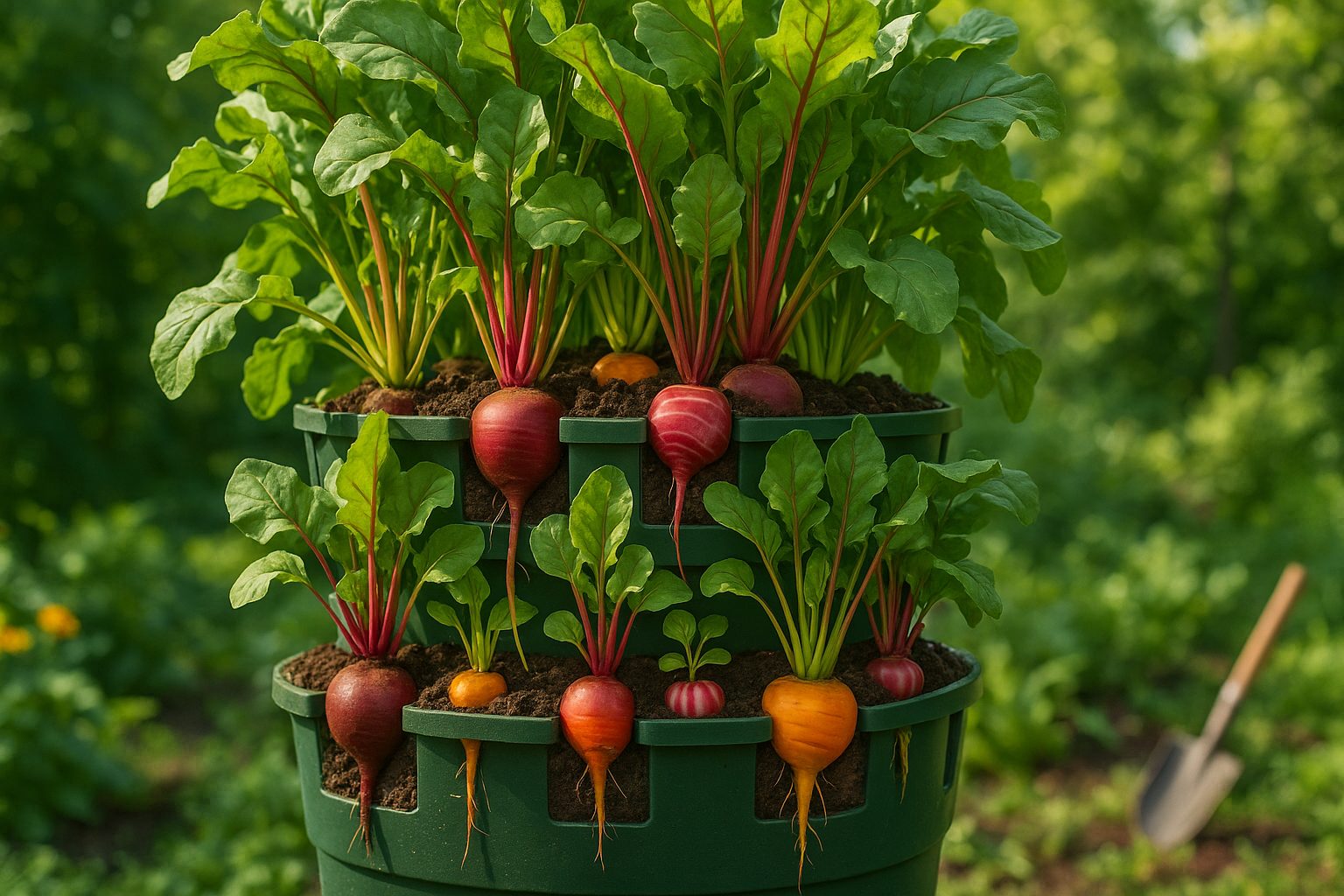
Vertical growing of beets has become an intriguing option for gardeners eager to maximize their space and harvest. Beets, known for their earthy flavor and nutritional punch, are among the easiest root vegetables to grow—whether you’re a seasoned green thumb or just starting out. From rustic backyard plots to compact containers on a balcony, and even innovative aquaponic setups, there’s no shortage of ways to enjoy homegrown beets.
Growing your own not only adds vibrant color and nutrients to your meals but also puts you in control of what goes into your food—free from unnecessary chemicals. If you’re eyeing a grow tower or a vertical bed as your beet patch, you might be surprised at just how possible—and rewarding—it can be.
Let’s explore the basics and benefits of vertical growing beets, so you can enjoy a bumper crop even when horizontal space is tight.
Choosing the Right Beet Variety
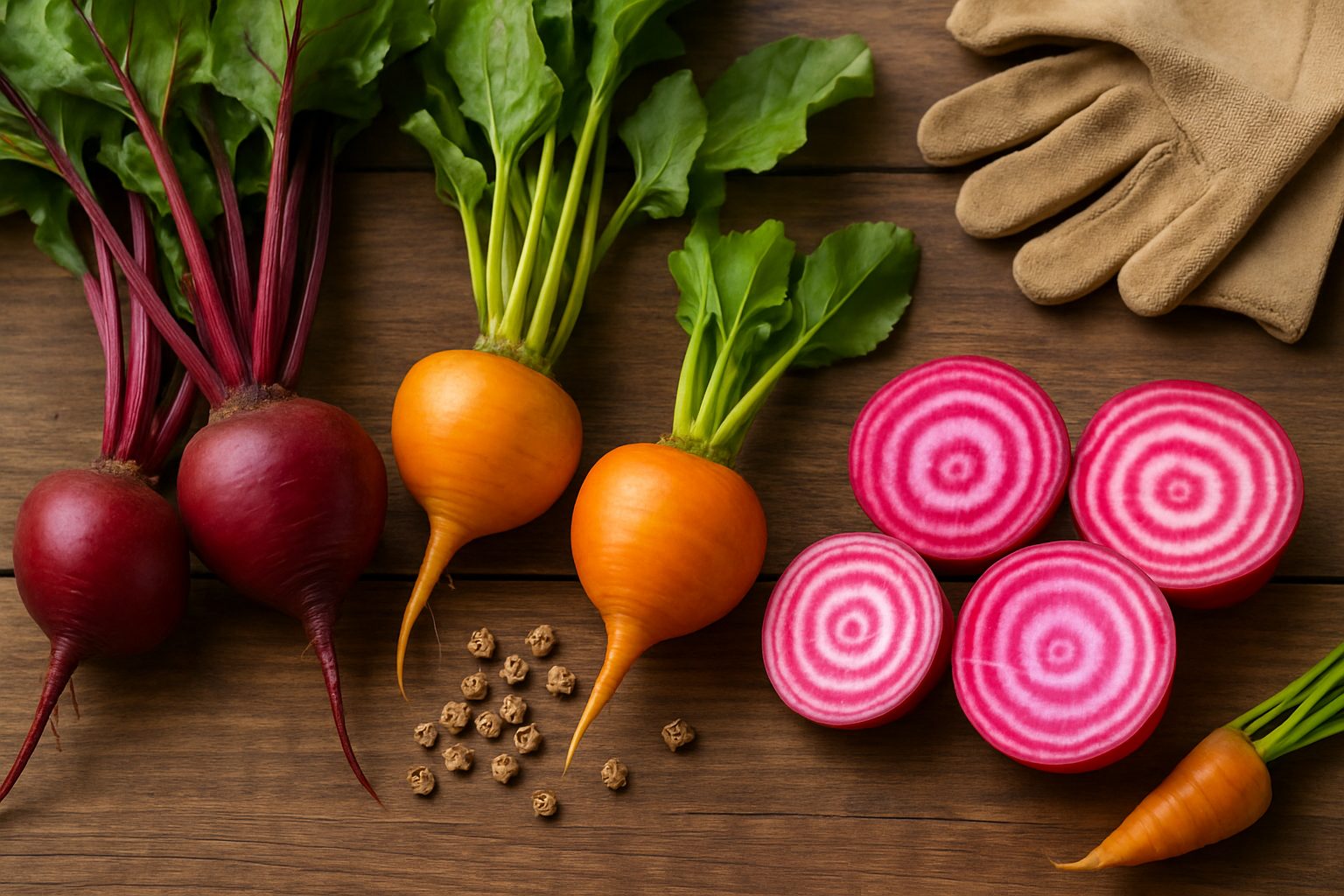
When deciding which beets to grow in your garden, start by considering the three main types: classic red, golden, and striped (also called Chioggia).
Red beets, such as the well-loved Detroit Dark Red, are what most people picture—earthy-sweet flavor, vibrant color, and reliable for both roots and leafy greens. Golden varieties like Golden Beet or Burpee’s Golden have a milder, less earthy taste and won’t stain your hands, making them great for salads. Striped types, like Chioggia, steal the show with their beautiful pink-and-white rings and mellow, slightly sweet flavor—kids especially love how they look sliced up.
Whichever you pick, check your region’s growing season: beets need cool weather and thrive when planted in early spring or late summer in most climates.
If you want tasty beet greens, look for cultivars known to produce lush tops, such as Early Wonder Tall Top. For reliable root production, classics like Detroit Dark Red or golden types are both excellent.
Always buy seeds from reputable sources like Johnny’s Selected Seeds, Baker Creek, or local garden centers to ensure quality and freshness.
Mix and match varieties to enjoy a harvest that’s colorful, delicious, and suited to your cooking and climate—there’s a beet out there for every palate and patch of soil.
Preparing the Planting Site
Getting your planting site ready is a big step toward growing healthy, plump beets. Start by choosing a spot with full sunlight—at least 6 hours a day—to promote strong root growth.
Beets need loose, well-draining soil; if your soil is heavy or clay-like, mix in compost or coarse sand to improve texture and drainage. Aim for a soil pH between 6.0 and 7.0, which helps beets absorb nutrients efficiently. Test your soil with a simple kit and add lime to raise pH or sulfur to lower it if needed.
Fertility matters, too: enrich your soil with well-rotted compost or a balanced fertilizer that’s high in phosphorus and potassium but low in nitrogen to encourage bigger bulbs instead of leafy tops.
Spacing is key—plant beet seeds or seedlings three to four inches apart, and leave at least 12 inches between rows so roots have room to expand.
For container planting, choose pots that are at least 10–12 inches deep and fill them with a loose potting mix. Make sure containers have drainage holes, and water consistently to keep soil moist but not soggy.
If you’re interested in alternative setups, aquaponics can be a fun and efficient method for growing beets—just monitor water quality and nutrients, and provide enough rooting space.
No matter your method, taking time to prep your site pays off with sweeter, healthier beets at harvest.
How to Plant Beets Successfully

To plant beets successfully, start by choosing a sunny spot with loose, well-draining soil—beets don’t do well in heavy, compacted ground. Begin sowing beet seeds in early spring, about 2-4 weeks before the last expected frost, or again in late summer for a fall crop.
Soak seeds overnight to speed up germination, as beet seeds are actually clusters with a tough outer coating. Sow seeds directly into the ground, planting them about ½ inch deep and spacing each seed 1-2 inches apart in rows that are 12 inches apart to give the roots enough room to mature.
After sowing, gently press the soil over the seeds and water thoroughly but avoid creating pools. Keep the soil consistently moist until seedlings emerge, which usually takes 7-14 days. When sprouts reach about 2 inches high, thin them to 3-4 inches apart to prevent overcrowding—snip extra seedlings rather than pulling them to protect the delicate roots.
Succession Planting for Continuous Harvest
For a steady supply of beets, practice succession planting by sowing a new row every two to three weeks throughout the planting season. This ensures you’ll have a continuous harvest instead of a glut all at once.
Care Tips
- Mulch to retain soil moisture and keep weeds down, making beet care easier as your crop grows.
- Pay close attention to watering, especially during dry spells, but avoid soaking the soil, as too much moisture can lead to rot.
With a little planning and attention to detail, you’ll be rewarded with tender, sweet beets all season long.
Caring for Beets as They Grow
Caring for beets as they grow is straightforward and pays off with healthy roots and vibrant greens. Start by keeping the soil consistently moist—deeply water once or twice a week, depending on rainfall, to encourage strong taproot growth.
Adding a two-inch layer of organic mulch, such as straw or shredded leaves, helps retain moisture, suppress weeds, and keep the soil cool. Fertilize lightly with a balanced organic fertilizer or compost when seedlings reach a few inches tall; avoid high-nitrogen formulas, which encourage leafy growth over root development.
Once beet seedlings are about two inches tall, thin them to roughly three inches apart to prevent overcrowding and allow roots to mature fully. Hand-pull weeds regularly or use a gentle hoe to avoid disturbing the shallow beet roots. Remember, beet greens are edible—harvest sparingly so the plant continues to grow.
Pest and Disease Management
Watch for common pests like leaf miners and aphids. Eco-friendly control methods include:
- Using row covers
- Releasing beneficial insects like ladybugs
- Applying insecticidal soap when necessary
Diseases such as fungal leaf spots can be minimized by ensuring good airflow—avoid overhead watering and space your beets properly. Practicing crop rotation and clearing away debris at the season’s end helps break disease cycles.
With consistent care, you’ll enjoy a healthy harvest of both roots and nutritious greens.
Container & Alternative Beet Gardening
Growing beets in containers is a smart choice for anyone with limited outdoor space or those wanting greater control over their gardening environment. Choose a pot that’s at least 10 inches deep and wide enough to allow 3–4 inches of space between each seed; shallow or crowded pots will lead to stunted beet roots.
Fill your container with loose, well-draining potting soil that’s rich in organic matter—avoid using garden soil, as it compacts easily. Beets like steady moisture, so keep the soil consistently damp, but not waterlogged, and make sure your container has good drainage holes to prevent root rot.
Alternative: Aquaponic Beet Gardening
For an alternative approach, aquaponic systems can also successfully grow beets, though root development can be tricky. Use media beds filled with gravel or expanded clay pellets to anchor roots, and keep an eye on water quality and nutrient levels.
Both container and aquaponic methods are ideal for patios, balconies, or creative indoor spaces, making beet gardening accessible to apartment dwellers and those eager to experiment with innovative growing techniques. These compact solutions not only maximize yield in small spaces but also allow for year-round growing and easier pest management.
Harvesting and Storing Beets
Knowing when to harvest beets is key to getting the best flavor and texture from your crop. Beets are ready when their roots are about the size of a golf ball to a tennis ball—typically 1.5 to 3 inches across. The shoulders should be just peeking above the soil and feel firm to the touch.
To avoid damaging the root, gently loosen the soil around each beet with a garden fork or small trowel instead of yanking on the greens. Then, grasp the base of the stems and carefully pull upward. Don’t toss those leafy tops—beet greens are packed with nutrients and can be sautéed, tossed into salads, or used as a spinach substitute.
Maximizing Your Yield
If you want to get the most out of your crop, consider thinning dense rows early in the season. Pull out smaller beets to give the rest space to grow, and enjoy the early harvest as baby beets and tender greens.
Storage Tips
For short-term storage, trim the greens a couple of inches above the root to prevent moisture loss. You can store the greens separately and use them within a few days. store unwashed beets in the refrigerator crisper, loosely wrapped or in a perforated bag, for up to two weeks.
For long-term storage, beets keep best in a cool (32–40°F), humid place like a root cellar, layered in damp sand or sawdust. You can also pickle, can, or freeze beets—simply cook, cool, peel, slice or dice, and pack them into freezer bags. This is an easy way to enjoy your homegrown flavor throughout the winter months.
Troubleshooting & FAQs
If you’re experiencing poor germination with your beet seeds, try soaking them in water for a couple of hours before planting. Also, make sure you’re sowing them directly into moist, loose soil—beets don’t like compacted earth.
Small roots often result from overcrowding; thin seedlings so that each plant has 3-4 inches to grow big, round bulbs.
Pests like leaf miners can be a nuisance. Cover young plants with row fabric or inspect leaves regularly for eggs and remove them.
Worried about bolting, when beets flower prematurely? This usually happens with sudden temperature swings or if seeds are planted too early. Check your planting times and stick to the recommended window for your region.
Wondering if you can regrow store-bought beets from scraps? While you can sprout beet greens from the top portion in water, new beet roots won’t form this way—but it’s still a fun way to grow tasty greens for salads.
Gardening always comes with challenges, but each setback is a chance to learn. Stay curious, make small adjustments, and soon you’ll find what works best for your garden. Consistency is key, so keep experimenting and don’t hesitate to reach out to fellow gardeners or local extension offices for more tips.
Conclusion
Growing beets at home can be surprisingly easy and incredibly rewarding, especially when you follow a few simple steps like choosing the right spot, sowing seeds directly, and keeping the soil moist. With just a little effort, you’ll soon enjoy the sweet, earthy taste of fresh beets straight from your garden—perfect for salads, roasting, or pickling.
If you’re new to gardening, starting with beets is a great way to build confidence and enjoy homegrown produce with minimal fuss. Once you see how simple and satisfying it is, consider trying other root veggies like carrots, radishes, or turnips for even more garden variety.