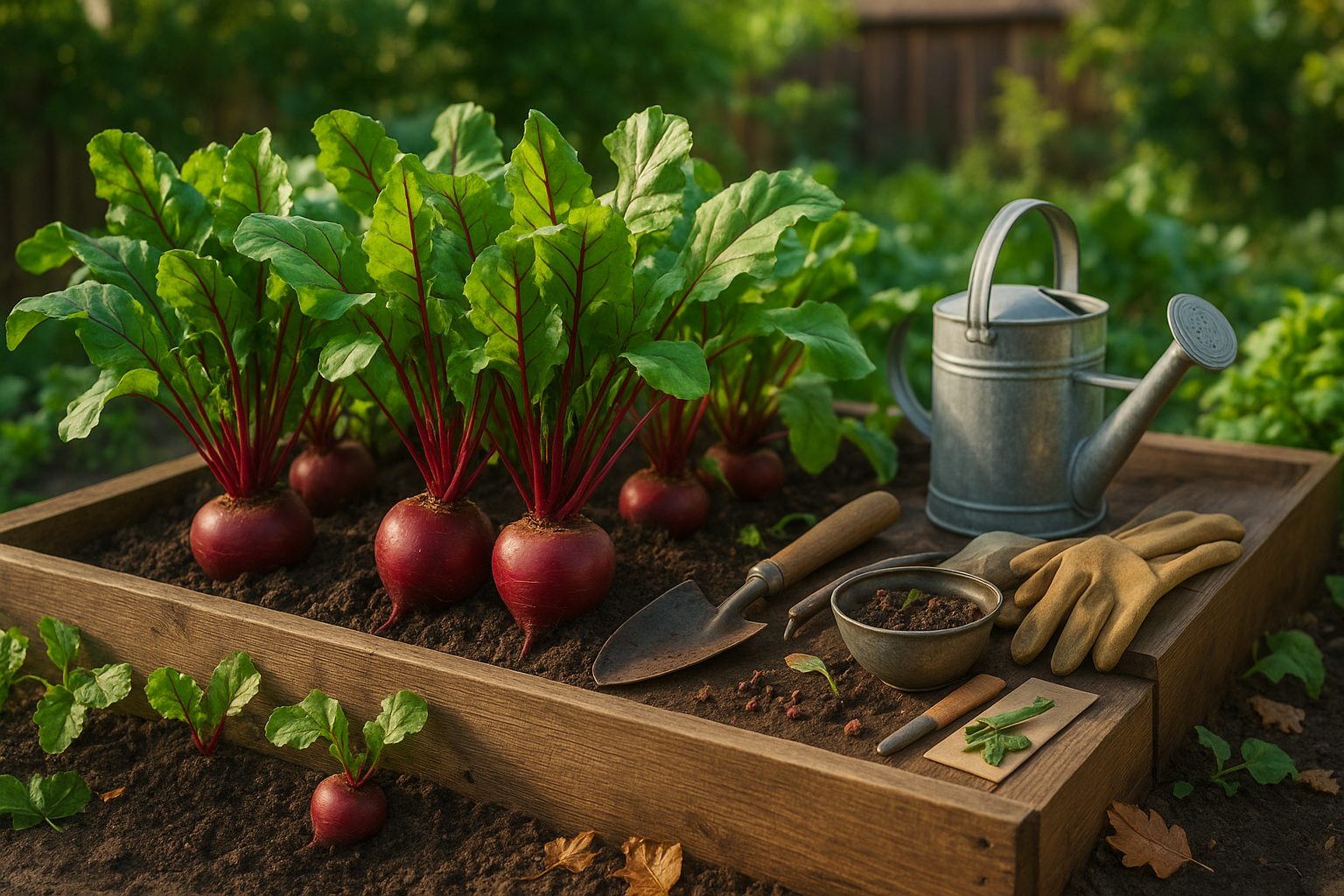
Why Grow Beets?
Learning how to grow beets from seed is one of the most rewarding and accessible projects you can take on in your home garden. Beets are packed with nutritional value—these vibrantly colored root vegetables offer a powerhouse of vitamins, minerals, and antioxidants. They’re rich in folate, manganese, fiber, and even contain nitrates that support heart health.
Beyond their nutrient content, beets are surprisingly versatile in the kitchen. Whether you enjoy their sweet earthiness roasted, boiled, pickled, or blended into smoothies, beets adapt wonderfully to a range of recipes. Don’t forget their leafy tops: beet greens are tender, mildly sweet, and can be tossed into salads, sautéed like spinach, or added to soups—making beets truly a dual-purpose crop.
For beginner gardeners, the ease of growing beets from seed makes them an especially attractive choice. The seeds germinate reliably and can be sown directly into most garden beds, raised beds, or even large containers. Their resilience to light frosts means you can start them early in spring or plant them for a fall harvest. Caring for beets doesn’t require advanced skills—just provide sunlight, regular watering, and moderately rich soil for a bountiful crop in as little as two months.
Homegrown beets provide an incredible level of freshness you won’t find in the grocery store. Harvesting them straight from your garden means their flavor and nutritional content are at their peak. This immediate harvest helps reduce food waste too—no more forgotten, wilted vegetables languishing in the fridge. Growing your own beets also allows you to pick only what you need, use both roots and greens, and skip the plastic packaging that supermarket produce often comes in.
In essence, learning to grow beets from seed not only brings delicious and healthy food to your table, it also supports sustainable living and can spark a newfound love of gardening. With minimal effort, you can enjoy beets’ beauty, versatility, and health benefits right from your backyard or balcony—all while making the most of every part of the plant.
Selecting the Best Beet Varieties
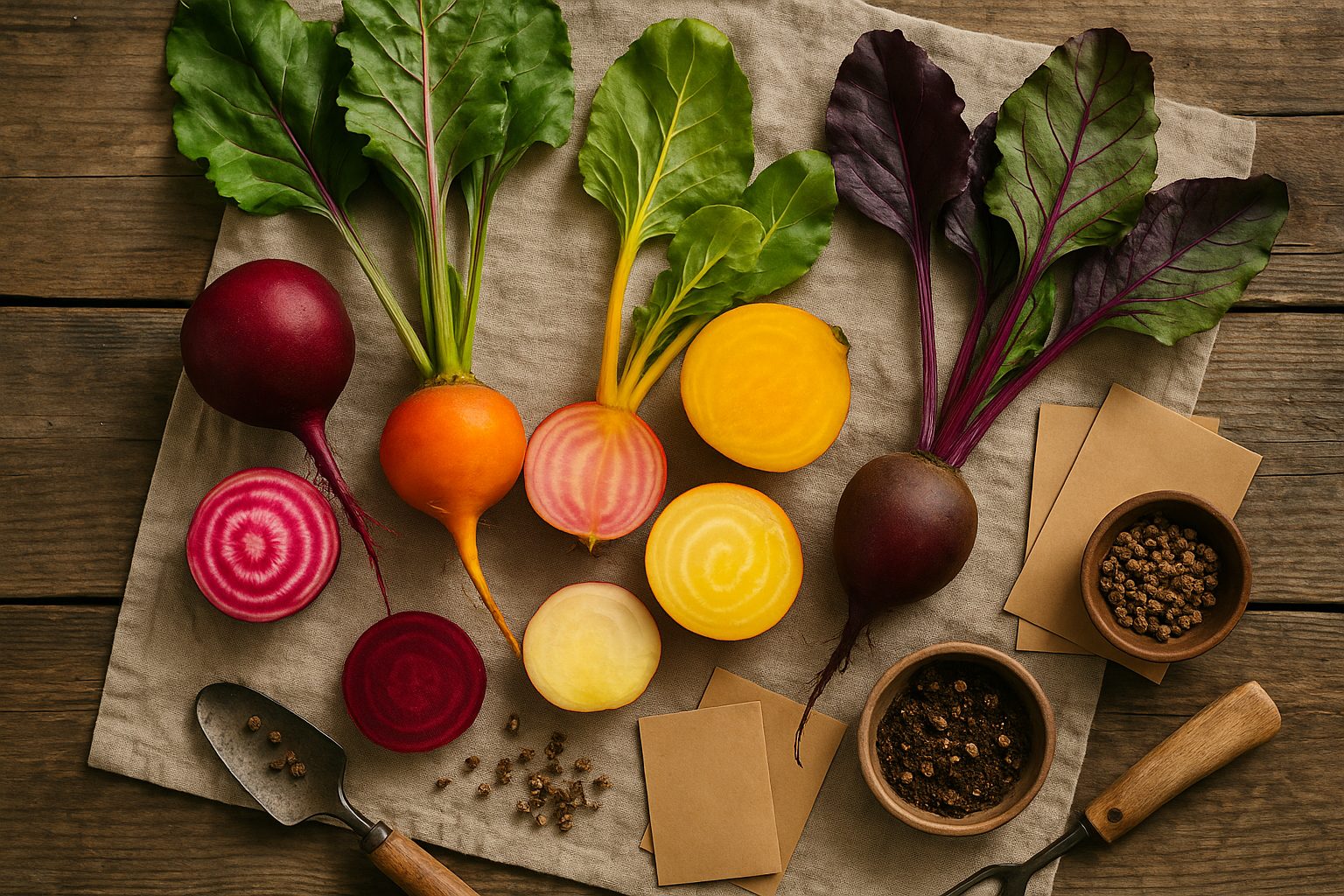
When choosing the best beet varieties for your garden, it’s important to match your selection to your climate, space, and kitchen plans.
Classic red beets like Detroit Dark Red are a reliable choice, prized for their earthy-sweet flavor and adaptability to various soils and weather. Golden beets, such as Golden Detroit, offer a milder, less earthy taste and won’t stain your hands or cutting boards—a big plus for busy cooks.
For a visual twist, try striped Chioggia beets with their mesmerizing pink-and-white rings; they’re great raw in salads and tend to mature quickly. If you love beet greens as much as the roots, varieties like Bull’s Blood produce especially tender, flavorful leaves for sautés and salads.
Urban gardeners and those short on space should look for compact, round-rooted types that do well in containers, like Babybeat or Early Wonder, while those with ample ground can experiment with longer-rooted kinds. Consider your climate as well—beets generally prefer cooler temperatures, but golden and Chioggia types can tolerate slightly warmer conditions.
When selecting seeds, high-quality suppliers often label strains with improved disease resistance—seek out these features if you’re gardening in humid areas where fungal issues are common. Local nurseries, reputable online shops, and seed exchanges are all excellent sources; always check for fresh seed stock for better germination rates.
If your culinary goals lean toward pickling or juicing, go for classic reds; if you want mild flavor for roasting or raw salads, opt for gold or striped varieties. Taking a few minutes to match beet types to your garden and kitchen plans will boost your chances of a vibrant, healthy harvest.
Preparing Your Planting Site
Getting your planting site ready is key to growing healthy beets, whether you’re working with a garden bed or containers. Start by picking a spot that gets at least six hours of direct sunlight daily; beets love light and won’t thrive in too much shade.
Next, check your soil’s texture—it should be loose and crumbly, never too compacted, to help the roots grow straight and plump. Aim for a soil pH between 6.0 and 7.5, which you can easily test with an at-home kit from your local garden center. If drainage is a concern (puddles after rain or watering are a red flag), try mixing in sand or planting in raised beds to keep roots from getting waterlogged.
For garden beds, dig down about a foot to remove stones, dense roots, and debris, since these can cause beets to fork or grow misshapen. In containers, use a lightweight potting mix and check for pebbles or compacted chunks.
Whether in-ground or in pots, blend in organic matter like well-rotted compost or leaf mold—it improves fertility, texture, and moisture retention all in one go. If your soil is clay-heavy, compost helps loosen it up, while sandy soils benefit from its water-holding power.
For tough sites or colder climates, raised beds and polytunnels are worth the investment: raised beds warm up faster in spring and drain better, and polytunnels create a sheltered microclimate so you can plant earlier and protect young seedlings from late frosts.
Taking these steps sets the stage for strong germination and a bumper crop of tender, tasty beets.
Sowing and Planting Beets: The Right Techniques
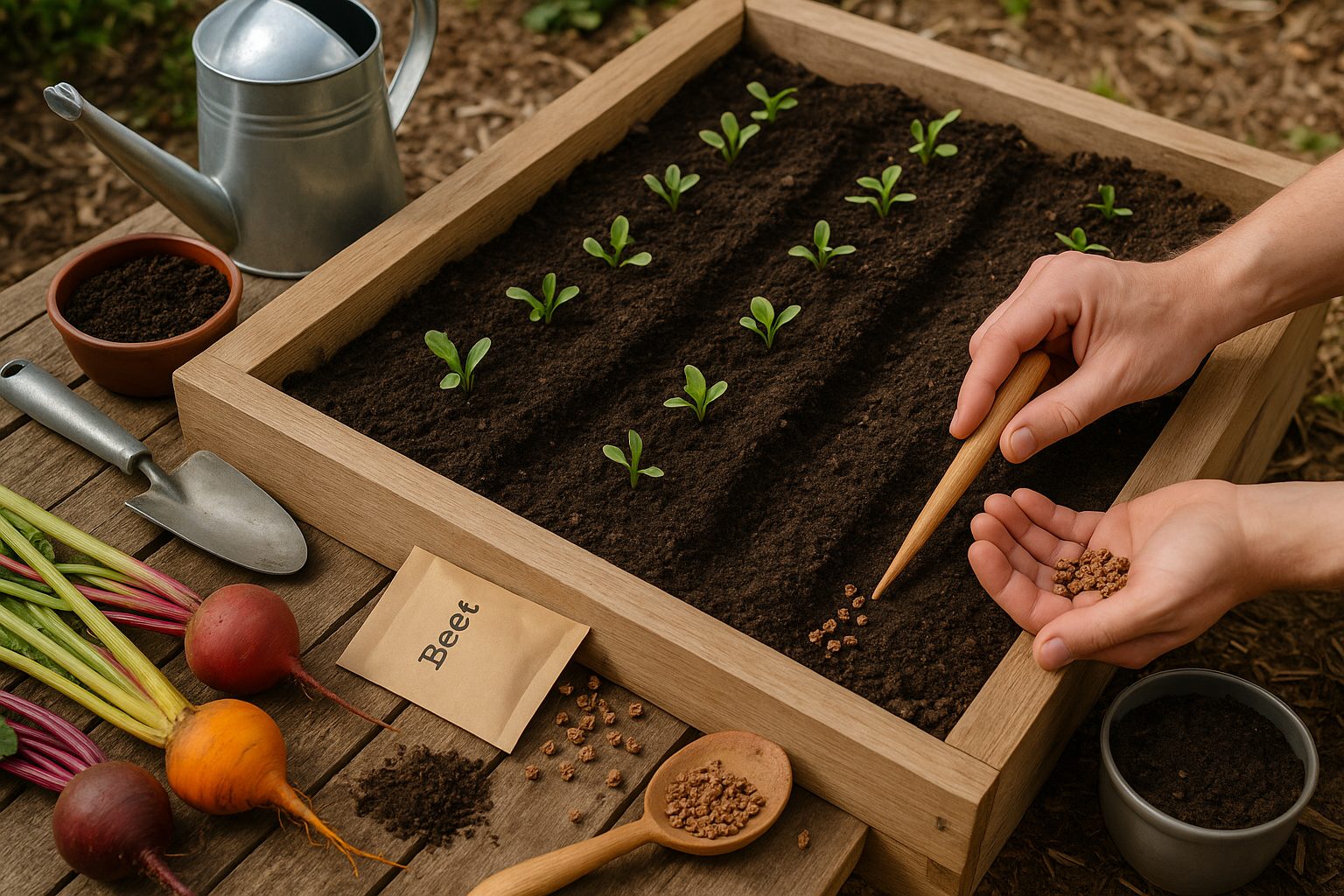
When deciding how to grow beets, you can choose either direct sowing or starting seeds indoors in plug trays. Direct sowing is often preferred because beets dislike root disturbance, making it simple to scatter seeds directly into the garden bed.
This method is perfect for most gardeners, especially if your soil warms early in spring. In cooler climates or if you want a jump start on the season, sowing seeds in plug trays indoors works well—you’ll need to transplant seedlings before they become root-bound, usually when they have two true leaves.
For spring harvests, plant beet seeds outdoors two to four weeks before your last expected frost; in milder regions, you can also sow in late summer for a productive fall crop. Aim to plant each seed about half an inch deep and space them one to two inches apart, as each beet “seed” is actually a cluster that sometimes produces multiple seedlings.
Once sprouts are a few inches tall, thin them out so that individual plants are spaced about three to four inches apart—this gives each beet room to size up without crowding.
In the early stages, keep the soil consistently moist but not soggy; gentle watering helps seeds germinate quickly and prevents seedling stress. Be careful not to wash away soil or expose young roots.
If you started in plug trays, transplant seedlings on a cloudy day, gently popping them out and keeping as much of the root ball intact as possible—try to disturb the roots minimally to avoid transplant shock.
With the right preparation, beets are a satisfying crop that rewards careful planting and spacing with sweet, ruby-red roots.
Caring for Your Beet Crop
Properly caring for your beet crop starts with getting watering just right—beets can be surprisingly sensitive to both drought and waterlogging. Aim to keep the soil consistently moist, not soggy, by providing about one inch of water per week, adjusting for rainfall. It’s best to water early in the morning so leaves have time to dry, which helps prevent disease.
mulching around your beets with straw or chopped leaves can make a world of difference; it keeps soil moisture steady, suppresses weeds that compete for resources, and even regulates soil temperature.
Regular, gentle weeding—preferably by hand or with a hoe—protects the shallow beet roots from disturbance.
Fertilizing your beets is simple if you pay attention to timing and type. Just before planting, mix a balanced fertilizer or compost into the topsoil, then side-dress with a nitrogen-rich fertilizer when seedlings are a few inches tall to encourage leafy growth (but don’t overdo it, or roots may become misshapen).
Managing Pests and Diseases
Be on the lookout for common beet pests like leaf miners and aphids; you can pick off affected leaves, use floating row covers, or try insecticidal soap for severe cases.
For diseases such as powdery mildew or Cercospora leaf spot, good air circulation and crop rotation are your best defenses.
Handling Environmental Stresses
Environmental stresses like heatwaves or cold snaps also need attention: during hot spells, extra mulching and deep watering help keep beets cool, while row covers can protect young plants from unexpected frosts. If you see the leaves wilting in dry weather, increase watering but avoid puddling.
Taking these practical steps adds up to a healthier, more reliable beet harvest, even if Mother Nature isn’t always on your side.
Harvesting and Using Every Part of the Beet
Knowing when to harvest beets can make all the difference in flavor and texture. Check your beets by gently brushing away the soil around the top of the root—ideally, they should be about the size of a golf ball to a tennis ball, around 1.5–3 inches in diameter. If left in the ground too long, beets can become woody and tough, so look for a plump shape and deep color as indicators of maturity.
When it’s time to harvest, use a small garden fork or trowel to loosen the soil a few inches from the beet, taking care not to puncture or bruise the roots. Grasp the base of the stems—not the leaves—and pull gently. After lifting beets from the ground, shake off excess soil and trim the greens, leaving about an inch of stem to prevent bleeding of color and nutrients.
Wash roots with cool water, but avoid scrubbing if you plan to store them, as this can damage the skin. Don’t discard those beet greens—they’re packed with nutrients and can be sautéed with garlic, tossed into soups, or added raw to salads for a peppery twist.
The beet roots themselves can be roasted whole for a sweet, earthy side dish, grated raw into salads, or blended into smoothies for a nutritious boost.
Storage Tips
- For short-term storage, place unwashed beets in a breathable bag in the refrigerator’s vegetable drawer, where they can last two to three weeks.
- For longer preservation, consider pickling the roots or blanching and freezing them.
- Beet greens should be used within a few days but can also be blanched and frozen if you have a large harvest.
By using every part of the beet—from root to leaf—you’ll get the most nutrition and minimize kitchen waste, all while enjoying a versatile ingredient in your meals.
Troubleshooting and Frequently Asked Questions
Growing beets can be incredibly rewarding, but even seasoned gardeners encounter common challenges. If your beets are bolting—sending up flowers too soon—it usually means warm temperatures or long daylight hours arrived too quickly. Try planting earlier in the season or choosing bolt-resistant varieties.
Small roots are another frequent issue, often caused by overcrowding. Be sure to thin seedlings to about 3 inches apart and check that your soil is loose and nutrient-rich. Yellow leaves may signal a lack of nitrogen, poor drainage, or pests. To address this, side-dress with compost and keep the bed well-watered but not soggy.
Leaf miners leave wavy, pale trails across foliage. You can pick off damaged leaves and prevent future infestations with row covers or neem oil sprays. Poor germination typically points to either old seeds or dry soil, so use fresh beet seeds and keep the soil consistently moist until sprouts appear.
Patchy or uneven growth usually results from planting seeds too shallow or too deep, or from inconsistent watering. Double-check planting depth (about ½ inch deep) and maintain a regular watering schedule. Deformed beets often indicate rocky or compacted soil, so loosen your bed well and remove stones before sowing.
For quick answers to common questions:
- To extend your harvest with succession planting, sow a new row of beets every 2–3 weeks from early spring to midsummer.
- For overwintering in milder climates, mulch beets well and harvest as needed.
- If you’re short on space, beets grow happily in containers at least 12 inches deep—just watch for even watering and regular feeding.
For more expert advice, check out online forums like the GrowVeg community, the Old Farmer’s Almanac, or your local cooperative extension office for region-specific tips and troubleshooting help.