Introduction to Swiss Chard
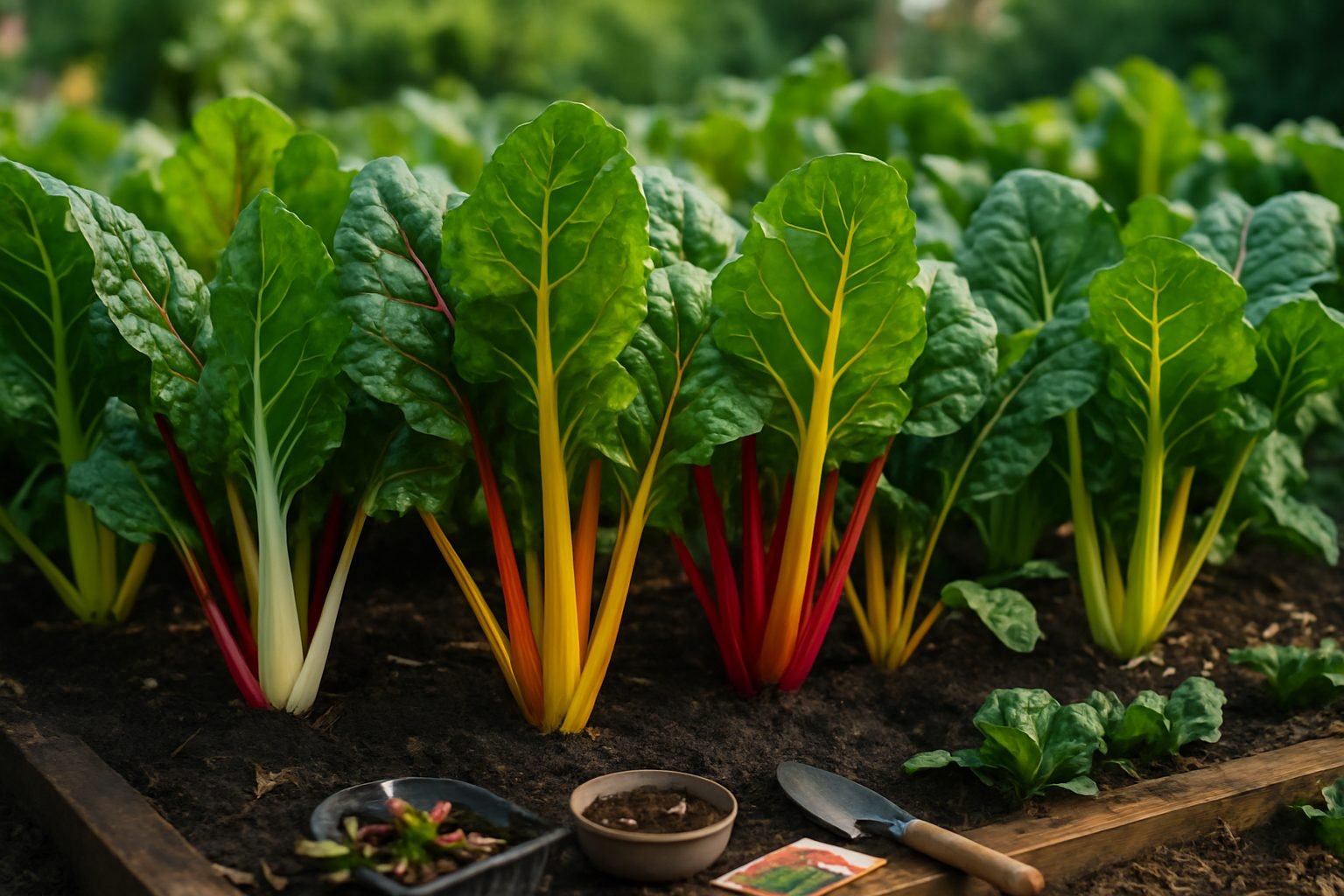
Year-round swiss chard is a powerhouse vegetable that’s become a staple in home gardens around the globe. Swiss chard (Beta vulgaris subsp. vulgaris) features broad, emerald leaves and colorful stems that brighten garden beds while providing impressive nutrition to your table every season.
It’s highly valued among gardeners for its hardiness and adaptability—you can enjoy harvests from early spring through late fall, and with the right techniques, even extend into winter and kick off again in early spring. Swiss chard is packed with vitamins A, K, and C, along with magnesium, potassium, and iron, making it a fantastic choice for boosting your diet’s nutrient profile.
Its tender leaves and crunchy stems can be eaten raw in salads, sautéed as a side dish, or tossed into soups, quiches, and stir-fries, making it incredibly versatile in the kitchen. Gardeners love growing Swiss chard not only for its vibrant color variations—ruby reds, buttery yellows, and pearly whites—but also for its ability to bounce back after harvesting and withstand varying climates.
If you’re aiming to enjoy homegrown greens for as much of the year as possible, learning how to grow year-round Swiss chard will reward you with beauty, resilience, and nutrition straight from your own backyard.
“`html
Choosing the Right Swiss Chard Variety
When picking a Swiss chard variety for your garden or kitchen, it helps to know that all chard types are part of the same species, but they differ in appearance, flavor, and growth habits.
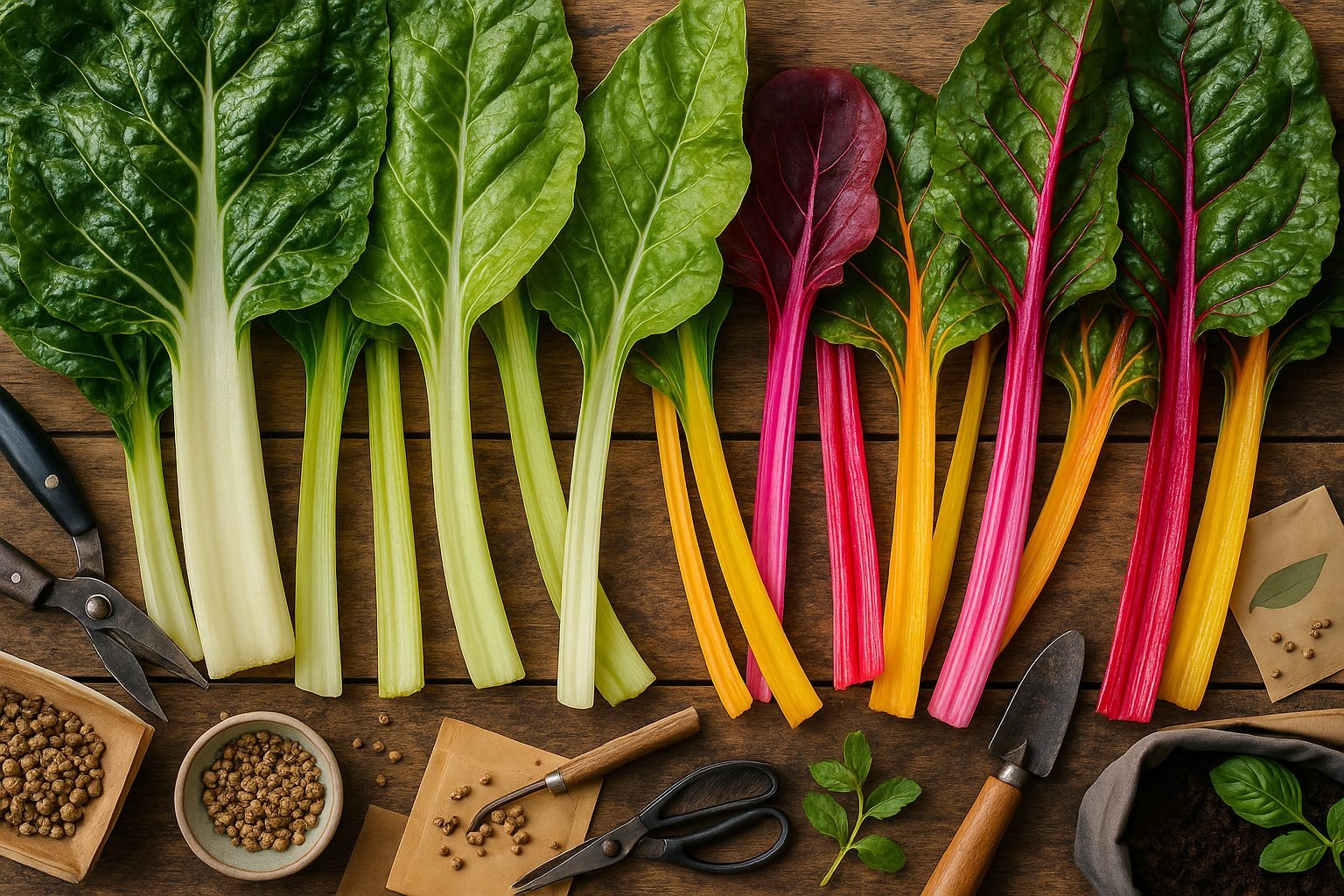
Rainbow chard, often mistaken for a unique type, is actually a mix of colored varieties—its stalks range from vibrant pinks and oranges to yellow and white, adding a playful splash to garden beds and salads.
Fordhook Giant, in contrast, boasts broad, dark-green leaves and thick white ribs; it’s known for its robust growth and mild, almost spinach-like flavor, making it perfect for sautés and hearty stews.
Lucullus, with its pale green stems and crinkled leaves, offers a slightly earthier taste and tender texture, ideal for quick stir-fries or fresh salads.
When deciding which type to plant, consider garden space—Fordhook Giant and Lucullus are prolific and require room, while rainbow chard’s upright, compact growth suits tighter spots or containers.
Climate is also key: most chard varieties tolerate light frosts, but some, like Fordhook Giant, thrive in both cool and warm conditions.
If you cook often, think about your favorite uses—tender-leaved Lucullus works well raw, while the sturdy stems of rainbow chard can hold up to grilling and roasting.
Ultimately, the difference between Swiss chard and rainbow chard is mostly presentation—rainbow chard isn’t genetically distinct; it’s simply Swiss chard with multi-colored stems, offering the same nutritional benefits and versatile taste.
Consider mixing several types for both practical yield and a beautiful harvest basket.
“`
Planting Swiss Chard: Step-by-Step
Planting Swiss chard is simpler than you might think, and it all starts with the right timing and spot. For most regions, the best time to plant is early spring after the last frost, but Swiss chard also handles fall planting if you have a mild climate.
Pick a sunny location with at least 4-6 hours of direct sunlight daily; a little light shade is fine in hotter zones. The soil should be fertile, well-draining, and loose—mix in plenty of compost and check that the pH is between 6.0 and 7.0 for optimal growth.
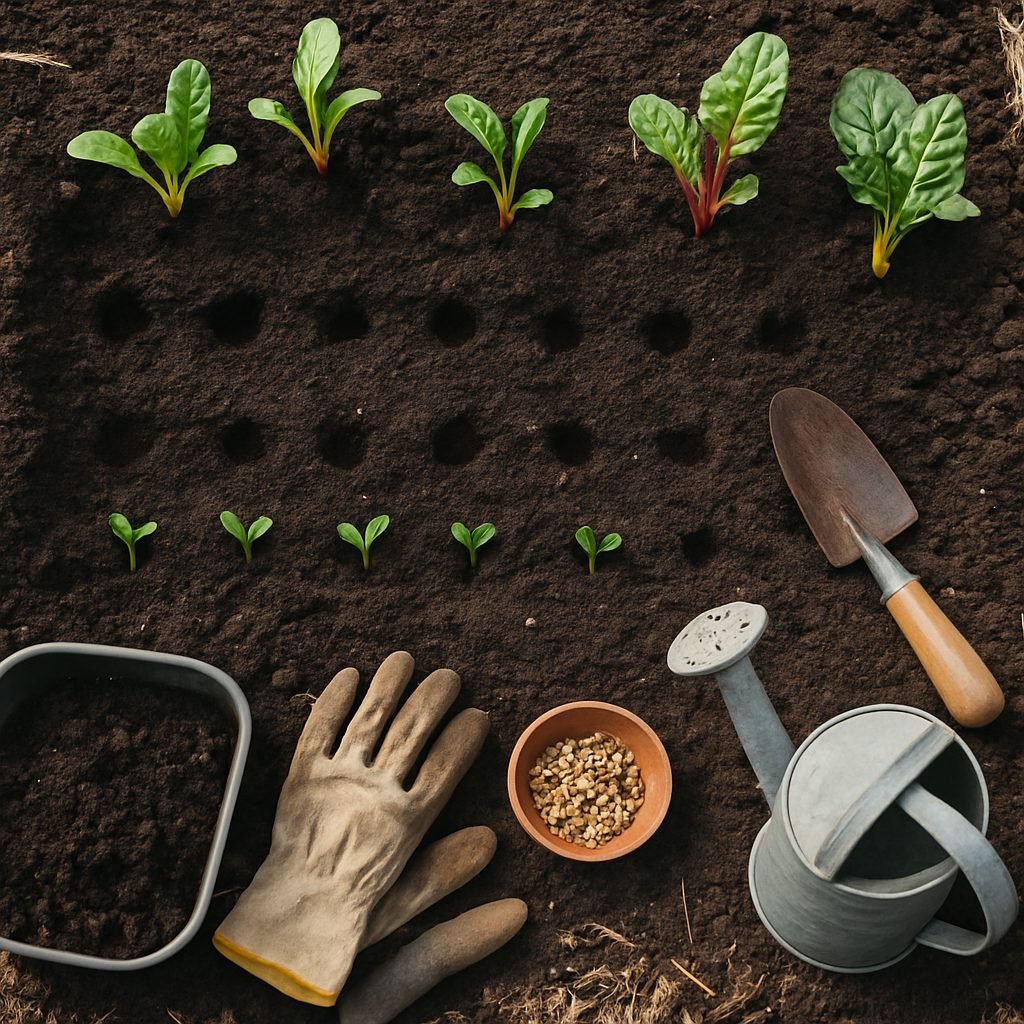
To sow seeds directly, plant them about half an inch deep and space them 2 inches apart in rows set around 12-18 inches apart. If you’re starting with seedlings, gently loosen the soil and dig holes big enough for the roots, keeping the same row spacing. As the plants grow, thin crowded seedlings to 6-10 inches apart so each has room to thrive—use scissors to avoid damaging roots. You can transplant thinned seedlings to bare spots in your garden if desired.
Be careful about overwatering; Swiss chard likes consistently moist soil, but soggy conditions can cause root rot. Another beginner pitfall is neglecting soil quality—fertile, organic-rich soil helps produce lush leaves. Regularly check for compacted or dry areas and amend as needed.
With just a bit of prep and care, you’ll enjoy a beautiful, nutritious Swiss chard harvest in as little as 60 days.
Growing and Caring for Your Swiss Chard
Swiss chard is a hardy and rewarding leafy green, but like any garden plant, it thrives best with the right care. Water your Swiss chard regularly—about one to one-and-a-half inches per week—ensuring the soil stays moist but not waterlogged. Early morning is the best time to water, allowing leaves to dry and preventing fungal diseases. Consistent moisture helps keep leaves tender and sweet, especially during dry spells.
For fertilizing, work in a balanced, slow-release fertilizer or compost into the soil before planting. Then, give your chard a light feeding of compost tea or diluted liquid fertilizer every three to four weeks during the growing season. Mulching with straw or chopped leaves not only keeps weeds at bay but also retains soil moisture and keeps roots cool.
Watch out for common pests like aphids, leaf miners, and slugs. Pick off pests by hand or control aphids with a blast of water or a mild soap spray, and remove leaves with leaf miner trails to stop the spread. Diseases such as downy mildew or leaf spot can appear if plants are crowded or the foliage stays wet, so give your chard room to breathe and water at the base.
As chillier months approach, protect your Swiss chard with a thick layer of mulch or use row covers to guard against frost. Chard is surprisingly cold-tolerant, often surviving light frosts and producing well into fall or even winter in milder climates. If a deep freeze threatens, harvest mature leaves but leave the crowns so the plant can bounce back when conditions improve.
By following these simple steps, you’ll enjoy colorful, healthy Swiss chard in your garden and on your plate for many months.
Harvesting and Prolonging Your Swiss Chard Crop
To enjoy Swiss chard at its best, start harvesting leaves when they reach about 6 to 8 inches long—young and tender for salads, or wait longer for larger leaves if you prefer them sautéed. Fresh stems are edible too, especially when they look crisp and vibrant.
To promote a continuous harvest, use a sharp knife or scissors to cut individual leaves about an inch above the soil, always taking the outer leaves first and leaving the central bud untouched. This method encourages new growth and can keep your plants producing for months.
To extend your harvest even more, try successive planting: sow new chard seeds every two to three weeks during spring and late summer. This ensures a steady supply as older plants mature and slow down.
Watch for common pests like leaf miners and aphids—regularly check leaves, remove damaged portions, and use row covers or natural insecticidal soap to minimize infestations.
If you’re short on garden space, Swiss chard thrives in containers or hydroponic systems. These setups can fit on balconies, patios, or even sunny windowsills, letting you grow fresh greens all season long.
Don’t overlook chard’s vibrant stems—‘Bright Lights’ and other colorful varieties double as striking ornamentals, making them a beautiful, edible addition to flower beds or urban gardens.
With smart harvesting and a bit of planning, your chard can provide a bountiful and lasting crop.
Storing, Cooking, and Enjoying Swiss Chard
To keep Swiss chard fresh short-term, store unwashed leaves in a breathable produce bag or wrap them loosely in a damp paper towel inside your refrigerator’s crisper drawer—this usually keeps them crisp for up to five days. For long-term storage, blanch cleaned leaves in boiling water for two minutes, then plunge them into ice water, drain, and freeze in airtight bags for soups or sautés later.
Cleaning is easy: swish leaves and stems in cold water to remove grit, then trim the stem ends. For raw salads or wraps, slice chard into thin ribbons and pair with lemon, olive oil, and nuts to mellow the flavor.
Steaming brings out a tender texture; steam chopped chard for just a few minutes until bright green, then season and enjoy as a side. Sautéing is quick and tasty—heat olive oil and garlic in a pan, add chopped leaves and stems, and cook until wilted; finish with a squeeze of lemon for a Mediterranean flair.
Chard also works well baked into frittatas, quiche, or gratins for a hearty meal. Its mild bitterness balances rich ingredients like cheese or pairs beautifully with chickpeas and sweet potatoes. Easy recipes include tossing sautéed chard into pasta or layering it in lasagna instead of spinach.
Beyond its versatility, Swiss chard is a nutritional powerhouse—packed with vitamins K, A, and C, plus magnesium and iron—so enjoying it regularly supports immune health, bone strength, and energy. Whether you eat it fresh, cooked, or as part of a favorite dish, Swiss chard is both easy to use and evidently good for you.