Introduction
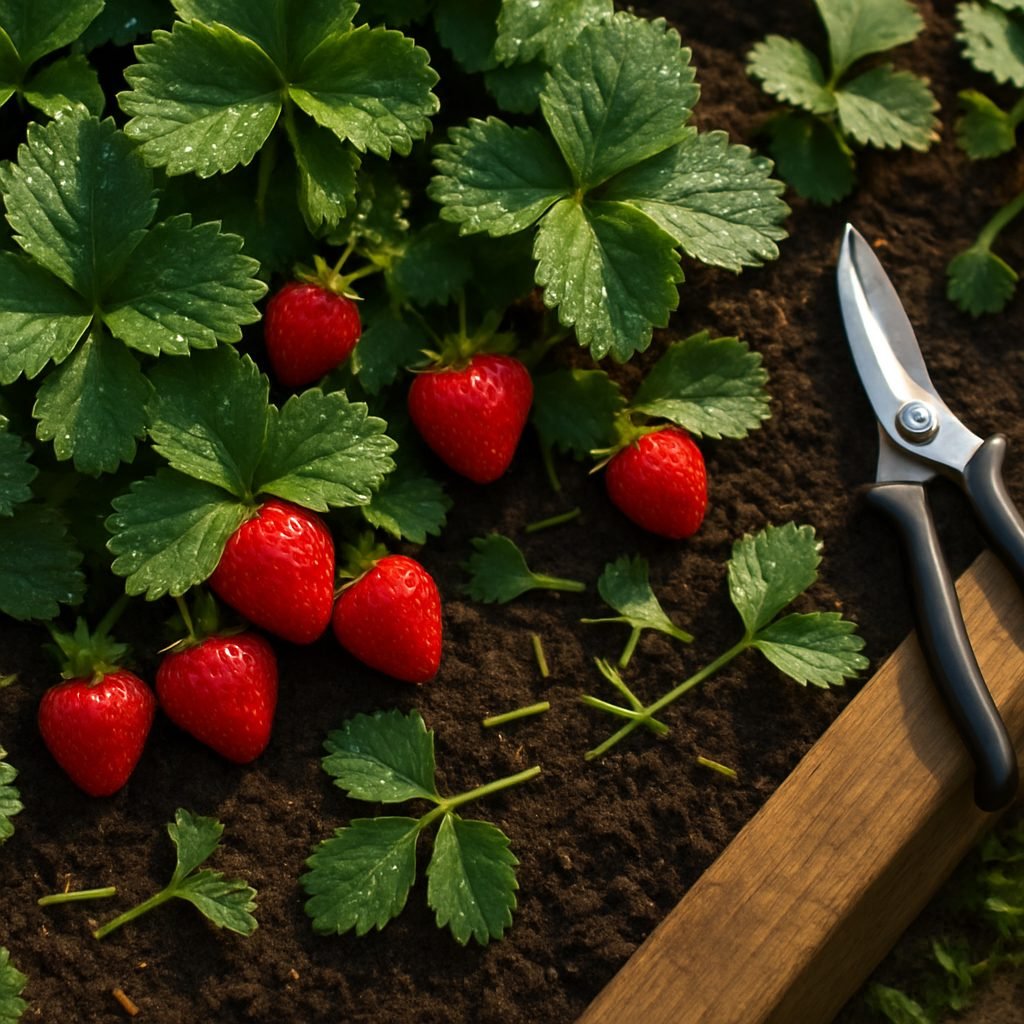
Pruning strawberries is a crucial step in keeping your berry patch healthy and productive, yet it’s often overlooked by home gardeners. Regular pruning not only keeps your plants looking their best but also directly increases their yield and helps prevent diseases that can wipe out a whole season’s harvest. By removing old leaves and runners at just the right times, you’ll encourage stronger plants, bigger berries, and more fruit throughout the season.
For UK gardeners, timing is everything; our climate means that careful attention to when and how you prune strawberries can make all the difference. In this post, we’ll dig into pruning strawberries specifically for UK conditions, with practical advice on the best times to trim, which parts of the plant to remove, and expert-backed tips to get the tastiest, healthiest strawberries your garden has ever produced.
Whether your patch is humble or sprawling, a little strategic maintenance can guarantee a summer full of plump, delicious berries—and fewer problems with pests and disease along the way. Let’s unlock the secrets to better strawberry yields with easy, actionable pruning steps tailored for the UK’s unique growing season.
Why Pruning Strawberry Plants Matters
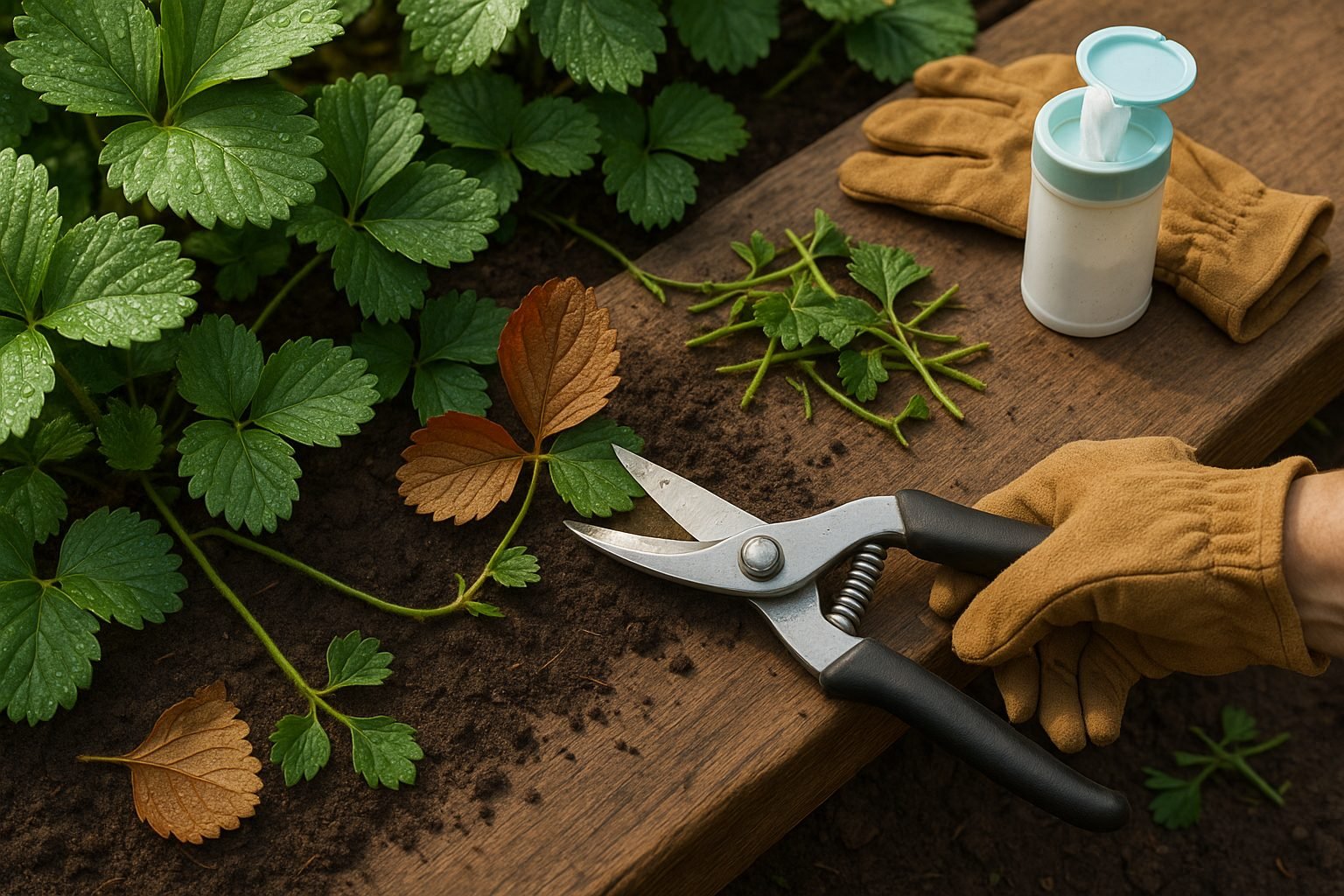
Pruning strawberry plants might seem like an extra chore, but it’s one of the simplest ways to ensure healthy growth and a bigger harvest. By trimming away old or crowded leaves and runners, you give your strawberry plants much-needed breathing room, improving airflow and sunlight exposure. This not only helps prevent common fungal diseases, like powdery mildew and gray mold, but also directs the plant’s energy into producing larger, sweeter berries instead of unnecessary leaves.
Whether you’re growing summer-fruiting or everbearing varieties, regular pruning can make a noticeable difference:
- Summer-fruiting strawberries benefit from pruning right after harvest to clear out worn foliage.
- Everbearers should be pruned lightly throughout the growing season for continuous, quality fruit.
Neglecting to prune can quickly lead to overcrowding, where plants compete for resources and airflow gets trapped, creating a breeding ground for pests and disease. When crowns and runners pile up, fruit size shrinks and finding ripe berries becomes a tangle—making harvesting frustrating and less productive.
Still, many gardeners skip pruning because they fear harming their plants or simply don’t know where to start. Others may not realize that untended strawberry beds can become a magnet for slugs, spider mites, or fungal blight, putting an entire patch at risk.
The good news is, pruning strawberries is straightforward: use clean shears to snip away dead or damaged leaves, cut back excess runners to focus growth, and make it a habit after harvest or during slow periods in the season. Taking a little time for this routine can keep your strawberry bed healthier, yielding plumper, tastier fruit year after year.
When and How Often to Prune Strawberries in the UK
Pruning strawberries at the right times is key to keeping your plants healthy and boosting your harvest, especially in the UK’s ever-changing climate. For most gardeners, the ideal time to prune June-bearing strawberries is right after the main harvest, usually in July or early August. This helps the plants recover and focus their energy on next year’s fruit.
Everbearing strawberries need pruning after each fruiting flush—typically in early summer and again in early autumn. Just be careful not to cut back too harshly when the plants are actively growing. Alpine strawberries are a bit easier; they benefit from a gentle tidy-up in late autumn where you remove any dead or scraggly leaves.
As a general rule, always use clean, sharp scissors to snip away old or diseased foliage. Avoid cutting the healthy crown or all green leaves, as these are essential for the plant’s regrowth and winter survival. Keep an eye out for yellowing or crispy leaves and overcrowded runners—these signs mean your plants are ready for a trim.
Avoid pruning just before an expected frost or during very wet periods, as this can make the plants vulnerable to rot or cold damage. By following this schedule and paying attention to your plants’ needs, you’ll keep your strawberries productive and strong year after year.
Step-by-Step Guide to Pruning Strawberry Plants
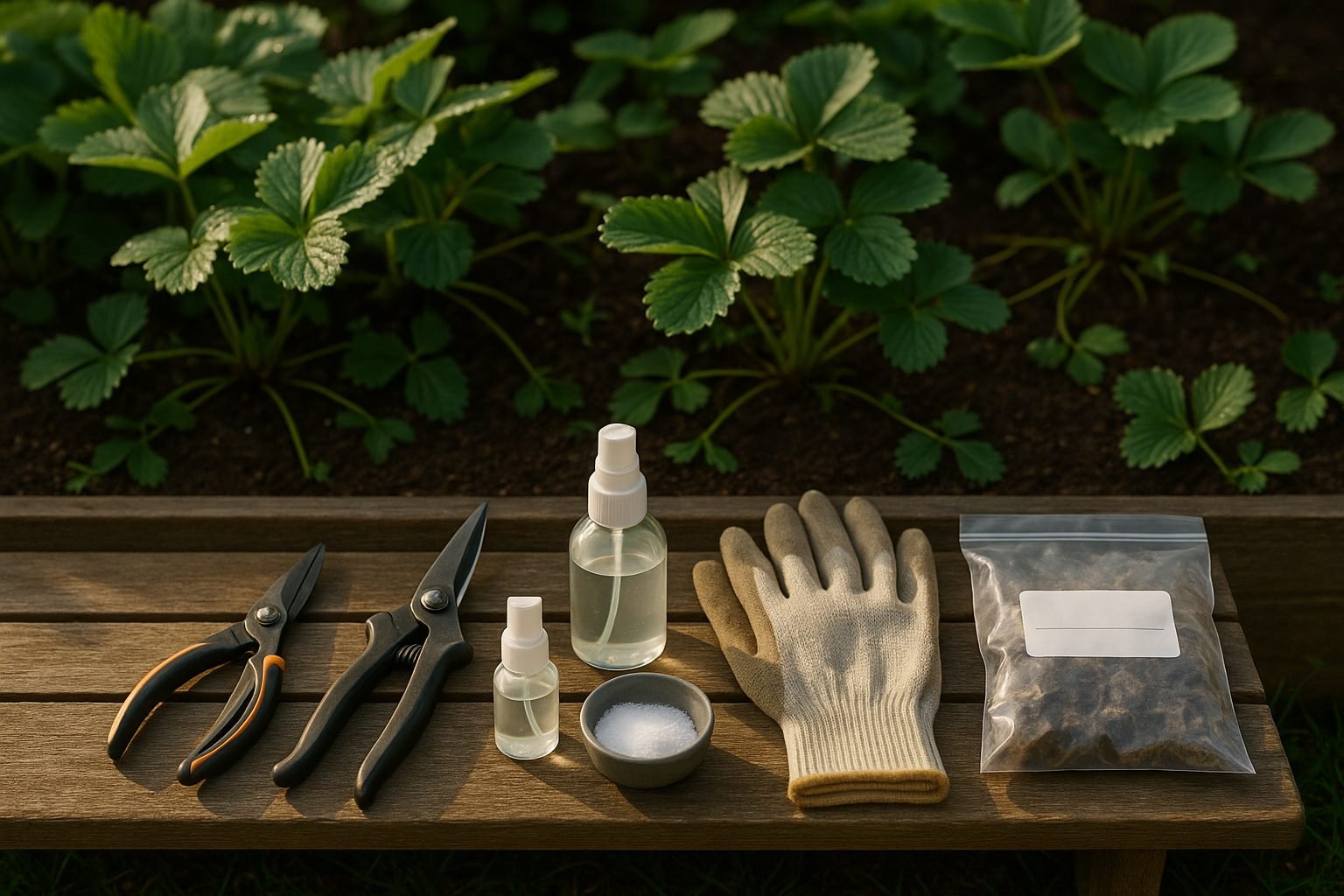
Pruning strawberry plants doesn’t have to be intimidating if you follow a simple, step-by-step approach. Start by gathering your tools: you’ll need a sharp pair of garden shears, gardening gloves to protect your hands, and disinfectant—like rubbing alcohol—to clean your shears before and after cutting. This helps prevent spreading disease from plant to plant.
First, carefully inspect each plant and identify any brown, shriveled, or yellowing leaves. Use your shears to snip these away at the base, being careful not to cut healthy green foliage.
Next, look for runners—those long stems that shoot out and try to form new plants. While runners can be helpful for propagation, they sap energy from fruit production, so trim them back if you want to focus the plant’s energy on fruiting.
Always remove dead or diseased parts and dispose of them in a sealed bag or away from your garden—never compost them, as this can spread pathogens. Wipe your tools with disinfectant between each plant, especially if you notice any signs of disease, to keep problems from spreading.
When pruning, avoid cutting the crown—the thick central part of the plant—as crown damage can seriously impact the plant’s growth and fruit yield. Another common mistake is over-pruning in late fall or early spring; excessive removal of leaves can reduce the plant’s ability to photosynthesize and store energy.
By sticking to these simple steps and remembering to sanitize your tools and dispose of waste properly, you’ll keep your strawberry patch healthy and productive all season long.
Additional Care Tips for Healthier Strawberry Plants
Watering your strawberry plants correctly is key to growing juicy, sweet berries. Aim to water deeply about one to two inches per week, either from rainfall or supplemental watering. Early mornings are best—watering at the base of the plant helps avoid fungal diseases on the leaves. Keep the soil consistently moist but not soggy; strawberries have shallow roots and dry out quickly in hot weather, so check the soil every few days. A simple tip: if the top inch of soil feels dry to the touch, it’s time to water. Avoid overhead sprinklers, especially in the evening, to reduce splash that can spread diseases.
Fertilization is another important step, especially after pruning or harvesting. Wait until fresh new growth appears, then use a balanced 10-10-10 granular fertilizer or a slow-release organic option for sustained nourishment. Work the fertilizer into the soil around the plants—never directly onto the crowns—to avoid burning. A lighter hand is better; too much nitrogen can lead to leafy plants with fewer berries. Repeat feeding once more during the growing season for everbearing varieties, but limit to early summer for June-bearing types. Always water thoroughly after fertilizing to help plants absorb the nutrients.
Mulching is one of the simplest and most effective ways to keep your strawberries happy. A two- to three-inch layer of straw, pine needles, or shredded leaves will lock in moisture, which is especially crucial during dry spells. Mulch also blocks out sunlight, keeping weeds from stealing nutrients and space. As a bonus, mulch keeps berries clean by preventing soil splash and regulates soil temperature so the roots stay cool during hot days. If you live in a cooler climate, mulch offers winter protection too—just pull it back slightly in early spring to let plants breathe and sprout.
Don’t forget ongoing maintenance to encourage strong, productive plants. Thinning out extra runners every few weeks helps channel energy into growing larger berries instead of more plants. Remove dead or damaged leaves whenever you spot them, and check frequently for signs of pests like aphids, slugs, or spider mites—early intervention is much easier than dealing with a full-blown infestation. Inspect your plants regularly for signs of disease, such as powdery mildew or leaf spots, and treat promptly with organic sprays or by removing affected foliage. Healthy, well-cared-for strawberries will reward you with delicious harvests year after year.
Troubleshooting & Common Problems with Strawberries
After pruning, keep a close eye on your strawberries for signs of trouble such as wilting, yellowing leaves, or stunted new growth—these are the first clues that something’s amiss. Yellow leaves often indicate overwatering, poor drainage, or a lack of nutrients, so check that your soil isn’t waterlogged and feed plants with a balanced, organic fertilizer rich in potassium.
If plants appear stunted or stop producing new runners, compacted soil or overcrowding could be the issue; gently loosen the soil around roots or thin out congested beds to give your strawberries some breathing space. Sometimes, reduced vigor is simply a sign of age—if your strawberry plants are three years old or more and yields are dwindling despite good care, it’s wise to replant with young, disease-free stock or divide and relocate the healthiest offshoots to fresh soil, giving them a new start every three to four years for the best harvests.
Managing Pests in Your Strawberry Bed
Pests are another common headache in UK strawberry beds, with slugs, vine weevils, and aphids topping the list of nuisances. Look for telltale signs like notched leaves (a vine weevil giveaway), shiny slime trails (slugs), or sticky residue and curled growth (aphids).
Organic Pest Control Tips
- Spread crushed eggshells or sand around the base of plants to deter slugs.
- Go on a dusk patrol with a torch to hand-pick any slugs you find.
- Introduce natural predators such as ladybirds and lacewings to keep aphid populations in check.
- Use a gentle spray of diluted soap solution on affected leaves to control aphids.
- Consider nematode treatments if vine weevils are persistent—these microscopic worms target pests without harming beneficial insects.
With careful observation and prompt action, you can keep your strawberry patch thriving and productive season after season.
Frequently Asked Questions on Pruning Strawberries
Pruning strawberries doesn’t have to be complicated, but it does spark lots of questions. One common query is whether to remove old leaves in spring. Yes, it’s helpful to trim away last season’s brown or damaged foliage to encourage new growth and reduce disease risk, but be careful not to cut into the crown where new leaves are forming.
Gardeners often wonder how much to trim, especially after fruiting:
- For June-bearing varieties, it’s effective to shear the foliage a couple of inches above the crowns right after the last harvest.
- For everbearing or day-neutral types, just snip off dead or diseased leaves as you see them, since aggressive trimming can lower yields.
Some worry that pruning might hurt their plants, but when done right, it keeps beds tidy and productive by improving airflow and reducing the chances for pests. A common myth is that more pruning means more berries, but the truth is that balanced, selective pruning is key—remove only what’s spent or unhealthy.
If runners are an issue and you want bigger berries rather than more plants, pinch or cut runners early. This focuses the plant’s energy on fruit production rather than spreading.
Lastly, a quick tip for new gardeners: always use clean, sharp scissors or pruners to avoid spreading disease. Compost healthy trimmings, but discard anything that looks infected.
By following these focused steps, your strawberry patch will stay lush, healthy, and productive season after season.
Conclusion
Pruning might seem intimidating at first, but breaking the process down into a few key steps makes it manageable for beginners. Start by removing any dead, damaged, or diseased branches to keep your plants healthy and prevent the spread of issues.
Next, thin out crowded areas to increase air circulation and light penetration, which can lead to stronger growth and more abundant blooms or fruit.
Shape your plants gradually by making small cuts, always using clean and sharp tools to avoid causing stress or injury. Don’t forget to step back frequently and assess your progress; sometimes less is more, and it’s better to prune a little at a time rather than remove too much in one session.
The benefits of regular pruning go beyond making your garden look neat—healthy, well-pruned plants are more productive, live longer, and are less susceptible to pests and diseases.
If you’re just starting out, remember that all gardeners make mistakes, and most plants are surprisingly resilient. With each pruning session, you’ll gain confidence and learn what works best for your garden.
For ongoing learning, check out reputable gardening websites, local extension services, or downloadable pruning guides tailored to your specific plant species. Many organizations provide free PDFs or video tutorials that walk you through seasonal care and plant-specific tips, so you’ll always have expert guidance at your fingertips.
Remember, with a little practice and the right resources, you’ll soon master the art of pruning and enjoy the rewards of healthier, thriving plants all season long.