Introduction
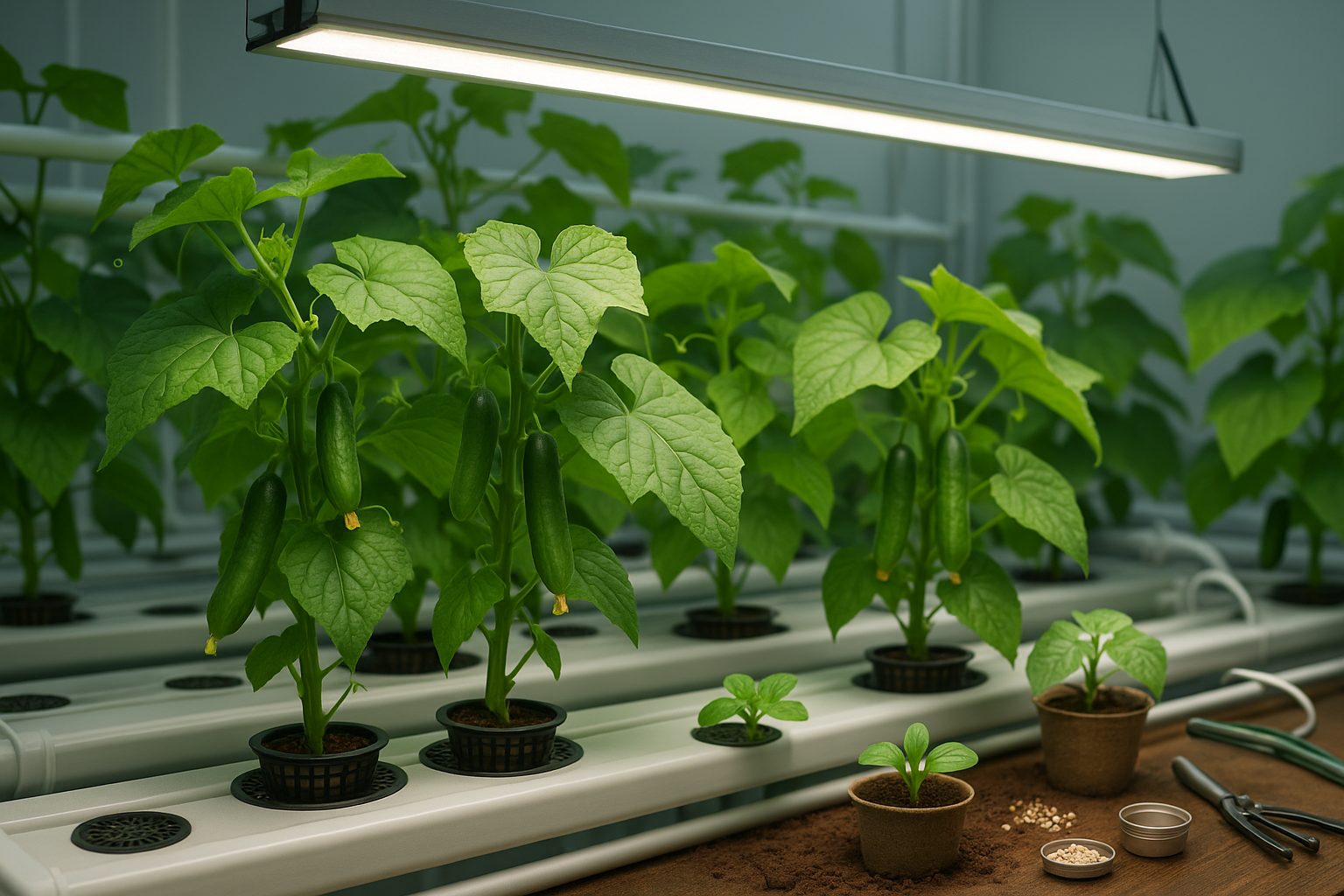
Hydroponic cucumbers are gaining popularity among modern gardeners—and for good reason. Hydroponics, a method of growing plants without soil, offers a streamlined and highly efficient way to cultivate cucumbers both at home and in commercial setups. By providing plants directly with the nutrients they need in a controlled environment, hydroponics can boost cucumber growth rates, increase yields, and often greatly reduce common pest and disease issues that plague traditional garden beds.
Imagine harvesting crisp, fresh cucumbers from your kitchen or balcony almost any time of year, without worrying about weeding or soil quality. In this guide, we’ll walk you through the essentials of growing cucumbers hydroponically, including the equipment you’ll need, how to set up your system, tips for choosing the right cucumber varieties, and practical troubleshooting advice.
Whether you’re an urban gardener seeking a soil-free solution or simply curious about hydroponics, you’ll find everything you need to get started and maximize your harvest. Dive in to learn how you can enjoy homegrown, delicious cucumbers with less hassle and more success!
Choosing the Right Cucumber Varieties for Hydroponics
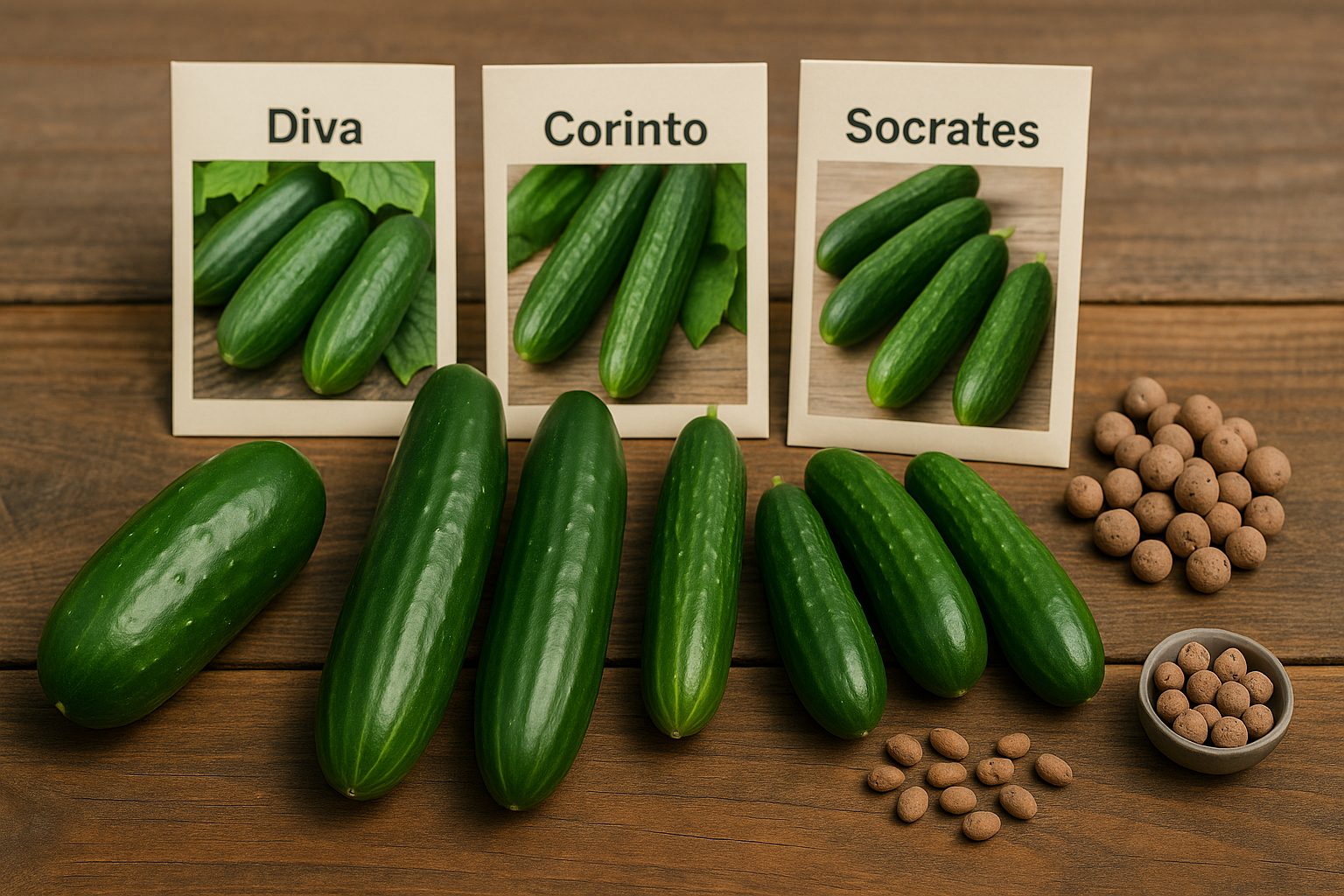
When growing cucumbers hydroponically, your best bet is to focus on parthenocarpic and greenhouse varieties, as these plants don’t require pollination and produce reliably high yields in controlled environments. Popular choices among hydroponic growers include ‘Diva’, ‘Corinto’, and ‘Socrates’.
‘Diva’ cucumbers are small, crisp, and known for their disease resistance, which is perfect for minimizing issues in indoor gardens. ‘Corinto’ is a European variety celebrated for its high productivity and resistance to powdery mildew—an important trait since hydroponic setups can be humid. ‘Socrates’ is another parthenocarpic variety, producing delicious, tender-skinned cucumbers that thrive in the steady temperatures of grow rooms.
Avoid traditional field varieties like ‘Marketmore’ or ‘Straight Eight’—these are bred for outdoor pollination and fruit best with bee activity, which is hard to replicate indoors. Field types can also become bitter or deformed without proper pollination, leading to a disappointing harvest. Instead, look for seeds labeled “greenhouse,” “parthenocarpic,” or “seedless” when browsing catalogs.
Sticking with these varieties not only saves you from the hassle of hand-pollination but also ensures uniform, high-quality cucumbers throughout the season. If you’re tight on space, try compact bush types like ‘Piccolino’ or ‘Picolino’, which climb easily and fit well in smaller hydroponic systems.
Remember, investing in the right variety pays off in both plant health and fruit quality, so check with seed suppliers for options suited to your hydroponic setup and climate. It’s also smart to consider disease resistance, as hydroponic systems can quickly spread pathogens—making robust greenhouse varieties a worthwhile investment.
Essential Supplies and Setting Up Your Hydroponic System
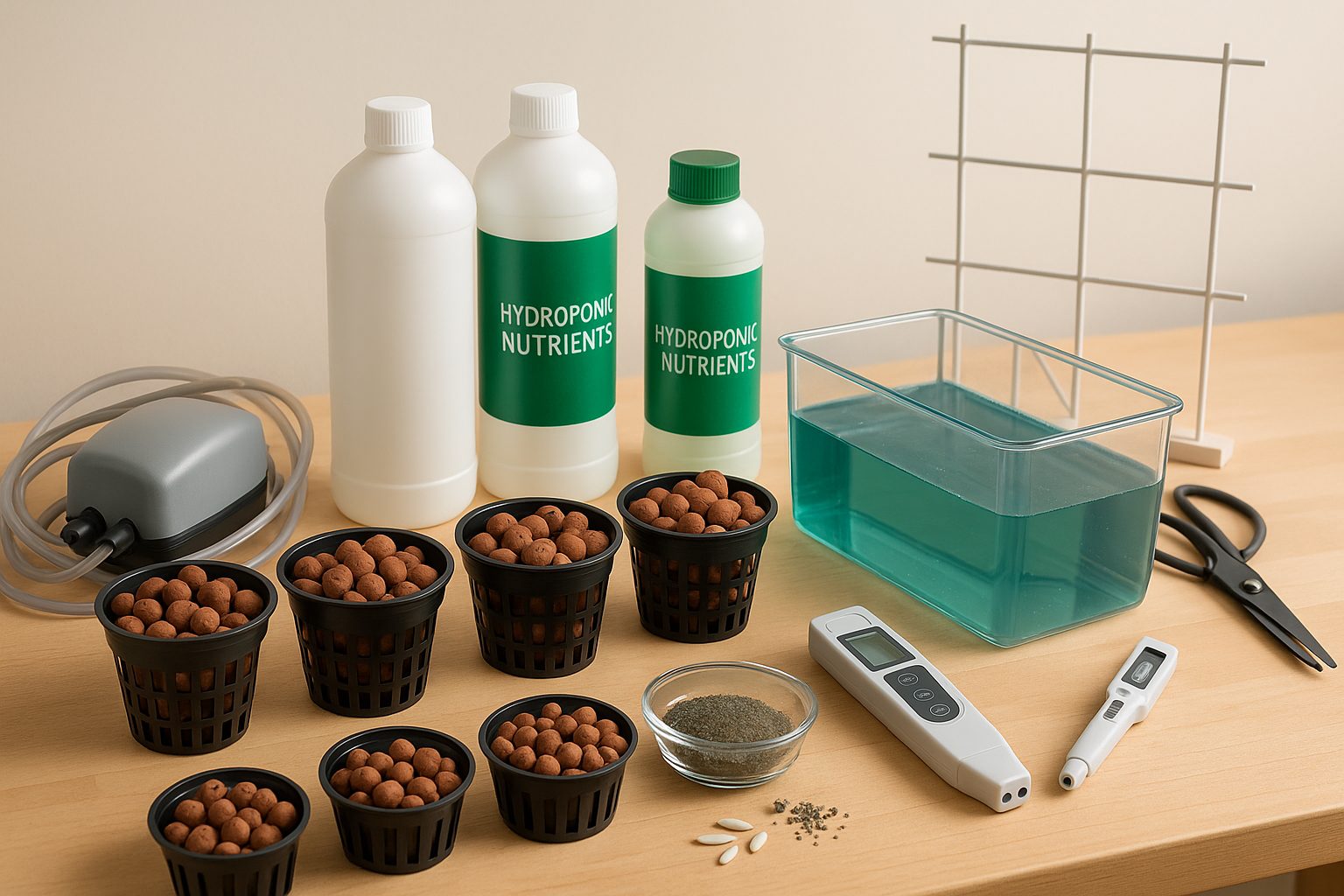
When growing cucumbers hydroponically, choosing the right system can make all the difference. Some of the most beginner-friendly and effective methods include Nutrient Film Technique (NFT), Deep Water Culture (DWC), and drip systems.
NFT uses a shallow stream of nutrient solution flowing over the roots, making it great for smaller spaces and easy access to roots. DWC involves suspending plant roots in a nutrient-rich, oxygenated solution—ideal for those new to hydroponics due to its straightforward setup. Drip systems deliver nutrients directly to the plant’s base, giving you more control over the moisture and feeding schedule, which is invaluable for thirsty, fast-growing cucumber vines.
No matter which system you choose, you’ll need a few essential supplies:
- Sturdy net pots to hold your cucumber seedlings.
- A growing medium like hydroton clay pebbles or rockwool cubes to support the roots and retain moisture.
- High-quality hydroponic nutrients designed for fruiting vegetables, since cucumbers are heavy feeders.
- A reservoir for your nutrient solution.
- An air pump to keep roots oxygenated (especially important in DWC setups).
- A reliable pH/EC meter to monitor your water quality.
Since cucumber vines can become quite large, install trellises or plant supports as they grow upward—vertical support not only saves space but also improves air circulation and fruit quality.
For a smooth setup, assemble your system in a clean, accessible area with plenty of light—either natural sunlight or full-spectrum grow lights. Start small with a few plants, double-check that all hoses and pumps are secure, and let your system run with only water for a day to catch leaks or issues early.
With careful setup and the right tools, your hydroponic cucumber garden will get off to a thriving start.
Starting Cucumber Seeds for Hydroponics
Starting cucumber seeds for hydroponics is a straightforward process, but attention to detail can make all the difference for healthy plants. Begin by choosing disease-resistant cucumber varieties, as hydroponic setups can sometimes promote faster spread of disease in cramped conditions.
Use a sterile, soilless starting medium like rockwool cubes or coco coir plugs—these hold moisture well while keeping air pockets for the seeds to breathe. Moisten the cubes before placing one or two cucumber seeds about half an inch deep in each.
Ideal germination temperatures range between 75–85°F (24–29°C), so keep your seed tray in a warm, draft-free spot and use a seedling heat mat if your room is cool. Maintain steady moisture but avoid soaking the medium, as cucumber seeds can rot if kept too wet.
To enhance humidity, loosely cover the tray with a plastic dome or clear bag until sprouts emerge (usually within 3–7 days). Once you see strong seedlings with two true leaves, it’s time to prep for hydroponic transplant.
Gently rinse any excess starting medium from the roots, handling them carefully to avoid breakage. Transplant seedlings into your hydroponic system, ensuring the roots are just immersed in nutrient solution and the leaves stay dry.
One big mistake is starting seeds in garden soil, which can introduce pests or pathogens. Also, avoid letting seedlings grow too leggy before transplant—move them as soon as they’re sturdy enough.
Finally, provide 14–16 hours of gentle light daily using an LED grow light if natural sunlight isn’t reliable, to prevent seedlings from stretching or becoming weak.
With these steps, your cucumbers will get a healthy start in their hydroponic home.
Feeding, Lighting, and Environmental Needs
Growing hydroponic cucumbers successfully starts with meeting their core nutritional needs. These plants are heavy feeders, so look for a balanced hydroponic nutrient solution that highlights nitrogen, phosphorus, and potassium (often labeled N-P-K), along with essential micronutrients like calcium and magnesium. A simple cucumber nutrient recipe involves mixing water with a commercial hydroponic “veg & fruit” blend, aiming for an EC (electrical conductivity) of 2.0-2.7 and a pH between 5.5 and 6.0.
Some growers add a pinch (about 2-3 g per liter) of calcium nitrate and potassium nitrate for strong fruiting and disease resistance. Monitor and adjust your nutrient solution weekly, replacing it entirely every two weeks for the best results.
Lighting
Proper lighting is also crucial for robust cucumber growth. LED grow lights are a top choice due to their energy efficiency and low heat output; look for full-spectrum fixtures. For cucumbers, provide 14-16 hours of light daily, with an intensity of about 200-400 PPFD (photosynthetic photon flux density). Lights should be suspended 12-24 inches above the plant canopy to prevent leaf burn while ensuring adequate light penetration.
Environmental Conditions
The right environment matters just as much—cucumbers thrive in temperatures of 22-26°C (72-78°F) during the day and slightly cooler nights around 18°C (64°F). Keep humidity levels between 60-70% to prevent issues like powdery mildew but avoid excessive moisture that encourages mold.
Good ventilation is essential; use oscillating fans or an exhaust system to circulate air and reduce disease risk. Regularly check for condensation on surfaces, as trapped moisture signals poor airflow.
By dialing in nutrients, lighting, and environmental conditions, you’ll set your hydroponic cucumbers up for healthy growth and high yields.
Training, Pollination, and Supporting Your Plants
Training your vining plants is essential in indoor gardening to maximize space and promote healthier growth. Simple trellises made from bamboo stakes, wire mesh, or nylon netting work well to provide cucumber, tomato, or squash vines with sturdy support. This keeps fruit off the ground and reduces the risk of disease.
Tie stems gently with soft twine as they grow, guiding them upward instead of letting them sprawl. For larger fruits like melons, create slings using old t-shirts or pantyhose tied to the trellis, so the maturing fruit is cradled and supported.
Since natural pollinators like bees usually aren’t present indoors, you’ll often need to hand pollinate. Use a soft paintbrush or cotton swab to transfer pollen from the male flower’s stamen to the female flower’s stigma—look for tiny fruit forming behind the female flower as a clue. Alternatively, choose parthenocarpic plant varieties, which are specially bred to set fruit without pollination. These are perfect if you want less hands-on work.
Regular pruning is equally important: remove yellowing leaves and extra shoots to increase airflow, keep plants disease-free, and direct the plant’s energy toward fruit instead of excess foliage. Pinch off suckers on tomato vines and thin crowded growth on cucumbers or beans so sunlight reaches all leaves.
Take a few minutes every other day to tidy vines, secure new shoots, and check fruit supports. These proactive routines not only boost your yield but also create a healthier, more manageable indoor garden.
Harvesting Hydroponic Cucumbers and Troubleshooting Issues
Knowing when to harvest hydroponic cucumbers is key to getting the best flavor and texture. Look for cues like glossy skin, bright coloring, and a firm feel—most varieties are ready to pick when they reach 6-8 inches long, before the fruit turns yellow or develops hard seeds.
Use sharp scissors or garden shears to cut the stem cleanly, being careful not to damage nearby vines. Regular harvesting encourages more fruit production and prevents overripe cucumbers from sapping the plant’s energy.
However, even well-tended systems can develop issues.
Common Issues and Solutions
- Yellowing leaves: This could signal a nutrient imbalance—often nitrogen or magnesium deficiency. Check your nutrient solution and pH levels, aiming for a pH between 5.8 and 6.0.
- Poor fruit set: Sometimes caused by inconsistent pollination (if growing pollination-dependent varieties), insufficient lighting, or temperatures outside the ideal 70-80°F range. Adjust environmental controls and consider hand-pollinating for better results.
- Pests: Aphids or spider mites may sneak in even in controlled environments. Examine leaf undersides regularly and treat early with insecticidal soap or neem oil.
Maintenance Tips for Healthy Plants
- Set aside time each week to inspect roots for a healthy white color.
- Clean reservoir tanks regularly.
- Check for blockages or algae in tubing.
These small checks, done consistently, help catch minor issues before they become major crop problems, ensuring you enjoy a steady, tasty harvest from your hydroponic cucumbers.
Conclusion & Next Steps
Hydroponic cucumber growing is a rewarding way to enjoy fresher produce right at home. By focusing on key basics—like choosing the right system, maintaining good lighting and nutrients, and monitoring pests—you can set yourself up for a successful harvest.
Curious to learn more? Consider exploring resources on specific hydroponic setups or advanced techniques like vertical farming.
Ready to give it a try, or do you have questions from your own experience? Share your thoughts or tips in the comments section below—your story might inspire someone else to start their hydroponic journey!