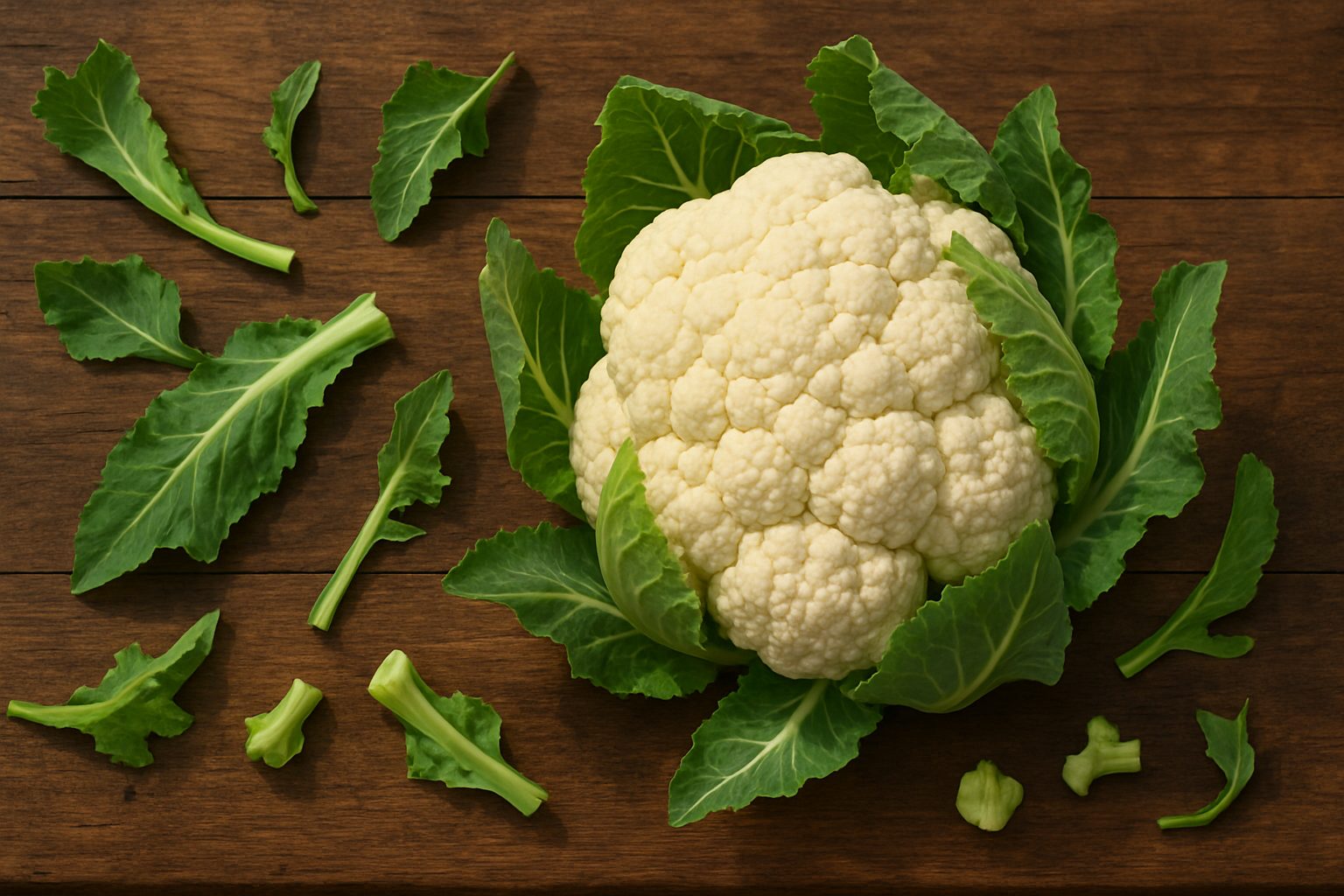
Are Cauliflower Leaves Edible and Safe to Eat?
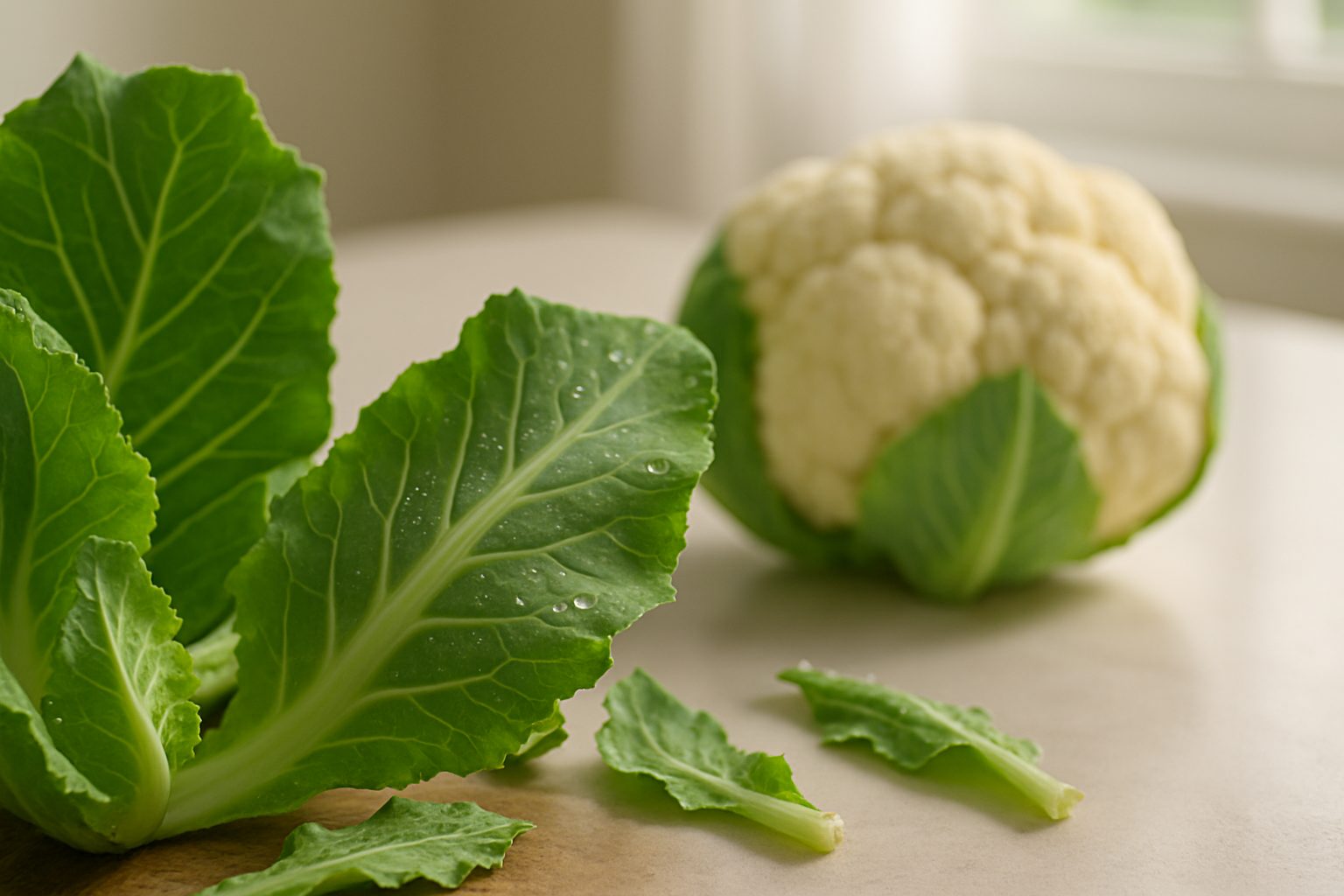
When people prepare cauliflower, they often discard the edible cauliflower leaves without a second thought. But did you know these leafy greens are not only safe to eat but packed with nutrition? Every part of the cauliflower plant, from the tightly packed head to the crunchy stems and broad, thick leaves, is edible. While the creamy-white florets make a star appearance in most dishes, the leaves and stems are equally deserving of your attention.
Cauliflower leaves are entirely safe to eat and can actually provide a surprising amount of health benefits. They’re rich in fiber, vitamin C, calcium, and iron—nutrients that are vital for strong bones, immunity, and overall wellness. Compared to the florets, the leaves often contain even higher concentrations of vitamins and antioxidants.
Taste-wise, cauliflower leaves have a mild, slightly sweet flavor reminiscent of kale or collard greens, with a tender yet hearty texture that holds up well in sautés, soups, or even roasted alongside the head. So next time you buy a whole cauliflower, think twice before throwing out the leaves—they’re not just edible, they’re a delicious, sustainable way to get more from your veggies.
How to Prepare Cauliflower Leaves for Cooking
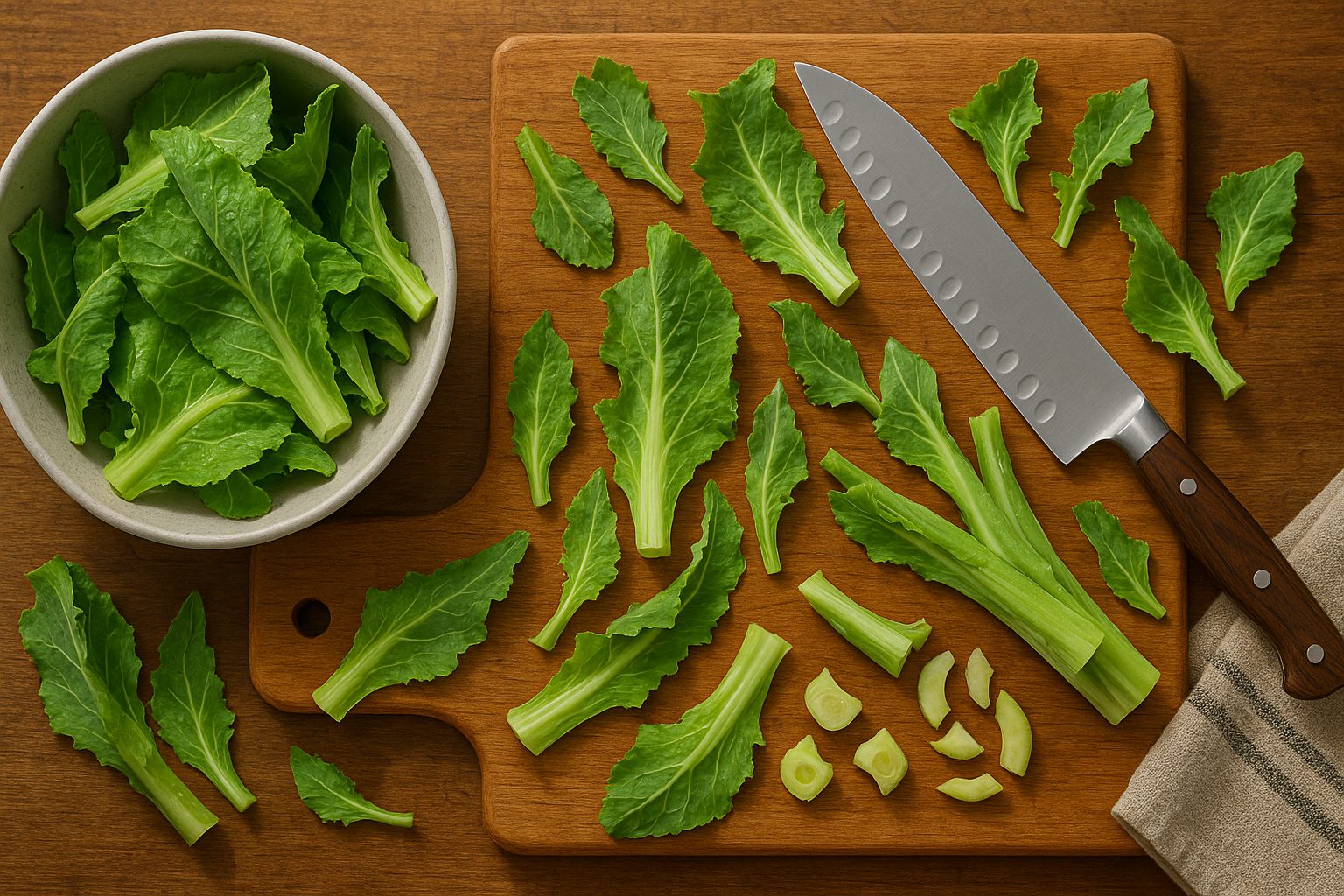
To prepare cauliflower leaves for cooking, start by giving them a thorough rinse under running water to remove any dirt or debris—these leaves often cling to soil since they grow close to the ground. Gently pat them dry with a clean towel.
Use a sharp knife to trim away the tougher ends of the stems, as these can be fibrous; you can save them for soups or broths if you want to minimize waste. Slice the leaves into strips or bite-sized pieces depending on your recipe—thinner slices cook more quickly for stir-fries or sautés.
For maximum freshness, store the cleaned and cut leaves in an airtight container lined with a paper towel in the fridge. Use them within a few days for the best flavor and texture.
Don’t toss any parts unnecessarily—both the tender stems and green portions are delicious and can be cooked just like kale or collard greens.
Easy Ways to Cook with Cauliflower Leaves
Cauliflower leaves are often overlooked, but they’re both delicious and versatile in the kitchen. You can roast them with a little olive oil and salt for crispy, chip-like snacks, or toss them into your favorite stir-fry for a mild, earthy crunch.
Steaming or boiling the leaves softens their texture—great for adding to soups, curries, or even as a nutritious wrap in place of tortillas. When it comes to seasoning, think garlic, pepper, lemon juice, and a sprinkle of chili flakes to enhance their subtle flavor.
They pair well with staples like potatoes, chickpeas, or even just tossed with pasta and parmesan. For a balanced dish, combine the slightly bitter leaves with sweeter elements, such as roasted carrots or caramelized onions, and add nuts or seeds for extra crunch.
Remember to taste as you go, adjusting salt and acidity to keep the flavors fresh. With a little creativity, cauliflower leaves easily find their place in everyday cooking.
Delicious Cauliflower Leaf Recipe Ideas
Don’t toss those cauliflower leaves—use them to create tasty, nutritious dishes that add both flavor and visual appeal to your meals!
For a simple snack or side, try roasted cauliflower leaves tossed with olive oil, salt, and your favorite spices. Roasting turns them crispy and golden, much like kale chips, making them perfect with dips or as a crunchy topper for grain bowls.
If you prefer something quick and vibrant, sauté the leaves in a stir-fry with garlic, ginger, and a splash of soy sauce. Their mild bitterness balances well with sweeter vegetables like bell peppers or carrots, making this stir-fry ideal alongside steamed rice or noodles.
For a comforting option, chop the leaves into a hearty vegetable soup—add them at the end of cooking so they retain their color and texture. The leaves add an earthy depth that pairs well with crusty bread or a toasted sandwich.
Finally, consider blending blanched cauliflower leaves into an herby pesto with nuts, garlic, and olive oil. This fresh, zippy spread is delicious tossed with pasta, spooned over grilled chicken, or served as a dip for raw veggies.
By using cauliflower leaves in these ways, you’ll cut food waste and discover new favorite flavors to enjoy throughout the week.
Benefits of Cooking with Cauliflower Leaves & Stems
Cooking with cauliflower leaves and stems is a smart way to cut food waste and help the environment. Instead of tossing these often-discarded parts, using them maximizes every vegetable you buy, reducing what ends up in landfills and lowering your grocery bills.
Cauliflower leaves, for example, are packed with vitamin C, calcium, and fiber, adding a nourishing boost to your soups, stir-fries, or salads. Try finely shredding the stems and sautéing them for extra crunch, or chop the leaves into curries for added flavor and nutrients.
Every time you use more of a vegetable, you stretch your budget and support a more sustainable kitchen—all while enjoying delicious, vitamin-packed meals. Small changes like this add up over time—for both your health and the planet.