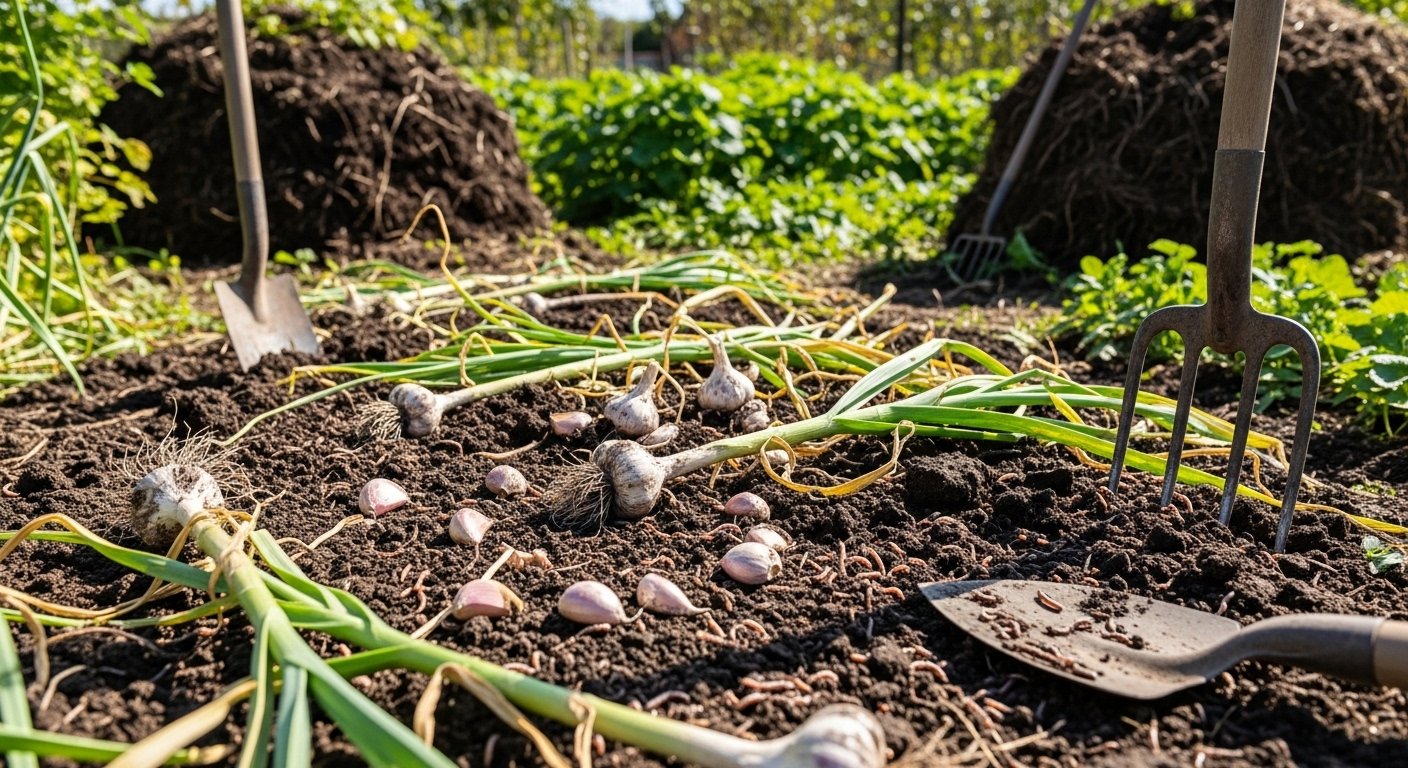
Understanding Garlic’s Effect on Soil
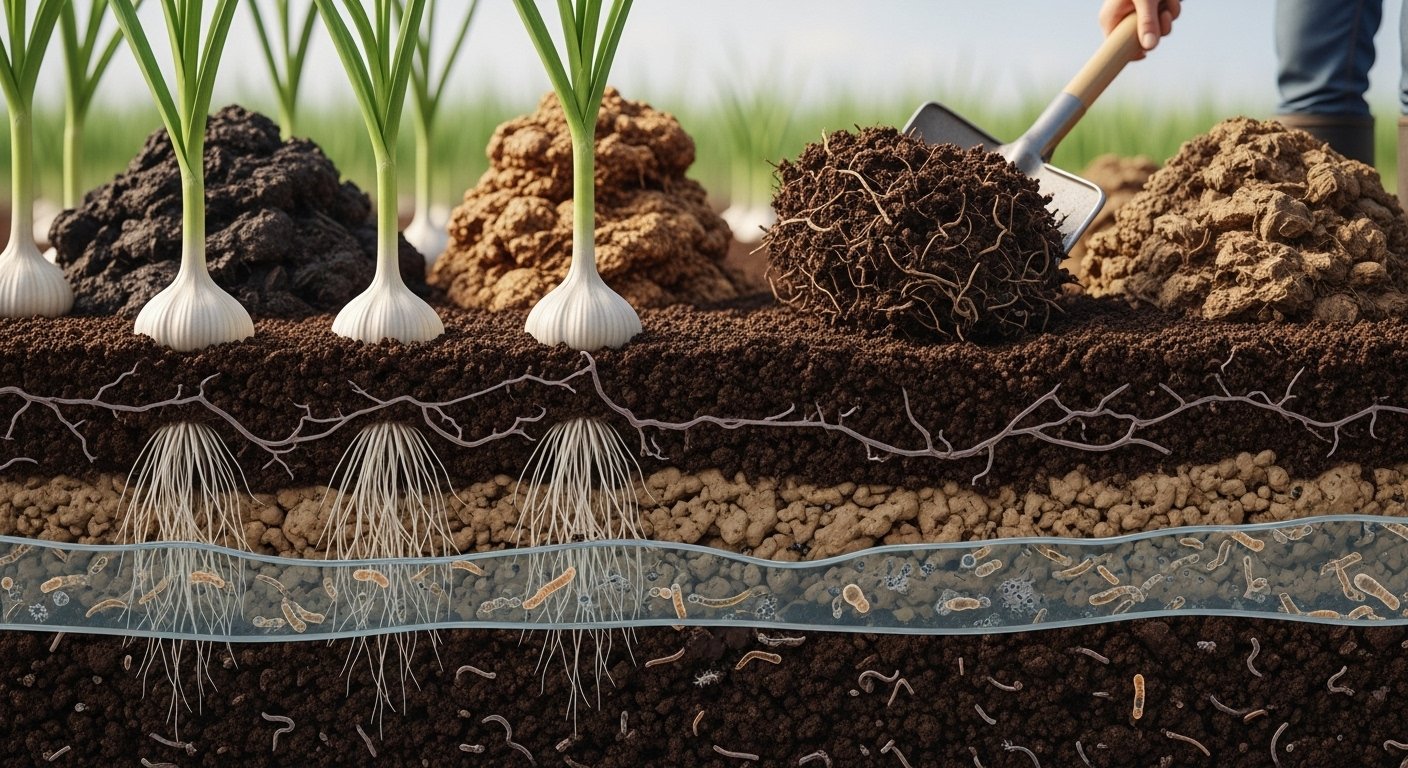
garlic crop rotation isn’t just a tradition—it’s an essential strategy for keeping your garden soil healthy and productive. As garlic grows, it pulls significant nutrients from the soil, especially nitrogen and potassium, which can leave the earth depleted if you don’t plan ahead.
The dense roots of garlic also help break up compacted soil, slightly improving its structure, but months of growth can lead to a drop in fertility and even a build-up of pests or diseases specific to alliums.
That’s why many gardeners recommend amending the soil after harvesting garlic by adding compost, aged manure, and other organic matter to recharge nutrients and encourage beneficial microbes. It’s also critical to rotate crops, avoiding planting other allium family members—like onions or leeks—in the same spot for at least a year or two.
This gives the soil a chance to restore balance and reduces the risk of recurring fungal or pest problems. If you neglect these steps, you may end up with stunted seedlings or persistent issues like white rot.
By understanding garlic’s unique demands on your soil and planning your next plantings accordingly, you set the stage for healthier harvests for seasons to come.
Preparing Your Soil for the Next Crop
Once you’ve harvested your garlic, preparing the soil is essential to ensure your next crop thrives. Start by removing any remaining garlic stems, roots, or outer skins to prevent disease and pest issues.
Loosen the soil with a garden fork or broadfork to improve drainage and aeration—compact soil can restrict root development for future plants. Amend your soil by adding a generous layer of well-rotted compost, which replenishes organic matter and supports beneficial microbes.
After garlic, soils can be low in nutrients like nitrogen, so consider incorporating a balanced organic fertilizer. Be sure to follow the package instructions and consider the specific requirements of your next crop.
Before you plant, it’s wise to test your soil. Home test kits are affordable and easy to use, or you can send a sample to a local extension office for a detailed analysis. If you don’t have a test kit, watch for indicators like yellowing leaves or stunted growth in existing plants—these suggest low fertility.
Finally, rake the area smooth to create an inviting bed for seeds or transplants. With these steps, you’ll create a revitalized, nutrient-rich environment that sets your next crop up for success.
Best Crops to Plant After Garlic
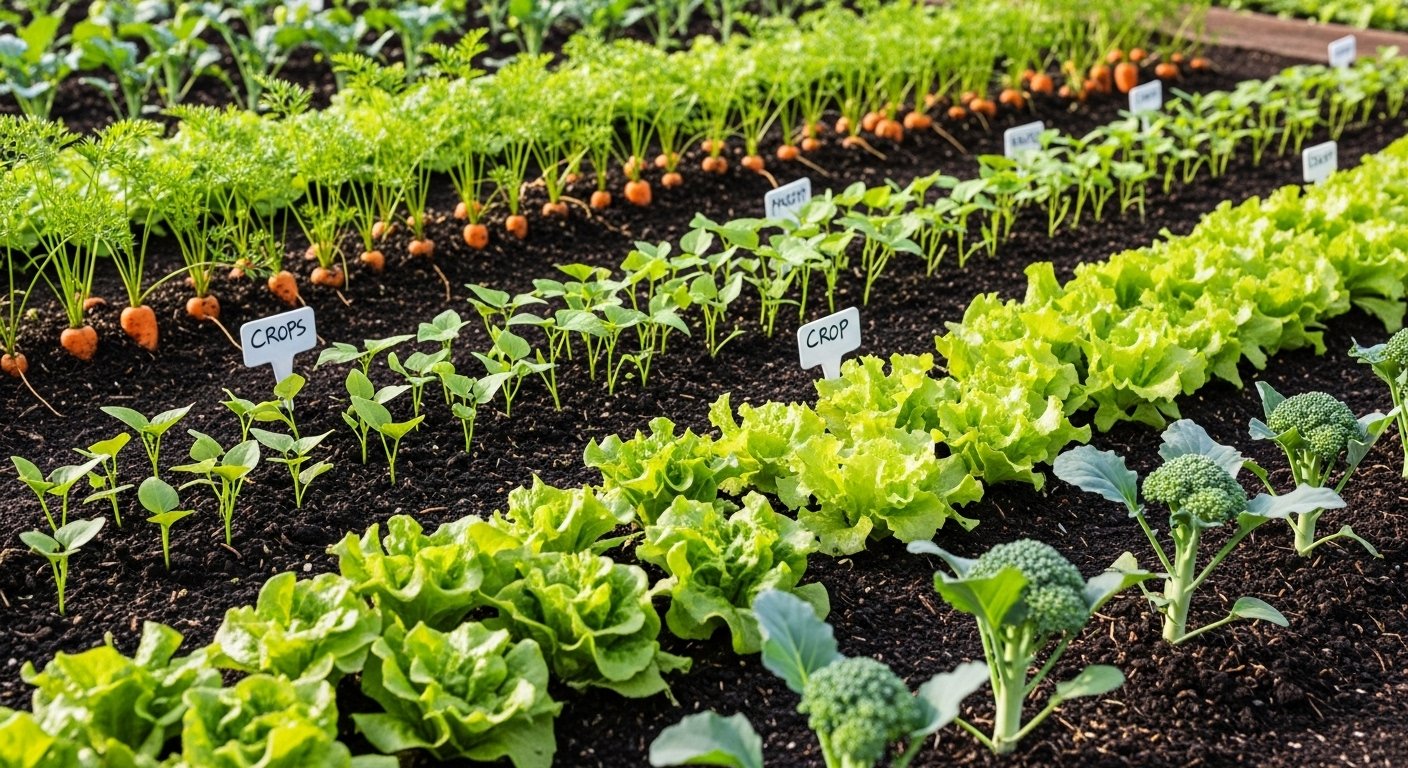
Once you’ve harvested your garlic—usually in mid to late summer—it’s the perfect time to plan for the next round of crops that will make the most of your freshly cleared garden bed.
Root vegetables like carrots, beets, and radishes are excellent choices to follow garlic. The soil is typically loose and aerated after pulling garlic bulbs, making it easy for roots to grow deep and straight. Sowing seeds of these root veggies directly after garlic harvest gives them ample time to mature before fall frosts.
Legumes such as green beans and bush beans are another great option, as they replenish nitrogen in the soil that garlic may have depleted. After your garlic is out, simply pop bean seeds in while the soil is still warm for a productive late summer crop.
Hardy leafy greens like lettuce and spinach also thrive in the post-garlic bed, taking advantage of the waning summer heat and the extra space. Sow these greens about two to three weeks after garlic harvest to avoid the hottest days, ensuring tender leaves that resist bolting.
Brassicas like broccoli, kale, and cabbage are smart companions as well. They benefit from the slight pest-repellent properties left behind by garlic, which can discourage soil-borne diseases and insect pests. Start brassica seedlings indoors a few weeks before garlic harvest, then transplant them into the open space right after harvesting.
Altogether, rotating these crops not only maximizes your garden’s output but also promotes healthy soil and helps break cycles of pests and disease, leading to a more resilient and bountiful garden year after year.
What Not to Plant After Garlic
After harvesting garlic, it’s important to avoid planting other alliums—like onions, leeks, or shallots—in the same spot right away. These crops are closely related and attract many of the same pests, such as onion maggots and thrips, which can linger in the soil and quickly attack the next crop.
Alliums also share similar nutritional needs, especially for nutrients like sulfur and nitrogen, so planting them one after another can deplete the soil and lead to weaker plants. Diseases like white rot or downy mildew can build up in the bed if you don’t rotate crops, making each following allium crop more vulnerable.
For healthier soil and stronger yields, rotate garlic beds with crops outside the allium family—such as beans, lettuce, or corn—allowing the soil time to recover and pests or diseases to diminish before returning to garlic or its relatives.
Using Cover Crops After Garlic
After harvesting your garlic, you might wonder what to do next with that empty garden space. Instead of immediately planting another edible crop, consider sowing cover crops—a smart and natural way to boost your soil’s health before the next big planting.
Hardy options like clover and buckwheat are excellent choices for garlic beds. Clover, a legume, injects nitrogen into the soil, enriching it for next season’s veggies, while buckwheat quickly fills in, keeping weeds at bay and attracting pollinators.
Both varieties act as living mulch, shading out invasive weeds and preventing soil erosion during high summer rains. Plus, their roots help break up compacted soil, improving drainage and fertility for whatever you plan to grow next.
By using cover crops after garlic, you’re not only cleaning up your garden but also setting the stage for a more productive and healthier plot next year.
Succession Planting Tips for Maximum Success
For successful double-cropping and to get the most from your garden, try planning succession plantings so that as soon as one crop finishes, another is ready to go in its place. Keep a simple gardening journal or spreadsheet to track what you planted, when, and how it performed—this makes it easier to spot patterns and perfect your timing for the next season.
Always practice crop rotation by planting different families of crops in the same area each time; this helps prevent soil-borne diseases and pest buildup. Don’t forget to pay attention to your garden’s microclimates: cooler spots might support lettuce or spinach longer, while warmer areas can push out an extra round of beans or squash.
Experiment with small test patches rather than your entire bed at first, jotting down which crops succeed together or follow one another well. This trial-and-error approach helps you fine-tune your strategy and build a vibrant, resilient, and productive garden year after year.