Introduction
eggplant hot weather cultivation is a rewarding endeavor for gardeners living in warm regions. Known for their glossy, deep purple fruits and versatility in cuisines around the world, eggplants naturally thrive in heat, making them a go-to vegetable for climates with long, sunny summers. They love warmth and flourish when nighttime temperatures stay above 70°F (21°C), often outperforming other vegetables during the hottest months. However, eggplants aren’t invincible. When facing sweltering heatwaves, scorching sun, or inconsistent watering, even this tough plant can struggle—leading to issues like flower drop, bitter fruit, or stunted growth.
Successfully growing eggplants in hot climates means working with their strengths while protecting them from the unique challenges of extreme summer weather. Wondering how to keep your plants healthy during relentless heat, or how often to water them when the summer sun won’t quit? This post will guide you through proven, real-world techniques—from the right mulch to use to smart watering schedules—so you can enjoy plump, flavorful eggplants straight from your garden, no matter how high the mercury climbs.
Choosing the Right Eggplant Varieties for Hot Weather
When it comes to eggplant hot weather success, starting with the right variety is half the battle. Not all eggplants thrive in intense heat, so selecting heat-resistant, productive cultivars should be your top priority. Look for varieties that have been bred or proven to tolerate high daytime temperatures and minimal nighttime relief.
Some standout options include Florida High Bush, a classic choice favored for its vigorous growth and reliable yields in scorching summers. Ping Tung Long, originally from Taiwan, is prized for its slender, tender fruits and consistent performance in heat. Black Beauty is a popular favorite, but for even stronger heat tolerance, consider Tha Kyo or Listada de Gandia, both praised by gardeners in the Southwest and South Asia for their adaptability.
Hybrid varieties like Nadia and Orient Express also offer excellent resilience and can boost your harvest even when the weather gets steamy.
When sourcing seeds, choose reputable suppliers known for regionally adapted or specialty seeds—some even label varieties as “heat tolerant.” Look for keywords like “early maturity” and “disease resistance,” which can be especially useful in challenging weather. It’s also wise to check online gardening forums for recommendations from growers in climates similar to yours. If possible, buy from local garden centers, as their seed selections are often tailored to your area.
In short, selecting the right eggplant varieties gives you a solid foundation to tackle the challenges of hot-weather gardening and enjoy abundant, high-quality harvests.
Optimal Planting Times and Site Selection for Eggplant Hot Weather
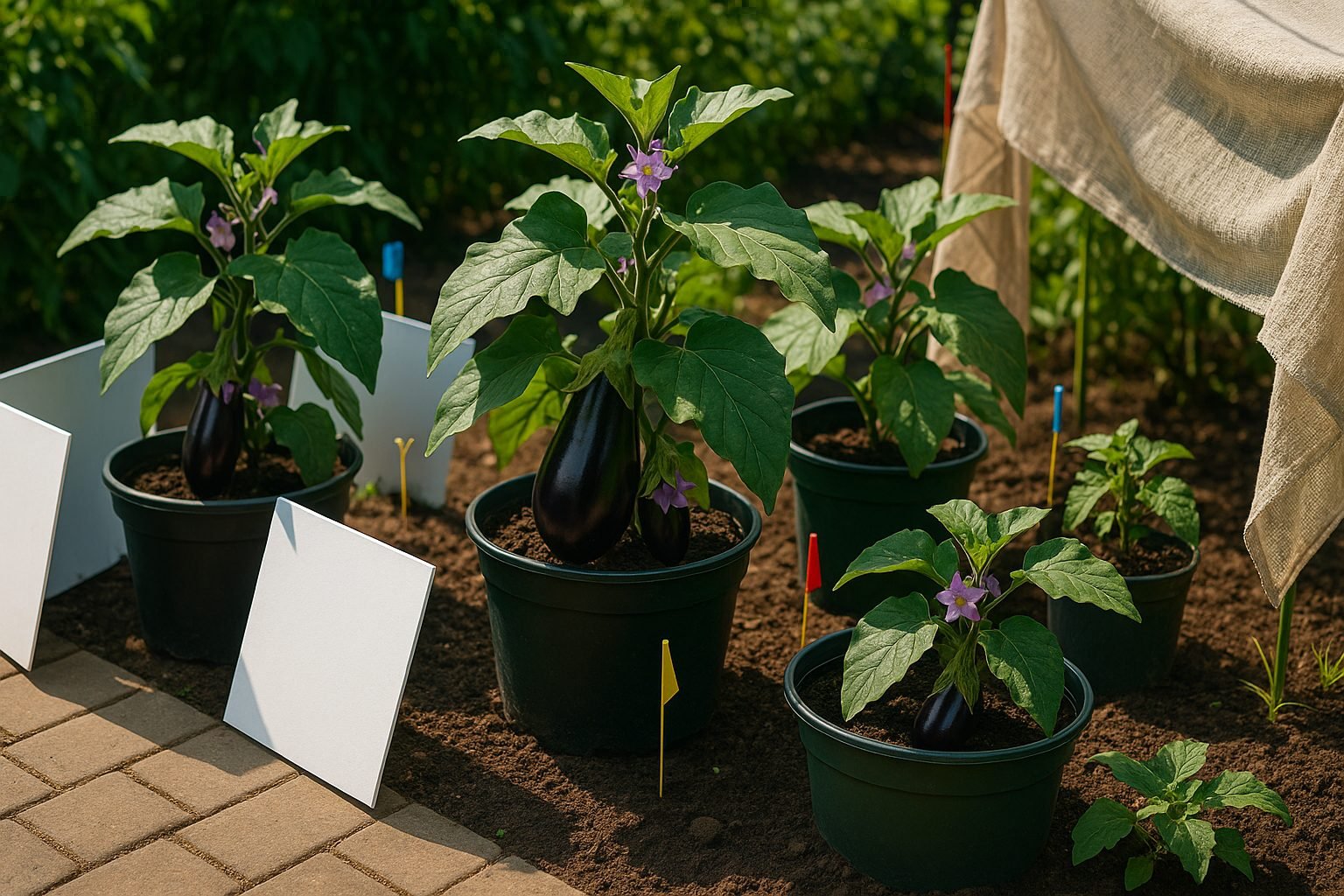
To successfully grow eggplant in hot weather, timing and site selection are key. In regions where temperatures regularly climb, start eggplant seeds indoors about 8-10 weeks before your last expected frost date, or when night temperatures stay above 60°F (16°C). In warmer zones, transplant young seedlings outdoors once the frost threat has passed and daytime temperatures consistently stay above 70°F (21°C). Eggplants thrive in heat but can struggle if started too early.
Choose your planting location carefully: eggplants need at least 6-8 hours of direct sunlight for good production. However, in extremely hot climates, a spot that receives morning sun and some dappled afternoon shade offers the warmth they need without risking sunscald or wilting. Soil temperature is also important; aim for 75°F-90°F (24°C-32°C) when planting. Using black plastic mulch or fabric can help warm the soil early in the season.
Ensure the soil drains well and is rich in organic matter. Mixing compost or aged manure into your beds provides a healthy foundation. If your native soil is heavy, poorly draining, or prone to overheating, consider raised beds or large containers. These options make it easier to manage temperature and moisture, especially during heat waves.
In particularly hot zones, using lightweight shade cloth over plants during the hottest afternoon hours protects leaves and fruit from sunburn. By carefully timing your planting and selecting the right spot, you’ll give your eggplants the best chance to thrive in hot weather.
Soil Preparation and Fertility for Eggplant in Hot Weather
Growing successful eggplant in hot weather starts with proper soil preparation. Eggplants thrive in well-drained, fertile soil rich in organic matter—a foundation that helps roots stay cool and consistently hydrated even as temperatures rise. Begin by loosening the soil to at least 12 inches deep, breaking up large clumps and removing debris. Mix in two to three inches of well-rotted compost or aged manure to boost fertility and improve soil structure. These amendments not only supply essential nutrients but also enhance the soil’s water-holding capacity, which is crucial during periods of extreme heat.
If your soil is sandy or heavy clay, blend in extra organic material or peat moss to improve drainage and moisture retention. Before planting, check the soil pH; eggplants prefer a slightly acidic to neutral range (6.0 to 7.0). To maintain fertility, consider adding a slow-release balanced fertilizer at planting and lightly side-dressing with compost halfway through the growing season.
Applying a three-inch layer of organic mulch—such as straw or chopped leaves—around the base of the plants helps lock in soil moisture and regulate temperature, protecting delicate roots from heat stress. During heat waves, monitor moisture closely—eggplants need consistent watering but dislike soggy roots. Using drip irrigation or soaker hoses keeps the soil evenly moist without waterlogging.
By focusing on rich, well-prepared soil and staying attentive to hydration, you’ll create the perfect environment for eggplant to flourish even under relentless summer sun.
Watering Strategies for Eggplant in Hot Weather
Growing eggplant in hot weather requires careful watering, as these plants can quickly suffer from drought stress or root issues. In high temperatures, eggplants thrive with deep, consistent watering—shallow sprinklings encourage weak roots that can’t support heavy fruit or endure dry spells. Aim to water early in the morning, soaking the soil about 6-8 inches deep. This encourages roots to grow deeper where moisture lasts longer and the heat is less intense.
Drip irrigation systems work especially well in hot climates by delivering water directly to the root zone, minimizing waste and reducing wet leaves that can lead to disease. Pair this with a thick layer of organic mulch—such as straw, grass clippings, or shredded bark—which helps keep the soil cool, conserves moisture, and slows evaporation during the midday sun. Keep mulch a few inches away from the stems to prevent rot.
For extra protection against evaporation, consider using shade cloth during the hottest parts of the day, especially if your plants start wilting or the soil dries out quickly. However, avoid overwatering—soggy soil can suffocate roots and promote fungal problems. Watch for warning signs: yellowing leaves and constant wilting after watering may indicate overwatering or poor drainage, while curling or browning leaf edges usually signal that the plant needs more water.
By following a regular watering schedule, adjusting for rainfall, and using these smart techniques, your eggplant will have the best chance to thrive, even in the peak heat of summer.
Managing Pests and Diseases in High Heat
Growing eggplant in hot climates means dealing with a unique set of pest and disease challenges. Common pests like spider mites and flea beetles thrive in hot, dry conditions and can cause significant damage to eggplant leaves and fruit. Spider mites, especially, multiply rapidly during heatwaves, leaving yellow speckles or webbing on the foliage. Flea beetles chew tiny holes in the leaves, stunting growth and stressing the plant further.
To manage these pests effectively, integrated pest management (IPM) is essential. Start by encouraging natural predators like ladybugs and lacewings by planting nearby flowers such as marigolds or alyssum. Floating row covers provide a physical barrier, especially for young transplants, and sticky traps help catch adult insects before they lay eggs. Regularly spraying the undersides of leaves with a strong jet of water dislodges spider mites and their eggs without relying on harsh chemicals.
High temperatures also increase the risk of fungal diseases like powdery mildew and bacterial wilt, as heat stress weakens the plants’ natural defenses. To prevent disease during eggplant hot weather, water early in the day to reduce nighttime humidity around the plants and space them well to promote airflow. Mulching with straw or shredded leaves helps keep roots cool and maintains consistent soil moisture—both crucial for a healthy crop.
If disease does appear, remove affected leaves immediately and use organic treatments like neem oil or a diluted baking soda spray, which are less likely to harm beneficial insects. With vigilance and a few climate-specific strategies, you can keep your eggplants healthy and productive all summer long.
Maximizing Yield and Quality: Harvesting Tips for Eggplant in Hot Weather
Harvesting eggplant in hot weather requires precise timing to preserve maximum flavor and a tender texture. The best time to pick your eggplants is when the fruit’s skin is glossy and firm—not dull or wrinkled—usually at about two-thirds of their mature size, depending on the variety. In scorching climates, you may need to harvest a bit earlier to avoid overripe, seedy, or bitter fruit.
Use sharp garden scissors or a knife to cut the stem, leaving a small portion attached. Avoid pulling the fruit, as this can damage both the eggplant and the plant. After harvesting, move the eggplants promptly to a shaded or cool area, since prolonged sun exposure can quickly diminish their quality.
For storage, keep eggplants at moderate temperatures (around 50°F/10°C) with good ventilation. Avoid chilling them, as cold temperatures can cause brown spots and softness. If you notice issues like fruit drop, it’s often due to extreme heat or inconsistent watering. Maintaining even soil moisture and mulching to regulate temperature can help.
Bitterness can develop when eggplants stay on the plant too long or experience heat stress, so frequent checks and timely harvesting are essential. If your eggplants consistently taste bitter, try harvesting earlier, providing afternoon shade, and ensuring plants aren’t stressed by drought or overcrowding. These steps will help you achieve the best yield and quality in eggplant hot weather conditions.
Conclusion
Successfully growing eggplants in hot weather comes down to thoughtful planning and care. Choose heat-tolerant varieties, plant early before the peak heat, and use mulch to retain soil moisture. Regular deep watering and providing afternoon shade can help prevent sunscald and blossom drop. Keep an eye out for pests, and harvest fruits promptly for the best flavor. Whether you’re a seasoned gardener or just starting out, these strategies will help your eggplants thrive even during scorching summers. Give these tips a try, and enjoy a bountiful harvest of fresh, delicious eggplants from your own garden.