Introduction
Cooking with eggplant opens up a world of culinary possibilities, bringing a versatile and globally cherished vegetable into your kitchen. Known for its glossy purple skin and unique ability to absorb flavors, eggplant has found its way into the hearts of food lovers everywhere. From smoky baba ganoush in the Mediterranean, rich ratatouille in French kitchens, to spicy curries across Asia, its history stretches across continents and centuries.
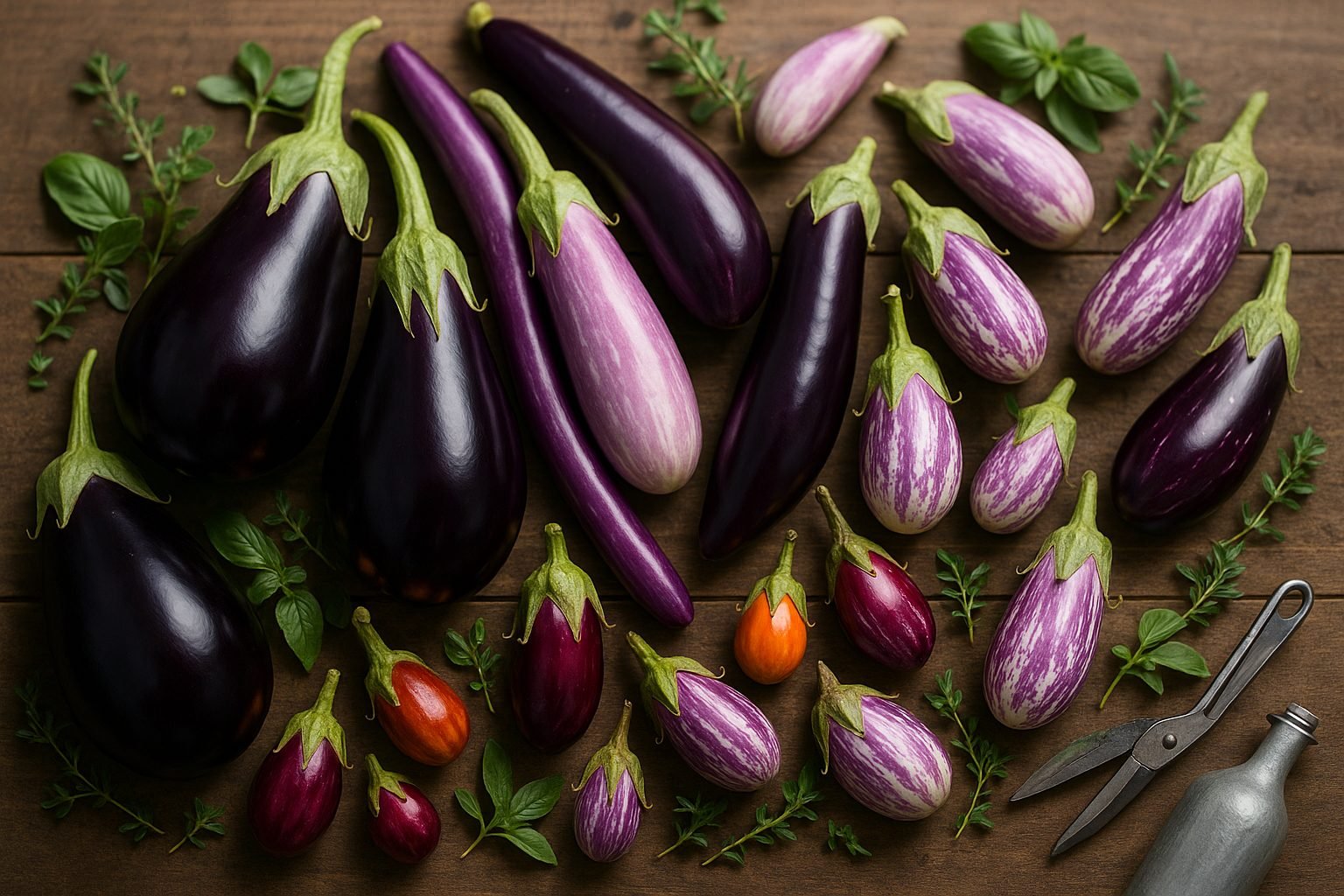
Whether you harvest fresh eggplants from your garden or pick them up at the market, understanding their different varieties can help you choose the perfect one for your favorite dish. In this blog post, we’ll explore the main types of eggplant, their characteristics, and how to use each in your cooking.
You’ll also pick up tips for roasting, grilling, baking, and sautéing to bring out eggplant’s best textures and flavors. Plus, discover classic ingredient pairings—think creamy cheeses, vibrant tomatoes, and fragrant herbs—and get inspired by popular recipes from around the world.
If you’re seeking ways to jazz up your meals or impress dinner guests with international flair, you’ll find plenty of practical advice and tasty ideas for cooking with eggplant right here.
Choosing and Preparing Eggplant
Eggplant comes in several popular varieties, each with its own flavor and ideal uses. The classic globe eggplant—large and deep purple—is perfect for grilling or baking. Japanese and Chinese eggplants are slender, with more tender skins and a sweeter taste, making them great for stir-fries and curries. Italian eggplants are rounder and milder, while smaller varieties like Fairy Tale or Indian eggplants are wonderful roasted whole.
When selecting eggplants at the store or market, look for ones that feel heavy for their size with smooth, glossy skin free of wrinkles, bruises, or discoloration. Gently press the skin with your thumb—it should bounce back rather than leave an imprint.
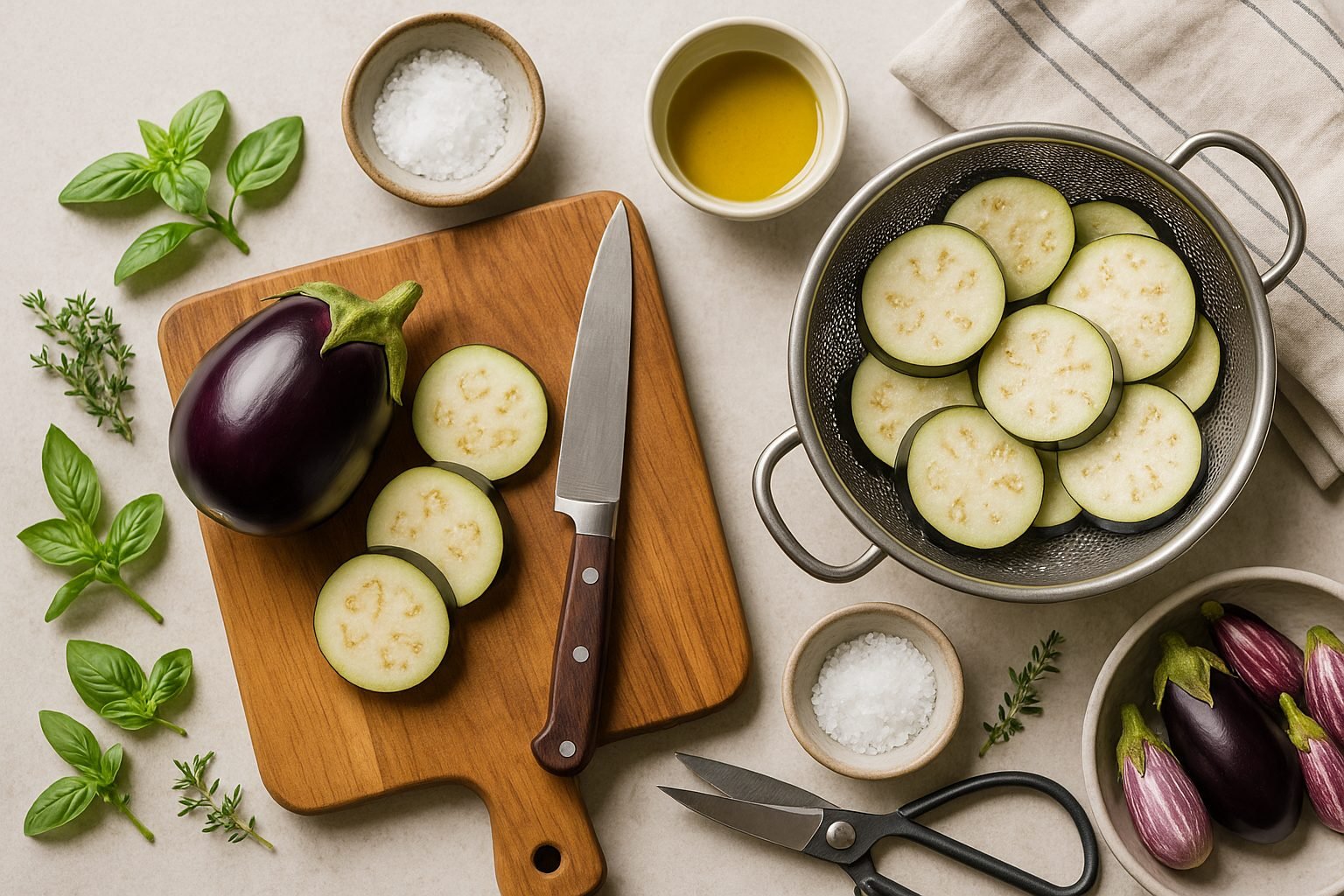
Once home, wash eggplants thoroughly, especially if you’ll be cooking with the skin. For most dishes, trim off the stem and blossom ends, then slice or cube as needed. Peeling is optional; smaller and thinner-skinned varieties usually don’t need peeling, but for larger, thicker-skinned eggplants or super tender recipes, you may want to remove the skin.
The debate over whether to salt eggplant, or “sweat” it, is ongoing. Traditionally, salting pulls out bitter juices and helps achieve a firmer, less spongy texture—especially in older or larger eggplants. To salt, slice the eggplant, sprinkle liberally with salt, and let it sit in a colander for 30-45 minutes before rinsing and patting dry.
However, many modern eggplants are bred to be less bitter, so salting is often unnecessary unless you want to reduce moisture for frying or grilling. If you’re short on time or using tender varieties, feel free to skip the salting step and dive right into your favorite recipe.
Popular Ways to Cook Eggplant
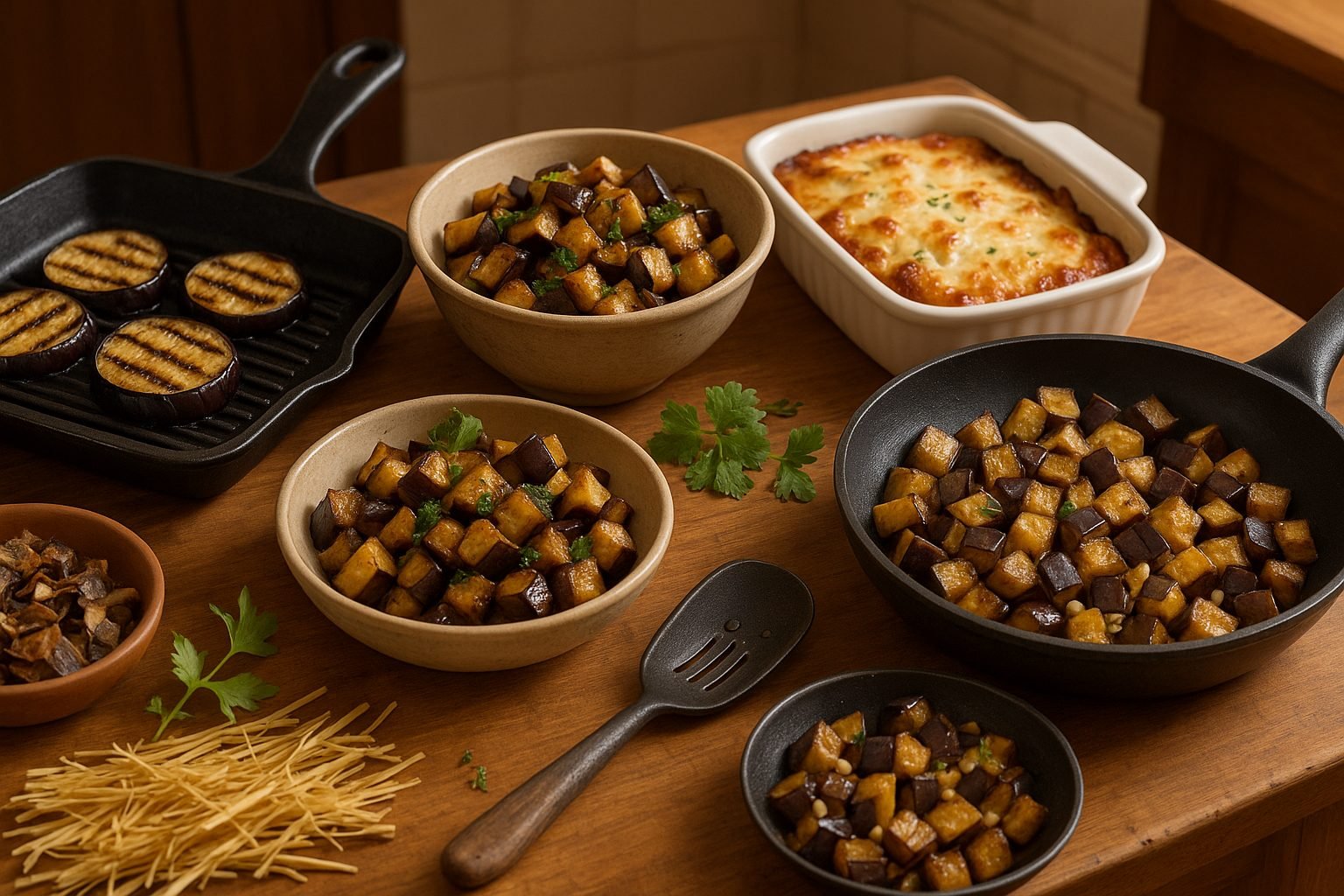
Eggplant is a versatile vegetable that adapts beautifully to a range of cooking methods, each offering a unique experience in both flavor and texture.
Grilling eggplant is a lighter option that brings out its natural smoky flavor without much oil—just brush sliced rounds lightly with olive oil, sprinkle with salt, and grill until tender. This method preserves nutrients and is perfect for summer barbecues, though it can sometimes yield slightly dry results if overcooked.
Roasting, similar to grilling, caramelizes the eggplant’s sugars in the oven, resulting in soft, creamy flesh and a pleasant, rich taste. Simply cube or halve your eggplant, toss with a small amount of oil and your favorite seasonings, and roast at high heat. This method is convenient for meal prep, but too much oil can lead to sogginess.
Baking is popular for dishes like eggplant Parmesan, where sliced eggplant is often layered with sauce and cheese—this can be quite indulgent, especially if the eggplant is breaded and fried first. For a healthier twist, try baking the slices with only a light spray of oil.
Sautéing works well for quick weeknight dinners, with diced eggplant absorbing flavors from garlic, herbs, or soy sauce in stir-fries and curries. However, it tends to soak up oil rapidly, so use a nonstick pan and add oil sparingly.
Frying, especially deep-frying, yields golden, crispy edges and a soft interior that’s downright delicious—think eggplant fries or fritters—but it’s by far the most calorie-heavy method, so reserve it as an occasional treat.
To avoid bitterness, always salt your eggplant slices and let them sit for about 20–30 minutes before rinsing and cooking. This draws out excess moisture and any bitter compounds, resulting in a creamier texture and better flavor.
No matter how you cook it, choosing firm, shiny eggplants and avoiding older or overripe ones will help ensure the best results in your favorite recipes.
Top Eggplant Recipes to Try
Eggplant is a chameleon in the kitchen, adapting beautifully to a variety of cuisines and techniques—so there’s a world of recipes you can try.
A true crowd-pleaser is the classic Italian Eggplant Parmesan, made by layering breaded, fried eggplant slices with tangy marinara and gooey mozzarella before baking it all to golden, bubbly perfection.
For a lighter bite, Mediterranean grilled eggplant is popular for its smoky, slightly sweet flavor; just brush thick slices with olive oil, season, and char them briefly on the grill.
Casserole lovers should try Moussaka, a Greek comfort dish where spiced ground meat (often lamb), tomatoes, and tender eggplant stack up beneath a velvety béchamel sauce, offering rich, earthy flavors.
If you’re after a quick sauté, Chinese eggplant stir-fry is a weeknight favorite—slim eggplant pieces become silky in a hot wok and soak up a savory garlic-soy sauce that pairs great with steamed rice.
Vegans can relish dishes like Baingan Bharta from India, where roasted and mashed eggplant mingles with tomatoes, onions, and cumin for a smoky, satisfying meal without any animal products.
For appetizers or snack spreads, baba ghanoush is a must-try: this creamy Middle Eastern dip blends roasted eggplant with tahini, lemon, and garlic, served with pita bread or veggies.
If you love fusion, try stuffing baked eggplant halves with quinoa, chickpeas, and veggies for a hearty, meatless main.
Experiment with different sauces and seasonings—eggplant readily soaks up spices and flavors from all over the globe, so you can find a recipe that suits nearly any craving. Start with whichever style fits your mood, and enjoy eggplant’s unique ability to transform familiar ingredients into something totally delicious.
Pairings and Serving Suggestions
Eggplant is incredibly versatile and takes on bold flavors beautifully, making it the star of many Mediterranean and Middle Eastern dishes. Classic pairings to try include tomatoes, garlic, cheese, and a drizzle of good olive oil; think rich eggplant parmesan or ratatouille, where roasted eggplant mingles with juicy tomato and melting mozzarella.
Herbs like basil, oregano, thyme, and parsley make a world of difference, lending freshness to grilled or baked eggplant. For a warming kick, try spices such as cumin, smoked paprika, or coriander—these turn simple cubes of roasted eggplant into aromatic bites perfect for mixing into grain bowls.
For a chef-inspired twist, pair eggplant with miso paste, tahini, or pomegranate molasses—the umami and tart flavors elevate even a basic eggplant dip. Eggplant also loves a bit of crunch, so serve it alongside toasted pine nuts or dukkah seasoning for a contrast in texture.
Complete your eggplant meals with hearty grains like couscous, quinoa, or a crusty sourdough, and round out the plate with sides of marinated olives or a fresh cucumber-tomato salad. Whether you’re layering eggplant in lasagna, serving it as smoky baba ganoush with pita, or frying it in tempura batter for something unique, these pairings turn humble eggplant into seriously crowd-pleasing meals.
Storing, Freezing & Reheating Eggplant Dishes
Keeping your eggplant dishes fresh and delicious starts with good storage practices. For raw eggplant, store it whole in a cool, dry spot away from direct sunlight. Avoid placing it in the refrigerator, as this can make the flesh spongy and brown. Use it within a few days for peak flavor.
Once cut, wrap slices tightly in plastic wrap or place them in an airtight container in the fridge. Use within 1-2 days to prevent browning and spoilage. Cooked eggplant dishes, such as casseroles or caponata, should be completely cooled before transferring to airtight containers and refrigerating. These will stay fresh for up to four days.
Freezing Eggplant Dishes
If you want to keep eggplant dishes longer, freezing is a great option. A little preparation goes a long way in maintaining quality.
- For raw eggplant: slice, blanch in boiling water for 4 minutes, then plunge into an ice bath. After drying, pack in freezer-safe bags.
- For cooked dishes like eggplant parmigiana: assemble and cool the dish, double-wrap it in plastic wrap and aluminum foil to prevent freezer burn, and freeze for up to three months.
Reheating Tips
When it’s time to reheat, thaw in the fridge overnight for the best results.
- For casseroles and bakes: cover with foil and reheat in a 350°F oven until heated through. Remove the foil for the last few minutes to crisp the top.
- For saucy or sautéed preparations: reheat gently on the stovetop over low heat, stirring frequently.
Avoid microwaving breaded or baked eggplant, as this can make it soggy. Using an oven is the better choice for a crisp finish.
With these tips, your eggplant creations will stay tasty, tender, and satisfying — whether you’re enjoying them fresh or from the freezer.
Common Questions & Troubleshooting
Eggplant is a versatile ingredient, but it often leaves cooks with questions—starting with its sometimes bitter taste. This bitterness can come from older or larger eggplants, which have more seeds. To reduce it, sprinkle sliced eggplant with salt and let it sit for 20–30 minutes before rinsing and drying; this draws out the compounds responsible for the sharp flavor.
Another common question is whether the skin is edible. The answer is yes, but the texture depends on the type and age of the eggplant. Thin-skinned varieties like Japanese eggplants are tender even after cooking, while thicker skins on globe eggplants can become tough, so peeling may be preferable for a smoother dish.
One of the biggest letdowns is soggy eggplant, especially when roasting or sautéing. To avoid this:
- Cut the eggplant into uniform pieces.
- Don’t overcrowd the pan—give pieces space so they caramelize instead of steam.
- Use high heat and add oil gradually to prevent the eggplant from becoming limp and greasy, as this vegetable soaks up oil quickly.
- If you’re baking, place the slices on a wire rack over a baking sheet to help air circulate and achieve crisper results.
Remember, patience pays off; allowing enough cooking time ensures that eggplant turns creamy without mushiness, making your dish rich in texture and flavor.
More Creative Eggplant Ideas & Final Tips
Eggplant is so much more than a key player in classics like ratatouille or eggplant Parmesan. Try blending roasted eggplant with garlic, tahini, and lemon for a smoky dip similar to Middle Eastern baba ganoush—perfect for spreading on toast or drizzling over roasted veggies.
Looking for new sandwich ideas? Layer sliced, grilled eggplant with mozzarella, fresh tomatoes, and basil on a crusty roll for a Mediterranean-inspired lunch.
Eggplant also shines when diced and added to pasta sauces or tossed on homemade pizzas; its meaty texture soaks up bold flavors like garlic, soy sauce, or curry, opening up possibilities for fusion dishes.
Venture into Asian cuisine by stir-frying eggplant with ginger, chili, and a splash of soy for a speedy weeknight meal. Don’t be afraid to play with spices—Moroccan, Thai, or even barbecue rubs can give eggplant a totally new personality.
If peeling and salting the vegetable feels intimidating, remember that many newer varieties are less bitter and can go straight into your skillet or oven. Challenge yourself to pick up eggplant during your next grocery run, and let it inspire new flavor adventures in your kitchen.