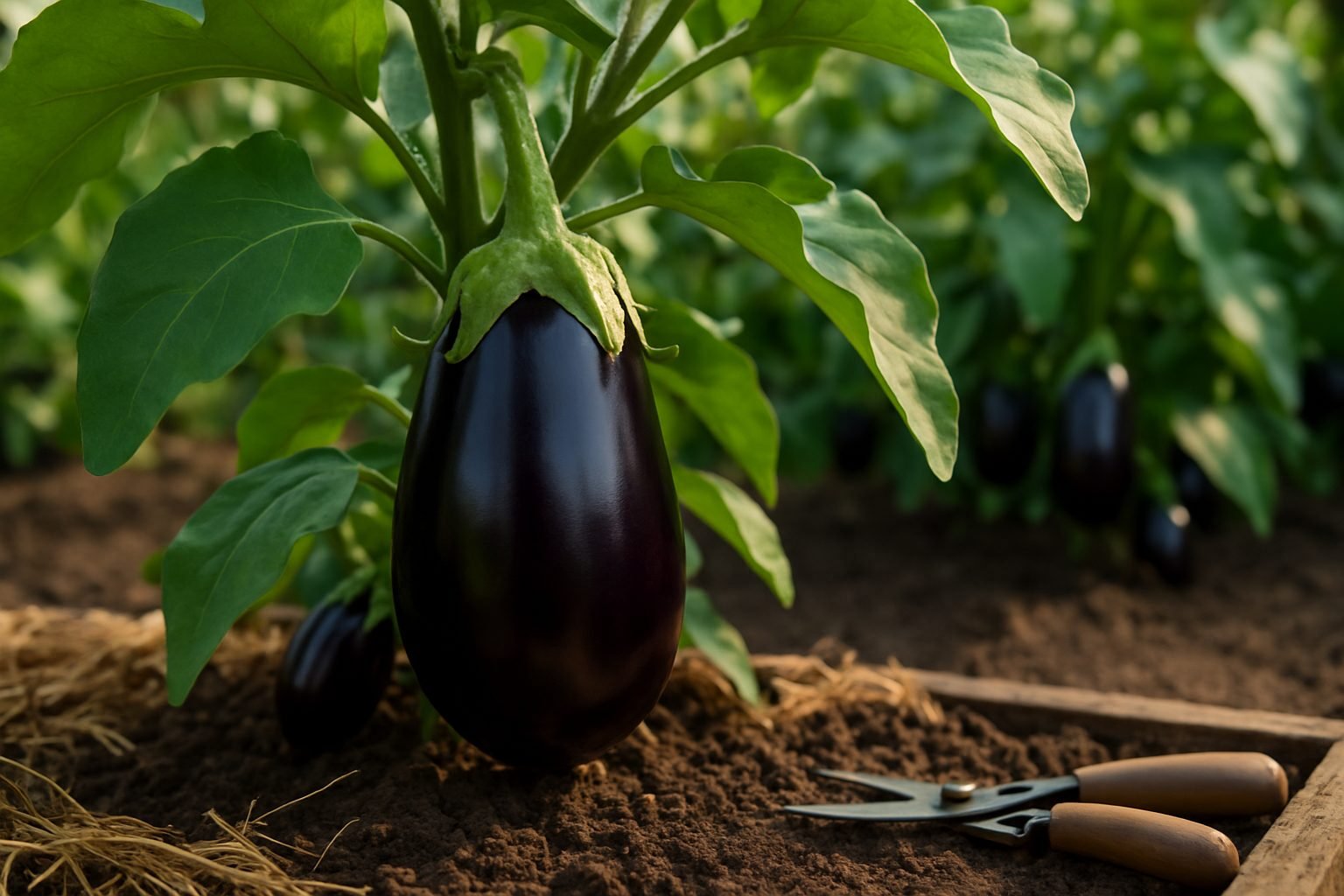
Spotting When Your Eggplant Needs Water
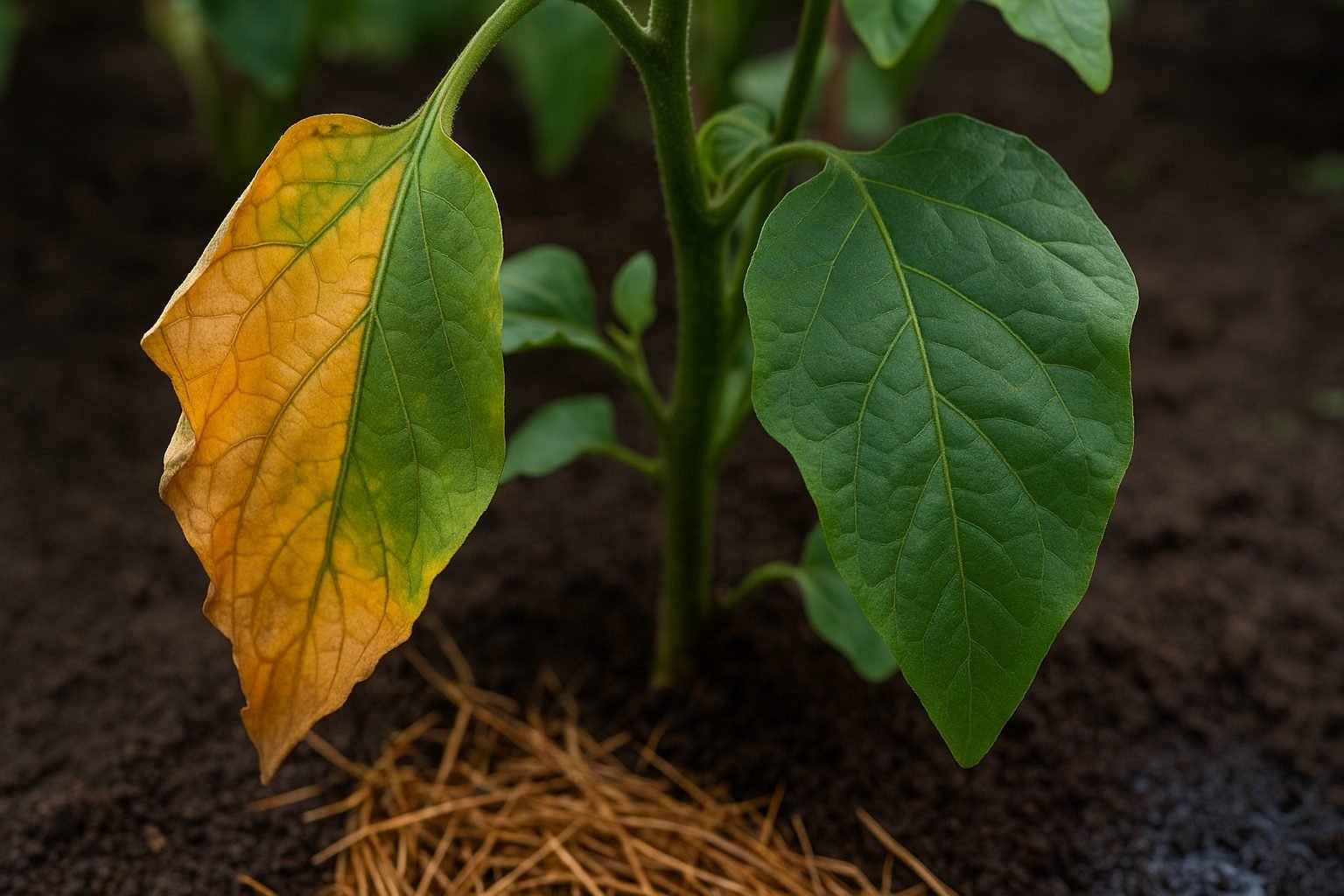
Mastering how to water eggplants can be the difference between a healthy, productive garden and disappointing harvests. If you’ve ever wondered whether your eggplant is thirsty or drowning, you’re not alone—spotting these signs early can save your plants.
Underwatered eggplants often show distress through drooping leaves that may turn yellow or brown around the edges and feel dry or crispy to the touch. The fruit might stop developing, staying small or shriveling before ripening. On the other hand, overwatering causes its own set of problems: leaves may become limp yet dark green, sometimes showing yellowing between veins or a mushy texture. Root rot can develop unseen, but above soil, you might notice stunted growth or fruits with a dull complexion and soft spots.
Remember, weather and soil type add another layer to decoding your plant’s needs. During hot, sunny spells, eggplants require more frequent watering—especially if your soil is sandy and drains quickly. In cool, humid, or rainy weather, dial back to avoid waterlogging the roots. If you’re gardening in clay soil, be cautious; these soils hold moisture longer, so always check two inches below the surface before watering.
Throughout the growing season, keep an eye on your plants’ body language, especially as they mature and begin to flower or set fruit, when water needs peak. Mulching and monitoring moisture with your finger are simple, real-world habits that help prevent stress. By combining close observation with responsive watering, you’ll help your eggplants thrive from seedling to harvest.
Best Time and Frequency for Watering Eggplant
The best time to water eggplants is early in the morning, ideally before 10 a.m. This allows the soil to absorb moisture before the heat of the day, reducing evaporation and helping prevent fungal diseases that thrive in damp, cool conditions overnight.
When it comes to frequency, seedlings need consistently moist—but not soggy—soil. Water lightly every one to two days, especially if the weather is warm. Once the plants start flowering, check the top inch of soil daily and water when it feels dry. This is generally about two to three times a week in mild weather and more often during hot spells.
As eggplants reach the fruiting stage, maintaining even soil moisture is crucial for healthy fruit development. Water deeply two to three times per week, increasing the frequency if temperatures soar or rainfall is scarce.
If you’re growing eggplants in containers, they’ll dry out much faster than those in garden beds. Expect to water daily during hot weather and at least every other day otherwise—always check soil moisture with your finger first. In-ground eggplants, protected by a thicker layer of soil, generally need less frequent watering, but mulching can help keep the soil evenly moist between waterings.
No matter where your eggplants grow, avoid overhead watering in the evening, as wet foliage overnight can invite disease.
Soil and Watering Techniques for Eggplant
Growing healthy eggplants starts with well-drained soil, as soggy ground can lead to root rot and poor plant growth. Before planting, work compost or organic matter into your soil to improve drainage and retain essential nutrients.
When it comes to watering, consistency is key—eggplants prefer their soil to be moist but never waterlogged. Drip irrigation or soaker hoses are excellent choices because they deliver water directly to the roots, minimizing leaf wetness and helping prevent diseases.
If you’re gardening on a small scale, a watering can with a narrow spout helps you reach the base of each plant with precision. While hand watering gives you control, it requires vigilance to avoid overwatering.
To prevent water stress, spread mulch like straw or grass clippings around your plants. This helps retain moisture and keeps roots cool.
A simple way to check if your plants need watering is to stick your finger about an inch into the soil—if it feels dry at that depth, it’s time to water.
By focusing on soil quality, watering methods, and moisture monitoring, you’ll help your eggplants thrive and produce delicious fruit all season long.
Tools & Technology for Monitoring Moisture
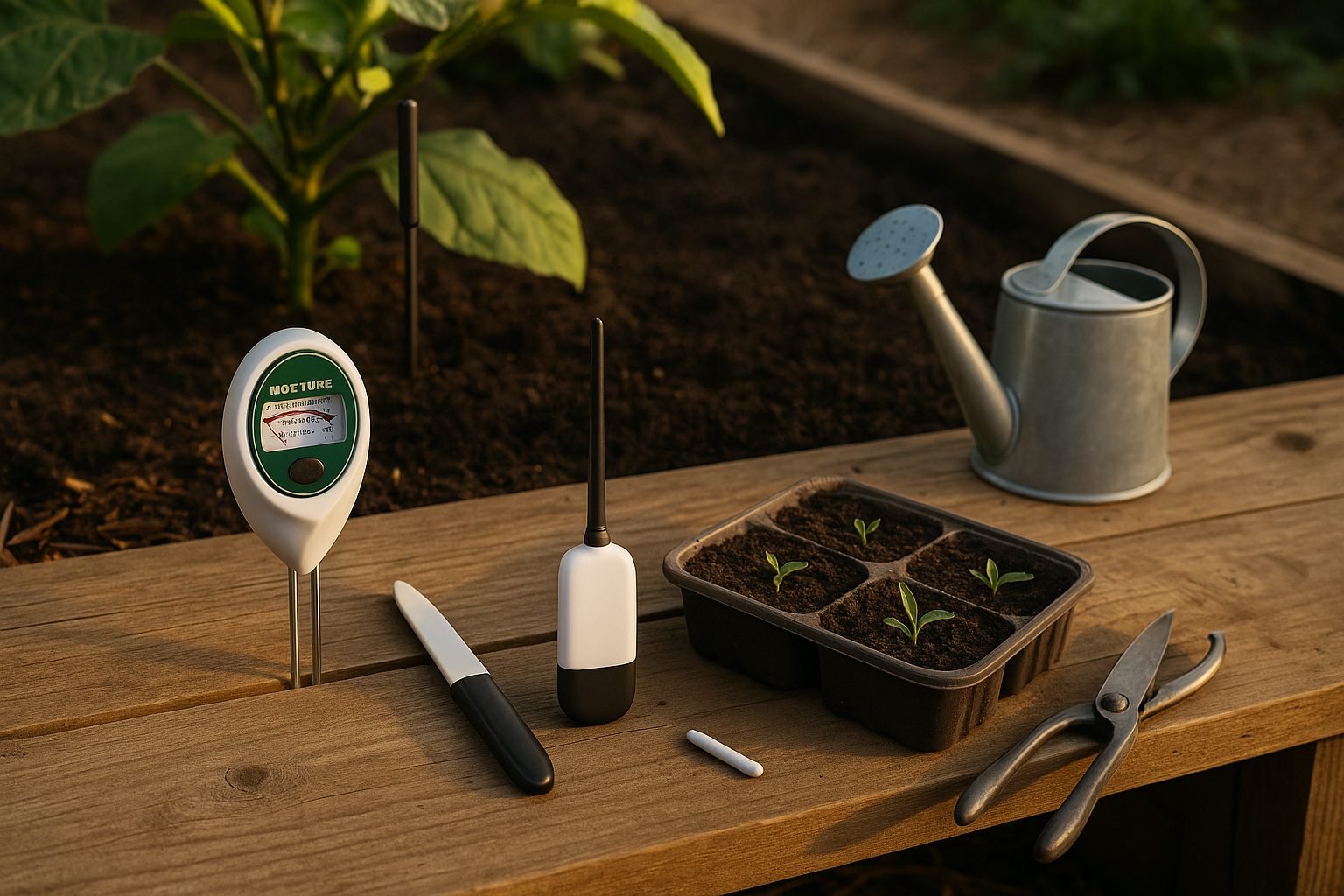
Monitoring soil moisture is essential for healthy plants, and today’s gardeners have a range of tools at their disposal. The simplest method is the age-old finger test—just stick your finger about two inches into the soil; if it feels dry, it’s time to water. This low-tech approach is free and quick, but it can be inaccurate, especially for deeper roots or larger gardens.
For more precision, consider using a traditional moisture meter, which reads soil humidity when inserted into the ground. These devices are affordable, reusable, and provide straightforward readings, but they may require calibration and can break over time.
Tech-savvy gardeners might prefer smart moisture sensors that wirelessly connect to your phone or a hub, offering real-time data and alerts. This makes them ideal for larger gardens, greenhouses, or busy schedules, though initial costs and setup can be higher.
When choosing a tool, match it to your needs:
- For small container gardens or casual monitoring, the finger test or a basic meter works well.
- For extensive beds or if you travel frequently, investing in smart sensors helps automate care and avoid over- or under-watering.
Ultimately, combining simple techniques with technology offers a practical, tailored approach to keeping your plants thriving.
Common Watering Mistakes and How to Avoid Them
One of the most common watering mistakes when growing eggplants is shallow watering, where only the surface soil gets wet. This encourages eggplant roots to stay near the top, making them more vulnerable to heat and drought stress—resulting in weak plants and smaller yields.
Another frequent error is overwatering, which can suffocate roots and create conditions for root rot and fungal diseases. Plants may wilt, develop yellow leaves, or stunt their growth. Inconsistent watering schedules are equally problematic, leading to blossom drop, misshapen fruit, or even splitting.
To avoid these pitfalls, water thoroughly but less frequently—aim for soil moisture to reach 6 to 8 inches down. Use your finger to check for moisture at the root level, not just the surface. Mulch around the base of the plants to help retain consistent soil moisture and reduce evaporation.
Try watering early in the morning so excess moisture evaporates during the day, minimizing disease risks. Setting up a drip irrigation system or soaker hose can also help deliver even moisture and prevent water from splashing onto leaves.
With these simple adjustments, you can support healthier eggplants and enjoy a more robust harvest.
Boosting Water Retention in Your Eggplant Bed
Improving water retention in your eggplant bed starts with enriching your soil—mix in plenty of organic matter like compost or well-rotted manure. This helps the soil hold onto moisture longer and provides essential nutrients. For heavy clay soils, adding coarse sand or perlite can improve drainage while still preserving moisture near the roots.
Applying a thick layer of mulch, such as straw, chopped leaves, or even grass clippings, acts as a protective blanket, shielding the soil from direct sun and reducing evaporation. In dry or windy climates, use mulch up to three inches deep and consider shade cloths during peak heat to minimize water loss.
Regularly weeding your bed is crucial, as weeds compete fiercely for available moisture. Lightly cultivating the soil around your plants helps break up surface crusts, allowing water to penetrate deeply rather than run off.
Installing soaker hoses or drip irrigation systems delivers water directly to eggplant roots, lowering evaporation compared to overhead sprinklers. In humid areas, make sure your mulch doesn’t stay too soggy, which can encourage disease—switch to pine straw or bark chips for better airflow.
These combined strategies create a resilient bed that conserves water and keeps your plants thriving, whether you’re gardening in a rainy yard or a sun-scorched patch.
Frequently Asked Questions and Eggplant Watering Myths
Many gardeners wonder if tap water is suitable for eggplants—good news: in most cases, it’s perfectly fine. Unless your tap water is exceptionally hard or treated with a lot of chlorine, you can safely use it for everyday watering.
Another common question is whether misting eggplant leaves helps; in truth, misting isn’t necessary for these sun-loving vegetables and can even encourage fungal diseases if the leaves stay wet too long.
A big myth is that eggplants prefer daily light sprinklings, but this approach actually stresses the roots. Instead, give your plants a deep, thorough watering at soil level once or twice a week, allowing the top inch of soil to dry between sessions.
Some people believe that eggplants love to be kept constantly moist; in reality, too much water can suffocate roots and lead to root rot. Trust your finger—poke it into the soil to check moisture before grabbing the hose.
Remember, healthy eggplants start with confident watering: deep but not frequent, soil moist but not soggy, and always at the base, not on the leaves.