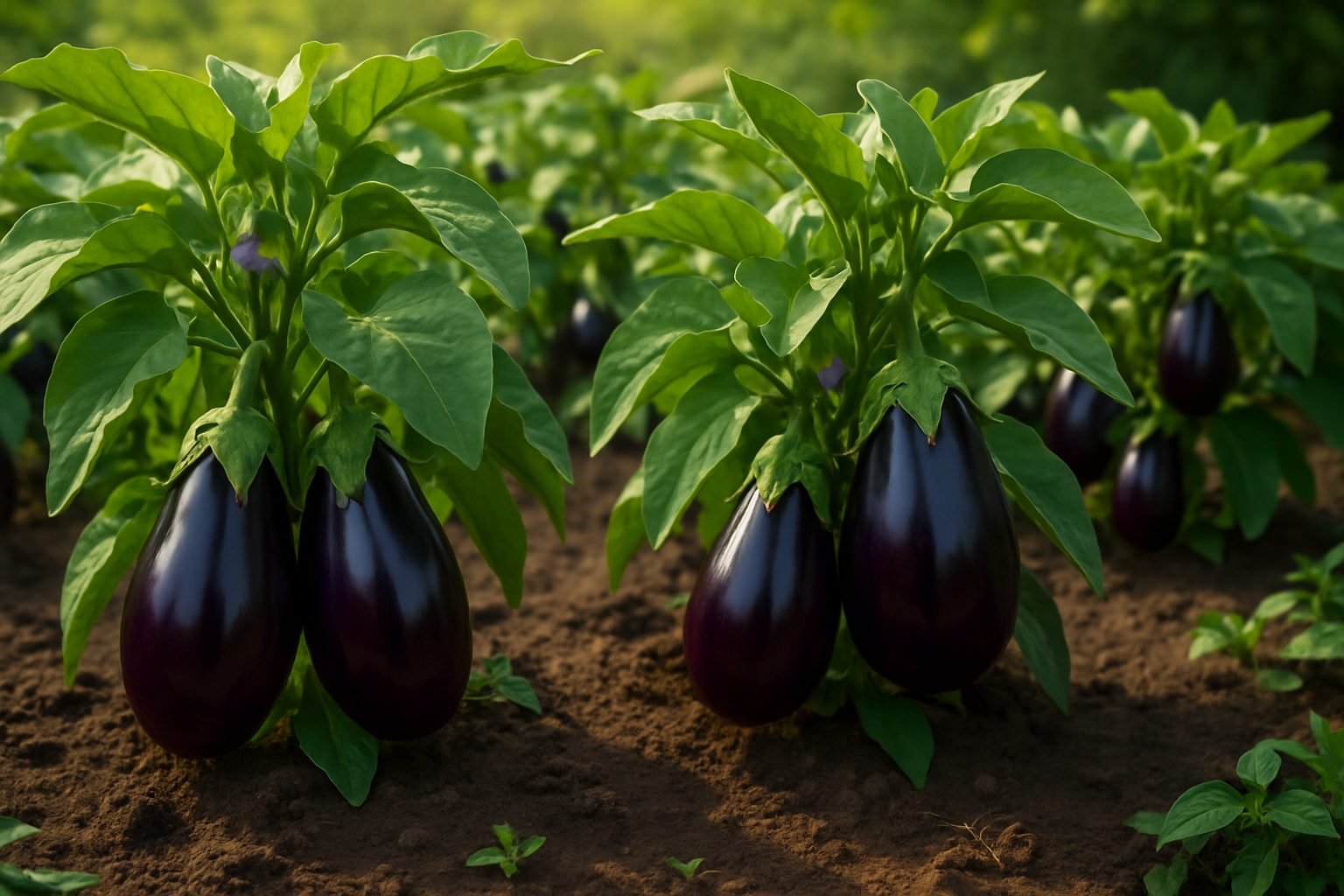
Plant Attributes and Benefits
If you’ve been wondering when to plant eggplant for the best results in your growing zone, you’re not alone. Eggplant, botanically classified as a fruit because it forms from a flowering plant and contains seeds, is a heat-loving annual that brings color and flavor to summer gardens. With their glossy skins and firm flesh, eggplants thrive in warm weather, requiring both consistent warmth and ample sunshine to develop their signature teardrop-shaped fruits.
While their growth habits include a fairly compact bush and a prolific flowering stage before fruiting, the timing of when to transplant or direct sow is key—too early, and cool soils can stunt growth; too late, and harvests may dwindle as fall arrives.
Nutritional Benefits
Nutritionally, eggplants are low in calories, high in fiber, and rich in antioxidants like nasunin, which gives their skin its distinct purple hue. They’re also a good source of vitamins C, K, and B6, plus minerals such as potassium and magnesium. These attributes make eggplant a healthy addition to your diet, supporting heart health, digestion, and even brain function.
Culinary Versatility
In the kitchen, eggplant is nothing if not versatile: roast it for classic baba ghanoush, layer it in Italian eggplant Parmesan, or grill thick slices as a savory, smoky side dish. Asian cuisines, such as Chinese and Thai, often showcase eggplant in flavorful stir-fries and curries, making it a global favorite for home cooks.
Advantages of Growing Eggplant at Home
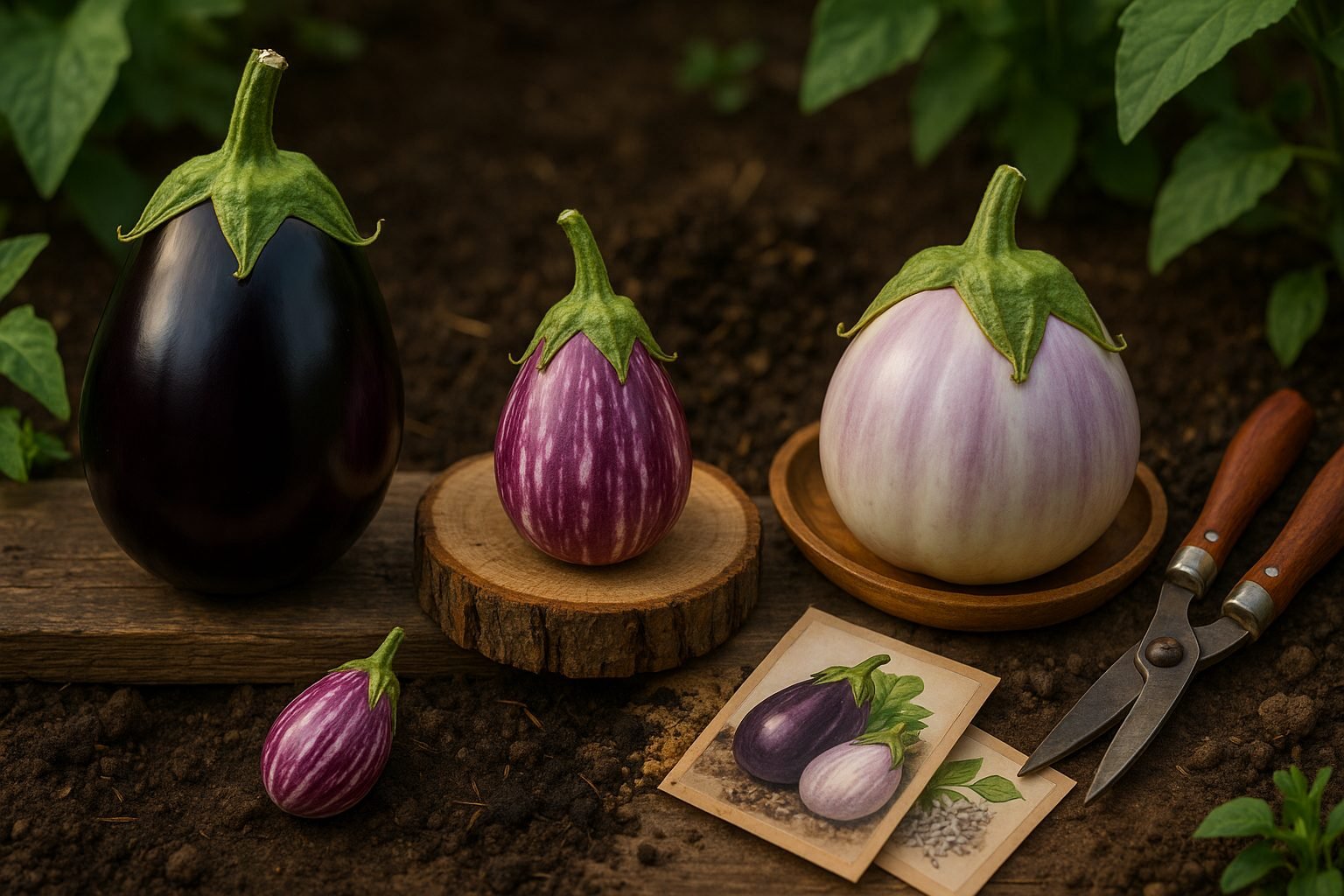
Growing eggplant at home offers distinct advantages. You’ll enjoy unmatched freshness—harvested eggplant quickly loses its glossy texture and delicate flavor if stored too long. You can also choose from an array of unique varieties not typically found in supermarkets, from petite lavender ‘Fairy Tale’ types to striped or even white cultivars.
Home growing lets you control pesticide use, supporting a cleaner, more sustainable harvest for your family. With proper timing and a little care, eggplant can reward any gardener with ample, nutrient-rich produce all season long.
Choosing Varieties and Getting Started
When starting your eggplant journey, picking the right variety is key, especially if you’re limited by space or local climate. Globe eggplants—the classic glossy, dark purple type—are a great all-purpose choice for most traditional gardens.
For container gardening or tighter spaces, consider compact varieties like Fairy Tale, which is small, striped, and sets fruit early, or Patio Baby, designed for pots but still producing impressive yields.
If you’re hoping for something unique, Rosa Bianca offers an Italian flair with round, lavender-white fruit, and Long Purple yields slender fruits ideal for grilling.
When choosing between seeds or starter plants, beginners in cooler climates might do best with young plants from a reputable nursery, since eggplants need warmth and a long growing season. In contrast, if you’re in a warmer zone or can start seeds indoors early, you’ll find a wider range of varieties to try.
Look for descriptions or labels that mention disease resistance—such as resistance to Verticillium or Fusarium wilt—which makes growing easier for beginners. Check yield potential as well; some hybrid varieties are bred specifically for higher and more consistent production, so they’re less likely to disappoint.
Remember, smaller varieties generally mature faster—a big bonus if you’re dealing with a short summer. If you’re buying seeds online, always choose a reputable supplier and check recent reviews to ensure seed quality.
No matter where you plant, ensure your chosen spot gets at least six hours of sun daily and start with healthy, robust plants. Taking a little time to match the variety to your growing conditions will pay off with a bigger, healthier, and more delicious harvest.
Planting Eggplant: Seeds, Soil, and Timing
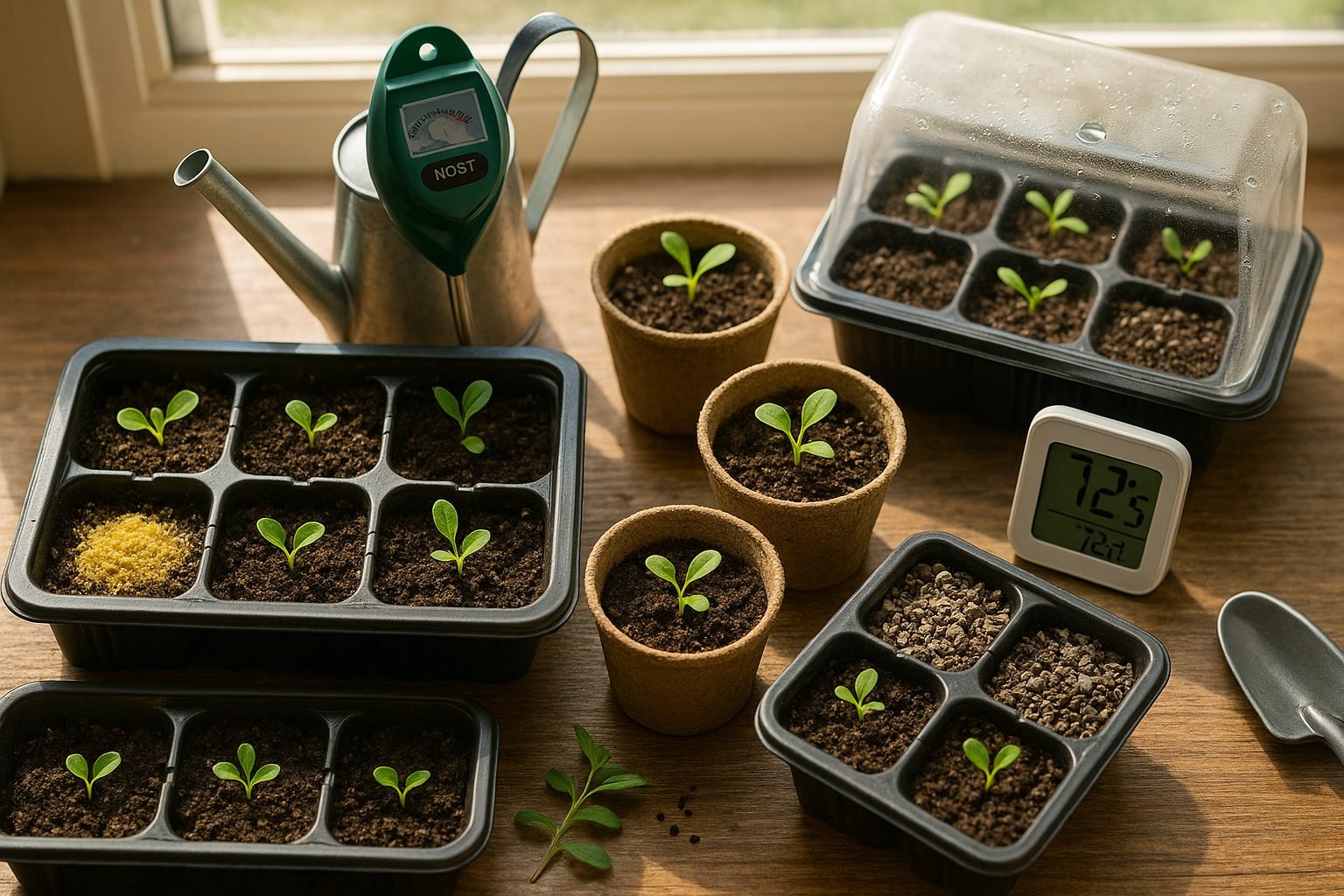
Growing healthy eggplants starts with sowing seeds indoors about 8-10 weeks before your last expected spring frost. Use seed trays or small pots filled with lightweight seed-starting mix and gently press seeds about a quarter inch deep. Keep your containers in a sunny windowsill or under grow lights, aiming for a consistent temperature of 75-85°F—eggplant seeds love warmth to sprout.
Water just enough to keep the soil moist but not soggy; covering trays with plastic helps maintain humidity until seedlings sprout. After your seeds have germinated and seedlings develop their first set of true leaves, you can thin out weaker plants.
Soil and Site Preparation
For optimal soil conditions, eggplants thrive in well-draining loam rich in organic matter, with a slightly acidic to neutral pH between 5.8 and 6.5. Before transplanting, amend beds with aged compost or a balanced fertilizer to give young plants their best start. Also, check that your site drains easily after rain; raised beds or mounds work well if your soil is heavy.
Site selection is crucial: choose a garden spot that receives full sun for at least six hours daily and is sheltered from chilling winds.
Timing and Transplanting
Wait to transplant until nighttime temperatures consistently stay above 55°F, as cold stress can stunt young eggplants. Prepare your seedlings by hardening them off—a week before transplanting, gradually introduce them to outdoor conditions, starting with a couple of hours in the shade and slowly increasing sunlight and exposure.
When you’re ready to plant, space your eggplants 18-24 inches apart in rows at least two feet wide, allowing room for airflow and growth. Transplant on a cloudy day or in the evening to reduce shock. Dig holes slightly deeper than your seedling pots, gently loosen roots, and set each plant in with the top of its root ball level with the soil surface, patting earth firmly around it.
Water thoroughly right after planting and mulch lightly to conserve moisture while keeping stems clear for air movement.
By following this simple routine—warmth, nutrient-rich soil, the right timing, and careful handling—you’ll give your eggplants a strong start and boost your chances of a bountiful harvest.
Eggplant Care and Growing Tips
Eggplants thrive best with consistent care, and getting the basics right can make all the difference in your harvest. Water deeply and regularly—aim for at least one inch per week, more during hot spells—keeping the soil moist but not soggy. Uneven watering can cause blossom drop or bitter fruit. Mulching with straw or shredded leaves helps conserve soil moisture, suppress weeds, and keep the roots cool.
When it comes to feeding, use a balanced fertilizer once a month, especially after the first fruits set, or opt for a slow-release organic fertilizer at planting. Too much nitrogen will give you lush leaves but fewer fruits, so stick to the recommended amounts. Eggplants can get top-heavy as fruit develops—use sturdy stakes or tomato cages early to avoid damaging roots later on, and tie stems loosely with soft ties for gentle support.
Pruning and Pollination
To encourage blooming and fruit set, regularly prune side shoots and lower leaves to improve airflow and sunlight exposure, but don’t overdo it—leave enough foliage to nourish developing fruit. If you notice lots of flowers but few fruits, give plants a gentle shake in the morning to help transfer pollen, or use a small paintbrush to touch flowers, mimicking pollination by insects.
Growing Eggplants in Containers
Potted eggplants do well on patios and balconies if you choose a container at least 5 gallons in size with drainage holes, and fill it with rich, well-draining potting mix. Container plants dry out faster, so check soil moisture daily and water when the top inch feels dry, especially during heat waves. Repot young starts into larger containers as soon as you see roots at the drainage holes, and feed container eggplants every two weeks with a diluted liquid fertilizer due to nutrient leaching.
Variety Tips
For limited space, try compact or dwarf varieties—they’re just as tasty and even easier to manage. With a bit of extra attention, your eggplants will reward you with glossy, flavorful fruit all season long.
Troubleshooting: Pests, Diseases & Common Growth Problems
Dealing with pests and diseases is a natural part of gardening, but with a proactive approach, most issues can be managed without harsh chemicals. Common pests like aphids, spider mites, and whiteflies can be spotted by checking the undersides of leaves for tiny bugs or sticky residue. To control them, try spraying plants with a strong jet of water, introducing beneficial insects like ladybugs, or using insecticidal soap made from natural ingredients.
For disease prevention, keep an eye out for wilting, yellowing, or spotted leaves—signs of fungal, bacterial, or viral infections. Good air circulation, watering at the base of plants rather than from above, and removing infected leaves promptly can help reduce disease risks. If an outbreak does occur, opt for organic treatments like neem oil or copper-based fungicides, and always disinfect your tools between uses.
Growth issues like poor flowering, premature fruit drop, or odd-shaped fruit often signal stress or nutrient imbalances. If flowers aren’t forming, check for too much nitrogen fertilizer or insufficient sunlight—most fruiting plants need at least six hours of sun daily. Excessive fruit drop can result from inconsistent watering or sudden environmental changes, so keep moisture levels even and avoid moving plants during their fruiting period.
Misshapen fruits, such as lumpy cucumbers or tomatoes with blossom-end rot, often hint at uneven watering or a calcium deficiency. To address this, mulch your soil and consider using a balanced organic fertilizer.
Regularly monitoring your garden and jotting down changes in a journal will help you spot problems early and make adjustments before minor issues become major headaches. By staying observant and responding quickly with eco-friendly solutions, you can maintain a healthy, thriving garden all season long.
Harvesting and Storing Eggplants
Knowing when and how to harvest eggplants is key to enjoying their peak flavor and texture. Look for fruits with glossy, uniformly colored skin and a slightly firm feel—they should give a little under gentle finger pressure but not feel hard or spongy. If the skin dulls or the seeds look dark when you slice one open, the eggplant is overripe.
To harvest, use clean, sharp pruning shears or a knife to cut the fruit from the plant, leaving a short piece of stem attached; tugging by hand can damage both the fruit and the plant. Handle harvested eggplants gently to avoid bruising.
For storage, keep them in a cool, slightly humid spot; the crisper drawer of your refrigerator works well for up to a week. However, avoid temperatures below 50°F, as they can cause chilling injury, resulting in brown spots and pitting.
If you have an abundant harvest, consider roasting or grilling extra eggplant slices, then freezing them in airtight bags for later use.
When you want to save seeds, let several fruits mature fully on the plant until the skin loses its shine and turns yellowish. Cut them open, scoop out the seeds, wash away the pulp, and let the seeds dry completely before storing them in a labeled, airtight container.
In regions with mild winters, you can try overwintering your eggplant plants by trimming them back, digging them up with as much root as possible, and potting them in containers indoors near a sunny window. This can give you a head start next season.
With careful harvesting and smart storage, you’ll get the most from every eggplant and keep enjoying your garden’s bounty long after the growing season ends.
Frequently Asked Questions
Starting your journey with blooming plants in containers can spark plenty of questions, especially if you’re new to gardening. A common beginner concern is, “Why isn’t my plant blooming?” This is often due to insufficient sunlight—most flowering plants need at least six hours of sun daily.
Another frequent question: “Can I grow these in any container?” While almost any vessel works, make sure your container has drainage holes to prevent root rot. Be mindful of soil quality too; use a potting mix designed for containers, not garden soil, which can compact and block nutrients.
Overwatering and underwatering are easy mistakes—stick your finger into the soil: if the top inch is dry, it’s time to water. If you notice yellowing leaves or stunted growth, check for signs of pests like aphids or spider mites and remove them by rinsing or treating with insecticidal soap.
For containers, regular feeding is vital because nutrients leach out faster than in garden beds—a balanced, slow-release fertilizer every few weeks usually does the trick. Don’t be discouraged by setbacks; every mistake is a lesson.
To improve your skills, try joining a local gardening group online, listen to plant-focused podcasts, or ask questions at your neighborhood nursery. With each bloom, you’ll gain more confidence and satisfaction—just keep experimenting and learning as you grow.