Introduction to Growing Eggplant
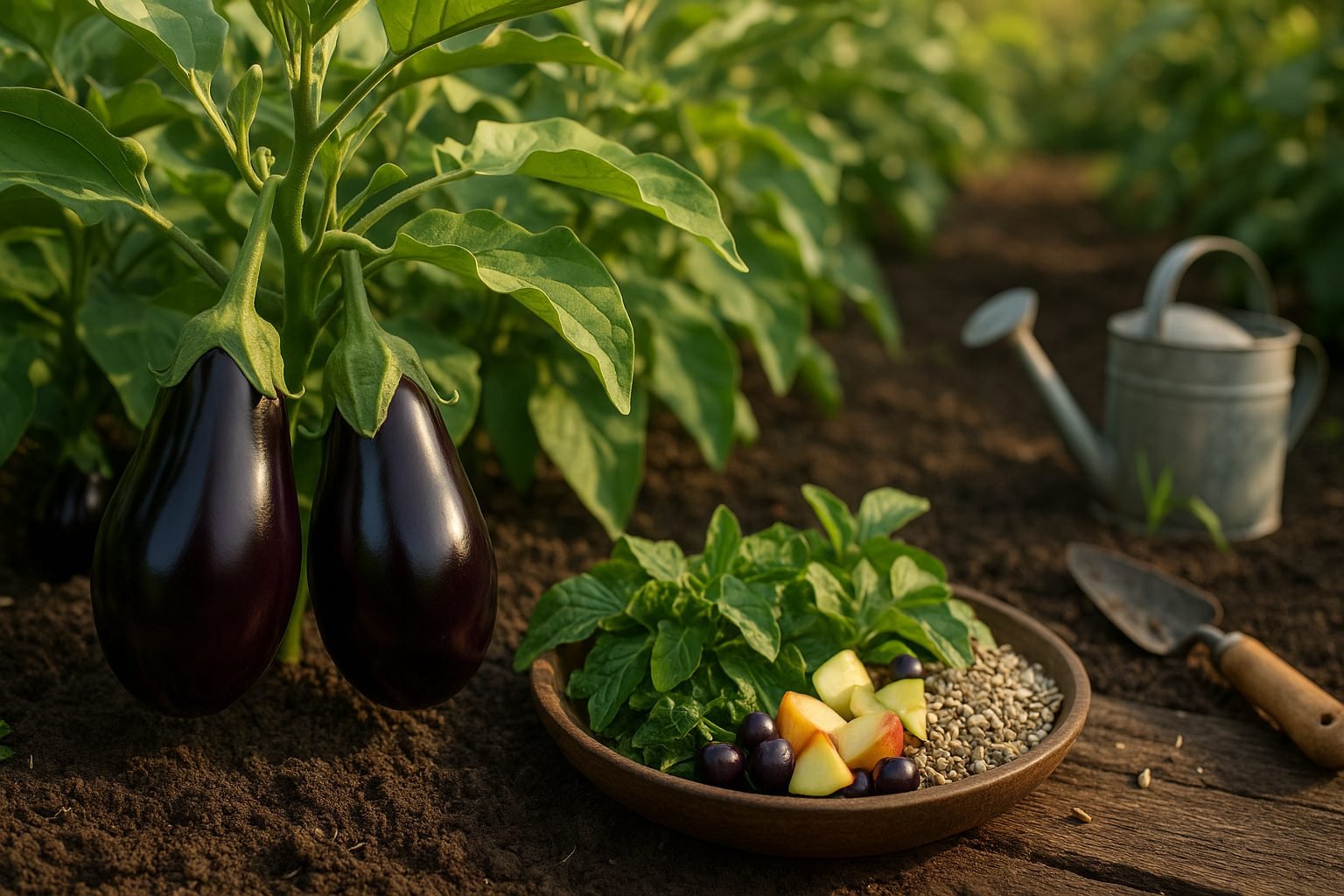
Transplanting eggplant is a crucial step in cultivating this versatile, warm-season crop that graces kitchens from the Mediterranean to Asia and beyond. Known for its glossy, vibrantly colored fruits and subtle taste, eggplant thrives when given plenty of warmth, sunlight, and well-drained, fertile soil. Gardeners around the world are drawn to growing eggplant not only for its culinary versatility but also for its impressive productivity and striking ornamental appeal—few vegetables combine usefulness and beauty so readily in the garden.
Whether roasted, grilled, or stewed, eggplants bring rich flavors and textures to countless dishes. However, achieving prolific harvests starts with understanding their core requirements: soil temperatures above 60°F, consistent moisture, and shelter from unexpected chills.
Many gardeners find joy in nurturing eggplant seedlings indoors for a head start, but the real magic happens during transplanting eggplant seedlings outdoors at the right moment. This step, if done correctly, leads to robust plants that reward you with abundant fruit through summer and early autumn.
In this guide, we’ll walk you through everything you need to know for successful eggplant cultivation: how to choose the right varieties for your climate, properly harden off and transplant your seedlings, provide optimal care as the plants grow, and troubleshoot common challenges. With practical tips and step-by-step advice, you’ll be well equipped to enjoy a bumper crop of eggplants—whether you’re a beginner or a seasoned gardener looking to refine your technique.
Choosing the Right Eggplant Variety
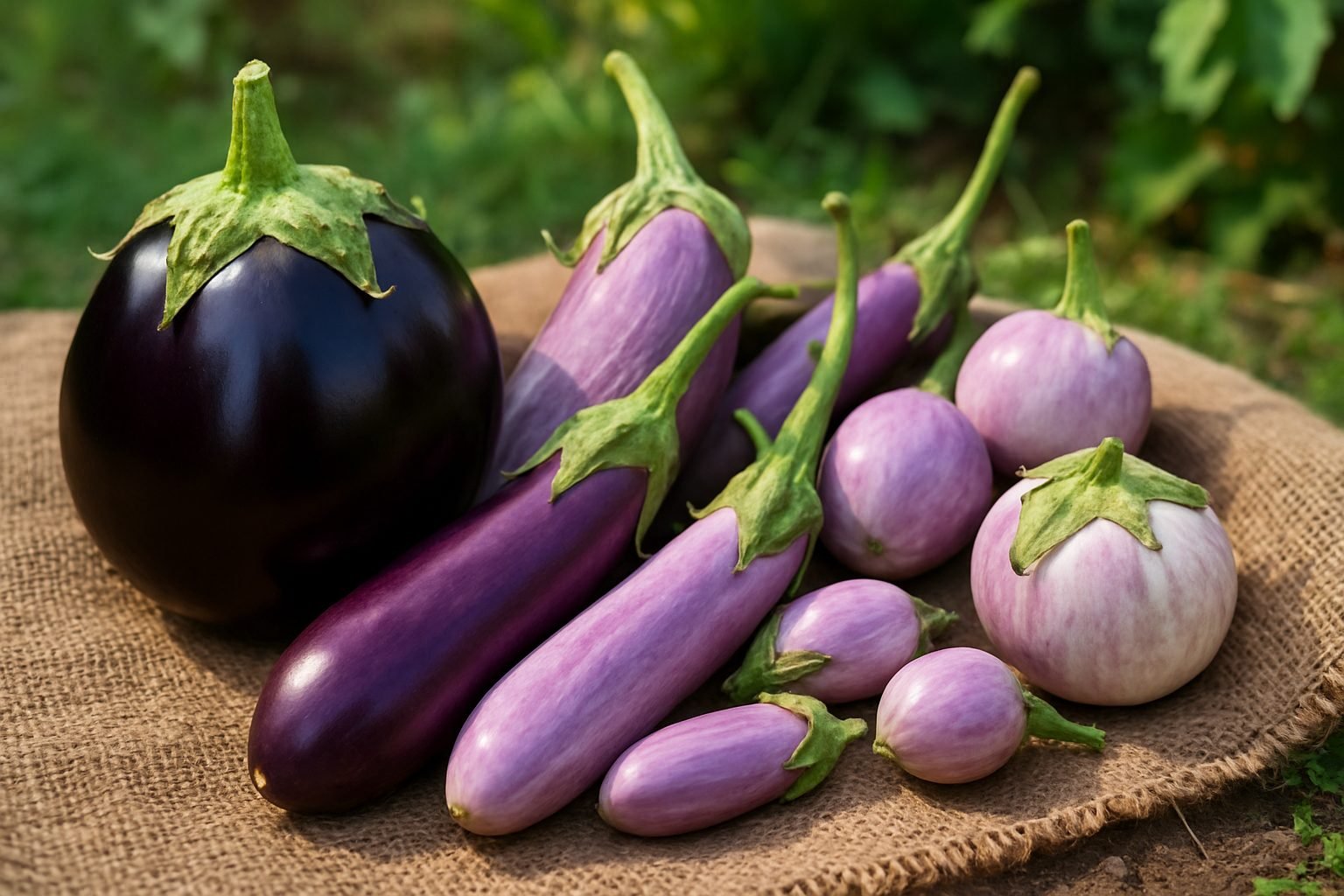
When it comes to picking the right eggplant variety for your garden, consider your local climate and available space. Globe eggplants, like ‘Black Beauty,’ are the classic large, deep purple types you’ll spot in supermarkets. They thrive in warm climates and larger garden beds thanks to their bushy size and hefty fruits.
If you’re working with a shorter season or limited garden space, Asian varieties such as ‘Ping Tung Long’ or ‘Ichiban’ are a smart bet. These eggplants produce slender, tender fruits in shades of purple and lavender, and their compact plants fit well in containers or small raised beds.
For a more decorative twist that’s still delicious, look into heirloom options like ‘Rosa Bianca’—an Italian variety with pastel purple and white skin and a creamy, mild flavor—or small Indian or Thai varieties that bear adorable, round fruits, perfect for curries and stir-fries.
When starting your eggplant journey, seeds offer the most variety, letting ambitious gardeners experiment with unique types. However, they do require a head start indoors, about 8-10 weeks before your last frost date. Alternatively, starter plants from a local nursery are ideal for beginners or those with shorter growing seasons, saving you time and boosting your chances for a quick harvest.
Whatever you choose, match the eggplant type to both your climate and cooking style—if you love grilling, go for large globes; if you’re all about quick sautés, slender Asians or minis are your friend.
Planting Eggplant: Timing, Location, and Soil Preparation
To maximize your eggplant harvest, timing is key. Start seeds indoors about 8-10 weeks before your area’s last expected frost date—eggplants love warmth, so give them plenty of time to grow strong before moving them outside.
When nighttime temperatures reliably stay above 55°F (13°C) and all danger of frost has passed, it’s time to transplant your seedlings.
For the best results, pick a sunny spot in your garden that gets at least six to eight hours of direct sunlight each day. Keep in mind eggplants need space; plant them about 18-24 inches apart to allow for air circulation and prevent disease.
Eggplants thrive in warm soil, ideally at least 60°F (16°C), so you might want to pre-warm your beds with black plastic or cloches if you’re in a cooler region.
Before planting, focus on building the ideal soil environment—eggplants like slightly acidic to neutral soil with a pH between 5.8 and 6.5. Mix in plenty of compost or well-rotted manure to boost fertility and improve drainage.
Whether you’re planting in raised beds, garden rows, or large containers, be sure to loosen the soil at least a foot deep and remove rocks or old roots.
For container gardeners, choose a pot that’s at least 16 inches wide and deep, filled with high-quality potting mix and compost. Regularly side-dress plants with more compost throughout the season to keep them fed.
By paying attention to timing, site selection, and soil preparation, you’ll set the stage for healthy plants and a bountiful eggplant harvest.
Essential Care for Healthy, Productive Plants
Proper watering is one of the most important steps in preventing root diseases and ensuring your plants thrive. Instead of frequent, shallow watering, aim for deep, thorough soakings when the top inch of soil feels dry. This means watering less often but for longer periods, encouraging roots to grow deeper and minimizing moisture at the soil surface, which can attract fungal issues. Always water in the morning so leaves dry quickly, reducing the risk of disease. For most garden plants, about one inch of water per week is ideal, but always adjust based on your soil type and local weather.
Fertilization also plays a big role in plant health. Use a balanced, slow-release fertilizer at planting time, and supplement during the growing season with compost or organic feeds high in potassium and phosphorus, especially for fruiting plants like tomatoes and peppers. Avoid over-fertilizing with nitrogen, which can encourage leafy growth but weaken stems and reduce fruit quality. Regularly check plant leaves for any signs of deficiency, such as yellowing or stunted growth, and adjust your feeding routine as needed to promote robust foliage and bountiful harvests.
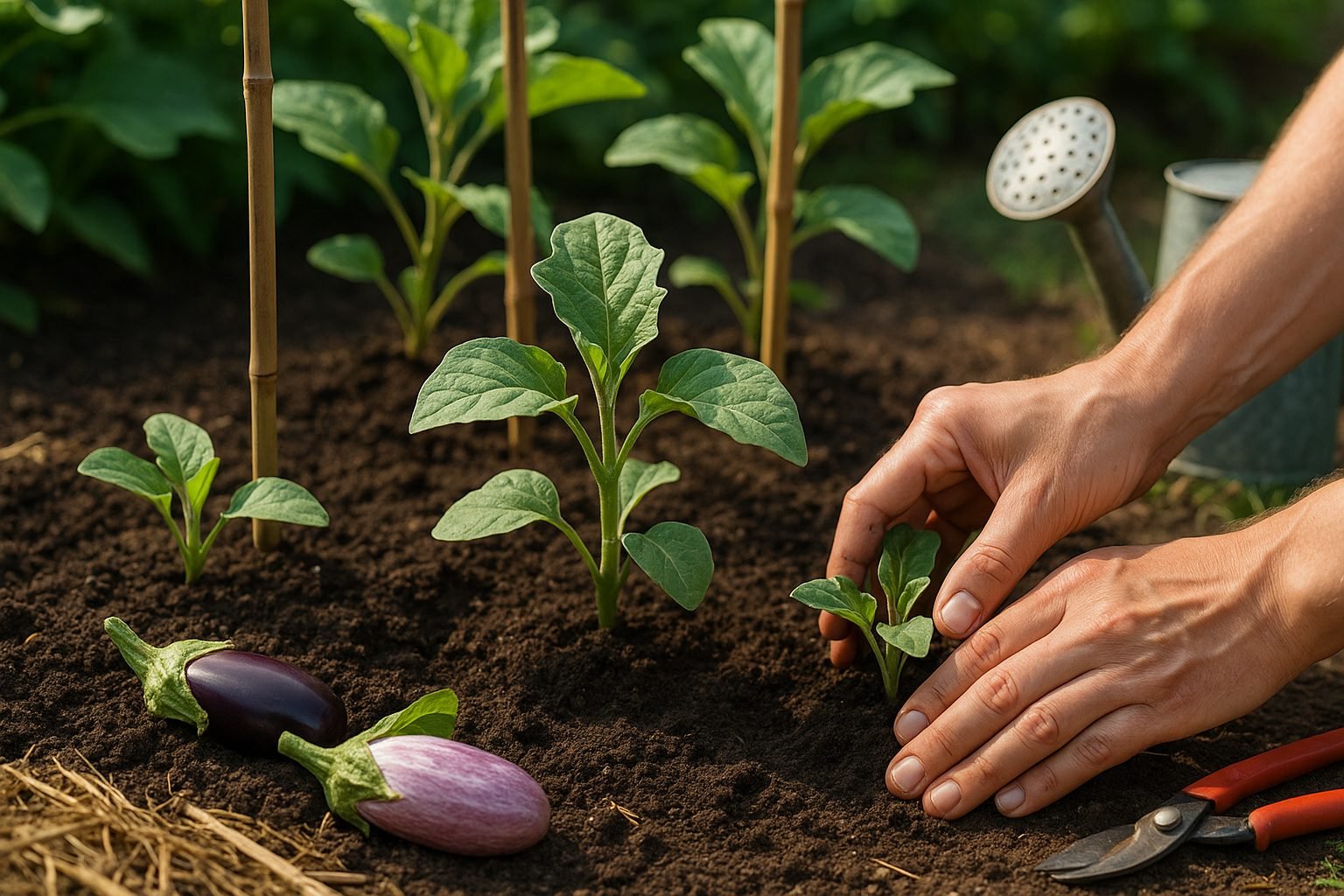
Physical support and soil care make a difference too. Staking tall or vine-like plants early helps prevent stem breakage and keeps fruit off the ground, reducing rot and pest exposure; simple bamboo stakes or tomato cages work well for many crops. Mulching your beds with straw, shredded leaves, or bark keeps soil consistently moist, reduces temperature swings, and adds organic matter as it breaks down. Plus, a good mulch layer blocks sunlight to uninvited weeds, which otherwise compete for water and nutrients. Hand-pulling weeds every week and keeping the area tidy will go a long way in maintaining healthy, productive plants all season.
Companion Planting and Crop Rotation with Eggplant
Companion planting is a smart way to boost your eggplant’s growth and protect it from pests naturally. By surrounding your eggplants with friendly neighbors like beans, peas, and marigolds, you encourage better pollination and deter common invaders such as aphids and nematodes.
Beans are especially helpful, fixing nitrogen into the soil and providing vital nutrients that help eggplants grow strong. Marigolds add a splash of color to your garden while their scent repels harmful bugs, making them a dual-purpose ally.
On the other hand, avoid planting eggplants close to fennel, which can stunt their growth, and steer clear of other nightshades like tomatoes and potatoes in the same spot, since they compete for nutrients and often share diseases.
In addition to good companions, practicing crop rotation is essential for keeping your soil—and your eggplants—healthy year after year. Instead of planting eggplants or other nightshades in the same area each season, alternate them with unrelated crops like leafy greens or beans. This disrupts the life cycles of soil-borne pathogens and pests, reducing the chances of disease buildup.
Rotating crops also helps restore nutrients to the soil, since different plants have different needs and contributions. By combining companion planting with effective crop rotation, you’re setting your eggplants up for robust growth, minimized pest problems, and healthier harvests—all while making your garden more sustainable in the long run.
Managing Pests, Diseases, and Common Problems
Keeping your garden healthy means staying vigilant against pests, diseases, and common growing problems. Flea beetles and aphids, for example, are frequent nuisances—look for tiny holes in leaves or clusters of small insects on new growth.
An effective, organic way to control these pests is by regularly spraying plants with a neem oil solution or introducing beneficial insects like ladybugs to naturally reduce their numbers. Floating row covers can also shield young plants from early-season infestations.
Diseases such as powdery mildew, blight, and mosaic virus can quickly spread in wet or overcrowded conditions. To prevent outbreaks, water at the base of plants rather than overhead to keep leaves dry, and maintain proper spacing for good air circulation. Rotate crops each year and remove any diseased foliage promptly.
Environmental challenges like temperature extremes or inconsistent watering often cause issues like blossom-end rot or poor fruit set. To avoid blossom-end rot—a condition marked by dark, sunken spots on the bottom of fruits—keep soil moisture even and add calcium if your soil is deficient.
Poor fruit set can be addressed by ensuring plants get at least six hours of sunlight, improving pollination with hand-shaking or by attracting bees, and not over-fertilizing with nitrogen, which favors leafy growth at the expense of flowers.
If you notice yellow leaves or slow growth, check for signs of stress or nutrient imbalance and adjust your care routine accordingly. Consistent observation and timely intervention go a long way in keeping your garden thriving without resorting to harsh chemicals.
Harvesting and Storing Eggplant
Knowing when to pick eggplants is key to enjoying their best flavor and texture. Look for glossy, smooth skin and firm flesh—ripe eggplants tend to be slightly soft when gently pressed, but avoid picking those with dull or wrinkled skins. Size can vary by variety, so focus on appearance over measurements.
When harvesting, use sharp garden shears or a knife instead of pulling or twisting the stem; this minimizes bruising and stem damage. Leave a short portion of the stem attached to help prolong freshness. Handle eggplants delicately, as their skins bruise easily with rough handling.
For storage, keep them in a cool, slightly humid space—ideally, the crisper drawer of your refrigerator—but don’t wash them until you’re ready to use. Place them in a perforated plastic bag to encourage some airflow, which helps prevent rot.
If you have a bumper crop, preserve eggplants by slicing and blanching them for a few minutes before freezing, or consider making dishes like baba ganoush or ratatouille to freeze for later. With these steps, you can enjoy your harvest for weeks beyond picking.
Frequently Asked Questions & Troubleshooting
Beginner gardeners often face common setbacks like low yields, bitterness in crops, or stunted plant growth. If your plants aren’t producing much, start by checking sunlight—most vegetables need at least 6 hours a day, so consider relocating pots or garden beds to sunnier spots.
Bitter flavors, especially in greens like lettuce or spinach, can come from hot weather or leaving plants in the ground too long before harvesting. Try picking them early and watering consistently to keep them sweet.
Stunted growth is often due to poor soil quality or crowded spacing. Test your soil and add compost, and be sure to thin seedlings as they grow so each plant has enough room.
Pest damage is another culprit; inspect leaves regularly and remove pests by hand or use organic sprays like neem oil.
Don’t be discouraged by early mistakes—each problem is a chance to learn. Keep a gardening journal, experiment with different planting times or varieties, and connect with local gardeners for region-specific advice. With patience and a willingness to try new solutions, your harvests will improve every season.