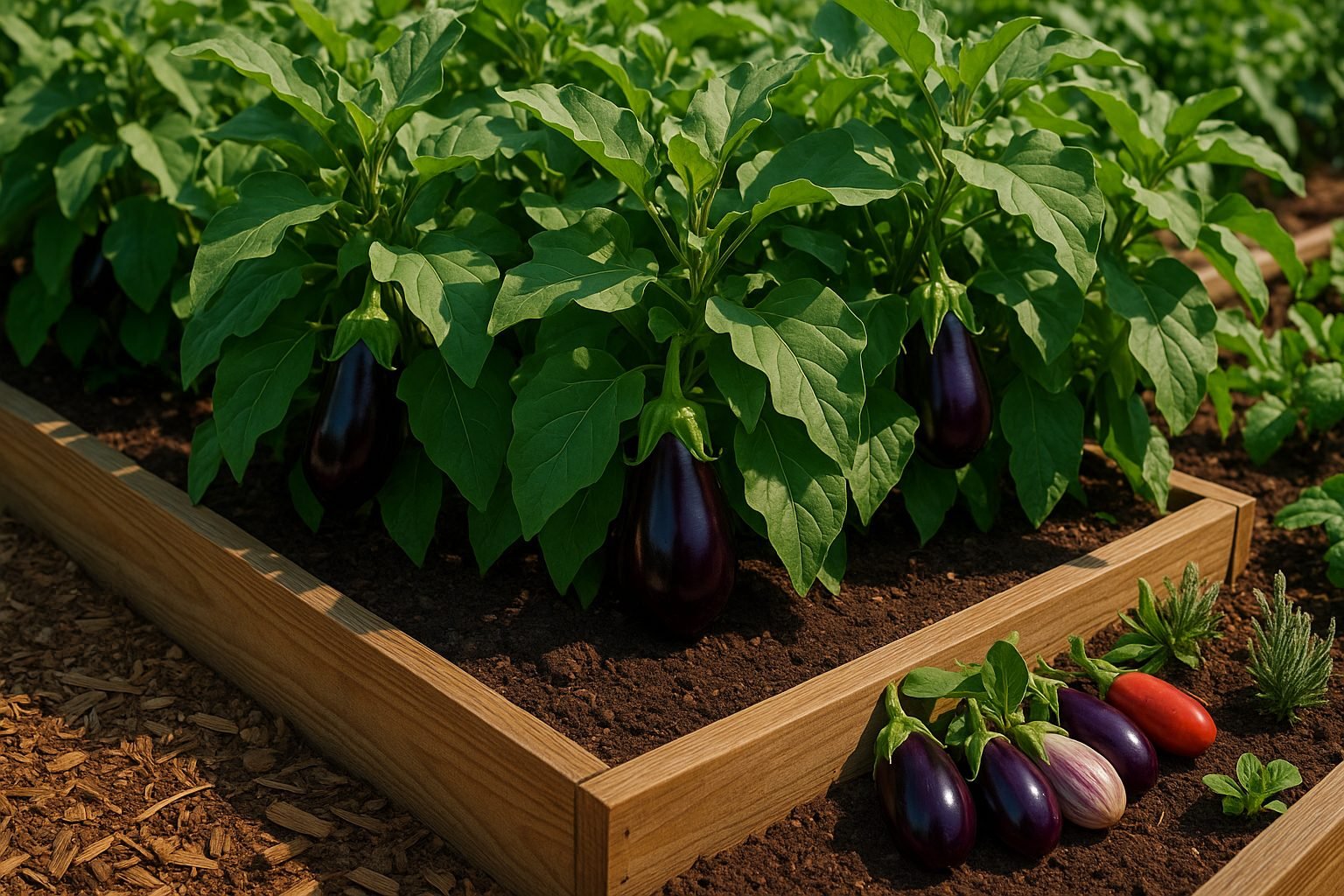
Introduction to Growing Eggplant in Raised Beds
Planning the optimal eggplant bed layout is the first step to a plentiful and hassle-free harvest. Eggplant is a nutritious and versatile vegetable, rich in fiber, antioxidants, and essential vitamins, making it one of the most rewarding crops to add to your garden. More and more home gardeners are discovering that raised bed gardening is the secret to successful eggplants—raised beds allow for better soil control, improved drainage, and easier weed management.
Whether you have limited space or challenging soil conditions, setting up a dedicated eggplant bed layout in raised beds can maximize your yields and simplify your gardening routine.
In this article, you’ll learn the best practices for designing and arranging your eggplant bed, including ideal spacing, companion planting ideas, and tips for maintaining healthy soil. We’ll walk you through real-world examples and actionable advice, from choosing the right location and bed materials to managing watering and pest prevention.
By the end, you’ll be equipped to create a thriving eggplant patch—no green thumb required. If you’re ready to transform your garden and enjoy delicious homegrown eggplants, read on to discover how to get started with your perfect DIY eggplant bed layout and design.
Why Choose Raised Beds for Eggplant?
Raised beds offer several key advantages for growing healthy, productive eggplants, making them a popular choice for both new and experienced gardeners. One of the biggest benefits is improved drainage; eggplants thrive in soil that isn’t waterlogged, and the elevation of a raised bed helps excess moisture escape more efficiently than in-ground gardens, reducing the risk of root rot.
Raised beds also give you control over soil quality, allowing you to create the ideal mix—rich in organic matter, loose, and well-aerated—which eggplants need for robust growth and ample fruit production. Temperature is another crucial factor: the soil in raised beds warms up more quickly in spring, giving eggplants, which prefer warm conditions, an early head start and a longer growing season.
Maintenance is simpler in raised beds thanks to their defined edges and elevation; weeding, staking, and pruning become less back-breaking, and pathways around the beds help keep your shoes (and your harvest) mud-free. Pests like cutworms and soil-dwelling grubs are also less of a problem since you can add protective barriers, and the contained space makes it easier to spot and remove invaders.
When it’s time to harvest, you’ll appreciate the ergonomic height, which means less bending and reduced strain on your back. By contrast, growing eggplants directly in the ground can lead to compacted soil, drainage challenges, and slower soil warming—all of which can stunt growth or delay fruiting. Plus, in-ground beds often make weed and pest control more cumbersome, and harvesting can be tougher on your knees and back.
For gardeners looking to maximize their eggplant success with less hassle, raised beds are a smart, practical upgrade to traditional gardening methods.
Selecting the Right Location and Preparing Your Raised Bed
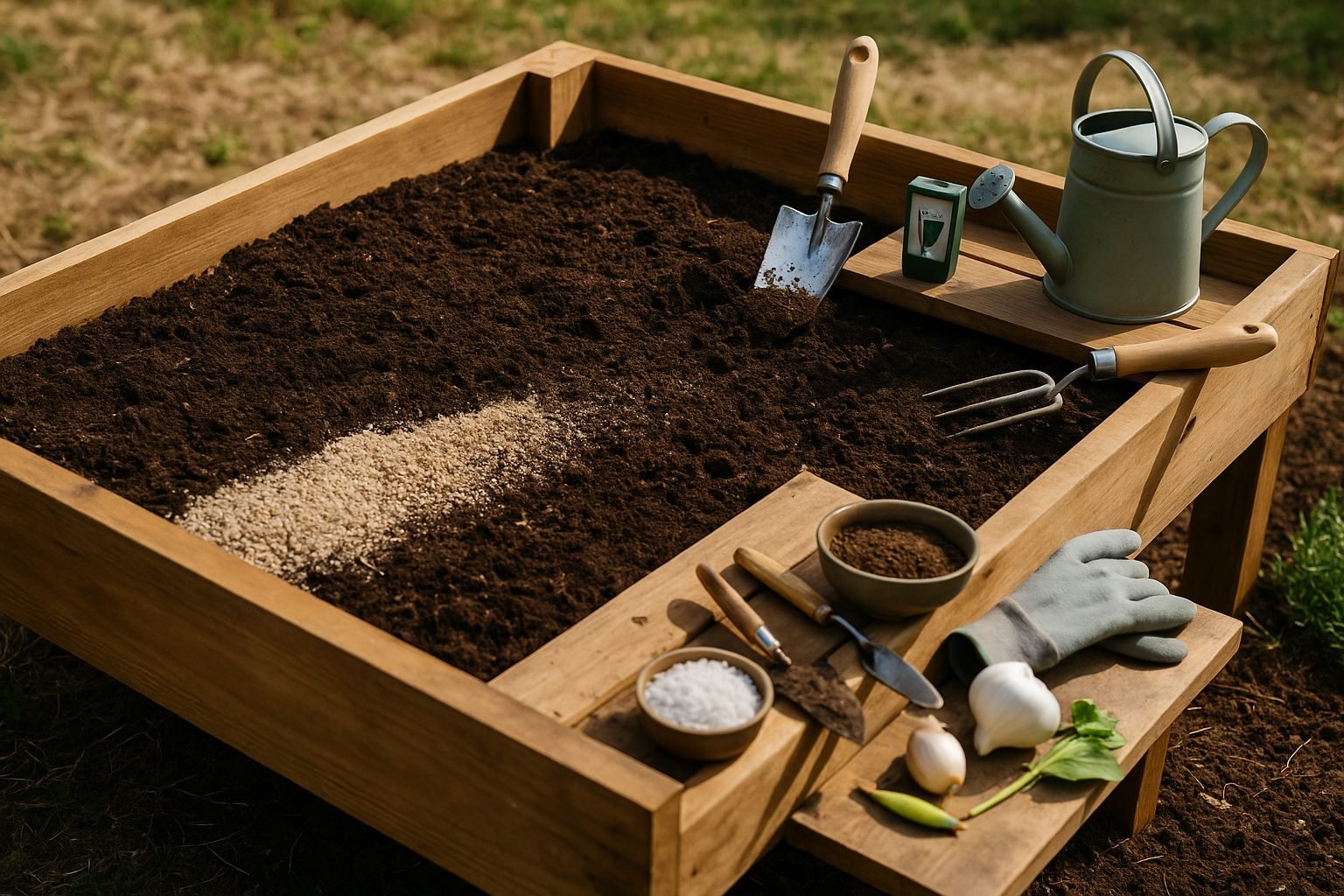
When choosing the perfect spot for your raised bed, prioritize an area that gets at least 6 to 8 hours of direct sunlight daily—eggplants thrive in bright, warm conditions, and insufficient light can stunt growth or reduce your harvest. Look for a location that stays relatively warm, as eggplants perform best when daytime temperatures hover between 70°F and 85°F.
Once you’ve picked your spot, focus on soil health. Eggplants love rich, well-draining soil with a slightly acidic to neutral pH, ideally between 6.0 and 6.8. Start by filling your raised bed with a mix of quality topsoil, compost, and a bit of sand or perlite to promote drainage. For a nutrient boost, work in a couple of inches of well-rotted compost or aged manure.
Before planting, test your soil’s pH using a simple home kit—if it’s too acidic, add a handful of garden lime; if too alkaline, mix in some peat moss.
Raised beds should be at least 12 inches deep to accommodate eggplants’ roots and wide enough (minimum 3 to 4 feet) so you can plant in rows while still reaching the middle of the bed. Space your eggplant seedlings 18 to 24 inches apart to ensure good airflow and reduce disease risk.
Finally, proper drainage is essential. If your bed sits on compacted clay or a non-permeable surface, add a layer of coarse gravel at the bottom or slightly elevate the entire structure. This helps prevent waterlogged roots, especially after heavy rains, and creates prime growing conditions for robust, healthy eggplants.
By thoughtfully selecting your raised bed’s location and preparing the soil well, you’ll set your eggplants up for a thriving, productive season.
Planting and Caring for Eggplant in Raised Beds
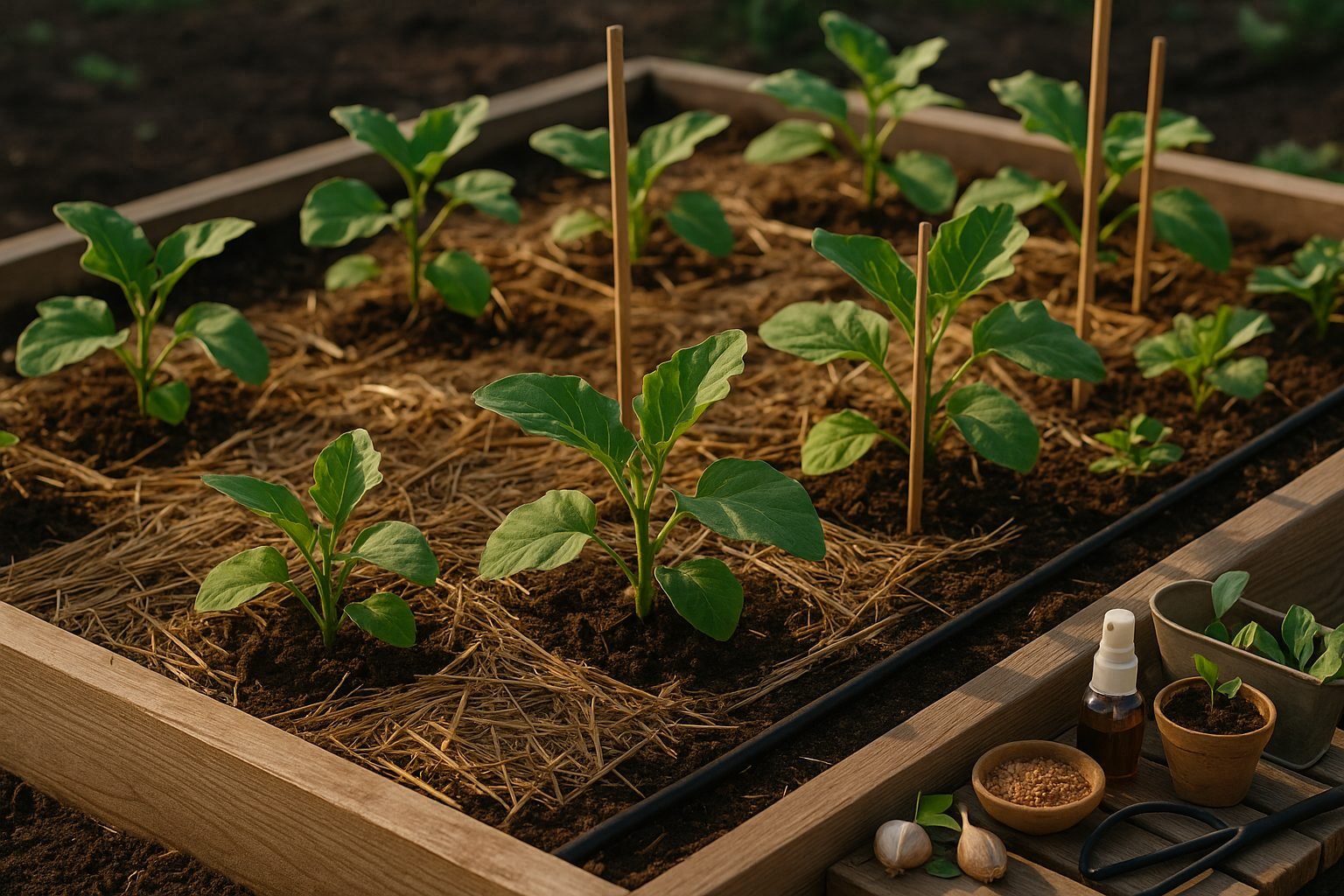
Growing eggplant in raised beds can simplify your gardening experience and result in healthier plants when you start with the right foundation. Begin by sowing seeds indoors 8-10 weeks before your last expected frost or purchase healthy seedlings from a reliable nursery.
Once nighttime temperatures consistently stay above 55°F and all risk of frost has passed, transplant the seedlings into your raised bed, spacing them about 18-24 inches apart to ensure good air circulation. Use a rich, well-draining soil mix, and consider amending it with compost or a balanced slow-release fertilizer before planting.
After transplanting, water thoroughly to settle the roots, and keep the soil consistently moist but never soggy; eggplants dislike both dry spells and waterlogged soil. Aim for deep but infrequent watering—typically 1 to 1.5 inches per week, adjusted for rainfall.
Mulching with straw, shredded leaves, or grass clippings helps retain moisture, suppress weeds, and regulate soil temperature, all especially helpful during the heat of summer.
Fertilize every 4-6 weeks during the growing season with a balanced organic fertilizer, or side-dress with compost to boost growth and fruit production.
Watch out for pests like flea beetles and aphids. Lightweight row covers early on can protect young plants, while regular checks and prompt removal help keep infestations under control.
Prune away lower leaves as the plant grows to improve airflow and minimize disease, and stake taller varieties to support their branches as fruits develop.
With regular care—watering, feeding, and mulching—eggplants in raised beds can thrive, producing glossy, flavorful fruits perfect for your summer recipes.
Managing Pests, Diseases, and Pollination
Eggplants are susceptible to a range of pests and diseases, but natural strategies can keep your plants healthy and productive.
One common pest is the flea beetle, recognizable by the tiny holes they chew in leaves. To deter them, try covering young plants with lightweight row covers or scattering diatomaceous earth around the base. Aphids and spider mites can also be problematic; spraying plants with a mix of water and a few drops of mild dish soap helps control these small insects.
For diseases, eggplants often face fungal issues like verticillium wilt or powdery mildew. Improving air circulation by spacing plants well, removing affected leaves, and watering at the base—rather than overhead—can significantly reduce the risk.
Raised beds are especially beneficial for eggplant growers because they provide better drainage and allow you to control the quality of soil, cutting down on soil-borne diseases and pests that thrive in wet or poorly drained ground. Regularly rotating crops in your raised bed also helps break pest and disease cycles.
For pollination, eggplants primarily rely on wind and bees, but giving your plants a little assistance can boost yields. Gently tapping the flowers or shaking the plant in the mornings can help release pollen, especially if you notice fewer bees around. You can also attract more pollinators by planting flowers like marigolds or borage nearby.
Combining these simple pest management and pollination tips keeps your eggplants thriving and reduces the need for chemical interventions, resulting in a healthier, more productive garden.
Harvesting and Enjoying Your Eggplant
Knowing when to harvest your eggplant is key to enjoying its best flavor and texture. Look for glossy, firm fruits with a uniform, rich color. The skin should bounce back when gently pressed, and the flesh should feel slightly soft but not spongy or hard. Dull, wrinkled skin means the fruit is overripe.
To harvest, use clean, sharp garden shears or a knife to clip the stem about an inch above the cap. Avoid twisting or pulling, as this can damage both the plant and fruit.
After picking, eggplants are best used fresh but can be kept in the refrigerator crisper drawer for up to a week. Wrap them in a paper towel and place inside a perforated plastic bag to prevent moisture buildup. If you have an abundant harvest, consider slicing and freezing eggplant after blanching, or try pickling for a unique twist.
When it comes to cooking, eggplant is incredibly versatile:
- Grill slices with olive oil and herbs
- Roast chunks for pasta dishes
- Cube and sauté for a simple stir-fry
Thanks to their ability to absorb flavors, eggplants are perfect for casseroles, dips like baba ganoush, or even as a meat substitute in classic recipes like eggplant Parmesan. By harvesting at the right time and handling your crop with care, you’ll ensure every eggplant meal is fresh, tender, and delicious.
Top Benefits of Growing Eggplant in Raised Beds
Growing eggplant in raised beds offers a bunch of benefits that can really boost your gardening experience and results. One of the biggest perks is improved yield—raised beds warm up faster in spring, letting you plant eggplants earlier and providing excellent drainage to keep roots healthy. This translates to vigorous growth and more fruit. From my own experience, eggplants in raised beds consistently outperformed those planted at ground level, both in size and number of fruits.
Raised beds also help keep weeds under control since you manage the soil and can start with a fresh, weed-free mix. This saves you time and effort during the growing season. Another major plus is healthier plants because you can customize the soil specifically for eggplants, adding plenty of organic matter to create the rich, loose soil these veggies thrive in. For example, in my friend’s garden, eggplants grown in well-amended raised beds suffered less from common soil-borne diseases and pests like flea beetles.
Plus, the elevated planting space makes it easier to spot and remove any troublemakers before they become a bigger problem. With sturdy sides and easier access, caring for eggplants is simply more convenient—especially if bending or kneeling is tough for you.
If you’re looking for bolder harvests with less hassle, give raised bed gardening a shot. It’s a total game-changer for eggplant lovers and definitely worth the initial setup.
Conclusion and Next Steps
Growing eggplant in raised beds is a fantastic way to boost your harvest, simplify maintenance, and enjoy healthier, more productive plants. Raised beds improve soil drainage, reduce weed problems, and make pest management easier.
By choosing the right eggplant variety, enriching your soil, and providing consistent watering and support, you can look forward to a rewarding crop. Getting started is simple—just pick a sunny spot, build or buy a raised bed, and plant your favorite eggplant seedlings.
Don’t be afraid to experiment and learn as you go; each season offers new opportunities to improve your garden. Ready to try it yourself? Share your questions or tips in the comments, and check out our related guides for more expert advice on growing vegetables in raised beds. Happy gardening!