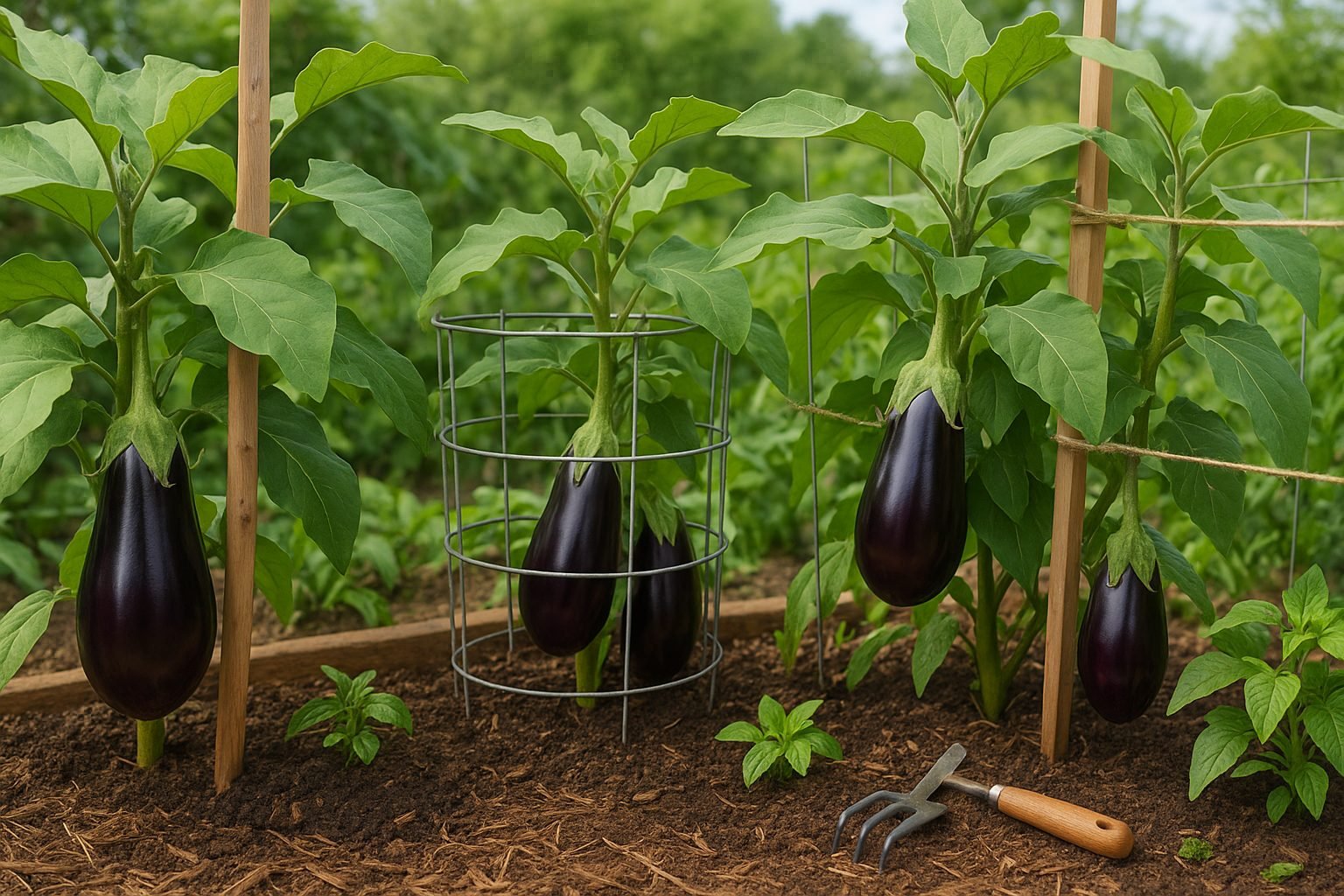
Why Eggplants Need Support
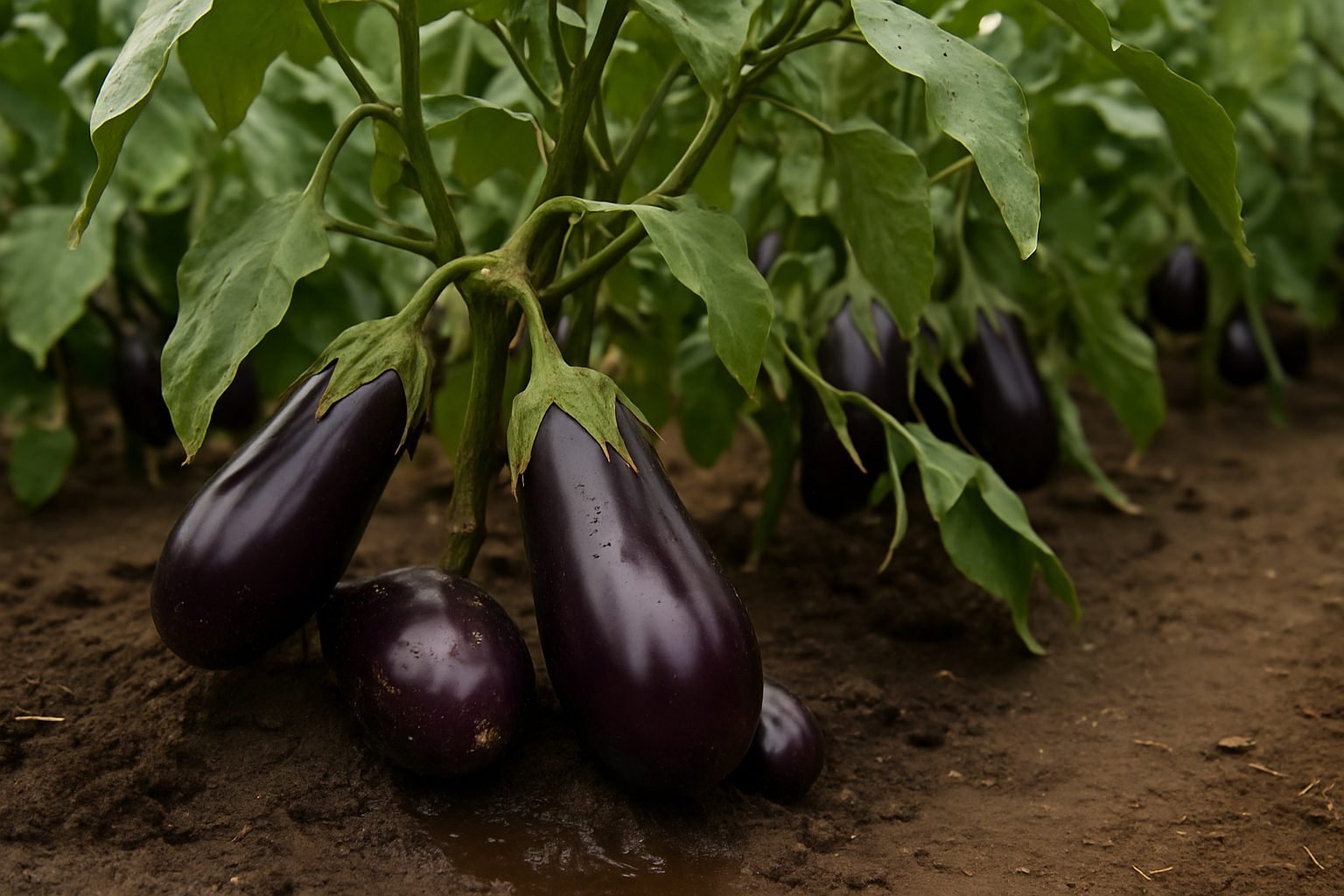
Support for eggplants is essential if you want thriving plants and abundant, blemish-free harvests. Despite their lush foliage and large, glossy fruits, eggplants can be surprisingly delicate when it comes to their stem and branch structure. While the plants may start out sturdy, the weight of developing fruits quickly adds up, pulling branches downward or even snapping them. Anyone who’s seen drooping, overloaded eggplant branches knows how easily they bend or break, especially after rainfall or windy days. Without proper support, those heavy, fruit-laden stems can end up sprawled across the soil, leading to all sorts of trouble.
The problems from lack of support go beyond simple breakage. When branches collapse under the load, eggplants may grow in awkward, distorted shapes, making them difficult to harvest and less appealing. Plus, fruits resting on wet soil are more likely to suffer from rot, blemishes, or pest attacks, since ground-dwelling insects find them easier to reach. Disease can also spread more quickly, with splashed mud introducing fungi or bacteria onto vulnerable fruit and leaves. Left unsupported, your eggplant plants become not only less productive but also more prone to setbacks—meaning all your careful gardening efforts could go to waste.
On the other hand, providing support for eggplants with cages, stakes, or string systems offers big rewards. Properly supported plants keep their branches upright, allowing fruits to get more sun, improved airflow, and remain clean and undamaged. You’ll notice less wasted fruit from rotting or bruising, and your yields may increase as healthier branches produce more flowers and, ultimately, more eggplants per plant. People who use tomato cages or tie eggplant branches to bamboo stakes rave about how much easier harvesting becomes and how much longer the plants keep producing. With just a little effort, you’ll enjoy beautiful, healthy plants and a tastier, cleaner harvest right through the season.
When to Start Supporting Eggplants
The best time to start supporting your eggplants is right after transplanting them into the garden or when the seedlings reach about 8 to 10 inches tall. Early staking or caging is key because young stems are still flexible and easy to train. Trying to add support later risks damaging roots and snapping brittle branches.
As your plants grow, watch for visual cues like the appearance of the first flowers or the beginnings of fruit setting. These signals mean the branches will soon bear more weight, so adding stakes or cages at this stage helps your plants adjust before the stems have to support heavy fruit.
If you delay installing supports until your eggplants are loaded with flowers or fruit, you risk the branches bending, breaking, or even lying flat on the ground. This not only causes physical damage to the plant but also increases the chances of fruit rotting or being eaten by pests when it touches the soil.
To save yourself trouble later, make support a part of your early planting routine, and check every week as your eggplants grow. The small amount of effort now pays off with healthier plants and better harvests down the line.
Best Eggplant Support Methods
Supporting your eggplants properly keeps the fruit off the ground and reduces disease risk, making a big difference in both yield and plant health. The most common support methods are staking, caging, and trellising.
Staking
Staking is straightforward: for single staking, drive a sturdy wooden or metal stake about 2 inches from the main stem and loosely tie the plant as it grows, adding more ties as needed. This works well for tall, standard varieties but may not support side branches effectively.
Double staking involves placing two stakes on either side of a plant and running soft twine around both, creating a sandwich of support. This offers more stability for larger, heavier-fruiting types, though it can be a bit more labor-intensive.
Caging
Caging uses a tomato cage or a homemade wire cage placed over the young plant. As the eggplant grows, the thick mesh holds up both the main stem and side branches. Cages are excellent for bush or dwarf varieties, require little ongoing maintenance, and prevent sprawling, but they can limit access for harvesting.
Trellising
Trellising works well in larger gardens or for multiple plants. Install two rows of stakes or posts several feet apart and stretch horizontal wires or twine between them at intervals of 12 to 18 inches, weaving stems through the supports as they grow. Trellises provide excellent airflow and support for heavy fruit but need regular attention to tie or tuck in stems.
Choosing the Right Support
- Bush and dwarf eggplants thrive in cages.
- Standard or large-fruited varieties benefit from double staking or trellising.
When setting up, always insert supports at planting time to avoid damaging roots, and use soft ties like cloth strips or garden tape to prevent injuring stems. No matter which method you choose, check your plants weekly to add ties, guide growth, and harvest often—healthy, well-supported eggplants are easier to care for and produce cleaner, more abundant fruit.
Step-by-Step: How to Stake or Cage Your Eggplants
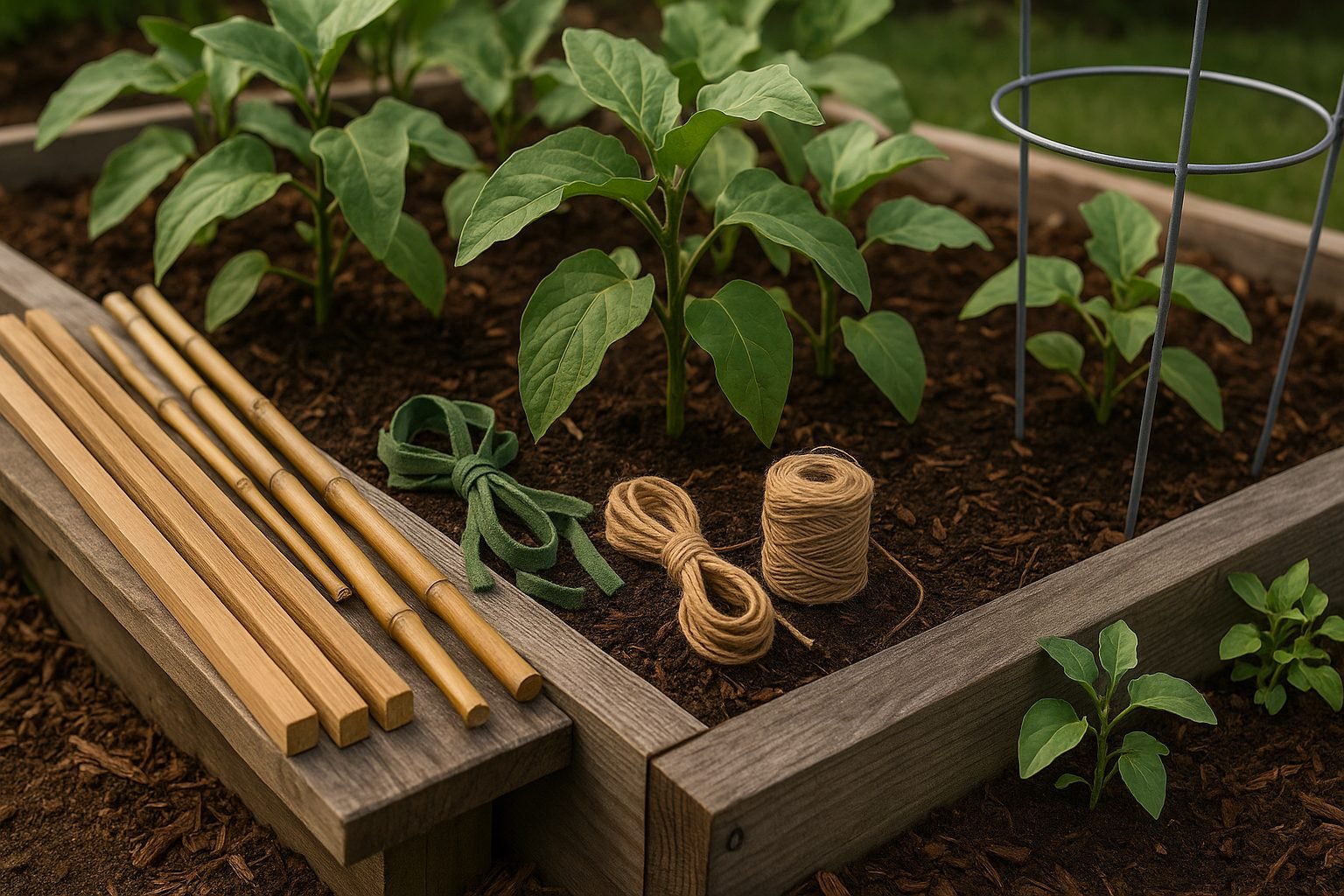
Staking or caging eggplants is an easy way to keep your plants healthy and the fruit off the ground. To get started, gather materials like sturdy garden stakes (wood, bamboo, or metal), soft plant ties or garden twine, and if you prefer caging, a tomato cage or wire mesh cage about 18-24 inches in diameter.
For staking, push the stake 2-3 inches from the base of young eggplant seedlings, being careful not to damage the roots. Do this when plants are about 8-10 inches tall. As the plant grows, loosely tie the main stem to the stake every 6-8 inches using soft ties, old T-shirt strips, or Velcro garden tape. Make sure the ties are snug enough to support the plant but loose enough to allow growth so the stems aren’t constricted.
If you opt for a cage, place it over the young plant early on, gently guiding the growing stems inside as needed.
As eggplants develop and get heavier, check your supports weekly, especially after storms or rapid growth spurts. Re-tie or add new ties as necessary, always leaving room for the plant to expand, and reposition any stems that have outgrown the support.
Keeping the supports in place until the end of the growing season helps prevent broken branches and keeps fruit cleaner for an easier harvest. With a little time and the right tools, your eggplants will thrive without drooping or breakage, leading to a healthier harvest.
Troubleshooting: Common Support Problems and Solutions
Gardeners often face issues like collapsed stakes, snapped stems, or tilting plant supports, especially after heavy rain or windy days. If your stakes fall over, first check if they’re anchored deeply enough—ideally, at least one-third of the stake should be underground. Replace weak wood with sturdier bamboo, metal, or recycled plastic alternatives for better durability.
For snapped stems, act quickly: gently tie the broken part to a secure adjacent stake using soft plant ties or cloth strips. This helps the plant recover while minimizing further injury. If you notice supports starting to tilt, realign them and press the soil firmly around the base. Add extra support with guy-lines or an additional stake angled against the prevailing wind.
Consistent monitoring is key—walk through your garden after storms or strong winds, and inspect ties to make sure they’re snug but not cutting into the stems as the plants grow. During rapid growth or fruit set, check weekly to see if heavier sections need extra bracing. Mark your calendar for a mid-season support check-up, and keep a stash of ties and extra stakes on hand for quick fixes.
With these practical tips and a little regular attention, you’ll keep your plant supports steady and your garden thriving all season long.
Harvesting and Ongoing Care for Supported Eggplants
Supporting your eggplants with stakes, cages, or trellises isn’t just about keeping plants upright—it also makes harvesting easier and helps you grow better-quality fruits. With supported plants, the eggplants hang off the ground, which means they’re cleaner, less likely to rot or get munched on by pests, and easier to spot among the foliage.
This also reduces the risk of bending or snapping stems when you harvest, since the weight of the fruit isn’t pulling down on the plant.
For harvesting, always use a clean, sharp knife or garden scissors, and cut the eggplant off with a short stem attached. Avoid twisting or yanking, which can damage the plant and nearby developing fruit. Hold the branch gently with one hand while you cut with the other, and try not to bruise the remaining leaves or stems; this will help the plant keep producing.
At the end of the season, after your final harvest, it’s important to remove all supports and clean them well. Wash stakes or cages with a mild bleach solution or soapy water to kill off any lingering plant diseases, then let them dry thoroughly before storing.
Also, clear away all plant debris and mulch from the beds to reduce the chances of pests or diseases overwintering and infecting next year’s crop. If you plan to grow eggplants in the same spot, consider loosening the soil and adding compost or older organic matter to refresh the bed.
Taking these extra maintenance steps at the end of the season not only protects your investment in supports but also sets you up for a healthier, more productive eggplant patch the following year.