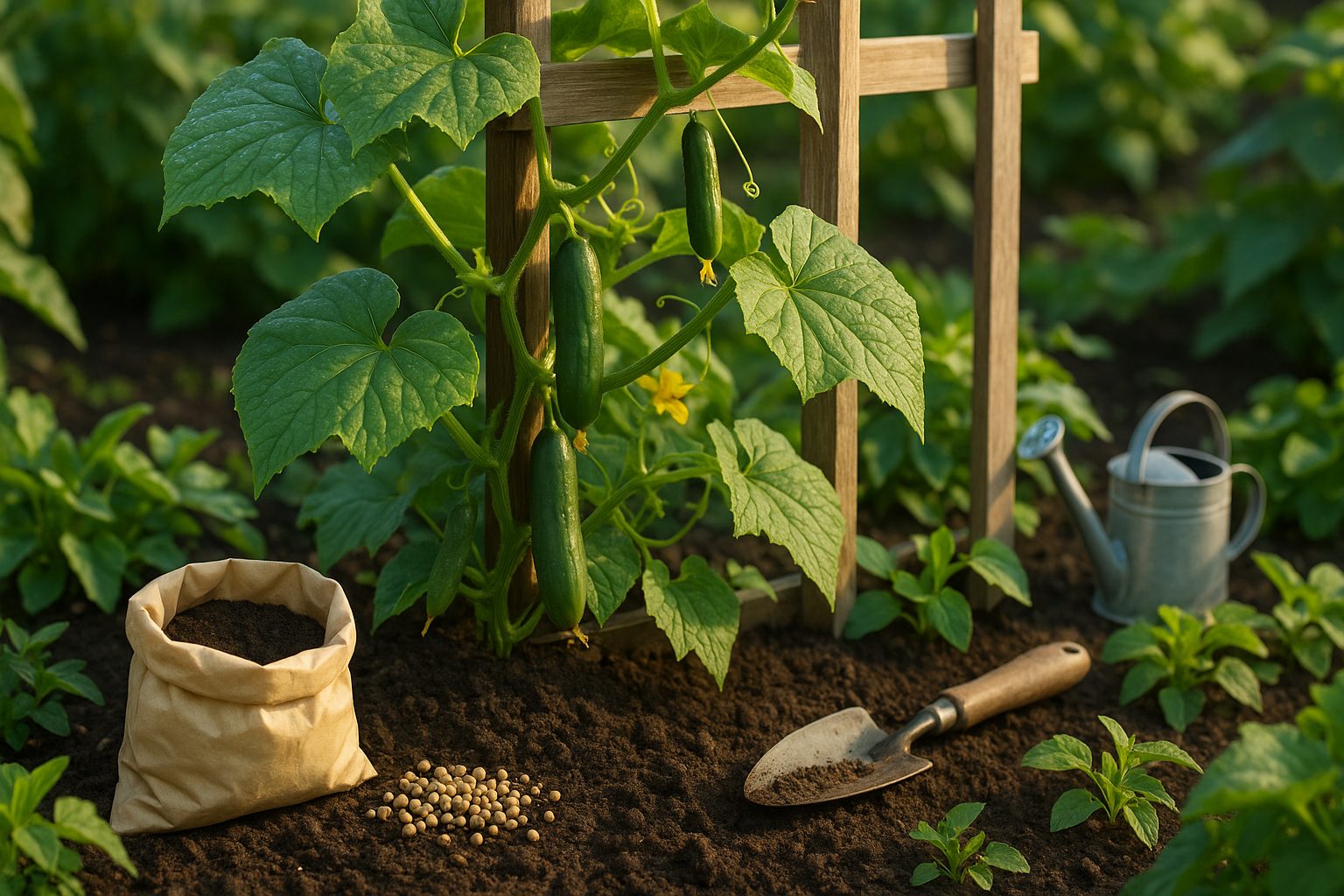
Introduction to Cucumber Fertilization
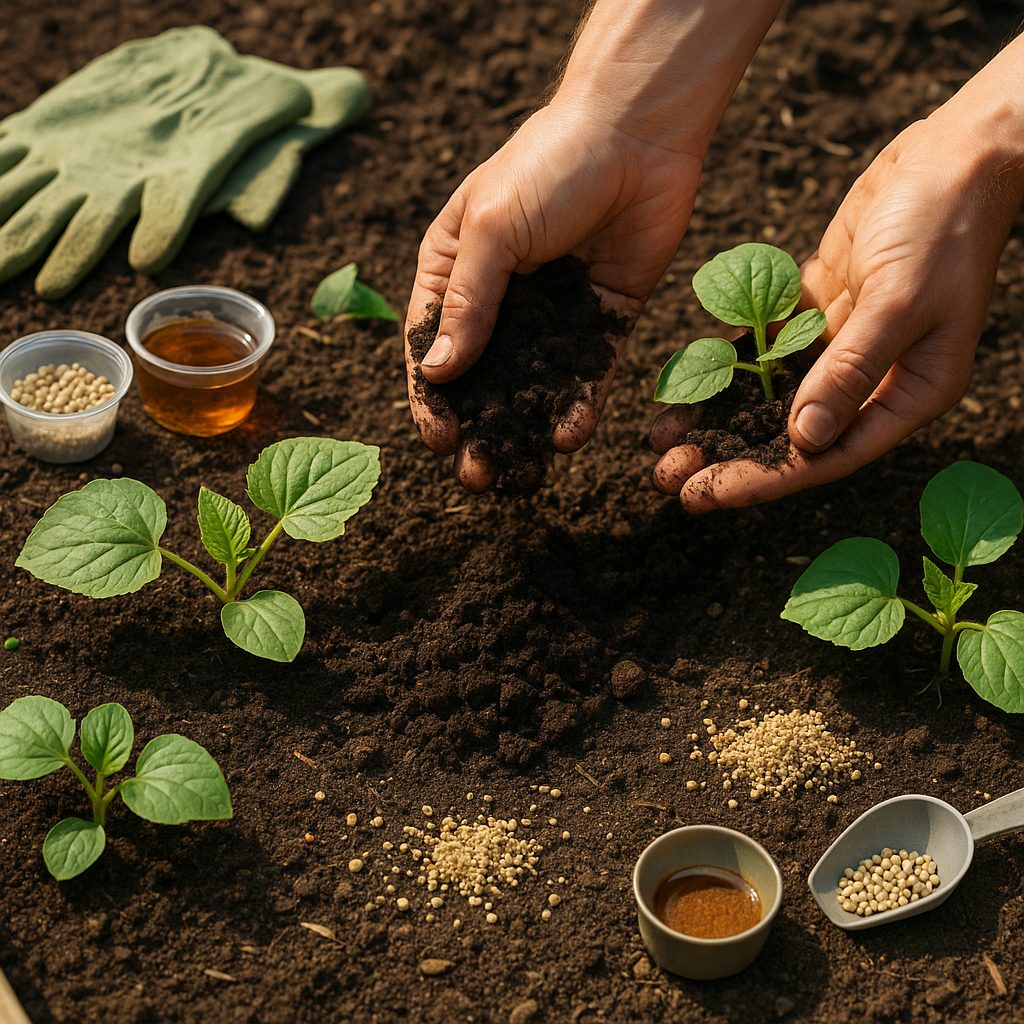
Fertilizing cucumbers is a crucial step in ensuring your plants thrive and deliver a bountiful harvest. Whether you’re an experienced gardener or just getting your hands dirty for the first time, understanding how and when to feed your cucumbers can make the difference between a mediocre crop and a bumper yield.
Cucumbers are fast-growing, nutrient-hungry plants that depend on the right balance of fertilizers at each stage of their life cycle, from germination to fruiting. Over- or under-fertilizing can lead to poor growth, low yields, or even pest and disease problems. That’s why it’s important to know exactly what your cucumbers need—and when they need it.
In this article, we’ll dive into why fertilization matters, identify the key nutrients cucumbers require at different growth phases, and break down step-by-step fertilization schedules. You’ll also pick up tips on organic vs. synthetic options, learn to spot nutrient deficiencies, and find answers to common fertilizing questions.
Ready to help your cucumber plants flourish? Let’s get started with the basics of cucumber fertilization and move toward practical, proven strategies for a thriving garden.
Why and When Do Cucumbers Need Fertilizer?
Cucumbers are fast-growing, heavy feeders compared to many other garden vegetables, which means they need a steady supply of nutrients to thrive. Unlike root crops like carrots or beets that don’t require as much nitrogen, cucumbers need a balanced mix of nitrogen, phosphorus, and potassium for vigorous vine growth, abundant flowering, and tasty fruits.
Proper fertilization is crucial because it leads to greener, healthier plants, boosts yields, builds resistance to common diseases like powdery mildew, and produces cucumbers with a crisp texture and richer flavor. Without enough nutrients, cucumbers can become stunted, pale, or produce bitter fruits.
Best Fertilizing Practices for Cucumbers
The best approach is to start with nutrient-rich soil by mixing in compost or well-rotted manure a week or two before planting. About two weeks after the seedlings emerge, apply a balanced fertilizer (like 10-10-10) to encourage strong leaf and vine growth.
As the plants begin to flower and set fruit, switch to a fertilizer that is slightly higher in potassium and phosphorus to support fruit development; too much nitrogen at this stage can promote leaf growth instead of cucumbers.
Feeding every 3-4 weeks throughout the growing season and applying water-soluble fertilizer directly to the soil for quick uptake helps ensure steady nutrition. Always water after fertilizing to avoid root burn.
Following these steps will keep your cucumber vines healthy and productive well into the summer.
Choosing the Best Fertilizer for Cucumbers
When growing healthy, productive cucumber plants, choosing the right fertilizer is crucial. Cucumbers are heavy feeders that thrive on a balanced diet of nitrogen (N), phosphorus (P), and potassium (K), plus important micronutrients like magnesium, calcium, and boron.
Organic fertilizers, such as compost and well-rotted manure, offer slow-release nutrients and improve soil structure, making them ideal for gardeners seeking a chemical-free approach. They enrich the soil microbiome, which helps plants resist disease, but their nutrient content is variable and may not meet fast-growing cucumbers’ needs alone.
In contrast, synthetic fertilizers provide a quick, predictable nutrient boost and can be tailored to cucumbers’ specific requirements—look for formulas like 5-10-10 or 10-10-10, which supply essential nutrients in balanced proportions. However, overuse of synthetics can lead to salt buildup in the soil and harm beneficial microbes.
Liquid feeds are handy for a quick nutrient fix during flowering and fruiting, but granular formulations are better for a steady, season-long supply.
When shopping for fertilizers, always check the label for the NPK ratio—higher nitrogen encourages leafy growth, but excess can stunt fruiting. Opt for a more balanced ratio once flowers appear. Also, pay attention to any included micronutrients like magnesium or calcium, which prevent common cucumber issues such as blossom end rot.
Finally, for the most sustainable approach, start with rich organic matter, supplement with targeted liquid or granular feeds as needed, and follow package instructions to avoid over-fertilizing. By understanding your plants’ nutrient needs and interpreting fertilizer labels, you can help your cucumbers thrive and enjoy a bountiful harvest.
How to Fertilize Cucumbers: Step-by-Step Guide
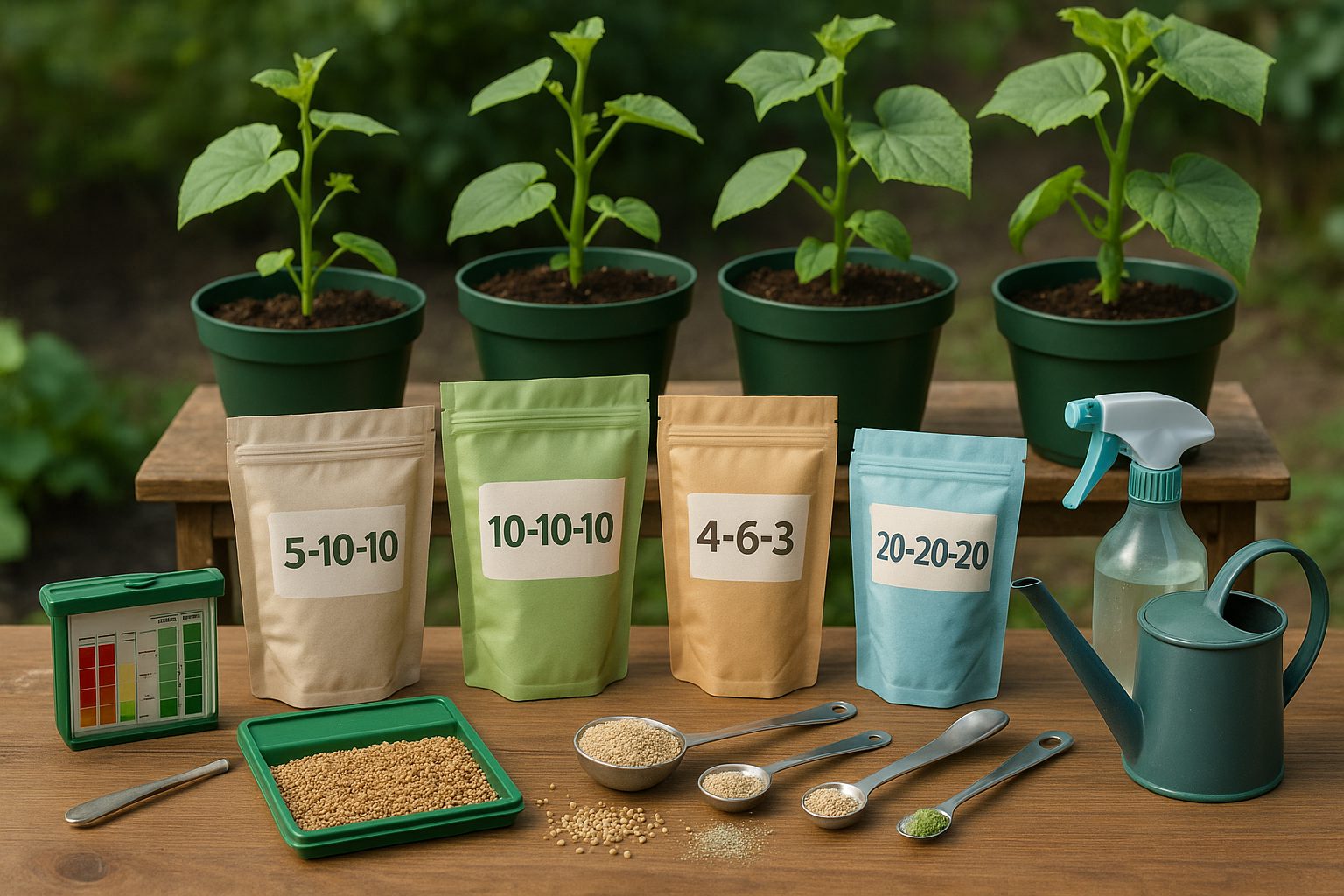
Before planting cucumbers, start by testing your soil to check pH and nutrient levels—most garden centers offer easy-to-use kits. Aim for a slightly acidic to neutral pH (6.0–7.0) for the best results.
Mix in a base fertilizer rich in compost or well-rotted manure to prepare the soil, giving cucumbers a nutrient-rich environment from the start. If planting in the ground, work about 2–3 inches of organic matter into the top 6 inches of soil. For container-grown cucumbers, use a high-quality potting mix blended with a slow-release fertilizer.
Once seedlings are about 3–4 inches tall, side-dress them by gently working granular fertilizer into the soil around each plant, then water it in.
As your cucumbers begin to flower, switch to a balanced liquid fertilizer every 10–14 days, or choose a low-nitrogen, high-potassium formula to encourage more blooms and fruit.
During fruiting, continue regular feedings but reduce nitrogen to avoid leafy plants with few cucumbers.
To prevent over-fertilization, always follow package instructions, measure fertilizer carefully, and watch for signs of nutrient burn like yellowing leaves or scorched edges. If you notice these symptoms, flush the soil with water to dilute excess nutrients.
Remember, cucumbers are sensitive to salt buildup, so water deeply and consistently, especially in containers. Regularly check plant growth and adjust your feeding schedule if you see weak or pale foliage.
With the right care and routine, your cucumbers will reward you with plenty of crisp, delicious fruits all season long.
Special Tips for Container-Grown Cucumbers
Container-grown cucumbers have different fertilization needs than those grown in the ground because their roots are confined and rely solely on what you provide. Unlike garden cucumbers, they can’t pull nutrients from the surrounding soil, so it’s crucial to use a high-quality, balanced fertilizer (such as 10-10-10 or one specifically labeled for vegetables) right from the start.
Begin by mixing slow-release fertilizer granules into your potting mix at planting, then supplement with a liquid fertilizer every two to three weeks as the plants grow. Be cautious not to overfeed; too much fertilizer in a small space can cause salt buildup, which harms roots and stunts growth. To prevent this, periodically flush the container with plain water to remove excess salts, especially if you notice white crust on the soil surface.
Consistency is also key—container cucumbers need watering almost daily in hot weather since pots dry out quickly. However, be careful not to let them sit in soggy soil, as their roots will rot. Always choose pots or grow bags with drainage holes, and place them on a surface where excess water can escape.
Even moisture and regular feeding, paired with great drainage, mean healthier vines and a bigger harvest from your potted cucumber patch.
Common Problems and Troubleshooting
Fertilizing mistakes can show up through telltale symptoms in your plants. Over-fertilization often leads to yellowing or browning leaf edges, wilting, or a white crust on the soil—signs that the roots are burned or overwhelmed by salts. On the other hand, under-fertilized plants may look pale, especially the older leaves, show stunted growth, or produce fewer and smaller flowers and fruit than expected.
If you spot over-fertilization, flush the soil thoroughly with plain water to wash away excess nutrients, and hold off on feeding for a few weeks. For under-fertilized plants, try a gentle, balanced liquid feed to kickstart growth, being careful not to overdo it.
If you prefer natural approaches, compost tea, worm castings, fish emulsion, and diluted seaweed extract are excellent alternatives to synthetic fertilizers. These not only feed your plants but also improve soil health over time. Making your own compost or collecting fallen leaves to mulch around plants will provide a slow, steady nutrient release and keep your garden thriving naturally.
Regularly observing plant color and growth helps catch and correct problems early, saving you time and headaches in your garden.
Conclusion and Expert Tips for Healthy Cucumber Harvests
Fertilizing cucumbers properly is all about timing, balance, and paying close attention to your plants’ needs. Start with a well-balanced fertilizer that’s high in phosphorus and potassium when planting, then boost with nitrogen once the vines begin growing.
Expert growers recommend avoiding fertilization during prolonged heat waves, as plants under stress can be damaged by added nutrients. Instead, water deeply and wait for cooler weather.
Another common pitfall is over-fertilizing, which can lead to lush leaves but few fruits. Regularly check your cucumber plants for signs of nutrient deficiencies, such as yellowing leaves or stunted growth, and adjust your feeding routine as needed.
Be sure to watch for pests and monitor soil moisture, too—a holistic approach helps ensure a steady supply of crisp, healthy cucumbers. Remember, garden conditions can change, so stay flexible and make adjustments as you observe how your plants respond throughout the season.