Introduction
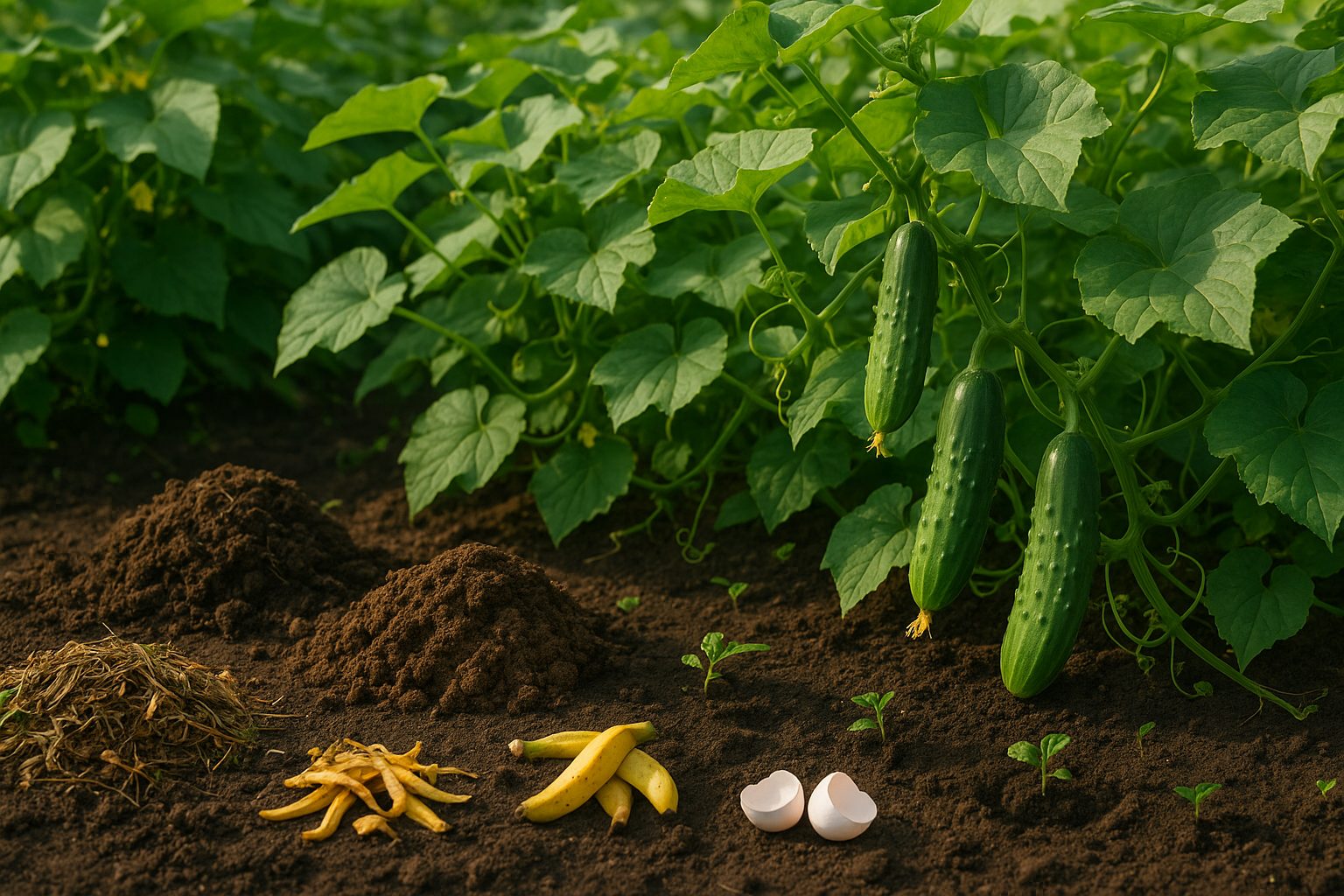
Growing crisp, flavorful cucumbers starts with giving your plants the right nutrients—making the choice of organic fertilizer absolutely critical. Gardeners know that proper fertilization is the key to healthy vines and bountiful harvests, but with so many fertilizer types and opinions out there, it’s easy to feel overwhelmed about which method is best for your patch.
Get it right, and you’ll enjoy vigorous growth, deep green leaves, and an impressive yield throughout the season. Get it wrong, and you may face yellow leaves, stunted fruits, or low productivity.
This guide dives into tried-and-true organic fertilizer recipes for cucumbers, simplifying your options and explaining what each nutrient does. You’ll discover easy blends you can make at home using kitchen scraps, compost, and natural amendments, along with practical tips for when and how to apply them. Let’s ensure your cucumbers get exactly what they need, the natural way!
Essential Nutrients for Cucumbers
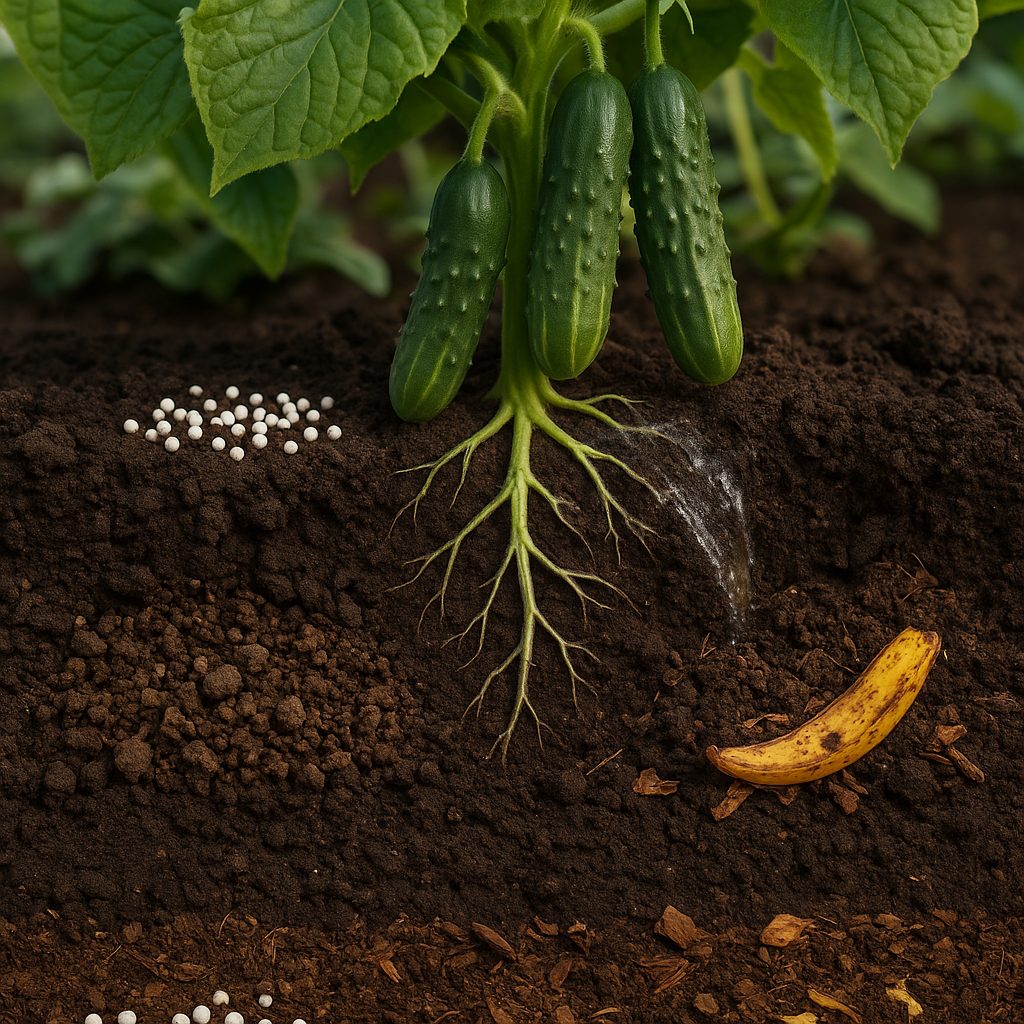
Cucumbers thrive when they receive the right balance of essential nutrients, with nitrogen (N), phosphorus (P), and potassium (K) being the key players in healthy growth and abundant fruit production.
Nitrogen is vital for leafy, vigorous growth. Without enough nitrogen, cucumber leaves turn pale green to yellow, and the plants may become stunted. Phosphorus supports strong root development and encourages early flowering and fruit setting. If you notice slow growth, purplish tints on leaves, or few flowers, phosphorus might be the missing nutrient.
Potassium is crucial for overall plant health. It enhances disease resistance and helps develop firm, tasty cucumbers. Deficiencies in potassium often show up as yellowing leaf edges, browning tips, and poor fruit quality—such as soft, misshapen, or bitter cucumbers.
To avoid these issues, use a balanced fertilizer formulated for vegetables and regularly check your soil quality. Compost or aged manure can provide a natural nutrient boost. Keeping an eye on changes in leaf color or fruit quality allows you to address problems before they impact your harvest.
Remember, cucumbers are heavy feeders, so consistent feeding paired with good watering practices can make all the difference in growing crisp, flavorful crops.
Types of Fertilizers for Cucumbers
When it comes to feeding your cucumbers, the main types of fertilizers to consider are granular, liquid, synthetic, and organic—each with its own benefits and drawbacks.
Granular fertilizers are solid pellets or powders that you mix into the soil. They’re convenient for gardeners who prefer a set-it-and-forget-it approach, releasing nutrients slowly over time. However, they can be tricky to spread evenly and aren’t ideal for quick fixes.
Liquid fertilizers come in concentrated bottles, which you dilute with water and apply directly to the soil or as a foliar spray. These are perfect if your cucumbers need a nutrient boost during critical growth stages, but they require more frequent applications since nutrients wash away faster.
Synthetic fertilizers are manufactured to deliver precise doses of essential nutrients, making it easy to address deficiencies or promote rapid growth. However, overusing them can harm soil health and local waterways, so it’s important to stick to the recommended doses to avoid burning your plants.
Organic fertilizers—like compost, aged manure, or fish emulsion—are derived from natural sources. They nourish soil microbes and improve soil structure over time, providing a gentler, long-term way to feed your cucumbers. While they may act more slowly than synthetics and can be pricier or smellier, they support sustainable gardening practices.
When choosing between these options, consider your garden’s soil type, the time you have available, and your personal values. For hands-off maintenance or poor soils, granular or slow-release fertilizers may work best. Liquid fertilizers shine in containers or during periods of rapid cucumber growth. Organic methods suit those focused on sustainability, especially if you’re building healthy soil for seasons to come.
Don’t forget to test your soil before fertilizing—knowing your starting point helps you pick the right product and apply only what your cucumbers actually need.
When and How to Fertilize Cucumbers
Fertilizing cucumbers at the right times and in the correct way can make all the difference for healthy, productive plants.
Before planting, mix a balanced granular fertilizer or compost into your garden soil or potting mix to give seeds or seedlings a nutrient-rich start.
As the first true leaves appear (early growth), lightly side-dress plants with a nitrogen-rich fertilizer—simply sprinkle it around the base, keeping a few inches away from the stems. Then, gently mix it into the top inch of soil and water thoroughly.
Once your cucumbers begin to flower, switch to a fertilizer higher in phosphorus and potassium, as this helps encourage more blossoms and healthy fruit set. You can use a liquid formula every two to three weeks or a slow-release granular one according to package directions.
During the fruiting stage, continue with a phosphorus/potassium-rich fertilizer but reduce the frequency to every three weeks. Watch for signs of over-fertilization, like burnt or yellowing leaves.
For containers, remember soil nutrients wash out faster—feed lightly but more often, such as with a diluted liquid fertilizer every two weeks from early growth to the end of harvest.
Always water well before and after applying any fertilizer to help nutrients absorb and prevent root burn. Less is often more: if your plants are dark green and growing vigorously, hold off on extra feedings.
If in doubt, use a soil test to gauge existing nutrient levels and stick to labeled amounts; excessive fertilizer can stunt growth or reduce yields.
With a simple, attentive approach, you’ll set your cucumbers up for a rewarding season.
Organic and Homemade Fertilizer Solutions
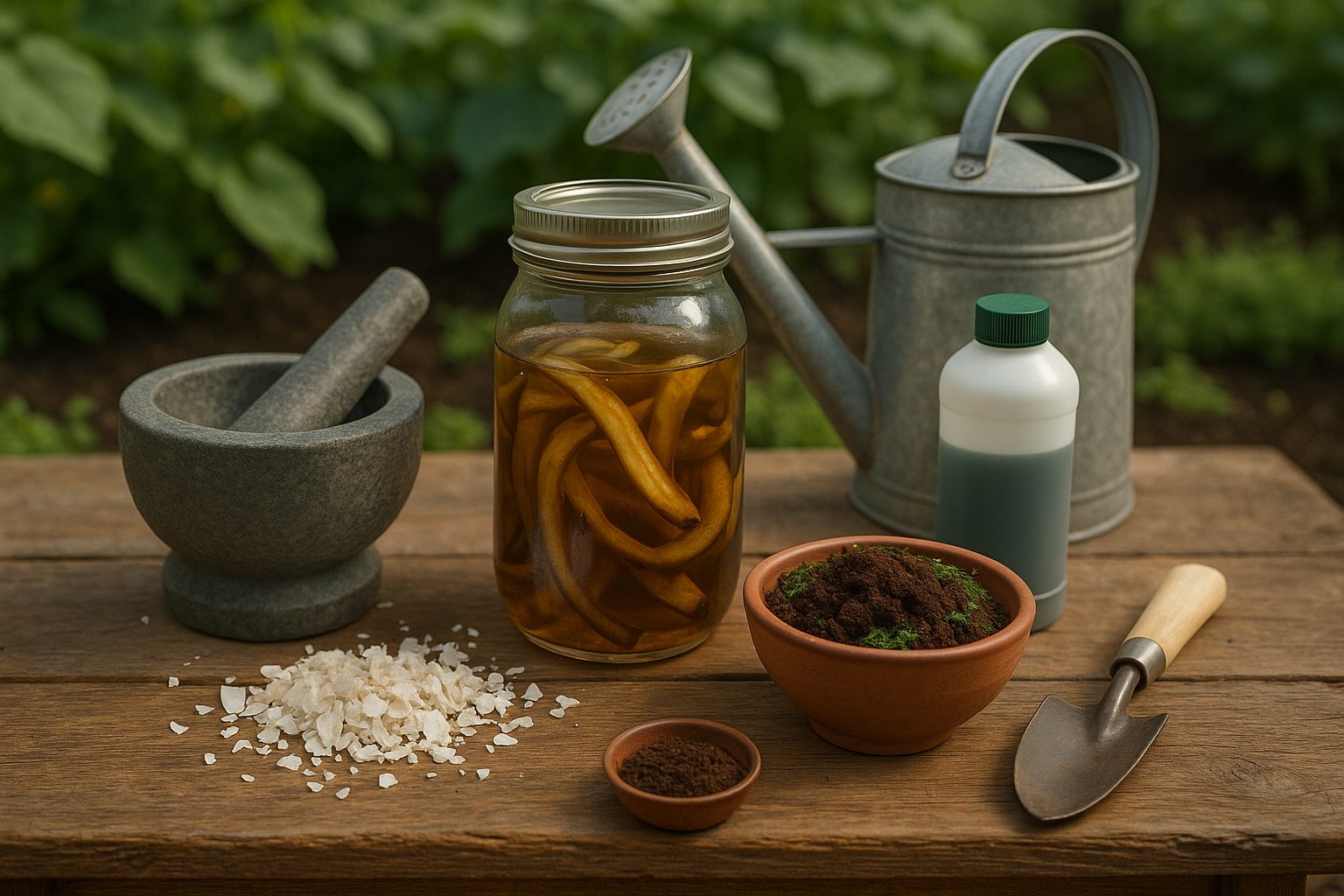
When it comes to feeding your cucumber plants, organic and homemade fertilizers offer a safe, economical, and sustainable option. Classic organic choices like well-rotted compost and manure add not only nutrients but also improve soil texture and water retention.
For a quick nutrient boost, many gardeners turn to fish emulsion or liquid seaweed, which are easily absorbed and packed with micronutrients. Just dilute these according to label instructions to prevent overfeeding.
If you prefer DIY solutions, a simple homemade fertilizer can be made by steeping banana peels in water for a few days. Banana peel tea adds potassium, which cucumbers love, while crushed eggshells sprinkled into the soil gently raise calcium levels to help prevent blossom end rot.
Another easy option is a balanced mixture of used coffee grounds and grass clippings, providing slow-release nitrogen and organic matter. However, no matter the method, it’s vital to start with small doses and watch your plants’ reactions; over-fertilizing can cause leaf burn or stunted growth.
Always incorporate homemade fertilizers into well-watered soil and avoid applying them directly to plant stems or leaves. Rotate your feeding schedule—every two to four weeks during the growing season is usually enough for cucumbers—and rely on organic mulches to retain moisture and enrich the soil gradually.
By combining these organic and homemade approaches thoughtfully, you can encourage lush, productive cucumber plants without risking chemical buildup or harming your garden ecosystem.
Soil Preparation and Pre-planting Fertilization
Proper soil preparation is key to a successful cucumber harvest. Start with a simple soil test to check pH, nutrient levels, and texture. Kits are available at garden centers or through cooperative extensions, and they help you know exactly what your soil needs.
For cucumbers, aim for a pH between 6.0 and 6.8, as this range makes essential nutrients most available. If your soil is too acidic, add lime; if it’s too alkaline, sulfur can help.
Next, remove weeds and work the soil to a depth of 8–10 inches to improve drainage and root penetration. Mix in several inches of well-rotted compost or aged manure, which not only boosts fertility but also enhances soil structure, making it easier for roots to access water and nutrients. Avoid using fresh manure, as it may contain pathogens and weed seeds.
Pre-planting fertilization is best done by broadcasting a balanced, slow-release granular fertilizer—ideally one formulated for vegetables. Spread it evenly over your bed and gently rake it into the top few inches of soil. Alternatively, for an extra boost, side-dress the rows with aged compost or an organic fertilizer blend rich in phosphorus and potassium.
If your soil is heavy clay or very sandy, amend accordingly:
- Add organic matter to clay soil for better drainage
- Add organic matter to sandy soil for improved moisture retention
Paying attention to these details helps ensure your cucumbers get the strongest start, allowing them to fully benefit from the nutrients in the soil throughout the growing season.
Common Fertilizing Mistakes and How to Avoid Them
One of the most common fertilizing mistakes is over-fertilization, which can burn plant roots and even stunt growth instead of boosting it. Gardeners sometimes think more is better, but feeding plants too often can actually create imbalances in the soil.
Another pitfall is applying fertilizer at the wrong time; for example, fertilizing right before a heavy rain could wash away nutrients, wasting money and effort. Using the wrong type of fertilizer—like a high-nitrogen formula for flowering plants—can also hinder blooms.
To avoid these issues, start by observing your plants closely for signs of nutrient deficiency or stress, such as yellowing leaves or poor growth. Test your soil if possible to understand what nutrients are really needed. Always follow label instructions, and adjust your schedule based on the specific needs of each plant species—many thrive on less frequent feeding or require nutrients at different life stages.
Remember, healthy plants often need less intervention, so pay attention to how your garden responds over time and don’t be afraid to adapt your fertilizing routine. Taking a mindful, observation-based approach helps ensure you’re providing just what your plants need for vigorous, balanced growth.
Conclusion
Mastering effective fertilization is key to growing healthy, productive cucumbers, whether you’re gardening in containers or backyard plots. By paying attention to your plants’ needs—like leaf color, growth rate, and fruit quality—you can fine-tune your feeding for the best results.
Don’t be afraid to experiment with different fertilizer types or schedules, and always observe how your cucumbers respond. Your garden is unique, so a little customization goes a long way.
Have questions, tips, or personal experiences to share? Drop a comment below—we love helping fellow growers succeed and are here to support your cucumber-growing journey!