Choosing the Right Broccoli Varieties
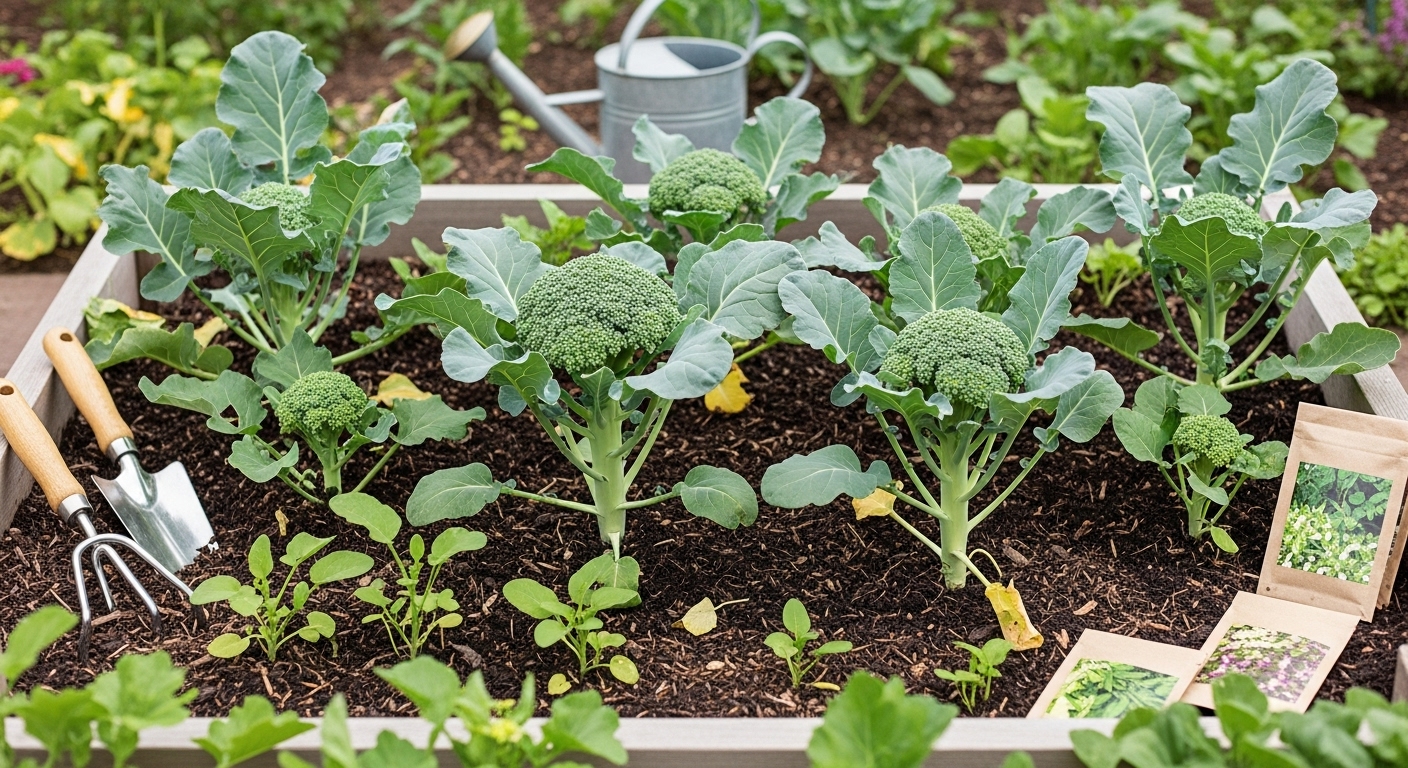
If you’re planning to grow broccoli in raised beds for your next garden project, picking the right variety can make all the difference between a bountiful harvest and a patchy crop. With so many options available, it’s helpful to start with varieties that are popular and beginner-friendly.
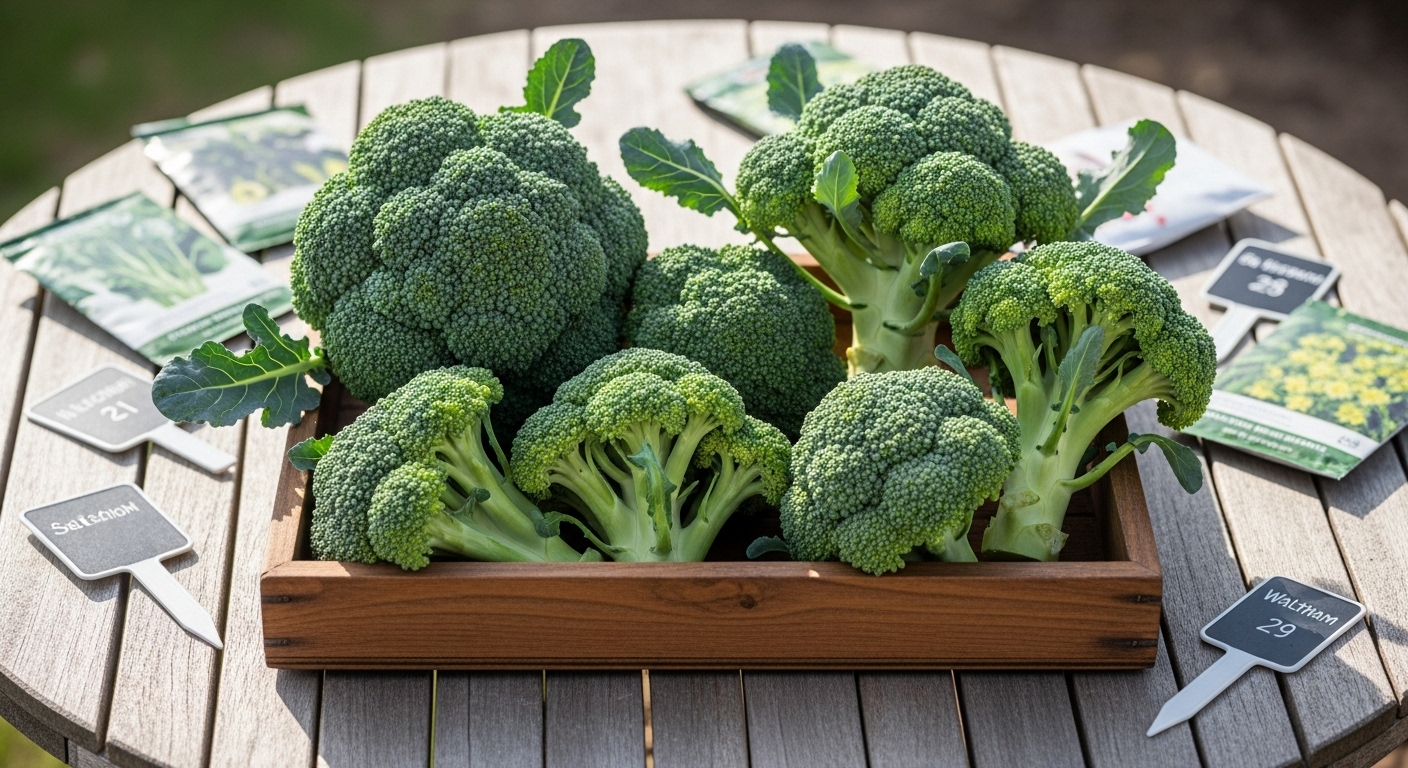
Calabrese is a classic choice—known for producing large heads and side shoots. It matures in about 60–70 days and is praised for its mild, sweet flavor. Another reliable option is Packman, beloved for its fast maturity (as little as 53 days), making it perfect for short growing seasons and impatient gardeners!
If you want something with more cold hardiness, check out De Cicco, an Italian heirloom that thrives in cooler climates and continues producing bite-sized side shoots well after the main head is harvested. Waltham 29 is another go-to variety, offering robust heads and excellent tolerance to temperature fluctuations.
Consider Your Climate and Harvest Goals
When choosing a broccoli variety for your raised bed, climate is key. Some types, like De Cicco, handle cold snaps better, making them ideal for northern regions, while others do better in warmer locales. Maturity time matters too—if you want to stagger your harvest or squeeze in a second crop, mixing quick- and slow-maturing varieties is a smart strategy. Don’t forget flavor: trying a couple of types helps you find your preferred taste, whether extra sweet or nutty.
Getting Started
For the best results, source seeds or starter plants from reputable local nurseries or trusted online suppliers. Look for organic, untreated seeds if you want to keep your broccoli free from chemicals. Buying locally grown starts can also ensure the plants are already adapted to your climate, giving you a head start toward a healthy crop. No matter which variety you choose, starting with high-quality plants is the first step to a thriving raised bed of delicious broccoli.
When and Where to Plant Broccoli
The best time to plant broccoli is during the cooler parts of the year, making early spring and fall the ideal seasons for most regions. Broccoli prefers soil temperatures between 60°F and 70°F, as hotter weather can cause it to bolt and produce small, bitter heads.
While broccoli is quite frost-tolerant and can survive light freezes, avoid planting too early in spring or too late in fall to prevent stress from excessive cold or heat. Choose a sunny spot for your plants—broccoli thrives with at least 6 hours of direct sunlight each day.
The soil should be rich and well-draining; adding compost or aged manure helps boost fertility and texture. Heavy clay soils should be loosened with organic matter, while sandy soils benefit from additional compost to retain moisture. Good drainage is crucial to prevent root rot, especially in areas that receive heavy rainfall.
If space is limited or your soil isn’t ideal, broccoli grows well in raised beds and large containers—choose pots at least 12 inches deep to accommodate the roots, and use a quality soil mix. Raised beds warm up faster in spring and drain well, making them excellent for an early start, while containers can be moved to take advantage of sun and shelter as needed.
Preparing Your Soil and Getting Started
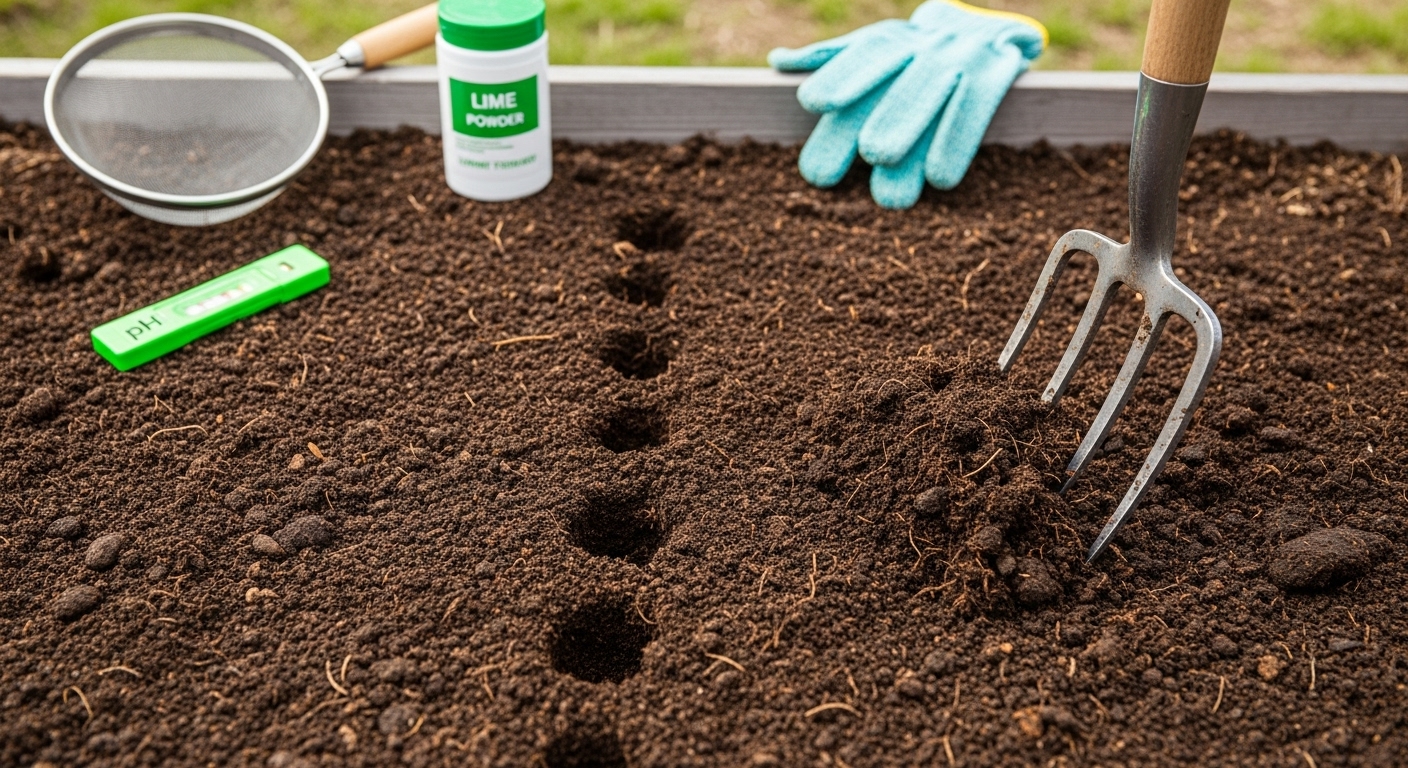
Before planting your broccoli, spend some time preparing the soil for optimal growth. Start by clearing away weeds, rocks, and old plant debris—clean soil helps seedlings avoid disease and gives their roots room to spread.
Next, enrich the soil by mixing in a couple of inches of compost or well-rotted manure, which adds the nutrients broccoli loves. It’s also a good idea to test your soil’s pH with a simple kit. Broccoli prefers a pH between 6.0 and 7.0, so adjust with lime or sulfur if needed.
Use a garden fork or tiller to loosen the soil 8–12 inches deep—this prevents waterlogging and helps roots grow strong.
For direct sowing outdoors, plant broccoli seeds about ½ inch deep, spacing them 3 inches apart in rows 18–24 inches apart. Thin seedlings later so mature plants stand 12–18 inches apart.
If you want an earlier harvest, start seeds indoors about 6–8 weeks before your area’s last frost date. Use seed trays filled with seed starting mix, plant seeds ¼–½ inch deep, keep them moist, and place trays in a sunny spot. Once seedlings have two true leaves and nighttime temperatures stay above freezing, transplant them outdoors, spacing them the same as direct sowing.
Common pitfalls include planting seeds too deep or too shallow, crowding them, or skipping soil improvements—all of which can stunt growth.
Take your time with these prep steps, and your broccoli will reward you with a robust, healthy crop.
Caring for Broccoli as It Grows
Keeping your broccoli plants healthy starts with regular attention to watering; aim to keep the soil consistently moist but never soggy, providing about 1 to 1.5 inches of water weekly, either through rainfall or gentle watering at the base of the plants to avoid wet leaves, which can invite disease. Adding a layer of organic mulch, like straw or shredded leaves, will help retain moisture, suppress weeds, and keep soil temperatures even.
Feed your broccoli every 3-4 weeks with a balanced, slow-release fertilizer or compost tea to encourage leafy growth and strong heads. When seedlings reach about 2-3 inches tall, thin them so each plant is spaced at least 18 inches apart in rows 24 inches apart; giving them ample room improves airflow and reduces competition for nutrients, which can mean larger heads at harvest.
Staking isn’t usually necessary for broccoli, but in windy areas or with particularly tall varieties, gently tie young plants to stakes for extra support. Weed diligently, as broccoli dislikes root competition, using a hand tool to avoid disturbing shallow roots. To protect from harsh weather like unexpected frosts, consider using row covers or cloches early in the season.
Pests like cabbage worms and aphids can be deterred by inspecting leaves frequently, hand-picking intruders, or using floating row covers for a chemical-free barrier. With these simple routines, you’ll help your broccoli thrive through every stage of its growth.
Broccoli Companion Planting and Spacing Tips
Companion planting is a smart way to boost broccoli’s health and productivity, but choosing the right neighbors makes all the difference. Great companion plants for broccoli include onions, garlic, and leeks—these aromatic alliums naturally repel common broccoli pests like aphids and cabbageworms.
Herbs such as dill and rosemary also help by attracting beneficial insects that prey on pests. Avoid planting broccoli near members of the nightshade family (like tomatoes, peppers, and eggplants), as they can compete for nutrients or attract similar diseases.
Other brassicas, such as cabbage or cauliflower, can be grown nearby, but beware that overcrowding these “heavy feeders” can deplete the soil and lead to stunted crops.
Spacing Guidelines
When it comes to spacing, aim for 18 to 24 inches between broccoli plants when planting in rows, with about 36 inches between rows to allow room for air circulation and garden maintenance.
In raised beds or intensive garden setups, you can reduce spacing slightly to about 15 to 18 inches, but avoid packing them in tighter or you risk more pest problems and fungal diseases due to poor airflow.
Tight spacing encourages humidity around foliage—an inviting environment for mildew and rot—so always prioritize airflow, especially in humid climates.
Creative Layout Ideas
For creative layouts, consider alternating broccoli with quick-growing lettuce or spinach in between; these greens will be harvested before broccoli’s wide leaves start shading them out, making the most of your space.
Whether growing in rows, beds, or square-foot grids, giving each broccoli plant ample space and the right plant partners keeps your harvest healthy and abundant.
Common Broccoli Growing Problems (and Solutions)
Growing broccoli can be deeply rewarding, but gardeners often face a few common hurdles. Pest issues top the list: cabbage worms—the velvety green larvae—love to munch on broccoli leaves and heads, leaving ragged holes and frass behind. Floating row covers provide an excellent organic defense, as does hand-picking visible worms or spraying with Bacillus thuringiensis (Bt), a natural bacteria safe for edible crops.
Aphids, tiny soft-bodied bugs clustering on stems and leaf undersides, can distort plant growth. Spraying them off with a hose or using insecticidal soap usually keeps them in check. Diseases like clubroot, which causes swollen, deformed roots and stunted plants, are best managed by rotating crops and selecting resistant varieties. Powdery mildew—a whitish film on leaves—can be minimized with good air circulation and neem oil sprays.
Nutrient deficiencies often show in plant appearance: yellow leaves might signal a nitrogen shortage. Adding a balanced organic fertilizer or side-dressing with compost can help. Poor head development, such as heads staying small or failing to form, is commonly linked to planting too late in the season, overcrowding, or heat stress. Aim to sow broccoli early in spring or late summer when temperatures are milder, and space plants at least 18 inches apart for best growth.
Bolting—a broccoli plant prematurely flowering and going to seed—usually happens when temperatures climb. Mulching to keep roots cool and planting heat-tolerant varieties can reduce this risk. Keep a close eye on watering, too: both soggy soil and drought stress hinder healthy development.
A regular inspection routine allows you to catch issues early—removing damaged leaves, monitoring for bugs, and feeding as needed all go a long way toward a healthy, productive broccoli patch. By staying vigilant and adjusting your care, most problems can be turned around before they impact your harvest.
How and When to Harvest Broccoli
Knowing exactly when to harvest broccoli ensures you get the best flavor and texture from your garden. Broccoli heads are ready when the central crown is firm, tight, and a deep green color, typically 4 to 8 inches across. Look for buds that are packed close together and haven’t started to open—yellow flowers or loose heads mean the broccoli is over-mature.
If you wait too long, the heads become bitter, tough, and less nutritious, so monitor them daily once they near full size. To harvest, use a sharp knife to cut the main head off the plant, making the cut about 5 to 6 inches down the stalk at a slight angle; this encourages the plant to produce smaller side shoots.
Leave the plant in the soil to allow side shoots to develop—these mini-heads will be ready in a week or two. You can harvest them the same way, just snipping them when they’re 1 to 3 inches across.
Storing Your Broccoli
For storing, place freshly cut broccoli in the fridge inside a perforated plastic bag—if not washed, it’ll keep for up to a week. You can also blanch and freeze broccoli for several months of storage.
Cooking Ideas
When you’re ready to eat your harvest, try tossing fresh florets into stir-fries, steaming them as a side dish, or blending them into a creamy soup for a quick, healthy meal.