Common Insect Pests on Broccoli and Kale
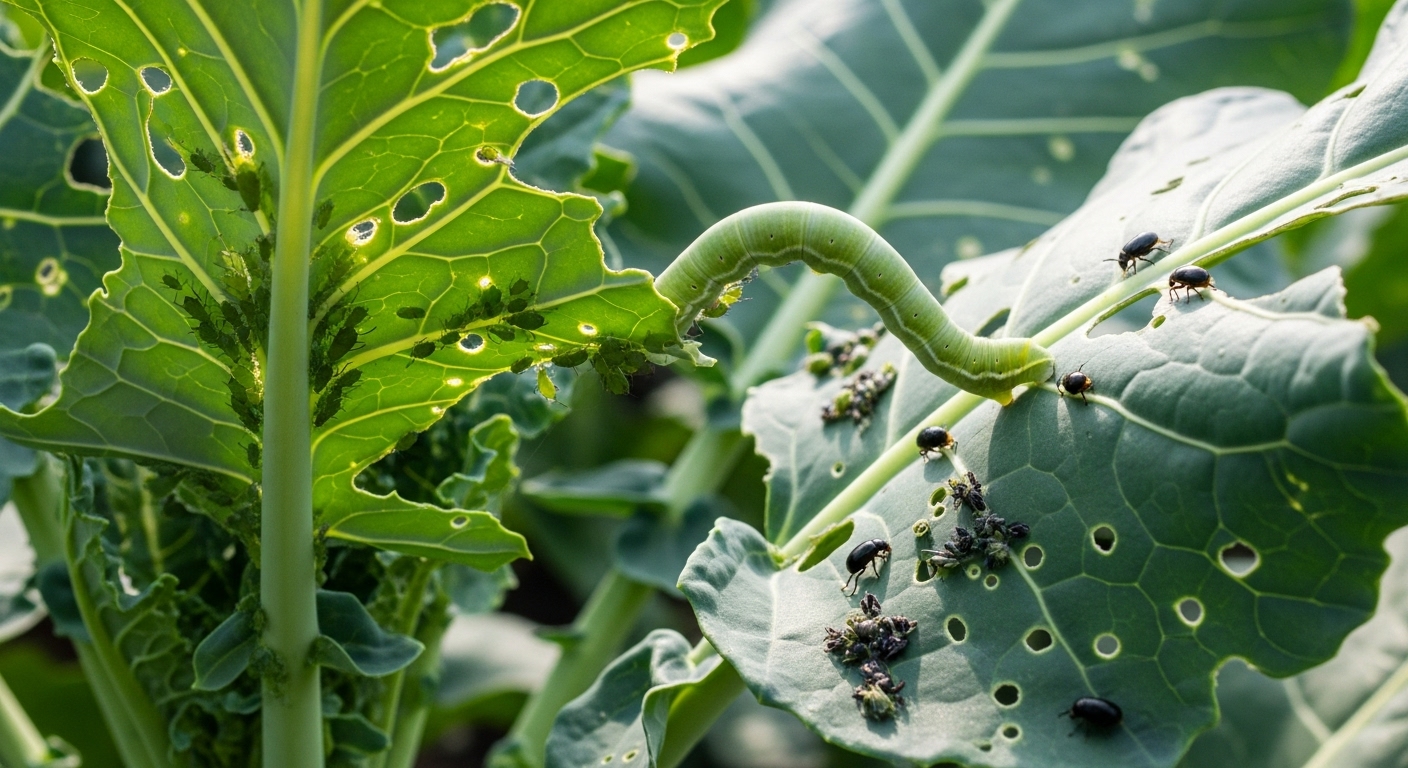
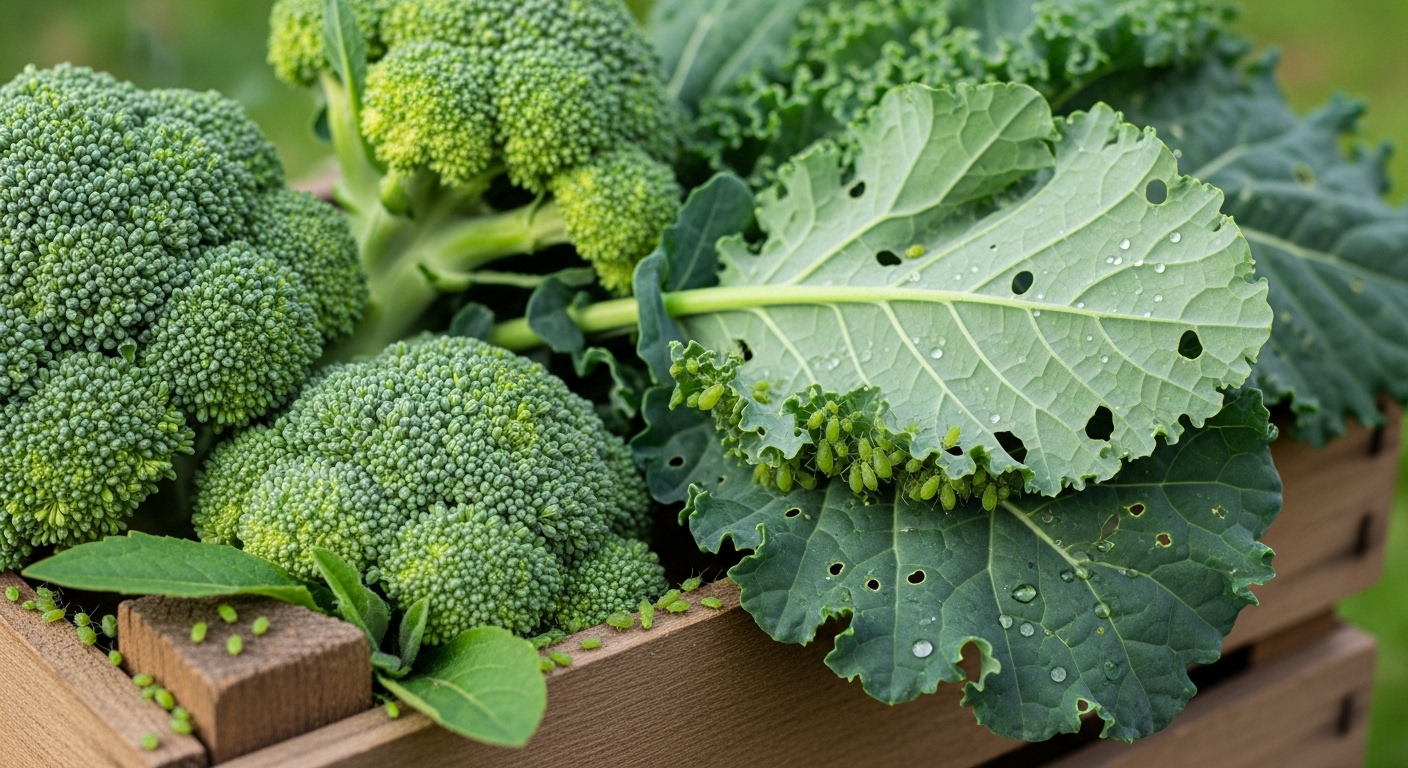
If you’ve ever spotted clusters of tiny green bugs—aphids on broccoli—you know how quickly these pests can take over your garden. Aphids are just one of several common insect pests that target broccoli and kale, two vegetables loved for their taste and nutritional value. Alongside aphids, caterpillars like cabbage loopers and imported cabbageworms, as well as beetles such as flea beetles, can cause significant damage. These pests feast on tender leaves, sucking out plant juices or chewing irregular holes, leaving your once-vibrant crops looking ragged.
Early signs of infestation can be easy to miss, but knowing what to look for can save your garden. Aphids often cluster on the undersides of leaves or in leaf folds, excreting a sticky residue called honeydew that can make foliage shiny or attract ants. Caterpillars and beetles leave behind tell-tale signs like chewed edges, small round holes, or even dark frass (insect droppings) on leaves. Sometimes you’ll spot the insects themselves, especially in the early morning or after a rain.
Catching these signs early is crucial for both home gardeners and small farmers. Left unchecked, pest infestations can stunt plant growth, reduce yield, and even introduce molds or fungi that further harm your veggies. For consumers, supporting growers who vigilantly manage insect pests means fresher, cleaner produce on your table. Regular inspection—flipping over leaves, checking for discoloration, and removing any visible pests by hand—can make a real difference. By identifying issues as soon as they appear, you help protect your precious broccoli and kale and ensure a healthy, robust harvest.
Understanding Aphids and Other Small Insects
Cabbage aphids are tiny, soft-bodied insects often found in dense clusters on the undersides of brassica leaves like cabbage, kale, and broccoli. These pests have a gray-green, waxy coating, making them easy to spot once you know what to look for. Aphids reproduce rapidly, especially in mild weather, with new generations appearing every couple of weeks.
Their feeding weakens plants by sucking the sap, causing curled, yellow leaves and stunted growth. Left unchecked, large infestations can destroy entire crops of brassicas.
Similar Pests
Other small insects that can affect brassicas include:
- Whiteflies: Tiny, white moth-like insects that flutter up when you disturb leaves.
- Thrips: Minuscule insects that scrape surfaces to feed, causing silvering or stippling on foliage.
While it’s easy to panic at the sight of bugs on your vegetables, remember that not all insects are harmful. A few pests are a natural part of any healthy garden ecosystem.
Beneficial Insects
In fact, beneficial predators like ladybugs and lacewings often follow aphids, helping balance populations without harsh chemicals.
Managing Small Infestations
To manage minor infestations, try these gentle control methods:
- Spray brassicas with a strong jet of water, focusing on the undersides of leaves.
- Use insecticidal soap to target pests safely.
- Inspect plants regularly and remove heavily infested ones early.
- Practice crop rotation to prevent recurring problems.
Don’t let fear of bugs deter you from home gardening. Learning to identify pests, understand their habits, and use gentle control methods will help you grow healthier, more resilient plants.
Caterpillars and Leaf-Munching Offenders
Caterpillars are some of the most common culprits behind ragged, hole-filled leaves in vegetable gardens, especially on crops like cabbage, broccoli, and kale. The diamondback moth larva is tiny—usually less than half an inch long—with a pale green color and a habit of wiggling rapidly when disturbed. Cabbage loopers, by contrast, are slightly larger (up to 1.5 inches), pale green, and arch their bodies in a distinctive “looping” motion as they crawl. Imported cabbageworms, another major offender, look velvety green and are often found feeding on the undersides of leaves, leaving behind dark poop pellets and chewed edges.
The first signs of a problem include skeletonized leaves (where only the veins remain), small to large holes, and frass (insect droppings) scattered on the foliage. To minimize damage, start with manual methods like handpicking the caterpillars and eggs early in the morning when they’re sluggish. Inspect the undersides of leaves and squish or drop pests into a bucket of soapy water.
For larger plantings, lightweight row covers can create a physical barrier, preventing adult moths and butterflies from laying eggs in the first place. If infestations persist, spray plants with Bacillus thuringiensis (Bt), a natural soil bacterium that specifically targets caterpillar pests without harming beneficial insects. Combining these organic tactics helps keep caterpillar numbers in check while maintaining a healthy garden ecosystem.
How to Reduce Bugs in Your Harvest
Reducing bugs in your harvest starts with smart, preventative strategies in the garden. Crop rotation is a classic move—by switching up where you plant veggies like tomatoes or beans each year, you break the life cycle of pests that overwinter in the soil and wait for their favorite plants to return.
Try interplanting, too; mixing crops like basil with tomatoes or marigolds amid leafy greens can confuse insects and mask attractant scents, making it harder for them to find a meal. Encouraging natural predators, such as ladybugs, lacewings, or birds, is another sustainable tactic.
Simple steps like installing a bird feeder, planting flowers like dill and yarrow, or providing small water sources can turn your garden into a bug-hunting haven for these allies.
When it comes to harvest timing, aim to pick your crops as soon as they ripen. Many pests target overly mature or damaged produce, so a prompt harvest leaves them less to feast on and gives you better-quality veggies or fruit.
To address existing infestations, reach for safe, organic sprays such as neem oil or insecticidal soap, which are effective against common garden pests but gentle on beneficial insects when used as directed. For a quick homemade solution, try mixing a tablespoon of dish soap with a quart of water in a spray bottle—this can help control soft-bodied bugs like aphids without resorting to harsh chemicals.
By weaving together thoughtful planning, attentive harvesting, and careful pest control, you’ll stack the odds in favor of your garden and enjoy a cleaner, healthier harvest.
Cleaning Broccoli and Kale to Remove Bugs
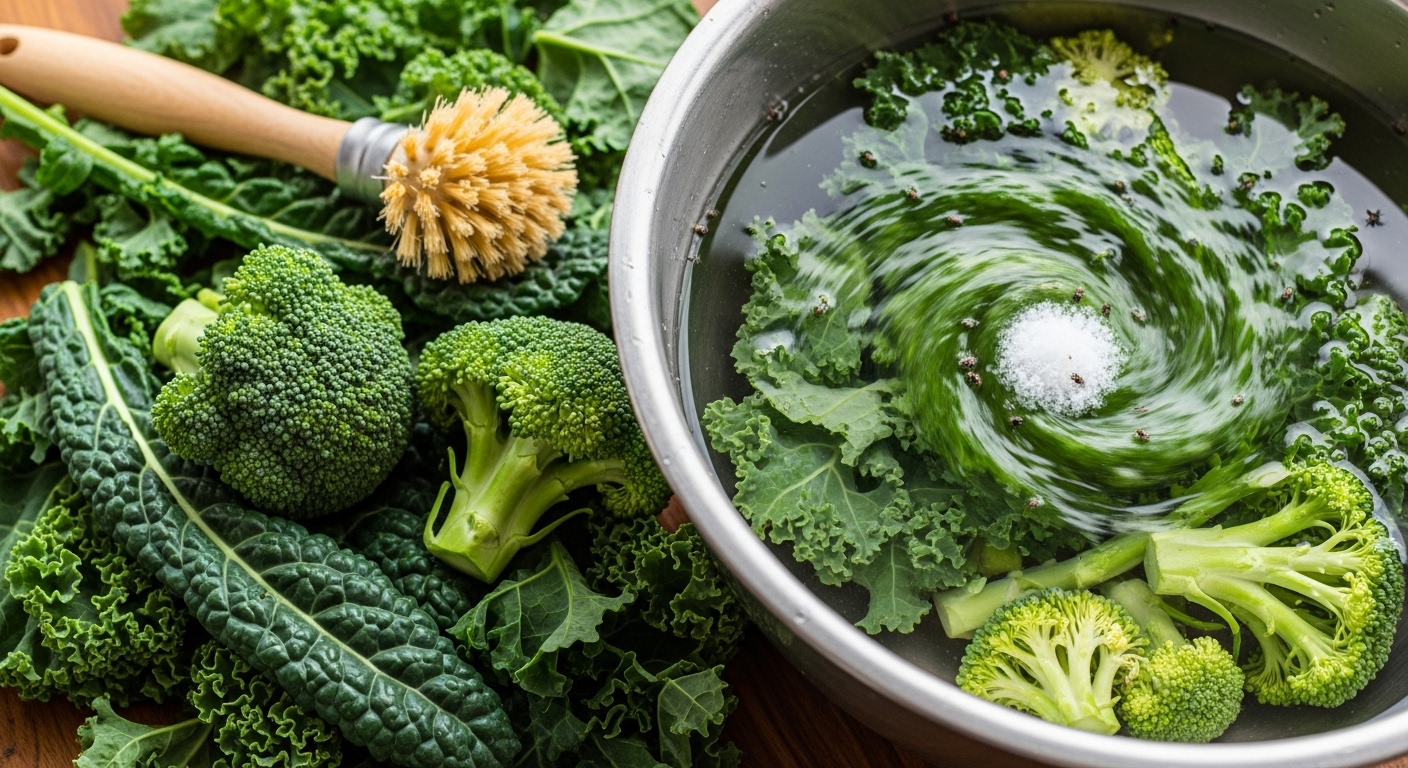
When it comes to cleaning broccoli and kale, getting rid of stubborn insects is essential for both food safety and peace of mind. Start by trimming off any damaged or wilted leaves from your veggies.
Next, fill a large bowl or sink with cold water and add either two tablespoons of salt or one cup of white vinegar per gallon of water—both methods help dislodge and kill insects hiding in the crevices. Place the broccoli and kale in the solution, gently swish them around, and let them soak for 10-15 minutes so bugs have time to float away.
After soaking, lift the vegetables out of the water (don’t pour the water out with the produce, or bugs and grit may get back on) and rinse thoroughly under cool running water to wash away any remaining residue. For broccoli florets, you can use a soft vegetable brush or gently rub them with your fingers to get into tight nooks where bugs hide.
With kale, be sure to unfold the leaves or tear them into smaller pieces so every surface gets cleaned. If you still spot bugs after the initial wash, repeat the soaking process or give persistent insects a blast of water using your kitchen spray nozzle. In rare cases where bugs just won’t budge, it’s often safest to cut away those affected parts or discard them.
With these steps, your broccoli and kale should be clean, crisp, and ready for your favorite recipes.
Varieties and Garden Planning for Pest Resistance
When planning your garden for pest resistance, choosing the right varieties of broccoli and kale can save you time and frustration. Look for broccoli types like ‘Green Magic’ and ‘Arcadia’, which have shown strong resilience against common pests like aphids and cabbage loopers. For kale, ‘Lacinato’ (also known as dinosaur kale) and ‘Red Russian’ varieties tend to stand up better against leaf-eating insects and are less prone to disease.
To figure out what works best in your particular garden, keep a simple log or spreadsheet noting which varieties you plant each season, when you notice pest problems, and how the plants perform. Even jotting notes in a garden journal can help you spot trends over time.
For a higher-tech approach, apps such as Planter, Gardenize, or Seed to Spoon make it easy to track planting dates, pest sightings, and harvests right from your smartphone. Some of these tools let you upload photos, set reminders, and compare your results year over year, helping you quickly identify which broccoli and kale varieties truly thrive with minimal intervention.
By paying attention to both plant selection and record-keeping, you’ll be well on your way to a healthier, lower-maintenance vegetable patch.
Final Tips and Resources for Bug-Free Brassicas
Keeping your brassica crops—like broccoli, kale, and cabbage—healthy starts with proactive care. Rotate beds each year to disrupt pest life cycles, and use floating row covers to keep insects like cabbage worms at bay. Handpick pests regularly, and check the underside of leaves for clusters of eggs.
Encourage beneficial insects by planting flowers such as dill and marigold nearby, and avoid over-fertilizing, as vigorous plants can attract aphids. Always remove plant debris at the end of the season to limit overwintering pests.
For more support, check reliable resources like the University of Minnesota Extension’s vegetable pest management guide or the University of California IPM Brassica page.
Remember, no garden is completely pest-free; even experienced growers see occasional damage. Focus on prevention and consistent monitoring, celebrate small victories, and don’t be discouraged by a chewed leaf or two—healthy brassicas are well within your reach with patience and perseverance.