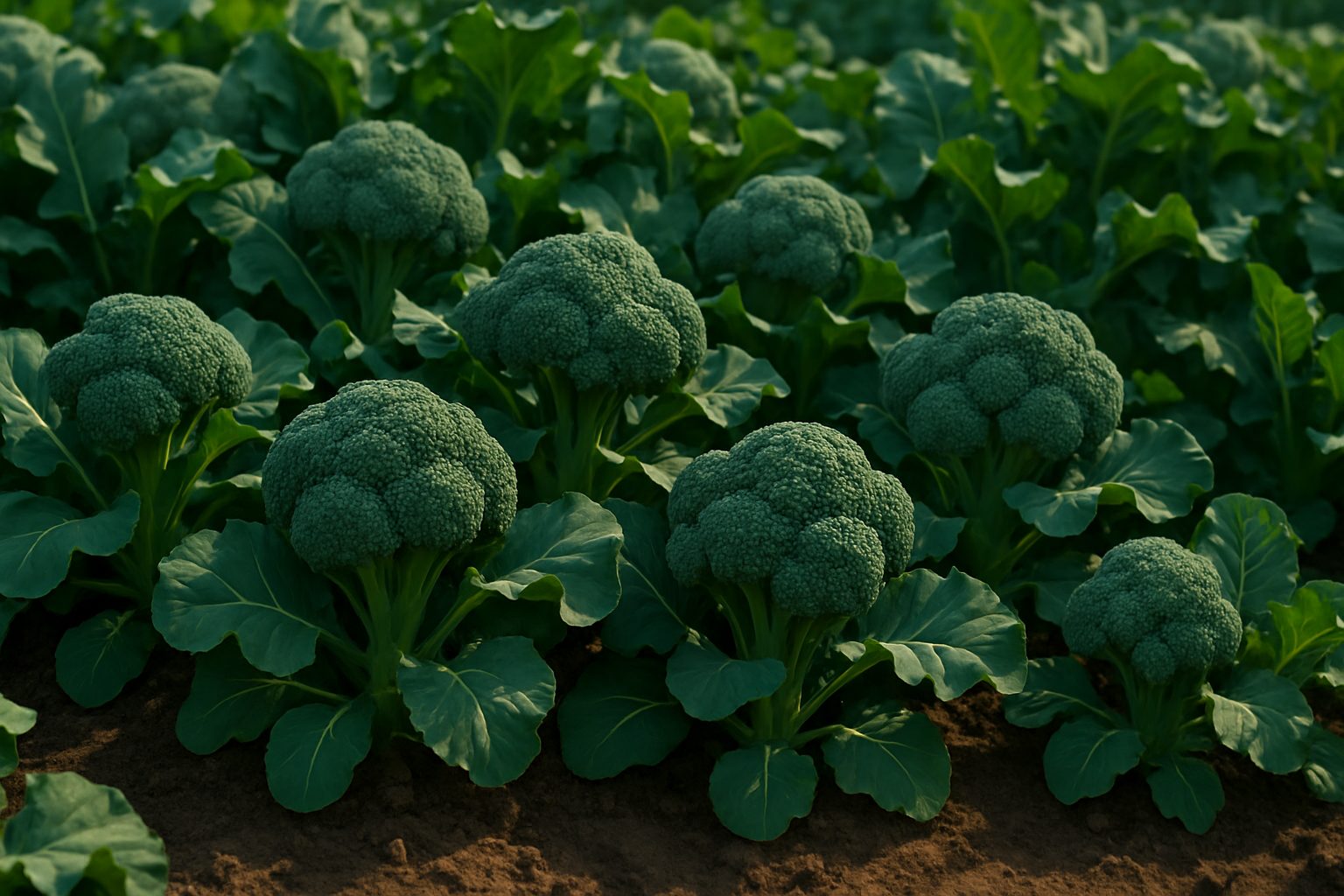
Choosing the Right Broccoli Varieties
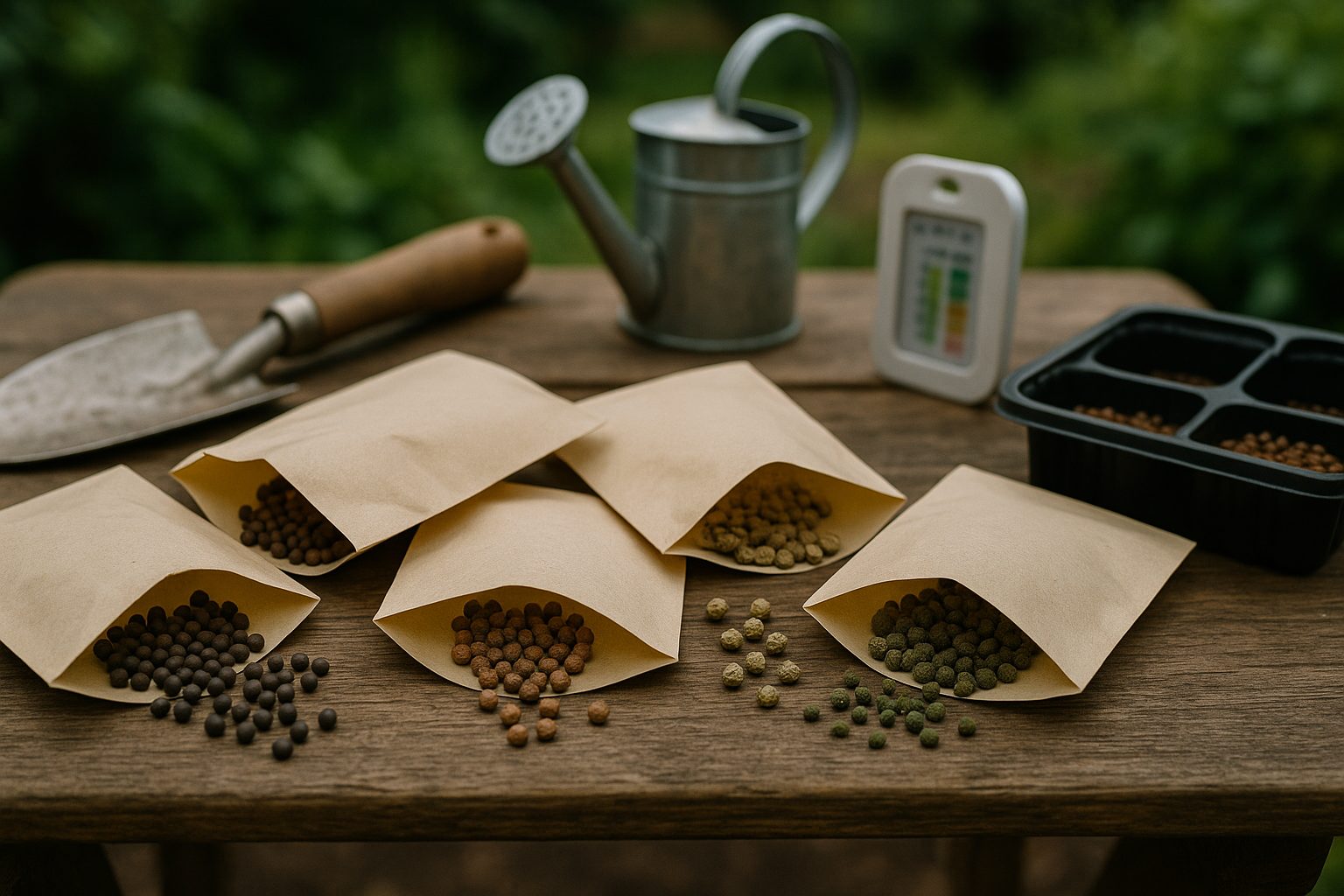
When it comes to fertilizing broccoli, your efforts only pay off if you start with the right variety for your garden. Not all broccoli varieties are created equal—what tastes delicious in one climate may struggle to grow in another. Selecting the right type is crucial if you want bigger heads and consistent harvests.
Think about your garden’s unique needs: do you have warm springs, unpredictable frosts, or a shorter growing season? Varieties like ‘Arcadia’ are cold-tolerant and hardy, thriving where spring weather can turn chilly, while ‘Green Magic’ does well in warmer regions. If you’re a fan of sweet, tender florets, ‘Belstar’ is prized for its flavor and robust heads. For small spaces or continual harvests, try ‘Packman’, which produces a generous central head and keeps sending out side shoots for weeks.
Home gardeners often love ‘Waltham 29’ for its reliable performance and adaptability—it handles moderate heat and resists common broccoli diseases. If disease resistance is high on your list, look for varieties labeled as resistant to clubroot or downy mildew, such as ‘Imperial’.
Always check the seed packet for recommended planting zones and days to maturity. This helps match your local climate and the length of your growing season, so your plants don’t bolt too early or fall victim to frost. If you garden in unpredictable weather, choosing a mix of early and late varieties like ‘Calabrese’ and ‘DeCicco’ can stretch your broccoli harvest all summer long.
Making thoughtful choices up front ensures your fertilizing broccoli efforts lead to bountiful, tasty results at harvest.
Starting Broccoli Plants: Seeds vs. Transplants
When it comes to starting broccoli in your garden, you have two main options: sowing seeds indoors or planting store-bought transplants. Starting from seed is cost-effective and lets you choose from many varieties, but it requires time, space, and attention to detail. Transplants are convenient and provide a head start on the season, especially in colder climates, but they can be more expensive and limit your variety choices.
If you’re starting seeds indoors, begin about 6–8 weeks before your average last frost date. Fill seed trays or pots with quality seed-starting mix, and plant seeds a quarter-inch deep. Place the trays in a warm area (around 70°F or 21°C), and keep the soil consistently moist but not soggy.
As soon as seedlings emerge, move them under bright grow lights or a sunny window for at least 14–16 hours a day to avoid leggy growth. Once seedlings have two sets of true leaves and the outdoor soil temperature hovers above 50°F (10°C), they’re ready to move outside—but don’t rush it. Broccoli dislikes sudden changes.
Begin by hardening off seedlings: set them outdoors for a few hours in a sheltered, shady spot, gradually increasing time and light exposure over a week to toughen them up. On transplant day, choose an overcast morning or late afternoon, and plant seedlings 18 inches apart, burying them up to their first leaves for sturdy stems. Water well and mulch to retain moisture.
Regularly check for pests, and water consistently—broccoli likes even, cool moisture as it grows. By carefully controlling light, temperature, and gradual exposure, you’ll help your broccoli thrive no matter which start method you choose.
Preparing Soil and Fertilizing Broccoli
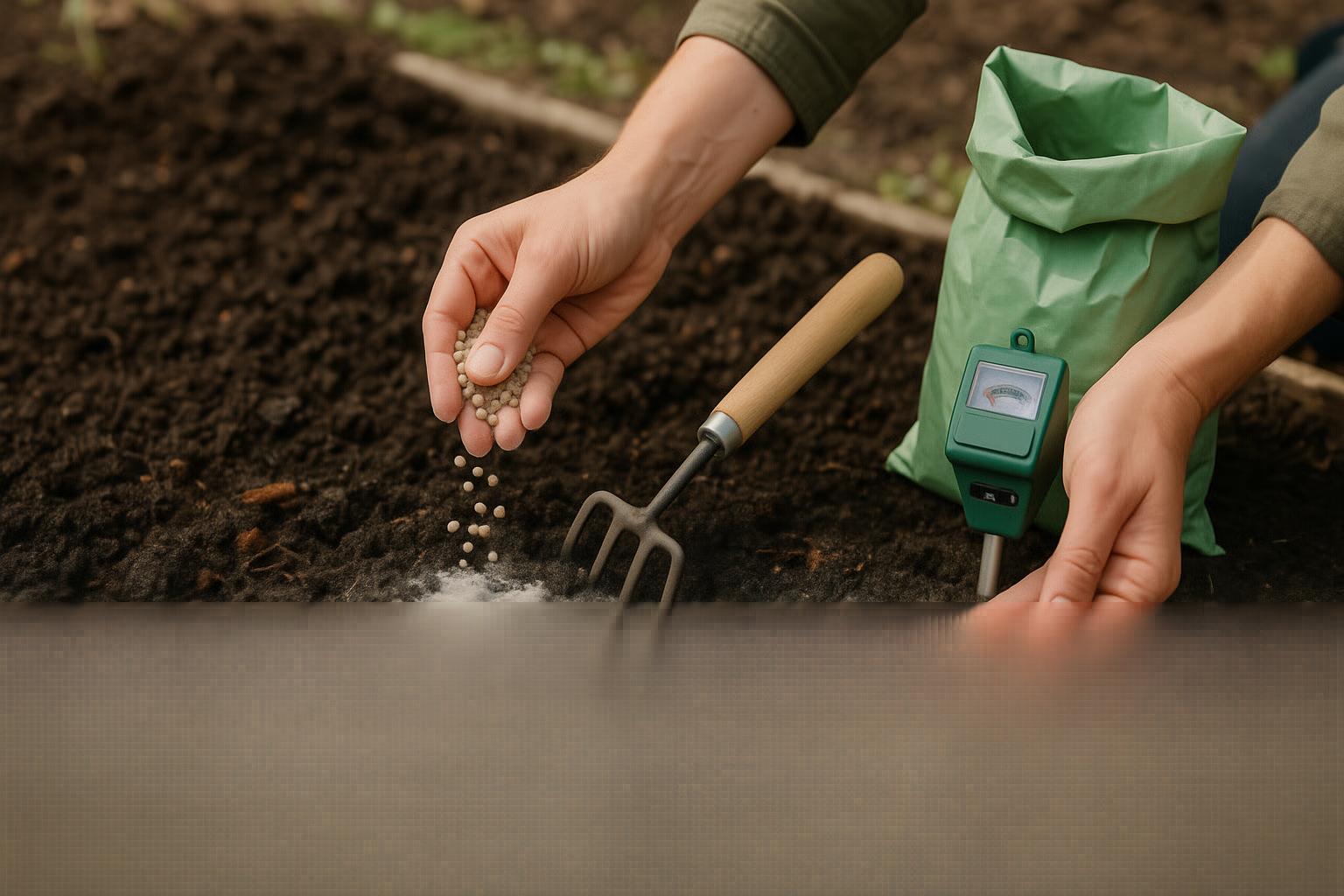
Broccoli thrives best in soil that’s rich, loose, and well-draining, with a slightly acidic to neutral pH between 6.0 and 7.0. Before planting, test your soil’s pH using a simple kit from your local garden center. If your soil is too acidic, add lime; if it’s too alkaline, a bit of elemental sulfur can help balance it out.
Organic matter is key for broccoli, so work in plenty of compost or well-rotted manure a few weeks before planting. This boosts both fertility and moisture retention without making the soil soggy—something broccoli roots dislike.
For extra nutrition, choose a balanced organic fertilizer (like 5-5-5 or 10-10-10) or sprinkle bone meal and blood meal over the planting area, following the package instructions. Apply fertilizer about a week before transplanting, then side-dress with more around the base of the plants every 3–4 weeks as heads develop. Always water the soil after fertilizing to prevent burning tender roots.
A common mistake is over-fertilizing with nitrogen. While broccoli loves nutrients, too much nitrogen leads to lush leaves but small heads, so go easy. Another pitfall is skipping the soil test and using a “one-size-fits-all” fertilizer, which can throw off pH or cause nutrient imbalances.
Remember, healthy soil is the backbone of big, flavorful broccoli—taking a little extra care upfront pays off at harvest time.
Planting and Caring for Broccoli
Growing broccoli can be highly rewarding with just a bit of planning and care. Start by choosing a sunny spot with well-drained, fertile soil—mix in compost or aged manure for the best results.
Broccoli seeds can be started indoors four to six weeks before your last expected frost or sown directly into garden beds or containers once the soil warms to about 60°F (16°C). Transplant or thin seedlings so each plant is spaced 18-24 inches apart; this gives them enough room to grow strong heads.
Water consistently, aiming for about 1 to 1.5 inches per week, keeping the soil moist but never soggy. Watering at the base of the plant helps prevent fungal diseases.
To lock in moisture and suppress weeds, apply a 2- to 3-inch layer of organic mulch, like straw or shredded leaves, around the plants. Mulch also helps keep soil temperatures even and limits weed competition, which is especially important in young broccoli patches.
As plants grow, remove any visible weeds frequently by hand-pulling or using a hoe, being careful not to disturb broccoli roots.
To prevent soil-borne diseases, rotate your broccoli crop each year, avoiding spots where other brassicas (like cabbage or cauliflower) grew recently.
For a steady supply, practice succession planting by sowing new seeds every two to three weeks, allowing fresh plants to mature as you harvest older ones.
Once the main head is cut, leave the plant in the ground, removing side shoots as they appear; these smaller florets will keep coming, often for weeks, giving you an extended harvest from a single plant.
By staying attentive to spacing, watering, mulching, weed control, and crop rotation, you’ll enjoy healthier broccoli and a more productive garden throughout the season.
Identifying and Preventing Broccoli Problems
Keeping your broccoli healthy starts with recognizing common issues before they get out of hand. Pests like aphids and cabbage worms are notorious for attacking broccoli plants, often leaving behind nibbled leaves and sticky residue.
Try blasting aphids away with a strong spray of water or introducing helpful insects like ladybugs to keep their numbers in check. For cabbage worms, inspect leaves regularly and remove worms by hand, or use natural pesticides like Bacillus thuringiensis (Bt), which targets caterpillars without harming other beneficial insects.
Diseases such as clubroot and downy mildew can also threaten your crop—clubroot causes swollen, misshapen roots and leads to wilting, especially in wet soils, while downy mildew usually appears as yellow patches and fluffy mold on the underside of leaves. Prevent these diseases by rotating crops each season, planting disease-resistant varieties, and ensuring proper drainage so roots don’t stay wet.
Signs of nutrient deficiencies, like yellowing leaves or stunted growth, often point to a lack of nitrogen or other key nutrients. Regular soil testing and amending with compost or organic fertilizers can help correct these issues.
Environmental stress from sudden temperature changes or inconsistent watering can weaken plants, making them more susceptible to pests and diseases—use mulch to retain moisture, and water consistently at the base of plants.
To keep broccoli thriving overall:
- Clean up plant debris to avoid harboring pests
- Space plants for good air circulation
- Check your garden often to spot problems early
By combining these practical strategies, you’ll not only protect your broccoli crop but also set yourself up for a successful and bountiful harvest.
Harvesting, Storage, and Flowering
You’ll know it’s time to harvest broccoli when the central head is firm and tightly packed with small, deep-green buds about four to seven inches across. Don’t wait until you see yellow petals—that means the buds are starting to flower, and the broccoli will taste bitter.
Use a sharp knife to slice the main head off at a slant, leaving about five to six inches of stem and as many side leaves intact. This encourages the plant to produce smaller, delicious side shoots that you can pick over the next few weeks.
After harvesting, store your broccoli unwashed in a perforated plastic bag or container in the crisper drawer of your fridge; it’ll stay fresh for about a week. If you notice your broccoli starting to flower, don’t worry—while the main head’s flavor may decline, the young flowers and stems are still edible and have a mild, peppery taste perfect for stir-fries and salads.
You can also use flowering broccoli in omelets or as a unique garnish on pasta. Just be sure to harvest before the blooms become tough. Keeping your broccoli cool after picking and checking your garden daily will help you enjoy every part of your harvest at its peak.
Nutrition and Unique Uses of Broccoli
Broccoli is a nutritional powerhouse, loaded with vitamins C, K, and A, plus fiber and cancer-fighting compounds like sulforaphane—making it a top pick for boosting your immune system and supporting heart health.
For easy, tasty meals, try it raw in crunchy salads, lightly steamed to keep its bright color and crisp-tender bite, or quick-stir-fried with ginger and garlic for a speedy side dish. Don’t stop at the florets; the stems are delicious peeled and sliced thin for slaws, and even the leaves can be sautéed like spinach.
Gardeners can experiment with growing broccoli microgreens and sprouts indoors for a concentrated burst of nutrients or let broccoli plants bloom, topping summer dishes with their mild, edible yellow flowers.
For a surprising twist, pickle stems or blend stems into smoothies for extra fiber. Did you know broccoli was once called “Italian asparagus”? Embracing every part of this versatile veggie minimizes waste and opens up creative options from root to tip.