
Introduction to Lovage and Its Needs
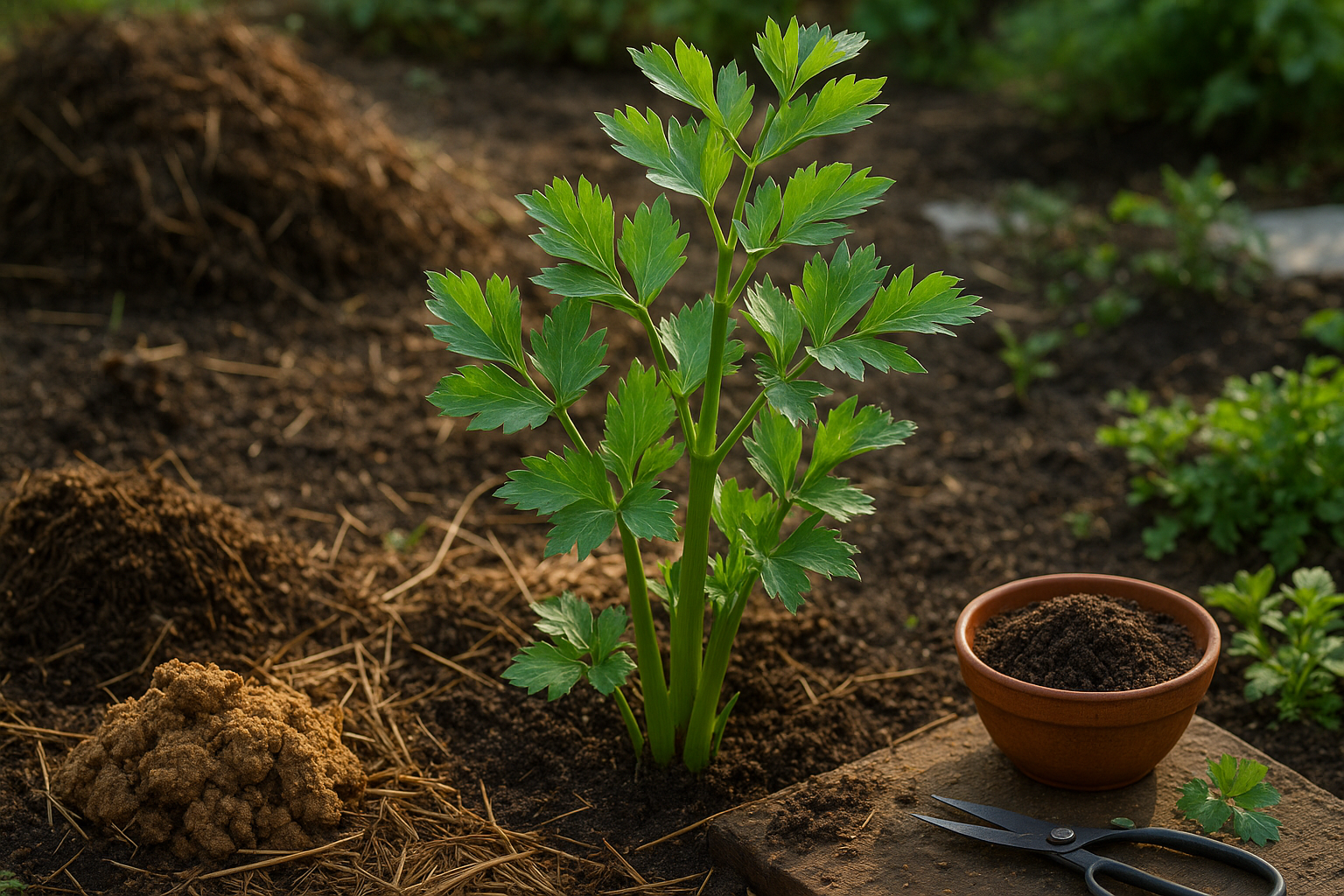
Fertilizing lovage is a crucial step if you want to enjoy a robust harvest of this flavorful, hardy herb. Known for its celery-like taste and impressive vigor, lovage thrives in many home gardens, but even the most resilient plants need the right nutrients to produce lush leaves and strong stems.
Feeding your lovage well not only encourages healthier growth but also boosts its aroma and usefulness in the kitchen. Instead of opting for synthetic solutions, natural and organic fertilizers offer a safer and more sustainable way to nurture your plants.
For example, compost, well-rotted manure, and organic liquid feeds supply steady, slow-release nutrition while improving soil health over time. Plus, these options are gentle on the environment and help maintain the biodiversity of your garden.
Regularly mulching with organic materials can further lock in moisture and reduce weed competition, giving your lovage every chance to flourish. Whether you tuck lovage into stews or use its leaves for flavor-packed broths, investing in its care with natural boosters pays off in both taste and plant vitality.
By understanding and supporting lovage’s basic nutrient needs, you’ll set the stage for a thriving, productive patch year after year.
Understanding Lovage Nutritional Requirements
Lovage is a hardy perennial herb, but to grow lush and flavorful, it needs the right balance of essential nutrients—particularly nitrogen, phosphorus, and potassium, the classic N-P-K trio found in most fertilizers. Nitrogen is crucial for strong leaf growth, giving lovage those tall, green, celery-like stalks, while phosphorus is key for healthy root development and efficient energy transfer within the plant. Potassium helps the plant manage water use and resist disease, ensuring overall vigor throughout the season.
What makes lovage unique is its deep root system, which allows it to access nutrients from lower soil layers that shallow-rooted herbs can’t reach. This means lovage can sometimes get by with fewer fertilizer applications, but it also means nutrients need to be available deeper in the soil—not just on the surface.
When nutrients are lacking, lovage will often show signs of trouble:
- Yellowing leaves may indicate nitrogen deficiency.
- Purplish tints could signal a lack of phosphorus.
- Scorched or browning leaf edges typically point to low potassium.
To avoid guesswork, regular soil testing is invaluable. A simple soil test reveals both nutrient content and soil pH, guiding you in choosing the right amendments and helping prevent over- or under-fertilization. If results show your soil is lacking, use a balanced organic fertilizer and work it gently into the soil, or apply compost as a nutrient-rich mulch.
With well-informed care, lovage can thrive for many years in the same patch, rewarding you with vigorous harvests season after season.
Best Natural Fertilizers and Soil Boosters for Lovage
When growing lovage, choosing the right natural fertilizers and soil boosters is key to a healthy, lush perennial herb. Start with organic soil amendments like compost, aged manure, and worm castings, which provide a gentle but steady nutrient supply.
Compost is easy to create at home; simply spread a two-inch layer around the base of your lovage plants in early spring. It slowly releases nutrients as it breaks down, enriching the soil structure and supporting beneficial microbes. Aged manure, such as well-composted cow or horse manure, should also be worked into the topsoil before planting or mulched around established plants—just ensure it’s fully decomposed to avoid burning roots.
Worm castings excel at boosting microbial life and improving soil fertility with trace minerals; mix them into the planting hole or top-dress around lovage’s base during the growing season for a mild nutrient boost.
For a more targeted approach, natural liquid fertilizers like fish emulsion and seaweed extract offer a potent shot of micronutrients. Fish emulsion, diluted according to package instructions, can be watered in every few weeks during active growth to boost leaf production and overall vigor. Seaweed extract, rich in potassium and growth hormones, is excellent for strengthening plants against stress—simply spray it as a foliar feed or apply it directly to the soil.
With perennial herbs like lovage, slow-release nutrients are crucial, preventing rapid growth spurts that can weaken the plant long term. By using these natural soil boosters, you’re not only feeding your lovage through every season but also building richer soil for healthier, more resilient harvests year after year.
Consistency is key—regularly top up with organic matter and supplement as needed, and your lovage will thrive with deep roots and abundant leaves.
When and How to Fertilize Lovage for Best Results
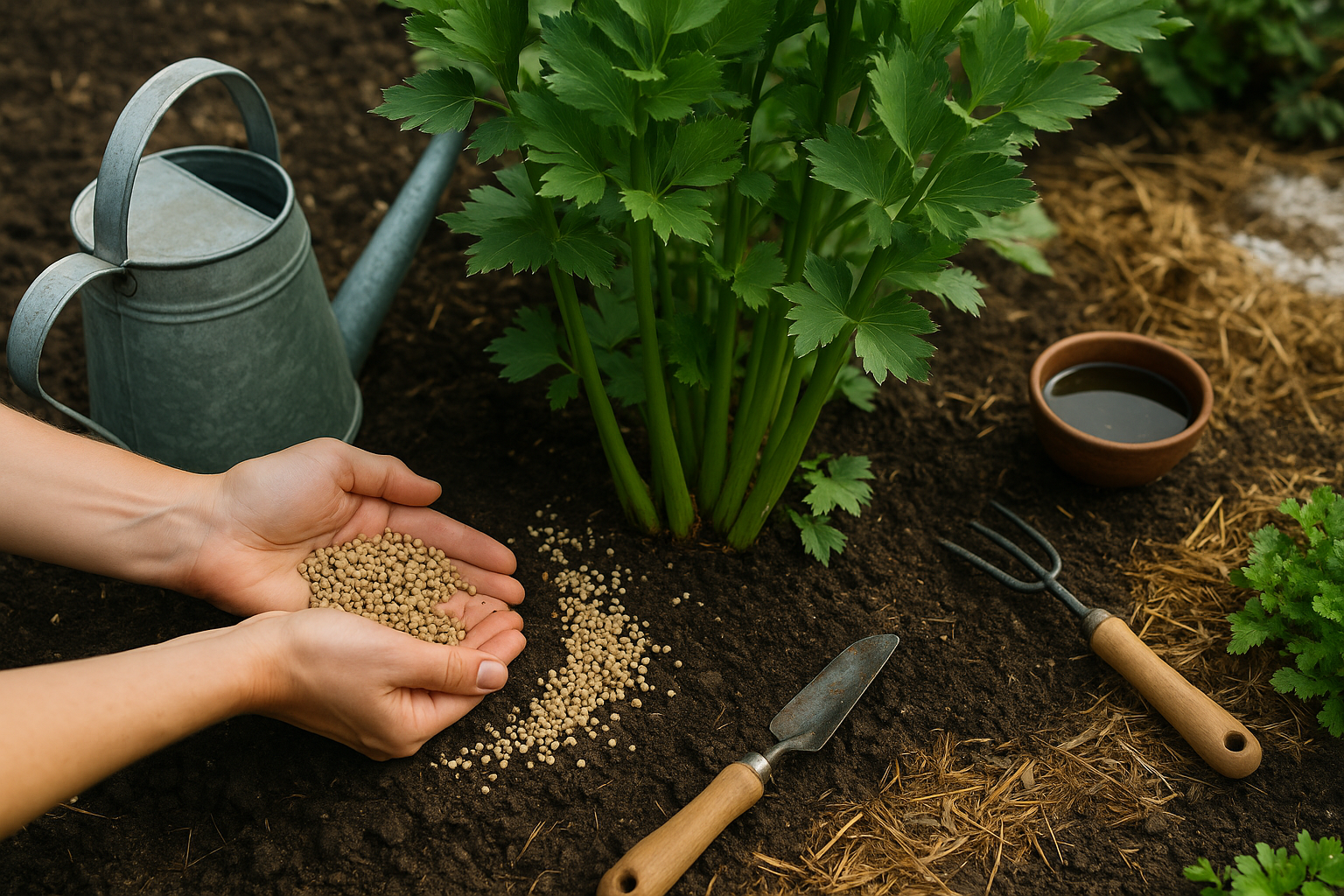
Fertilizing lovage properly is key to getting lush, flavorful leaves all season. The best time to feed lovage is in early spring when new growth emerges, and again after its first major harvest to keep production strong.
For young lovage—those in their first year—use a balanced liquid fertilizer, diluted to half strength, every four to six weeks during their active growing season. This gentler approach avoids overwhelming tender roots and supports steady development.
For mature plants, sprinkle a granular organic fertilizer, like a 5-5-5 blend, around the base in early spring. Gently work it into the top inch of soil, being careful not to disturb the crown, then water thoroughly so nutrients soak down to the roots.
If the plant’s growth slows after heavy harvesting, add another light feed of compost tea or liquid fertilizer to rejuvenate it.
For both young and established lovage, mulch with compost or well-rotted manure after fertilizing to help retain moisture and suppress weeds. Always avoid fertilizing late in the season to prevent soft, frost-sensitive growth.
Remember, lovage isn’t particularly demanding and grows best with moderate feeding—over-fertilizing can lead to excessive leafiness with reduced flavor. Whether you have a small herb patch or a perennial border, feeding at the right times and using the right methods will keep your lovage thriving all summer long.
Common Fertilization Mistakes to Avoid
Over-fertilizing lovage is a common pitfall that often causes more problems than benefits. Using too much fertilizer, especially nitrogen-heavy blends, can lead to rapid, leggy growth that leaves the plant weak, floppy, and less flavorful. You want robust stems and rich, aromatic leaves—not giant but bland plants.
Another risk of overdoing it is stressing the roots, which makes lovage more prone to disease and can reduce its natural resistance to pests. Be especially careful with chemical fertilizers high in salt; lovage dislikes salty soils, which can cause leaf burn or stunt growth. Organic options like compost or well-rotted manure are much safer, providing slow-release nutrients while improving soil health.
To maintain a healthy balance, water thoroughly after feeding your plants to dilute excess nutrients and help uptake—just don’t overwater, as soggy soil can cause root rot. Adding a layer of organic mulch, such as shredded leaves or straw, helps the soil retain moisture and keeps nutrient levels more even, reducing the need for frequent fertilizing.
By following these careful practices, you’ll avoid the most common fertilization mistakes and ensure your lovage thrives.
Natural Ways to Support Lovage Health Beyond Fertilizer
Beyond just fertilizer, there are several natural strategies to promote robust lovage health in your garden. Companion planting is a time-tested method—grow lovage near celery or parsley to enhance soil conditions and deter common pests. These closely related herbs help mask lovage’s scent and disrupt pest patterns.
Adding pest-repellent flowers like marigolds or nasturtiums around your lovage can also provide natural protection, as these blooms help ward off aphids and beetles.
Focus on Soil Health
Soil health is foundational: apply mulch around your lovage to lock in moisture, suppress weeds, and moderate soil temperature. Regularly rotate your crops to prevent the buildup of soil-borne diseases and pests that can hamper lovage’s growth over time. Incorporate rich organic matter, such as compost or well-rotted manure, to improve drainage and provide essential nutrients—giving your lovage what it needs without synthetic chemicals.
Natural Pest Control
For pest control, skip harsh pesticides and opt for natural solutions like hand-picking visible insects, spraying leaves with diluted neem oil, or creating homemade garlic sprays to deter aphids and caterpillars.
The Benefits of Regular Harvesting
Don’t overlook the benefits of regular harvesting—by snipping leaves often, you’ll stimulate new shoots, increase airflow within the plant, and encourage a bushier, more vigorous lovage patch. These holistic habits keep your lovage thriving while nurturing a healthy, balanced garden ecosystem.
Conclusion & Quick Lovage Fertilizer Tips
Natural fertilization is key to growing robust, flavorful lovage. Using compost, well-rotted manure, and liquid seaweed feeds will boost plant growth while keeping your garden chemical-free. Organic boosters support healthy roots and intense leaf flavor, making your harvest more enjoyable.
Remember to top-dress lovage with compost in spring, water with diluted organic fertilizer every month, and mulch to retain moisture. Avoid heavy feeding—lovage prefers a gentler touch. Keep an eye out for yellowing leaves, which may signal a nutrient deficiency.
Give these natural tips a try and watch your lovage thrive season after season!