Introduction
If you’ve ever grown zucchini, you know how frustrating it is to see your healthy plants suddenly invaded by pests. Finding the right DIY pest spray for zucchini can make all the difference when it comes to protecting your harvest without resorting to harsh chemicals.
Garden pests like aphids, squash bugs, and cucumber beetles can decimate zucchini plants overnight, leaving gardeners scrambling for solutions. While commercial pesticides may promise quick fixes, they often pose risks to pollinators, pets, and even your own health.
That’s where homemade, natural bug sprays come in—offering an effective, eco-friendly alternative that keeps your zucchinis safe and your garden chemical-free. Organic DIY pest sprays use ingredients like neem oil, garlic, cayenne, or essential oils to target harmful bugs while sparing your plants and beneficial insects.
They’re easy to mix up with supplies you probably have in your kitchen or local grocery store, and you can tailor them to your specific garden needs. In this post, you’ll discover step-by-step recipes and practical tips for making your own pest spray at home, plus simple guidelines for applying them so your zucchini plants stay strong all season long.
Let’s get started and keep your garden thriving naturally!
Common Zucchini Pests and Signs of Damage
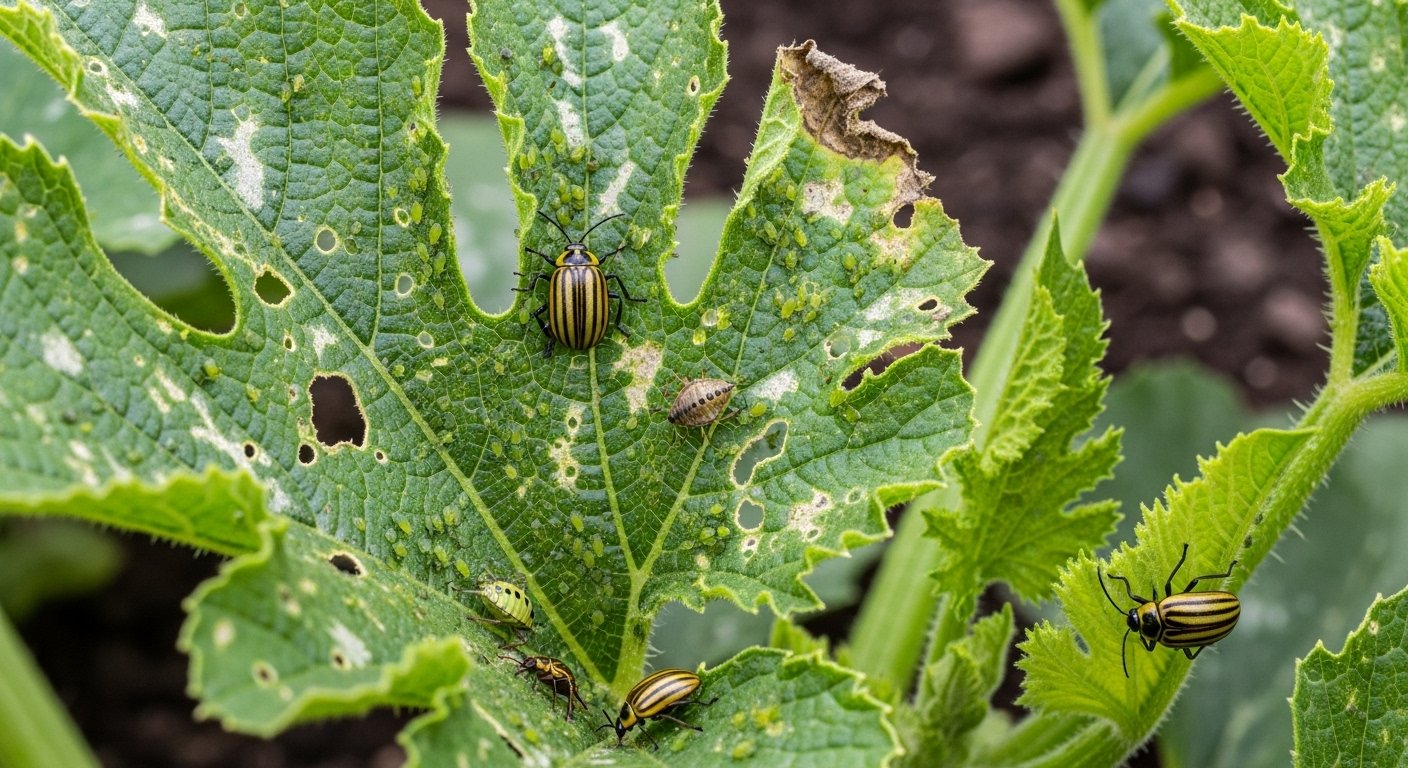
Growing zucchini can be rewarding, but several persistent pests can threaten your plants if not kept in check. The most common culprits are squash bugs, aphids, and cucumber beetles.
Squash bugs are brownish-gray insects that feed by piercing the leaves and sucking out plant juices, often causing wilting, crisping, and brown edges on leaves. Aphids, tiny green, black, or gray bugs, cluster on leaf undersides and stems; they leave leaves curled, yellow, and sticky due to a substance called honeydew. Cucumber beetles, which are bright yellow-green with black spots or stripes, chew holes in leaves, flowers, and even fruit, and can spread plant diseases.
Spotting the signs early makes a big difference—look out for tiny holes, browning patches, drooping leaves, or sudden yellowing that starts at the leaf edges. Also, check under leaves for clusters of bronze, orange, or yellow eggs that squash bugs and beetles lay. Wilting in young plants, even after you’ve watered them, often means bugs are feeding on roots or stems.
Early pest detection is crucial, as infestations can quickly spiral out of control and wipe out your crop. Inspect your zucchini plants every few days, especially the undersides of leaves and new growth, so you can pick off pests or eggs by hand, spray them off with water, or use insecticidal soap before they become a major problem. By staying alert and taking action early, your zucchini plants can thrive and produce a healthy harvest.
Popular DIY Bug Spray Recipes for Zucchini
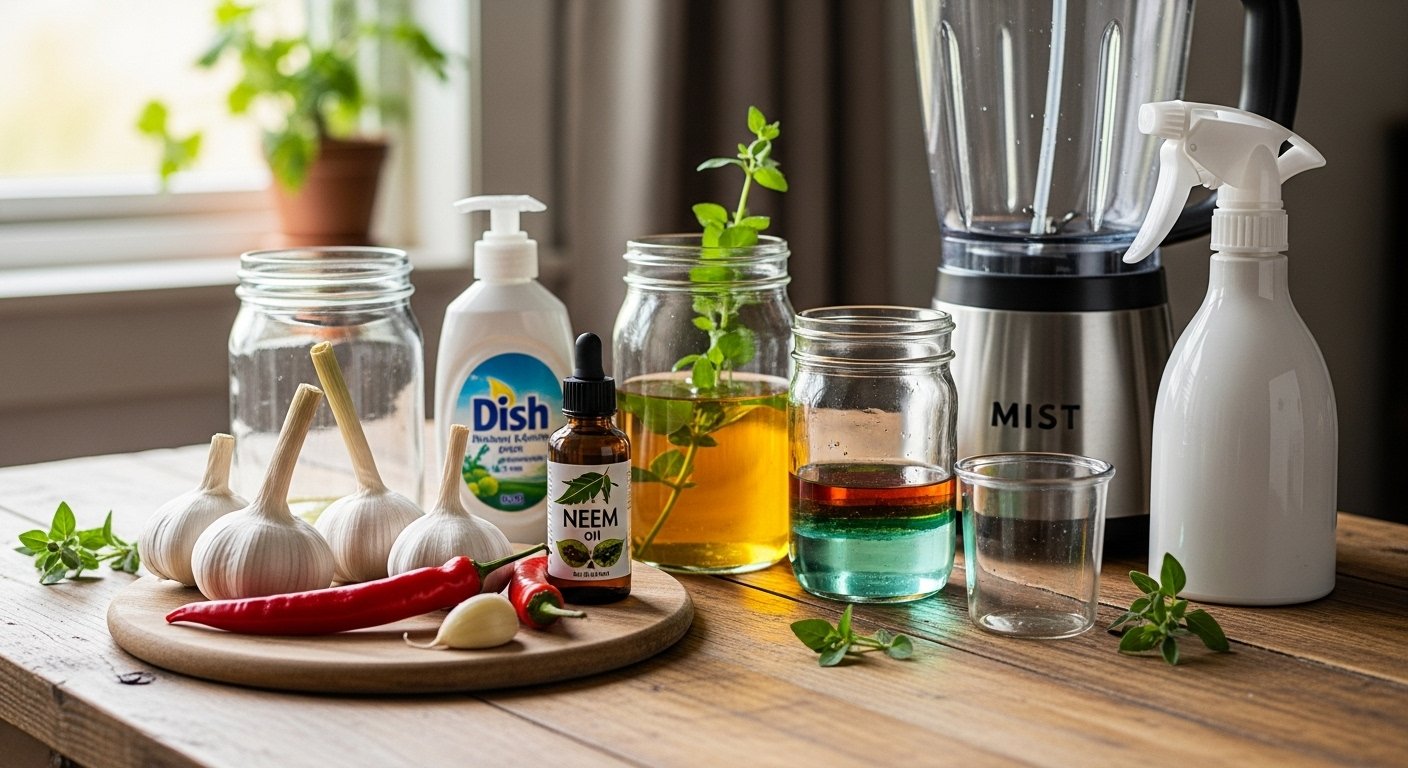
Controlling bugs on your zucchini plants doesn’t always require heavy-duty chemicals—some of the most effective solutions can be mixed up right in your kitchen. Here are a few tried-and-true homemade sprays to help keep pests at bay.
Mild Soap Spray
Combine one tablespoon of liquid dish soap with one quart of water in a spray bottle. Shake well and spritz directly onto the tops and bottoms of leaves. This simple spray targets soft-bodied insects like aphids and whiteflies by disrupting their cell membranes. Be sure to avoid heavily scented or antibacterial soaps, as these might harm your plants.
Neem Oil Spray
For tougher pests like squash bugs and spider mites, neem oil spray is a popular choice. Mix two teaspoons of cold-pressed neem oil and one teaspoon of dish soap into a quart of water, blending well before spraying onto your zucchini every week or after rainfall. Neem oil acts as both a repellent and an insect growth regulator, breaking pest life cycles without harming beneficial bugs when applied early in the morning or late afternoon.
Garlic-Pepper Spray
If your zucchini is under attack from beetles or caterpillars, try a garlic-pepper spray. Blend two bulbs of garlic and two hot peppers with a quart of water, strain the mixture, then dilute the concentrate with another quart of water before spraying. This creates a strong odor and flavor barrier to deter pests and is safe for pets and children. Just make sure to test a small area first to check for any plant sensitivity.
Whichever spray you use, focus on the undersides of leaves and repeat applications after rain. Remember, consistent use is key—homemade sprays work best as preventative treatments rather than quick fixes for heavy infestations. Combining these recipes can keep your zucchini healthy and productive throughout the season, and you’ll know exactly what’s going onto your food.
How to Apply DIY Bug Spray Safely and Effectively
To get the best results from your DIY bug spray, timing and technique matter. Start by applying the spray in the early morning or late afternoon when temperatures are cooler and pollinators like bees are less active—this reduces the risk of harming helpful insects and prevents the spray from evaporating too quickly.
Spray a fine, even mist on both sides of the leaves, focusing on areas where pests cluster, but avoid drenching the plants; excess moisture can stress leaves and lead to fungal problems. Always test your spray on a single leaf and wait 24 hours to check for any negative reactions before treating the whole plant.
Repeat applications once or twice a week rather than daily, and always reapply after rain. Avoid spraying during intense midday sun, as the combination of heat and liquid droplets can act like a magnifying glass, burning the leaves.
Make sure to remove any flowers or avoid spraying them altogether to protect pollinators, and consider spraying in the evening when bees have left. A common pitfall is targeting the spray indiscriminately—take time to identify which plants truly need treatment rather than blanketing your whole garden.
By paying attention to timing, coverage, and your plants’ health, you’ll get better pest control while keeping your garden ecosystem thriving.
Organic Pest Prevention Tips Beyond Sprays
If you’re looking to prevent pests in your zucchini patch without constantly reaching for sprays, start with smart cultural practices that make your garden less inviting to bugs. Water your plants early in the morning, aiming for the base instead of the leaves—this helps zucchini dry quickly, discouraging fungi and bugs that thrive in damp conditions.
Give each plant enough space by sticking to recommended spacing (usually about two to three feet apart). Crowded plants block airflow, making it harder for leaves to dry and easier for pests and diseases to spread unseen. Good airflow is essential, so don’t be afraid to gently prune away damaged or excess leaves, especially around the plant’s base.
Companion Planting and Variety Selection
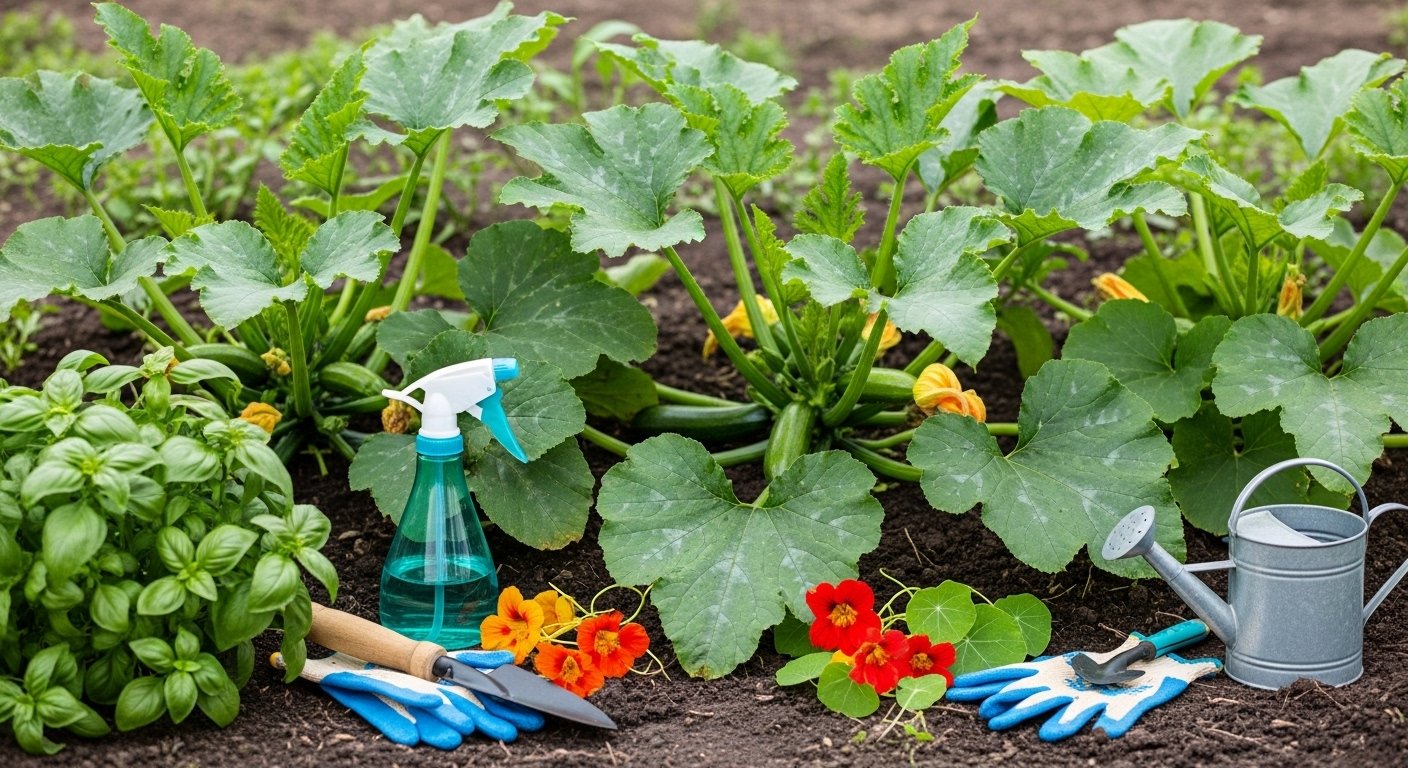
Another effective, spray-free strategy is companion planting. Try growing zucchini alongside strong-scented herbs like basil or nasturtiums—these naturally repel aphids and squash bugs, and their flowers attract beneficial insects that hunt pests. Choose zucchini varieties with built-in disease resistance, such as ‘Dunja’ or ‘Slick Pik’, to avoid problems before they start.
Garden Hygiene and Crop Rotation
Finally, make garden hygiene a habit: promptly remove dead leaves or rotting fruits, pull up weeds, and clean up debris at the end of each season. This reduces hiding spots for overwintering pests like squash vine borers. Consider rotating where you plant zucchini each year, too; moving crops keeps persistent pest populations from building up in one spot.
With these practical habits, you’ll foster a healthier, low-pest zucchini patch season after season.
Troubleshooting DIY Bug Spray Problems
If you notice your plants developing leaf spots, yellowing, or wilting after applying a homemade bug spray, don’t panic—these symptoms often mean the mixture is too strong or unsuitable for your plant type. First, rinse the leaves gently with water to remove any remaining spray and allow the plant a few days to recover.
To prevent further issues, always patch-test new sprays on a small, inconspicuous section of your plant. Wait 24-48 hours before applying to the whole plant. If no negative reaction occurs, proceed with a more diluted version of your original solution; for example, halve the concentration of soap, oil, or essential oils in your recipe.
When diluting, always mix thoroughly and label your spray bottles to avoid confusion. If persistent pests remain, try alternating recipes—switch from an oil-based spray to a soap-based one, or introduce physical pest control like gently washing bugs off with water or using sticky traps.
Remember that some plants, like ferns and succulents, are more sensitive than others, so research your specific plant’s tolerance before treating. If you continue to have problems despite adjustments, it may be worth consulting a local nursery or gardening expert for specialized advice.
Stay patient and experiment carefully; the key is finding a gentle, effective solution that tackles pests without harming your plants.
Conclusion & Quick Reference Recipe Chart
Maintaining healthy zucchini plants with minimal pest issues comes down to a few proven strategies: keep your garden tidy, inspect leaves regularly for early signs of trouble, introduce helpful insects, and make use of effective DIY pest sprays. By being proactive and attentive, you can often nip pest problems in the bud before they cause serious damage. Don’t be afraid to test out different approaches to see what works best in your unique garden environment.
Here’s a quick reference chart for common pest sprays:
| Spray | Ingredients | Targets |
|---|---|---|
| Neem Oil Spray | Neem oil, water, mild soap | Aphids, squash bugs, beetles |
| Garlic-Pepper Mix | Garlic, chili pepper, water | Whiteflies, leaf miners |
| Soap Spray | Mild soap, water | Aphids, spider mites |
| Baking Soda Spray | Baking soda, water, mild soap | Powdery mildew |
Gardening is always a learning process, so experiment with these sprays and share your results with fellow growers—your discoveries could make all the difference for someone else’s zucchini patch!