Introduction
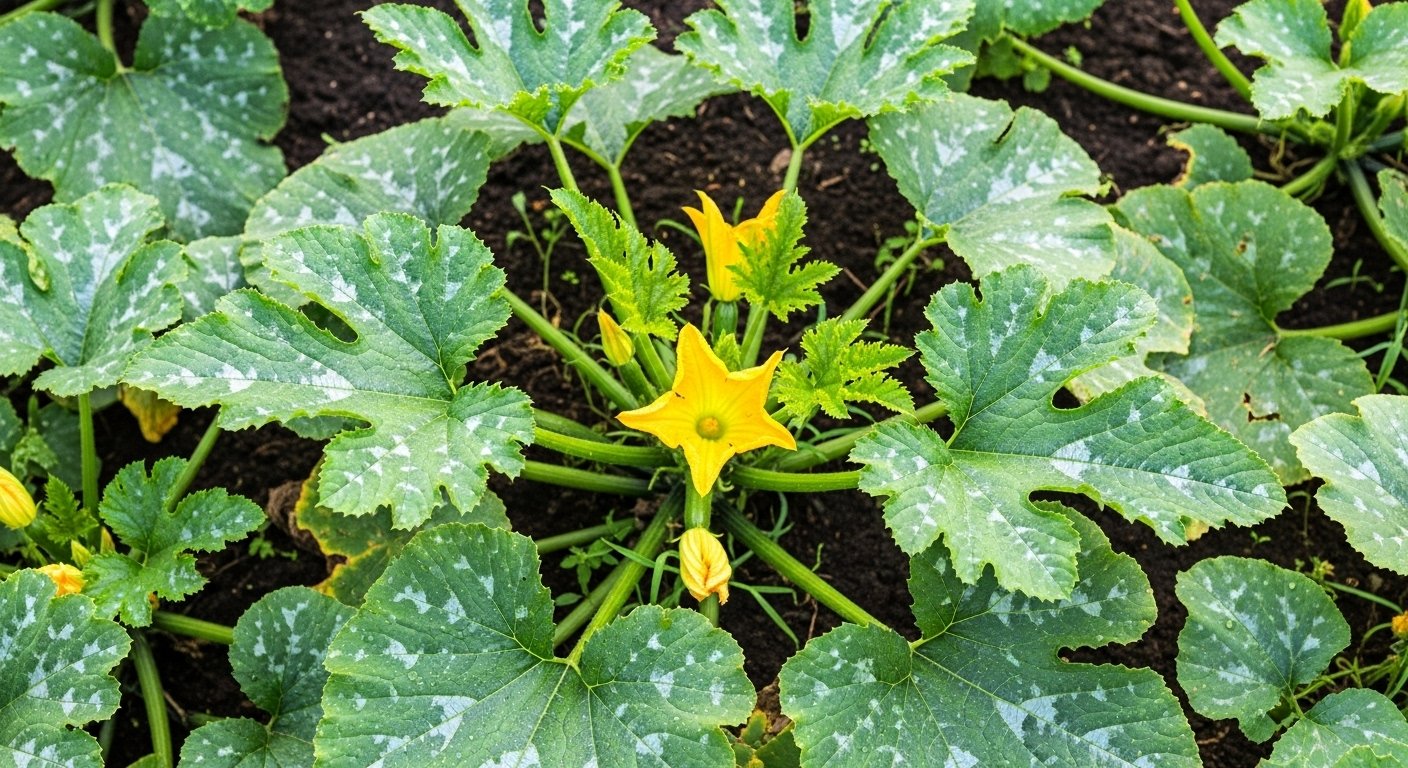
zucchini plant wilting can be a frustrating sight for gardeners, especially since zucchini is prized for being a productive and relatively easy crop to grow. Many home gardeners choose zucchini because, when healthy, these plants can produce an abundance of fruit throughout the season with minimal fuss. However, keeping your zucchini patch thriving requires more than just sunshine and watering—you need to pay close attention to plant health from the start.
A successful harvest depends on recognizing early warning signs and knowing how to respond. Wilting is one of the most common red flags that something isn’t right. This issue can be linked to a variety of factors such as plant diseases (like bacterial wilt or powdery mildew), pest invasions (especially squash vine borers and aphids), and environmental stresses including irregular watering, root damage, or excessive heat. Left unaddressed, these problems can compromise your plant’s vigor and dramatically reduce yields.
But the good news? With some knowledge and timely action, most causes of zucchini wilting can be identified and managed effectively. In the following sections, you’ll learn how to spot the main issues behind wilting, along with practical tips to keep your zucchini patch standing tall and healthy all summer long.
Identifying Common Zucchini Diseases
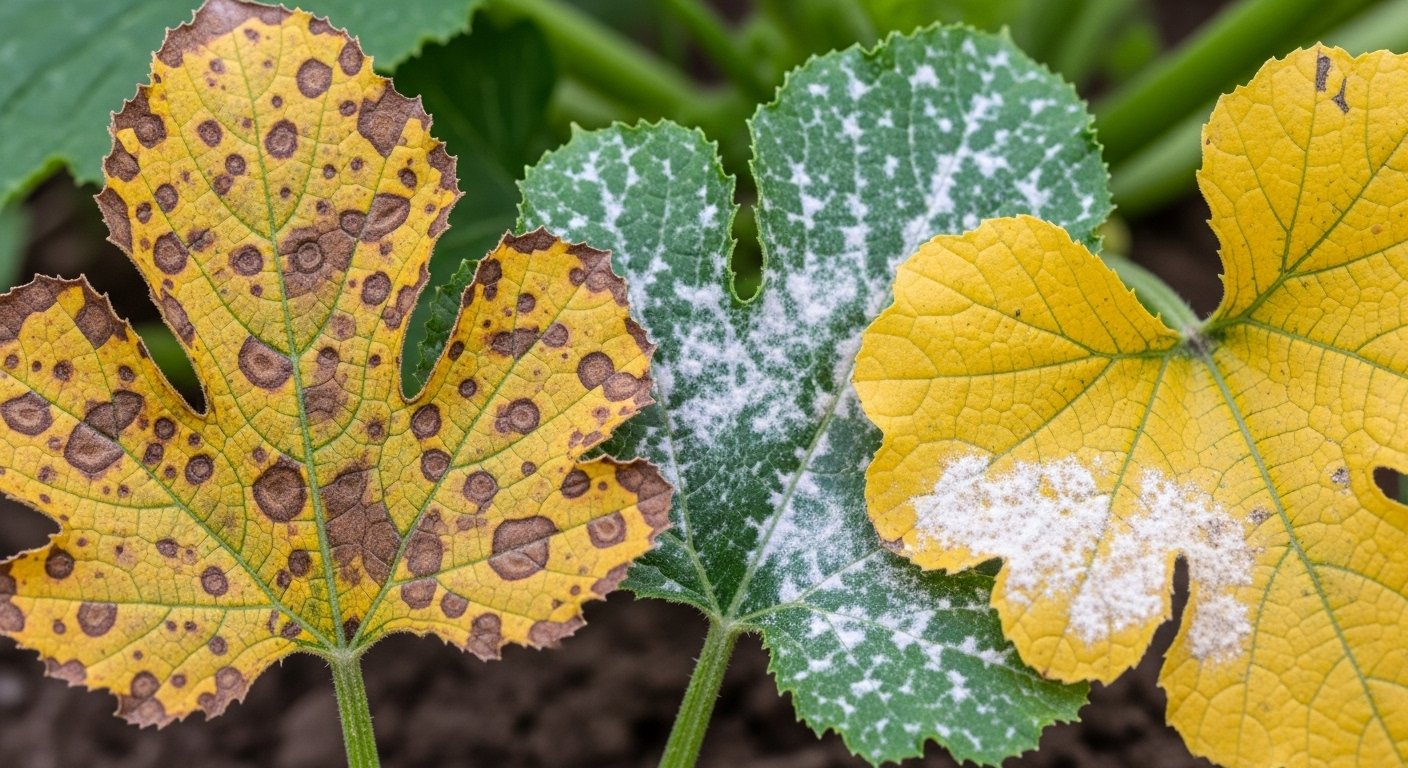
Zucchini plants are susceptible to several common diseases, and recognizing the specific problem is crucial for successful treatment. Alternaria leaf blight often appears as brown, circular spots with yellow edges on the leaves. These spots can merge over time, causing large dead patches and weakening the plants.
Powdery mildew is easy to spot—it looks like a white, dusty coating on the leaves and stems, especially during warm, humid weather. If left untreated, it can stunt the plant’s growth.
Downy mildew creates yellow or pale green patches on the tops of leaves, often accompanied by fuzzy gray or purple mold on the undersides. This disease thrives in cool, damp conditions.
Bacterial wilt, spread by cucumber beetles, usually begins with sudden wilting of individual leaves. Eventually, entire vines collapse, even if the soil remains moist.
Symptoms such as leaf spots, powdery coatings, yellowing, wilting, and stunted growth can indicate multiple issues, so it’s important not to jump to conclusions. For example, both fungal and bacterial infections can cause yellowing and wilting but require different management strategies.
Pests, rain splash, and windy weather commonly spread spores and bacteria from plant to plant. Regularly inspecting your zucchini for signs of distress and noting details—like the pattern of leaf discoloration or whether stems are also affected—can help you accurately identify the disease and act quickly with the proper treatment.
Understanding Pest Problems: Squash Vine Borers and Squash Bugs
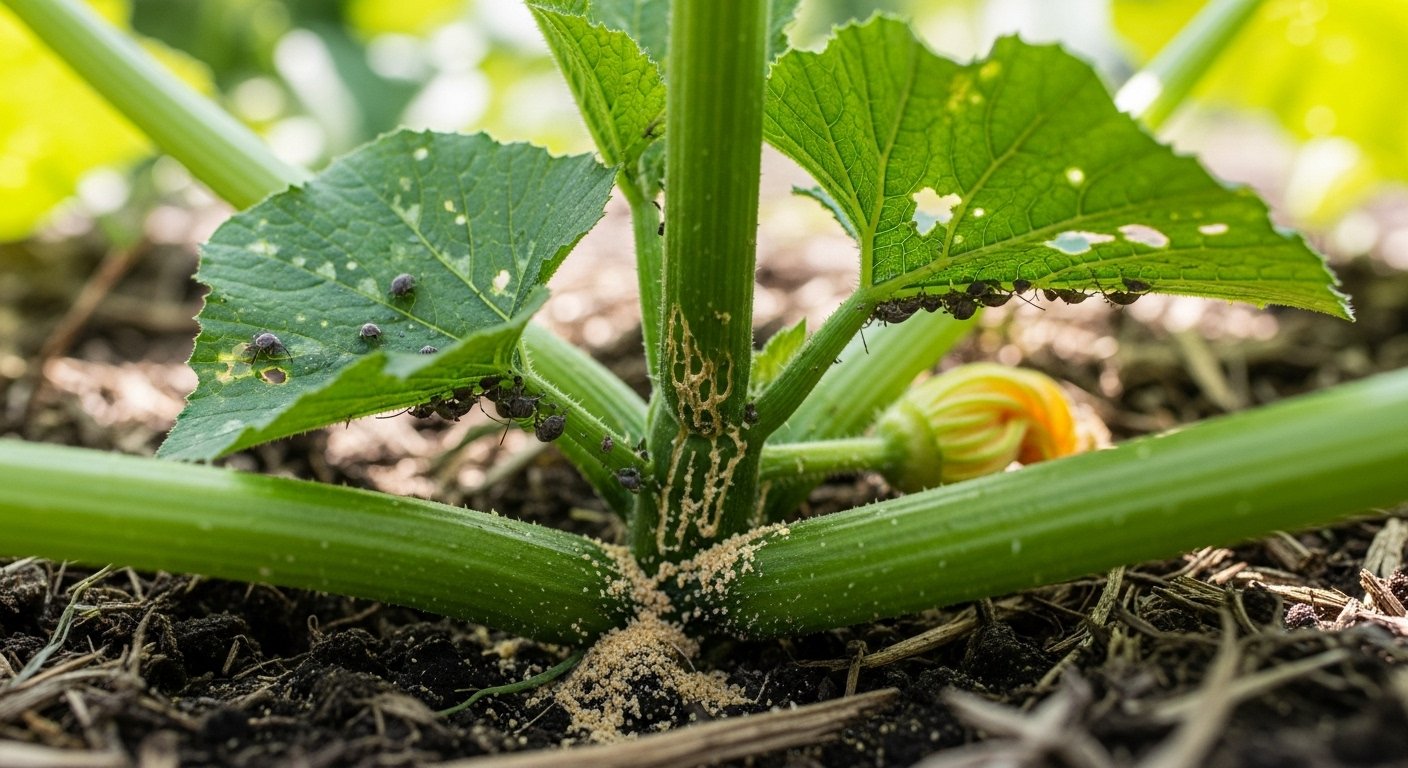
Spotting pest problems early can save your squash crop from sudden disaster, especially when dealing with squash vine borers. These pests are notorious for causing seemingly healthy squash plants to wilt overnight. If you notice a plant that abruptly looks limp and distressed—especially in the heat of the day—check the base of the stem for small entry holes or sawdust-like frass. These are common signs that vine borer larvae are tunneling inside, which can ultimately cause the entire plant to collapse.
Squash bugs, another frequent menace, look like flattened grayish-brown insects and tend to cluster on stems and leaf undersides. They feed on sap and cause yellow or brown spots that slowly spread and weaken the plant. Meanwhile, cucumber beetles—easily recognized by their yellow-green bodies with black spots or stripes—not only chew on leaves and flowers but are also notorious for spreading bacterial wilt and mosaic virus, which further threaten plant health.
Distinguishing Pest Damage from Diseases
One way to separate pest damage from diseases is to look for the evidence: visible insects, eggs, or larval tunnels are key clues of pests, while widespread, pattern-like discolorations without insect presence often suggest a disease.
Early Detection and Control Methods
- Regularly inspect plants—especially young ones—for clusters of bronze eggs, moving insects, or unexplained holes.
- Place yellow sticky traps near the plants to catch adult beetles and bugs.
- Consider wrapping the lower plant stems with aluminum foil as a barrier against vine borers.
- Scout your garden early in the morning, handpick pests, and promptly remove infested plants.
These steps can greatly reduce outbreaks before they get out of control, helping ensure a healthy, productive squash patch.
Environmental and Physiological Issues (Damping Off, Blossom End Rot, Frost)
Damping off is one of the most frustrating problems for gardeners starting plants from seed. It’s a soil-borne disease, usually caused by fungi, that makes seedlings suddenly wilt, collapse, and die. It often appears as a dark, mushy section on the stem right at soil level. Early signs include stunted growth and a water-soaked look near the base of the seedlings. To reduce the risk, use sterile potting mix and clean containers, avoid overwatering, and ensure good air circulation.
Another common issue, blossom end rot, shows up as black, sunken spots on the bottom of fruits like tomatoes or peppers. This problem is typically linked to inconsistent watering and a lack of calcium in the soil rather than being a disease itself. It means the plant can’t transport enough calcium to the developing fruit. Regular, even watering and amending your soil with compost or lime can help prevent it.
Frost is also a real threat, causing leaves or whole plants to turn black and mushy overnight. Always check weather forecasts and protect plants with row covers or bring containers indoors if frost is expected.
Often, the root cause of these issues is improper watering: too much water leaves roots sitting in soggy soil, inviting rot; too little water stresses plants, making them less able to fend off diseases or absorb nutrients. Stick your finger about an inch into the soil—if it’s dry, water; if it’s damp, wait another day.
Good-quality soil rich in organic matter, mulching to stabilize moisture and temperature, and using raised beds or well-drained pots all make a big difference. Ultimately, prevention is about staying observant, providing plants with stable, healthy conditions, and acting quickly at the first sign of trouble.
Best Practices for Zucchini Disease and Pest Prevention
Preventing diseases and pests in your zucchini patch starts with a few smart cultural practices—think of them as your garden’s natural defense system. Rotate your crops each season, avoiding planting zucchini and other squash in the same spot more than once every three years. This disrupts the life cycles of common pests like squash vine borers and soil-borne pathogens.
Give each zucchini plant ample space (at least 18–24 inches apart); good airflow dries leaves faster and makes conditions less favorable for fungal diseases such as powdery mildew. Hygiene is critical, too: always clean your gardening tools before and after use to avoid spreading disease. Stay on top of weeding because neglected weeds shelter pests and can harbor viruses or fungi.
Mulching around the base of your zucchini retains soil moisture, suppresses competing weeds, and even helps prevent certain pests like cucumber beetles—a layer of straw or grass clippings works well. Try pairing zucchini with companion plants like nasturtiums or marigolds, which naturally repel some insect pests and attract beneficial pollinators for better yields.
When shopping for seeds or starts, choose disease-resistant zucchini varieties. While no plant is immune to every problem, these varieties stand a better chance against common threats like downy mildew or mosaic virus. Finally, make it a habit to check your zucchini plants a few times each week for early signs of trouble—yellowing leaves or small holes, for example—and treat promptly, whether it’s hand-picking bugs, spraying with organic options like neem oil, or judiciously applying chemical controls as a last resort.
Staying proactive and practicing these simple habits saves you time, headaches, and leads to a more bountiful zucchini harvest.
Quick Solutions: What to Do When Problems Strike
When your zucchini suddenly shows signs of trouble—wilting leaves, unusual spots, or clear pest damage—don’t panic. Start by assessing the situation with a systematic checklist.
First, inspect the entire plant and any neighboring ones for symptoms. If you spot major wilting, check soil moisture; water deeply if dry, but avoid overwatering.
For leaf spots or fungal signs, immediately remove and safely discard affected leaves by placing them in a sealed bag and disposing of them in the trash—not your compost—to prevent disease spread.
For visible pests like squash bugs or cucumber beetles, hand-pick them early in the day and drop them into soapy water, or use insecticidal soap as a gentle, effective organic option.
Consider neem oil sprays for both fungal and some insect problems, ensuring you follow label instructions and avoid treating during pollinator activity.
Reserve chemical treatments only for severe infestations or persistent diseases, and always choose products labeled safe for edible gardens.
Record each problem you encounter, including dates, symptoms, and your chosen solutions—this log can save headaches in future seasons.
Don’t hesitate to ask your local extension office or gardening group for advice; they often have region-specific wisdom and can recommend resistant plant varieties for next year.
Above all, stay calm and approach each problem like a gardening detective—methodical steps and timely action can prevent small issues from turning into big setbacks, keeping your zucchini productive all season.
Conclusion: Growing Healthy, Productive Zucchini
Growing healthy, productive zucchini starts with recognizing the early signs of disease and pest problems—look for yellowing leaves, holes, or sticky residue, and catch issues before they spread. Keep plants healthy by rotating crops each year, watering at the base to avoid wet foliage, and giving them room to breathe, as crowded zucchini are more prone to mildew and bugs.
When you spot trouble, try removing affected leaves or using natural remedies like neem oil for pests, and don’t be afraid to pull a severely diseased plant to protect the rest. Consistent, close observation is your best tool: check your zucchini daily, especially during warm spells when problems can pop up overnight.
Embracing these challenges isn’t just necessary—it makes you a better gardener, teaching you what works in your unique space. Remember, even the best gardeners deal with powdery mildew or squash bugs now and then. Don’t get discouraged by setbacks; each season brings new lessons.
With a little care and persistence, you’ll enjoy a bountiful zucchini harvest and gain confidence to tackle whatever the garden throws your way.