Why Grow Courgettes Vertically?
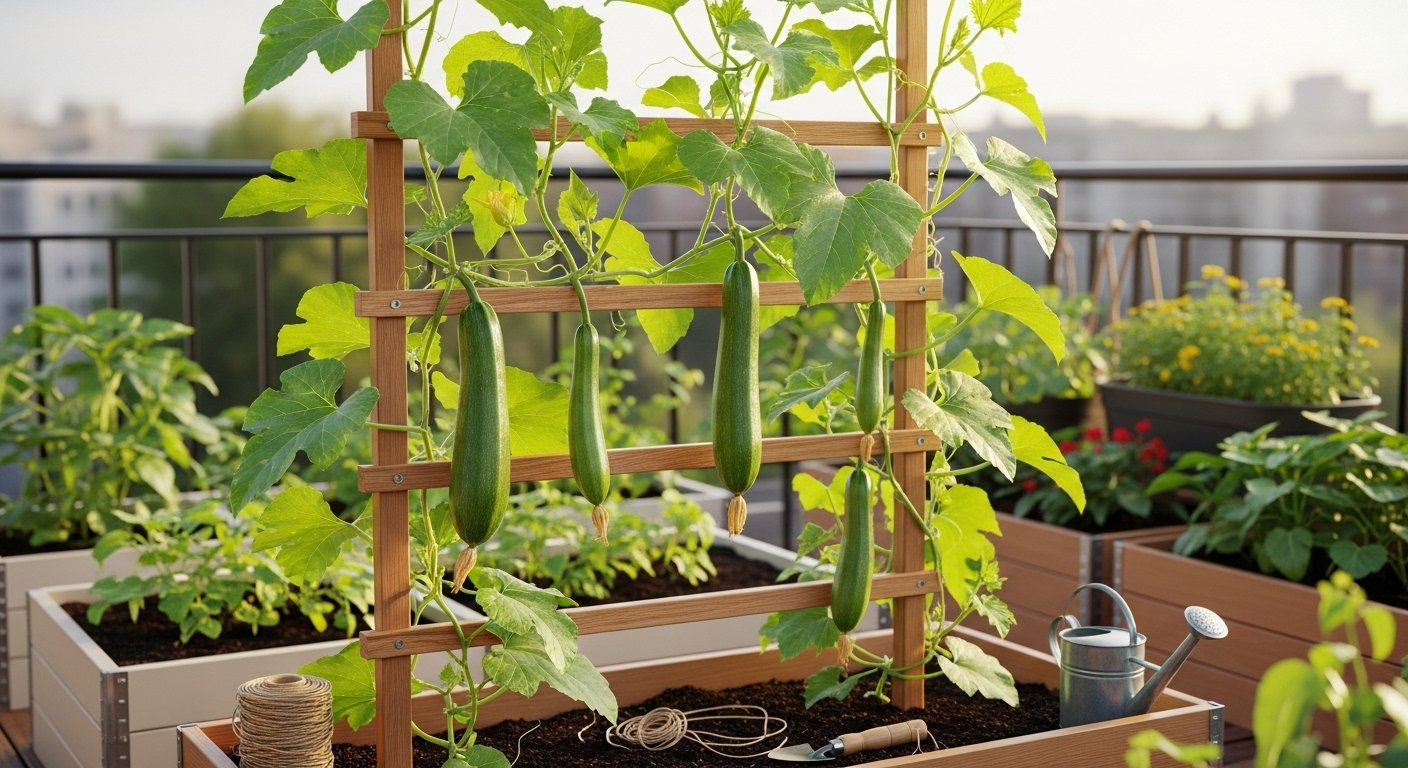
Vertical zucchini growing is becoming popular among gardeners, and for good reason. Training your courgette plants to climb helps you maximize limited ground space—a game-changer for those with small backyards, patios, or balconies. Unlike sprawling plants that take over garden beds when grown traditionally on the ground, vertical zucchini setups allow your vines to climb trellises, fences, or sturdy stakes. This upright method not only frees up valuable garden space but often leads to higher yields per square foot, as the plants receive more sun, better airflow, and easier access for pollinators.
Benefits of Vertical Growing
- More space: Frees up garden real estate, perfect for small areas.
- Higher yields: Improved sun exposure and airflow encourage better growth.
- Reduced pest and disease pressure: Fruits stay off the ground, minimizing risks like powdery mildew, root rot, and slug or snail attacks.
- Easier harvesting: Fruits hang in plain sight, making picking quick and simple without digging through dense foliage.
Who Benefits Most?
This vertical method especially suits urban gardeners, renters, or anyone with limited outdoor space but a love for homegrown veggies. Even with a large plot, growing vertically helps maximize harvests and reduce maintenance. For instance, apartment balcony gardeners can use a large pot and a simple trellis to enjoy fresh zucchini, while suburban gardeners can free up space to grow more crops alongside their vertical vines.
Whether you’re short on room or just want healthier, more productive zucchinis, vertical zucchini growing is an efficient, smart, and sustainable way to add fresh courgettes to your table.
Choosing the Right Courgette Varieties
When choosing which courgette varieties to grow, especially if you’re working with limited space, it’s important to understand that not all courgettes are created equal. Standard bush varieties, such as Black Beauty or Defender, grow outward in compact, low shapes and are great for traditional gardens or raised beds, where they can easily sprawl.
However, if you want to maximize your yield in a small footprint, particularly when using vertical supports or containers, look for vining or “climbing” courgette types. Varieties like Tromboncino or Raven have a more vining habit, meaning they naturally send out long stems that can be trained up trellises, fences, or sturdy cages — perfect for balcony gardens or small patios.
When selecting seeds, scan the packet or product description for cues like “vining variety,” “good for vertical growing,” or “compact and container-friendly.” Look for varieties specifically described as “climbing,” “trailing,” or “space-saving.” Additionally, check if the expected mature size fits your space and support structure, and whether the plant resists common diseases, as compact growth can sometimes increase humidity and encourage fungal issues.
If you’re growing in containers, opt for dwarf bush types or compact climbers that won’t outgrow your pot too quickly; for example, Eight Ball is a small, round courgette perfect for containers and small gardens.
Whatever style you choose, make sure your support system is sturdy—vining types can get quite heavy with a full harvest! A little planning and the right variety can turn even the smallest space into a productive courgette patch, all while keeping maintenance in check and harvests within arm’s reach.
Preparing to Grow: Location, Soil & Containers
When it comes to growing courgettes vertically, setting up the right environment from the start makes all the difference. Choose a spot that gets at least six hours of direct sunlight per day—more is even better, as courgettes thrive on warmth and light. Try to shield the area from strong winds with a fence or hedge, since gusts can snap tender stems and tip over tall containers. Access to water is key, too; courgettes are thirsty plants, so being able to run a hose or easily carry watering cans will save you effort down the line.
Soil and Nutrients
For soil, look for a rich, well-draining mix high in organic matter. Loamy garden soil amended with plenty of compost is ideal, but if you’re filling raised beds or containers, commercial vegetable-growing compost works well. Mix in slow-release organic fertilizer or well-rotted manure for a nutrient boost—courgettes are hungry feeders!
Containers and Space
If you’re gardening in pots, choose containers at least 40cm (16 inches) wide and deep to give each plant enough root space. Large grow bags are a great space-saving option and make it easy to move plants if needed. For raised beds, aim for at least 30cm (12 inches) depth, and if you’re short on ground space, narrow vertical planters or trellis-supported containers can help train courgette vines upward.
Choosing Varieties and Climate Considerations
Remember to select varieties suited to your local climate or growing zone—some are bred for short seasons or cooler areas, while others need a long, warm period to properly fruit. If you’re in a cooler region, consider starting seeds indoors or investing in mini-greenhouses or cloches for extra warmth. With the right setup, even a small patio or balcony can be transformed into a productive, vertical courgette patch.
Planting Courgettes for Vertical Growth
To grow courgettes vertically, start by sowing seeds indoors 3-4 weeks before your last expected frost. Fill small pots with quality seed compost, planting each courgette seed about 2 cm deep, flat side down. Water gently so the soil is moist but not soggy—overwatering at this stage can cause seeds to rot. Place the pots in a warm, bright spot (around 18-21°C) and watch for sprouts in 7-10 days. Once seedlings show their first true leaves, thin to the strongest plant per pot and keep the compost moist. When the risk of frost is over and seedlings are about 10-15 cm tall with sturdy stems, harden them off over a week by gradually introducing them to outdoor conditions.
Choosing the Right Spot and Preparing for Transplant
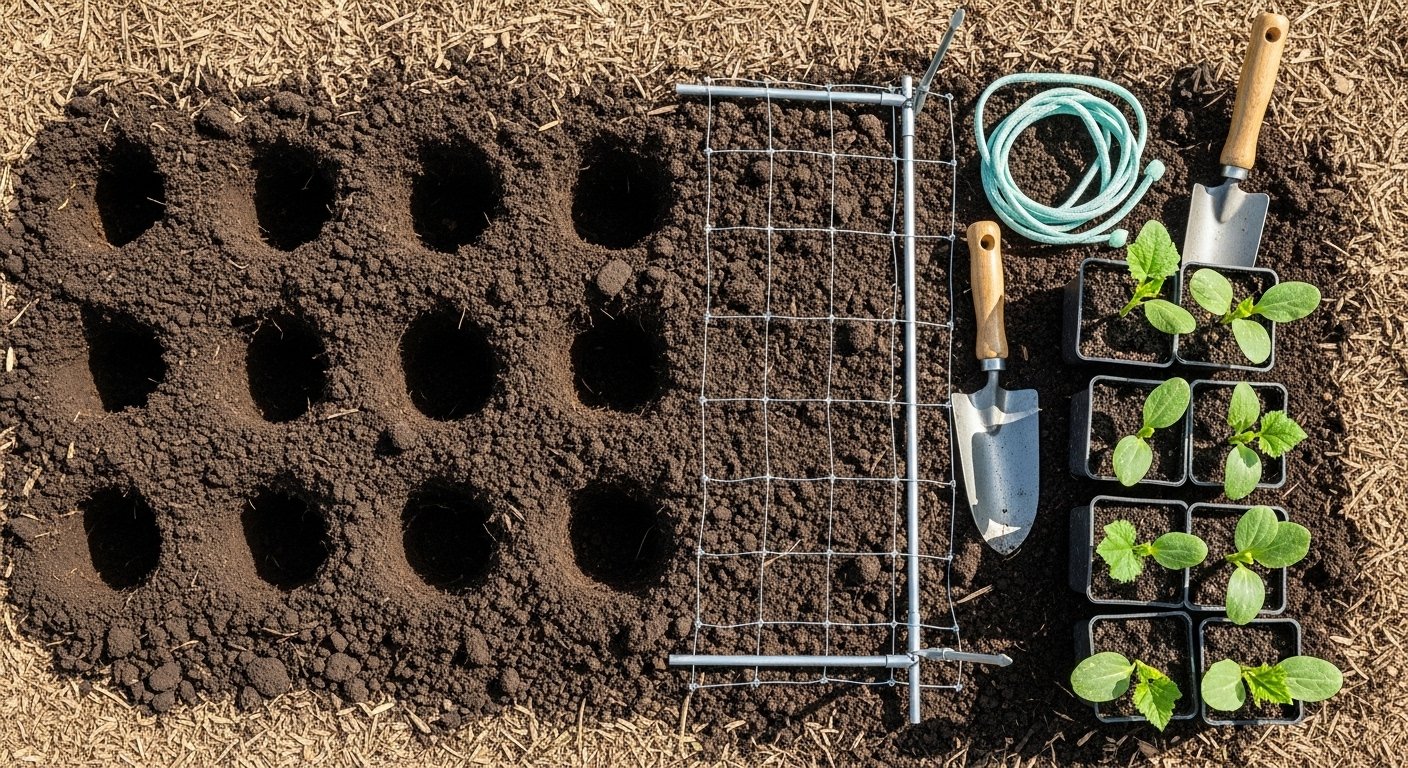
Choose a vertical gardening spot that receives at least 6-8 hours of sun daily, since courgettes thrive in warmth and light. Install a strong trellis, sturdy stakes, or a vertical netting system before transplanting so young roots aren’t disturbed later. Space seedlings 45-60 cm apart to allow good airflow and easy access for harvesting—crowding reduces airflow and increases disease risk.
When planting, dig a hole just deep enough to cover the seedling’s root ball up to its first set of leaves; this encourages auxiliary root development for better anchorage and nutrient uptake. Back-fill gently, firming the soil around the base, then water thoroughly to settle the soil and hydrate the young plant.
Early Care and Training for Vertical Growth
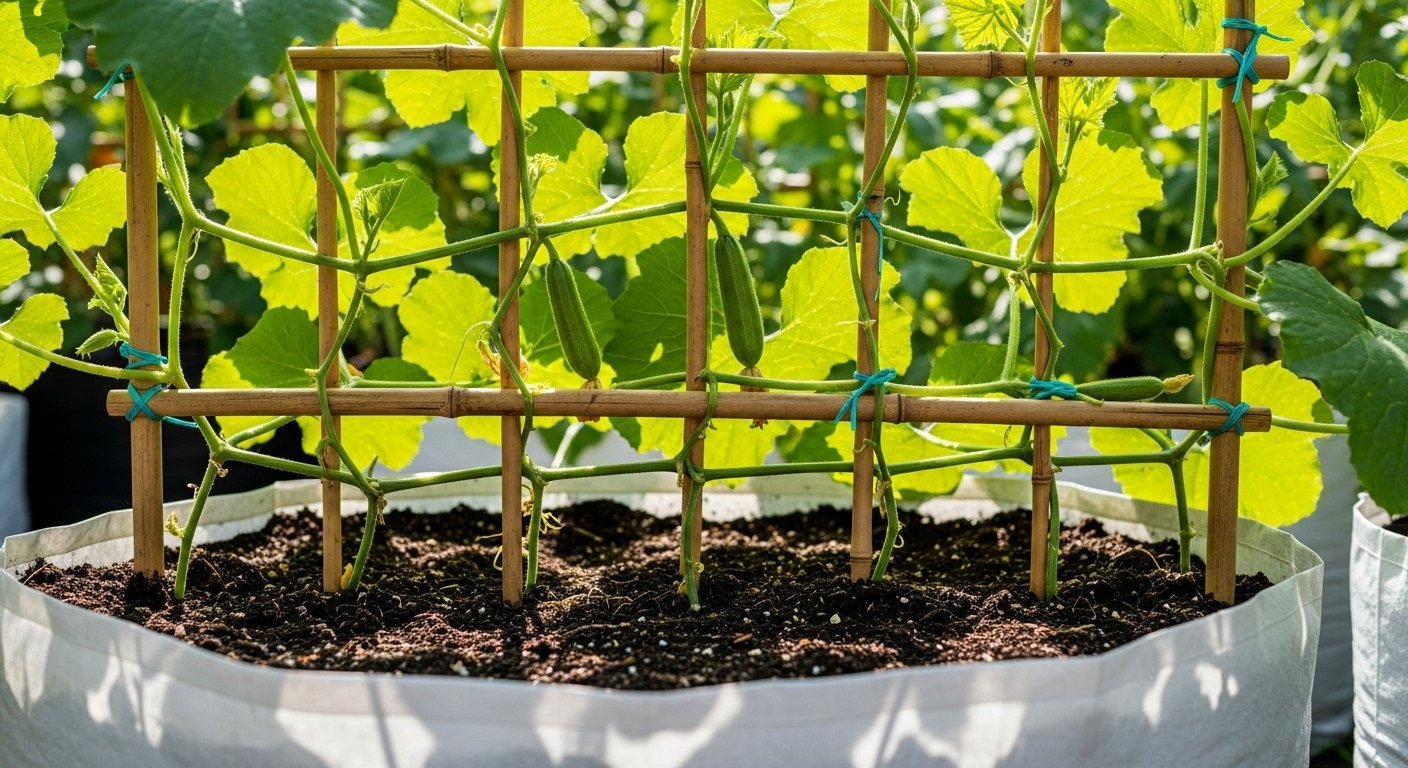
At this early stage, focus on gentle but consistent watering—aim for moist, never saturated soil, and avoid wetting the leaves to minimize fungal issues. Mulch with compost or straw to retain moisture and suppress weeds. As soon as the main stem extends, begin training it upward by tying the plant loosely to the trellis or netting with soft ties or twine. Check ties regularly to prevent girdling as stems thicken.
Vertical growth relies on supporting the vine as it elongates, so keep watch and guide new shoots as needed. Healthy, well-spaced, and well-watered seedlings soon adapt to their upward path, setting the foundation for a productive vertical courgette garden.
Supporting and Training Your Plants
Successfully supporting and training your plants not only helps them grow upright and strong but also improves airflow and makes harvesting easier. For climbing plants like tomatoes, cucumbers, or beans, trellis options include vertical stakes or bamboo poles, sturdy cages (metal or heavy-duty plastic), and flexible garden netting.
Install vertical supports early—ideally when you transplant seedlings—by securing stakes or cages at least 6–12 inches into the ground for stability. Netting works well for broad rows; just be sure it’s taut and anchored with stakes at both ends.
As vines grow, tie them gently to your support system using soft, stretchy materials like cloth strips, twine, or commercial plant ties—avoid using wire, which can cut into stems as the plant thickens.
To encourage bushier, more productive plants, try pruning side shoots on tomatoes just above a leaf node or pinching the tips of squash and beans once they reach your desired height. This focuses the plant’s energy on producing fruit and helps maintain sturdy growth.
If you notice plants aren’t climbing, guide new growth by loosely attaching stems to the nearest support and keep removing lower leaves that might trap moisture and invite disease.
For top-heavy plants, check that your supports are still standing firm and add extra ties higher up as needed—don’t be afraid to reinforce cages with an extra stake if harvests are heavy.
Regular checks for broken, sagging, or tangled supports ensure everything stays secure throughout the season, helping your garden stay tidy and your plants healthy.
Caring For Vertical Courgettes
Vertical courgettes thrive with consistent care, and watering is a top priority—especially when grown in containers or raised beds. Aim to keep the soil evenly moist but not soggy. Generally, this means watering deeply two to three times a week, adjusting for hot or rainy weather.
For containers, check the soil daily, as they dry out faster. Water early in the morning to minimize evaporation and avoid wetting the leaves, which can invite disease.
Fertilizing is key to healthy courgette crops: start with a balanced, slow-release fertilizer at planting, then feed every two weeks with a liquid fertilizer high in potassium and low in nitrogen during fruiting—think tomato feed. Courgettes need nitrogen for leafy growth at first, but too much can lead to lush foliage with little fruit, so adjust as needed throughout the season.
Pest and Disease Prevention
Vigilance against pests and diseases is crucial. Powdery mildew shows up as white patches on leaves—prevent this by ensuring good air circulation around your vertical supports and watering at the base.
For aphids, check the undersides of leaves regularly and remove them with a blast of water or insecticidal soap. Vine borers can be deterred by wrapping the base of stems with aluminum foil and promptly removing affected stems.
Additional Tips for Healthy Growth
- Mulch with straw or compost to retain moisture, suppress weeds, and regulate temperature, but keep it a couple of inches from the stem to prevent rot.
- Try companion planting: grow nasturtiums nearby to deter aphids or marigolds to ward off other pests, and pair courgettes with beans to boost soil nitrogen.
- Regularly harvest young courgettes to encourage more fruiting.
- Remove any yellowed or diseased leaves promptly.
- Gently train vines up their supports to keep plants healthy and maximize your vertical space.
Taking these steps boosts yields, reduces disease risk, and keeps vertical courgette gardens productive and attractive all season long.
Harvesting and Troubleshooting
Knowing when your vertical garden is ready for harvest makes all the difference in taste and yield. Look for visual cues—ripe tomatoes should be deep red and slightly soft, lettuce leaves crisp and full, and herbs giving off their signature scent.
To encourage continuous production, always use clean, sharp scissors or pruners and pick regularly. For example, harvesting beans and cucumbers every few days prompts new growth and larger yields over time.
With big yields, storage quickly becomes important. Leafy greens stay fresh when packed loosely in damp paper towels inside airtight containers, while herbs can be chopped and frozen in ice cube trays with water or olive oil for quick additions to soups or skillets.
If an abundant harvest overwhelms your fridge, quick-use ideas like making pestos, stir-fries, or sharing with neighbors can help prevent waste.
Common Troubleshooting Tips
Vertical gardens bring unique challenges:
- Poor pollination: This often shows up as flowers dropping without fruit. Gently shake or tap plant supports, or attract pollinators with companion flowers like marigolds.
- Stem breakage: Sometimes happens when top-heavy plants outgrow their supports. Add extra ties or trellis extensions ahead of time and prune regularly to keep growth manageable.
- Overcrowding: Leads to disease and weak growth. Thin seedlings early and trim lower leaves to improve airflow—don’t hesitate to be ruthless with those snips.
Remember, setbacks are part of the learning process, not a sign to give up. Celebrate your successes, jot down what worked (and what didn’t), and sketch out improvements for next season.
Each harvest helps you improve, and even the smallest vertical setup can feed your curiosity—and your table—for cycles to come.