Introduction to Harvesting Zucchini
Knowing exactly when to harvest zucchini is one of the secrets to enjoying this summer squash at its best. Zucchini is a favorite among home gardeners, celebrated for its rapid growth, generous yields, and versatility in the kitchen. But timing is everything—pick your zucchini too early and they’re underdeveloped; wait too long and they become seedy and tough, losing that prized tenderness and sweet, mild flavor.
Harvesting at just the right moment not only enhances taste and texture but also helps your plants keep producing fresh fruits throughout the season. In this article, we’ll guide you on when to harvest zucchini and explore what size yields the best results, drawing on real-life gardener experiences to help you judge maturity with confidence.
We’ll also cover practical tips for harvesting without damaging your plants, how to store freshly picked zucchini for maximum shelf life, and strategies to encourage an even bigger harvest over the summer. Whether you’re a first-time grower or a seasoned veggie enthusiast, you’ll find actionable advice to help you make the most of every zucchini on your vines.
When to Pick Zucchini for the Best Taste and Texture
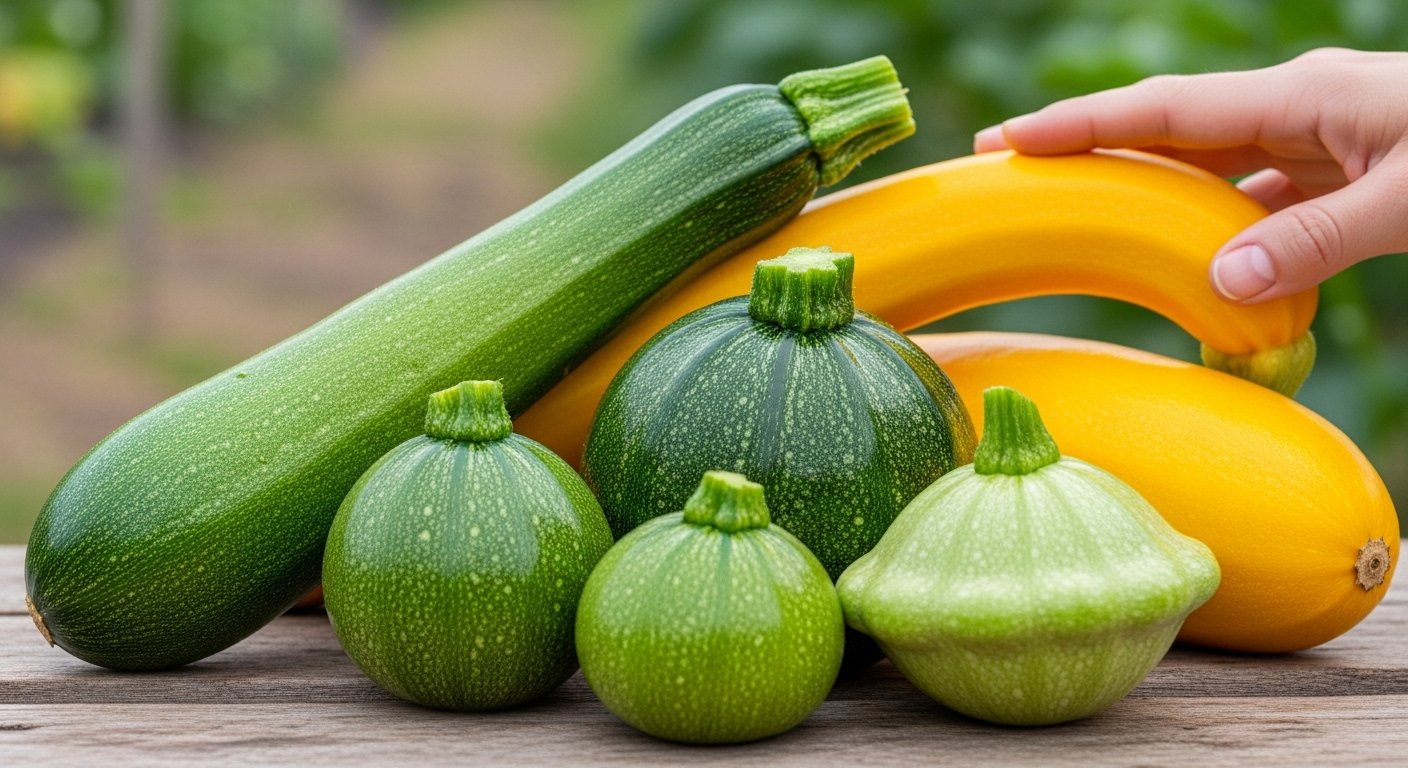
Knowing exactly when to pick zucchini can make all the difference in taste and texture. For the classic green zucchini, look for fruits that are about 6 to 8 inches long—their skin should be glossy and deep green, feeling firm but not hard when gently squeezed. Overly large zucchinis may seem impressive, but they often have woody skin and tough seeds inside, making them less enjoyable for most recipes.
Pattypan and round zucchinis are best harvested when they’re about the size of a golf to tennis ball, keeping their flesh tender and flavor sweet. Crookneck varieties, recognizable by their curved neck and yellow skin, are perfect for picking at 4 to 5 inches long when the skin is still soft and yields slightly to pressure.
If you pick any type too early, you’ll get a bland, underdeveloped zucchini lacking the sweetness and full texture; let them stay too long, and you risk a watery, seedy interior and tough skin that can even make prepping unpleasant. Regular harvesting encourages the plant to keep producing, so plan to check your garden every couple of days.
A good trick is to run your fingernail gently over the skin—if it dents easily but doesn’t puncture, your zucchini is at its peak. With a little observation and touch, you’ll soon have a knack for plucking squash at just the right time, no matter which variety you’re growing.
How Much Zucchini Can a Plant Produce?
On average, a healthy zucchini plant can produce between 6 to 10 pounds of zucchini throughout a season, often yielding 5 to 10 fruits if picked consistently. However, the actual number can vary based on several important factors.
Variety Matters
The specific variety of zucchini you choose plays a big role—some bush types yield less, while vigorous vining varieties can offer even more.
Pollination Is Key
Proper pollination is crucial because zucchini require bees or hand-pollination for successful fruit set. If you notice flowers falling off without producing fruit, pollination might be the issue.
Growing Conditions
Growing conditions are equally critical:
- Full sun (at least 6–8 hours daily)
- Well-draining soil rich in organic matter
- Consistent moisture
These factors help maximize productivity.
Tips to Boost Your Harvest
- Harvest zucchinis regularly while they’re small (6–8 inches long) to encourage the plant to keep producing new fruit instead of focusing on oversized zucchinis.
- Mulch to maintain even soil moisture.
- Feed your plants with a balanced fertilizer every few weeks to support healthy growth.
- Keep an eye out for pests like squash bugs or powdery mildew, which can quickly lower your harvest if left unchecked.
By choosing productive varieties, ensuring good pollination, and providing ideal growing conditions, even new gardeners can enjoy a bountiful zucchini harvest from just a few plants.
How to Harvest Zucchini the Right Way
Harvesting zucchini properly ensures a steady supply of tender, delicious vegetables all season long. Start by checking your plants every day or two, as zucchini can grow from tiny to oversized almost overnight.
The ideal size to pick is 6–8 inches long—smaller zucchinis are more flavorful and help keep the plant producing. Harvest in the early morning, when the fruits are cool and firm, for the best texture.
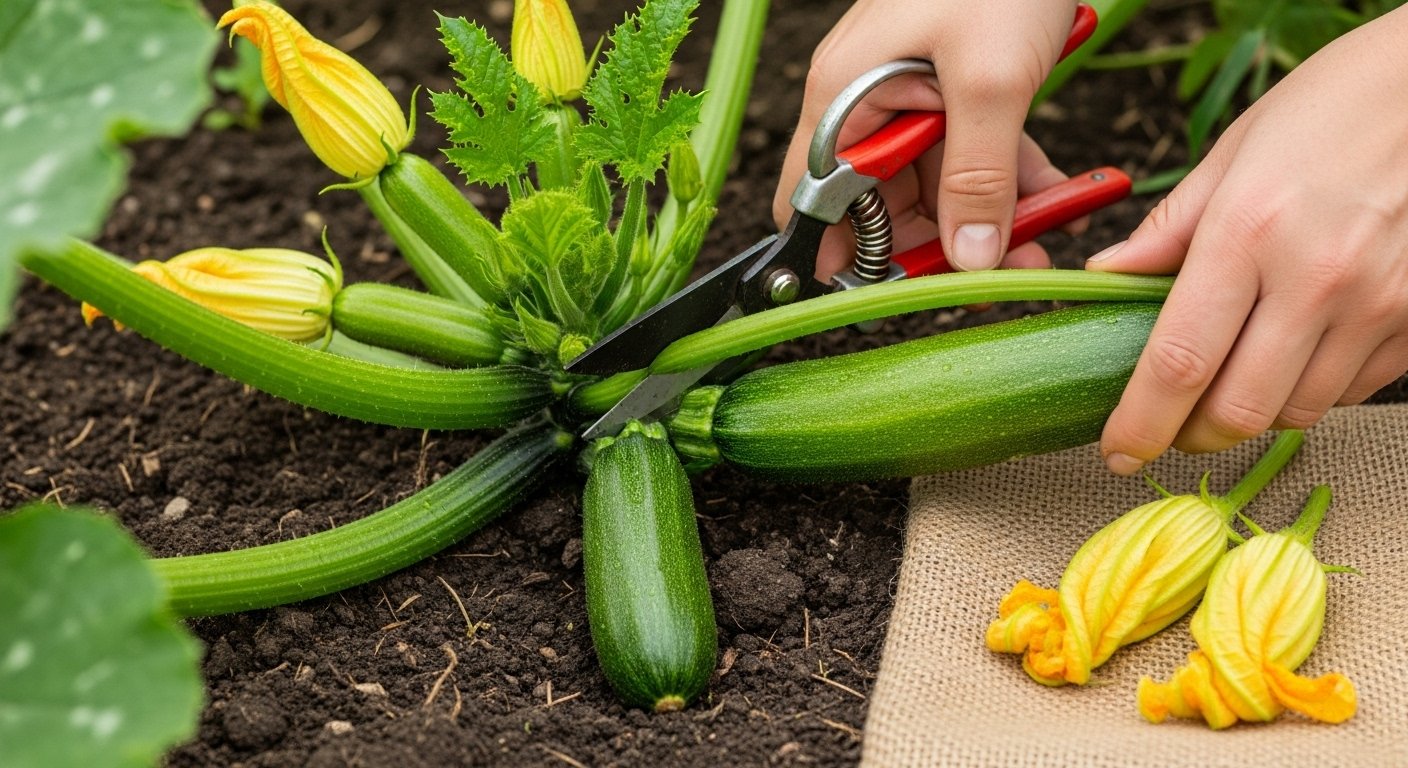
Use a sharp garden pruner or knife rather than pulling or twisting, as this can damage the plant and invite disease. Simply hold the zucchini in one hand and make a clean cut about an inch above the fruit, leaving a short stem attached. This technique prevents unnecessary stress on the plant and helps it keep thriving.
If your zucchini has blossoms, you can harvest them too, but be selective:
- Only pick male blossoms (which have a thin stem and no fruit).
- Leave most female blossoms intact, since these will develop into new zucchinis.
Always wear gloves if you have sensitive skin, as zucchini plants can be a bit prickly. After harvesting, store zucchinis in a cool, dry place and avoid washing them until right before use to prolong their freshness.
By following these simple yet effective practices, you’ll enjoy a healthy, productive zucchini patch throughout the growing season.
How to Handle and Store Fresh Zucchini
After harvesting or buying fresh zucchini, it’s important to handle them with care to maximize their shelf life. Start by gently brushing off any dirt—avoid washing until you’re ready to use them, since excess moisture can speed up spoilage.
For short-term storage, keep unwashed zucchini in a paper or perforated plastic bag in the crisper drawer of your fridge, where they’ll stay fresh for up to a week. If your kitchen is cool (around 50°F), you can store zucchini on the countertop for two to three days, but don’t leave them in hot or direct sunlight, as this will cause them to soften and spoil quickly.
Freezing Zucchini for Long-Term Preservation
For long-term preservation, freezing is your best bet. Begin by washing and slicing or dicing the zucchini—some people prefer to blanch the pieces in boiling water for a minute first, then quickly plunge them into ice water. This step helps maintain texture and color.
Drain the pieces thoroughly and dry them with a clean towel; excess moisture can lead to freezer burn. Arrange the pieces in a single layer on a baking sheet and freeze until solid before transferring to a freezer bag or airtight container. This method ensures the pieces don’t clump together, so you can easily take out just what you need for soups, stir-fries, or baking later.
Choosing and Inspecting Zucchini
When sorting your zucchini, check for signs of overripeness or damage—oversized, dull, or yellowing zucchini can be watery and tough, while soft spots, wrinkling, or cuts are signs they’re past their prime. If parts are only slightly damaged, simply cut them away and use the good portions immediately in cooked dishes. Severely overripe or mushy zucchini are best composted.
Keeping a regular eye on your stored zucchini helps you catch any problems early, reducing waste and ensuring you enjoy them at peak freshness.
Creative Ways to Use Your Surplus Zucchini
If your garden’s zucchini plants are cranking out more veggies than you can handle, don’t let them go to waste—a bit of creativity can make every last one delicious.
Savory Options
Classic zucchini bread turns out moist every time, and spiralizing raw zucchini into “zoodles” makes a fresh, healthy pasta alternative—just add pesto or a light sauce. Stir-frying chopped zucchini with garlic, olive oil, and a sprinkle of parmesan is a quick side dish, while thick slices brushed in olive oil and grilled are perfect for summer barbecues.
Oversized zucchini may be a bit tough for salads, but they’re great for stuffing: scoop out the seeds, fill them with a mix of cooked grains, veggies, and cheese, then bake until hot and bubbling. You can also grate big zucchini and freeze it in portions for future recipes like soups, muffins, or fritters.
Sweet Treats and Snacks
Don’t shy away from sweet treats—zucchini adds incredible moisture to chocolate cake or brownies without making things taste “vegetably.” For snacks, slice zucchini into thin rounds, season with salt and your favorite spices, and bake or air-fry for homemade chips.
Big Batch Ideas
When you need to use a lot at once, try a big batch of ratatouille, zucchini-corn fritters, or even blend cooked zucchini into soups for a creamy texture without cream.
Don’t Forget the Blossoms
These delicate flowers are a chef’s secret, delicious stuffed with ricotta and herbs then lightly fried, or simply torn over salads or pizzas for a gourmet touch.
With a little imagination, you’ll welcome every extra zucchini that comes your way!
Tips for Growing Healthy, High-Yield Zucchinis
Healthy, high-yield zucchinis start with the right foundation—plant them in full sun with well-drained, compost-rich soil, and give each plant plenty of space for airflow. Water deeply at the base early in the morning to avoid wetting the leaves, which helps prevent powdery mildew, a common zucchini woe. Mulching around your plants keeps the soil moist and discourages weeds.
Keep an eye out for pests like squash bugs and cucumber beetles; handpick them or use row covers early in the season for protection.
If your plants are flowering but not producing fruit, poor pollination may be the culprit—try planting flowers like nasturtiums nearby to lure in bees, or gently transfer pollen between flowers with a small paintbrush.
Harvest young zucchinis when they’re about six inches long for the best flavor and texture; larger fruits can drain energy from the plant and slow further production. To keep your zucchini coming, pick regularly and remove any overgrown fruits, which signals the plant to keep producing instead of shutting down for the season.
Remember, attentive care pays off—check the plants several times a week so you can catch issues early and enjoy a steady bounty all summer long.