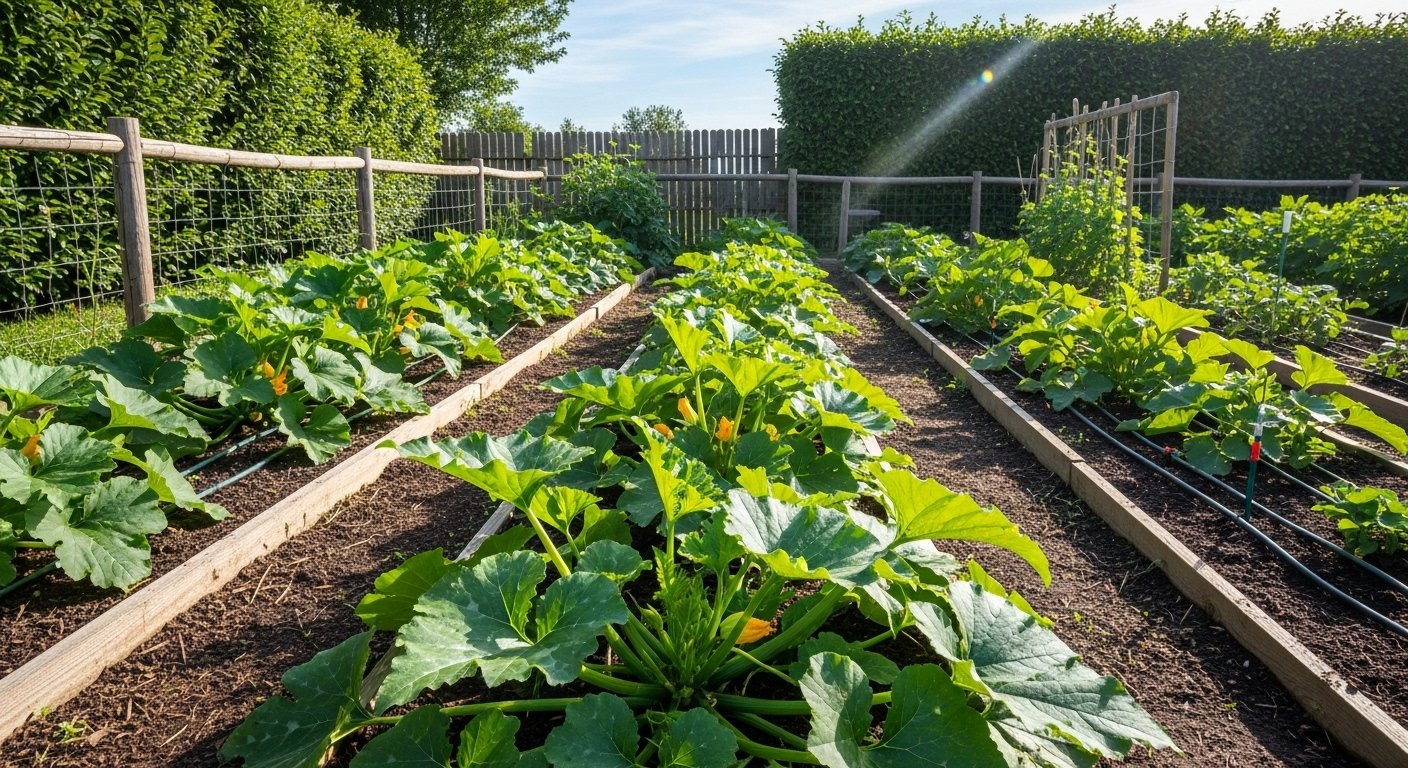
Choosing the Right Location for Your Vegetable Garden
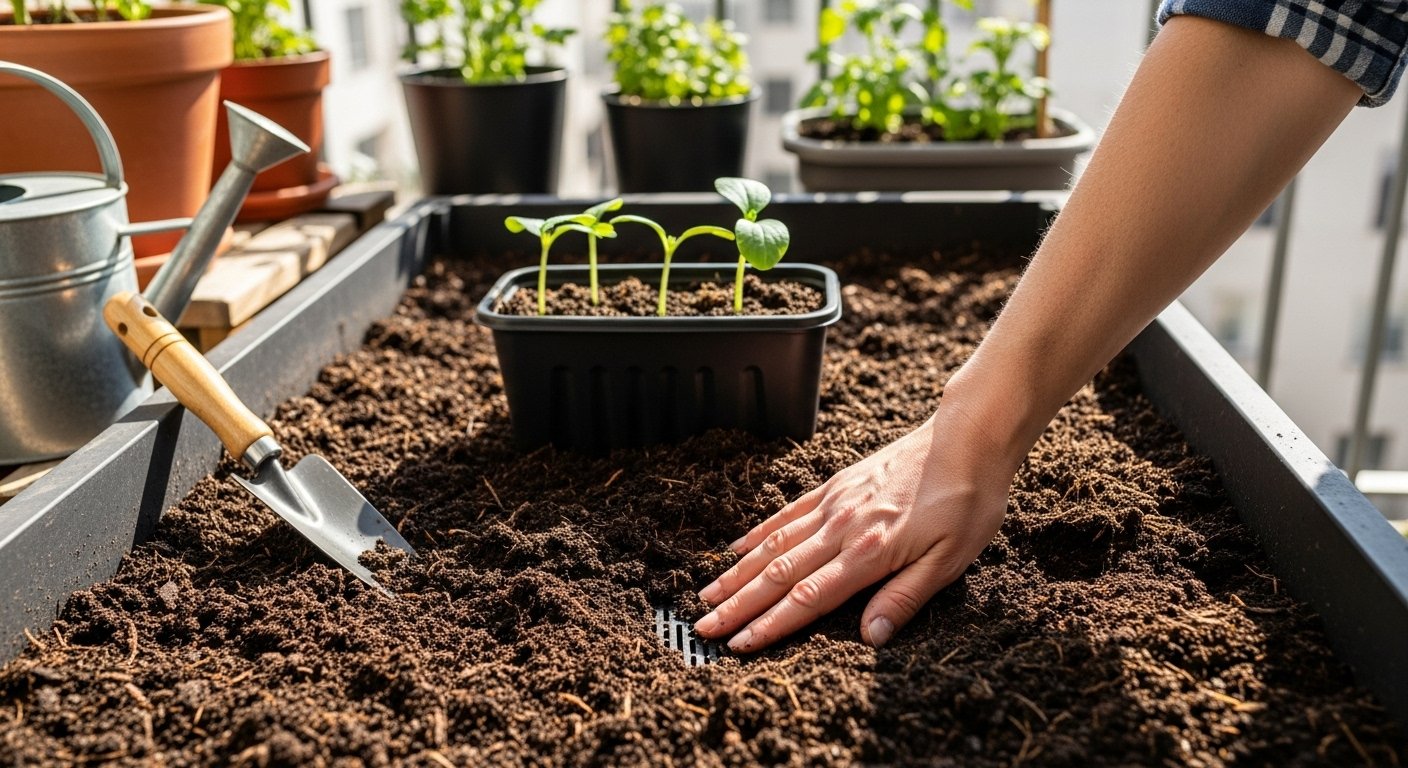
Designing the perfect zucchini garden layout starts with choosing the right location—a step that can make or break your harvest. Zucchinis are sun-lovers, so select a spot that receives at least 6 hours of direct sunlight each day. This sunshine boost is crucial; it encourages strong growth and ensures your zucchini plants produce abundant, flavorful fruits.
If you’re working with a yard, scout for an open area away from large trees or structures that cast shade. For balcony growers, opt for the sunniest corner and rotate containers regularly to catch maximum rays.
Good Drainage Is a Must
Zucchini roots don’t like wet feet, so well-drained soil helps prevent rot and disease. Before planting, observe how water drains after rain—avoid low spots that stay soggy, and consider raised beds or containers if your ground has heavy clay. Many gardeners find success by amending their soil with compost for better drainage and richer nutrients.
If you’re planting on slopes, orient rows along the contour and use mulch to keep both soil and nutrients where you want them.
Protection from Strong Winds
Windbreaks—like hedges, fencing, or even potted shrubs—shield tender plants from drying gusts and minimize stem damage, boosting your zucchini yield. On exposed balconies, arrange taller pots or screens to create a microclimate. Raised beds can be equipped with removable covers if your area has particularly harsh winds.
Site Evaluation and Water Access
Don’t forget to evaluate your site before breaking ground. A simple soil test from a garden center can reveal pH and nutrient levels, letting you amend the soil as needed for optimal zucchini growth. Lastly, ensure your garden site is close to a reliable water source; zucchinis are thirsty plants, especially during fruiting.
With thoughtful planning tailored to your property—be it a sprawling backyard, compact balcony, or raised bed—you can craft a zucchini garden layout that delivers healthy, prolific harvests all season long.
Designing a Practical Garden Layout
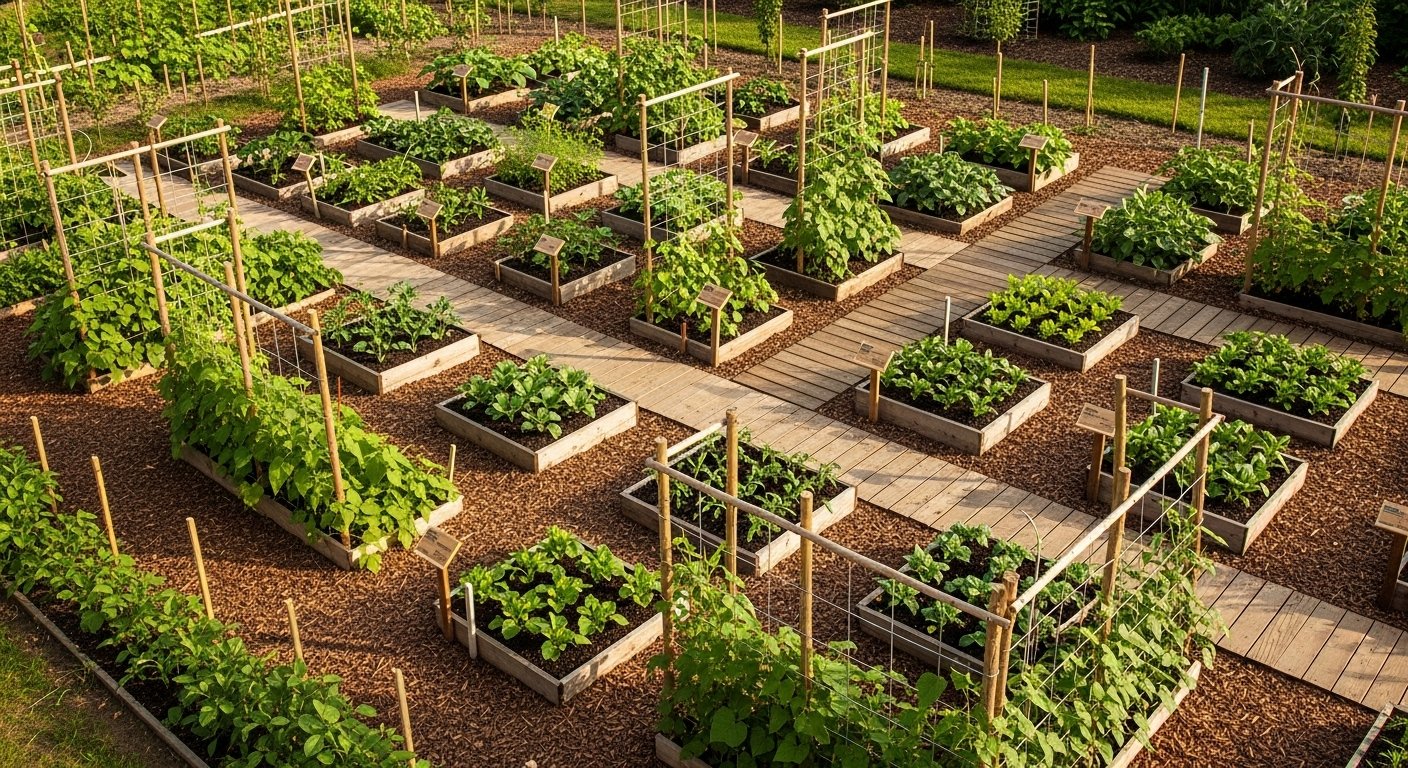
When designing a practical garden layout, choosing between traditional rows, blocks or raised beds, and vertical gardening depends on your space, needs, and maintenance style.
Traditional rows are easy for beginners and allow clear separation between plant varieties, but they can leave empty space along paths that isn’t used for growing. Blocks and raised beds, on the other hand, pack plants closer together, improving yield in smaller spaces and making soil management easier. However, beds wider than 4 feet can make weeding and harvesting tough in the center, so plan your beds to be narrow enough to reach in from all sides.
Vertical gardening—using trellises, cages, or wall-mounted planters—lets you grow up instead of out, which is excellent for small yards or even balconies. The main drawback is that you’ll need to select climbing plants like tomatoes, beans, or cucumbers and provide sturdy supports.
For any layout, efficient pathways help you move between beds without trampling soil. Keep paths as narrow as possible—just wide enough for foot traffic or a wheelbarrow—so you’re not wasting valuable ground. Plan your beds and supports so all plants are accessible for watering, pruning, and harvesting.
Grouping taller supports on the north side of the garden keeps sunlight from being blocked for lower-growing plants. Also, aim for a layout that minimizes tight corners or overly long stretches you can’t reach with your chosen garden tools; this saves time and effort in ongoing maintenance.
Using these approaches, you can create a pleasant, productive garden that fits your lifestyle and keeps maintenance manageable.
Deciding What to Plant and Cropping Strategies
Choosing what to plant in your vegetable garden starts with knowing your local climate and the length of your growing season—these factors determine which vegetables will thrive. For example, leafy greens like spinach and lettuce grow best in cool weather, while tomatoes and peppers love the heat. Check a planting calendar for your region to time your plantings right.
Next, think about what your family enjoys eating; focus on crops you know you’ll actually use in the kitchen. If space is limited, opt for high-yield vegetables like bush beans, cherry tomatoes, or zucchini, which produce a lot over the season.
To make the most of every inch, try companion planting: pair crops that help each other grow, such as planting basil alongside tomatoes to deter pests and boost flavor. Succession planting is another smart strategy—once one crop is harvested, replace it with a quick-grower like radishes or lettuce to keep beds productive.
And don’t forget crop rotation: avoid planting members of the same plant family in the same spot year after year, which helps prevent pest build-up and keeps soil nutrients balanced. By matching your crop choices to your conditions and rotating wisely, you’ll enjoy a healthier, more productive garden all season long.
Planning and Mapping Your Garden
Start by measuring your available garden space—whether it’s a backyard plot, raised beds, or a few containers on a balcony. Sketch the area on paper or use free online tools like Gardener’s Supply Company’s Garden Planner for a digital approach.
Map out rows or blocks, estimating space for each crop by checking seed packet recommendations for spacing; for example, tomatoes need about two feet between plants, while lettuce can be tucked in much closer. Group crops with similar sunlight and watering needs, and rotate heavy feeders like tomatoes or squash to a new spot each year to keep the soil healthy.
For timing, use your local frost dates to plan a calendar—fast growers like radishes and spinach can be sown early, while peppers and beans thrive after the last frost.
Try a simple 4×8-foot bed layout: two rows of tomatoes on one side, carrots and lettuce in the center, and a line of marigolds or basil along the edge for pest control and companion planting.
Keep a garden journal and a planting calendar, either a notebook or a spreadsheet, to note what you plant, harvest times, pest issues, and weather patterns. These quick records make next year’s planning much easier and help you spot what worked—and what to tweak.
Preparing Soil and Planting Effectively
Starting with healthy, nutrient-rich soil is the secret to a thriving garden. Begin by testing your soil to determine its pH and nutrient levels—simple soil test kits are available at most garden centers and help you decide whether you need to raise or lower the pH or add key nutrients like nitrogen, phosphorus, or potassium.
Amending your soil with well-rotted compost is always a win, as it boosts fertility, improves drainage, and helps retain moisture. If needed, supplement with organic or slow-release synthetic fertilizers based on your soil test results.
Once your soil is ready, choose your planting method: direct seeding works well for crops like carrots or beans, but tender veggies like tomatoes or peppers benefit from transplanting seedlings started indoors. When transplanting, handle roots gently to reduce shock, and water in right after planting for a strong start.
For continuous harvests, practice succession sowing by planting quick-growing crops like lettuce every two weeks—a great way to avoid feast-or-famine scenarios and keep your kitchen stocked.
Efficient irrigation is key; try soaker hoses or drip lines to deliver moisture straight to plant roots with little waste, and aim for early morning watering to minimize evaporation.
Mulching with straw, compost, or shredded leaves around your plants will lock in soil moisture, suppress weeds, and keep soil temperatures stable—even a two-inch layer can make a big difference.
For tall or vining crops such as tomatoes, cucumbers, or peas, staking or using trellises provides essential support, encourages better air circulation, and makes harvesting easier while helping prevent disease by keeping foliage off the ground.
By combining careful soil prep, smart planting techniques, and thoughtful plant care, you set the stage for a garden that’s both productive and easy to manage throughout the growing season.
Maintaining, Protecting, and Harvesting Your Garden
Routine garden maintenance is key to a thriving, productive space, so set simple schedules for weeding, watering, and fertilizing. Pull weeds once or twice a week before they set seed and compete with your crops—mulching with straw or leaves can dramatically cut down on weeding time.
Water deeply in the morning, aiming for consistent moisture at the root zone, and adjust for rainfall or heat waves; drip irrigation systems are great for busy gardeners. Feed your plants every few weeks with compost tea or organic fertilizer to promote healthy, steady growth.
Keep a close eye out for common pests like aphids and caterpillars or diseases such as powdery mildew. Handpick bugs when you spot them, invite beneficial insects by planting blooms like marigolds or alyssum, and use natural deterrents like neem oil or homemade garlic spray as needed.
When it comes to harvesting, pick vegetables and herbs frequently to encourage new growth—beans, cucumbers, and zucchini, for example, produce more the more you harvest.
To keep your garden productive all season, try succession planting—sow small batches of seeds every couple of weeks—and interplant fast-growing crops like radishes with slower growers such as carrots. This approach not only maximizes your space but also confuses pests and improves overall yields, ensuring you’ll have fresh produce to enjoy throughout the growing season.