Introduction to Sun-Dried Tomatoes
Drying tomatoes is a time-honored technique that transforms humble fresh tomatoes into sun-dried tomatoes—little bursts of concentrated flavor that can elevate an ordinary recipe into something truly special. By removing most of their moisture, sun-dried tomatoes gain a chewy texture and a tangy, deeply savory flavor that’s far more intense than their fresh counterparts.
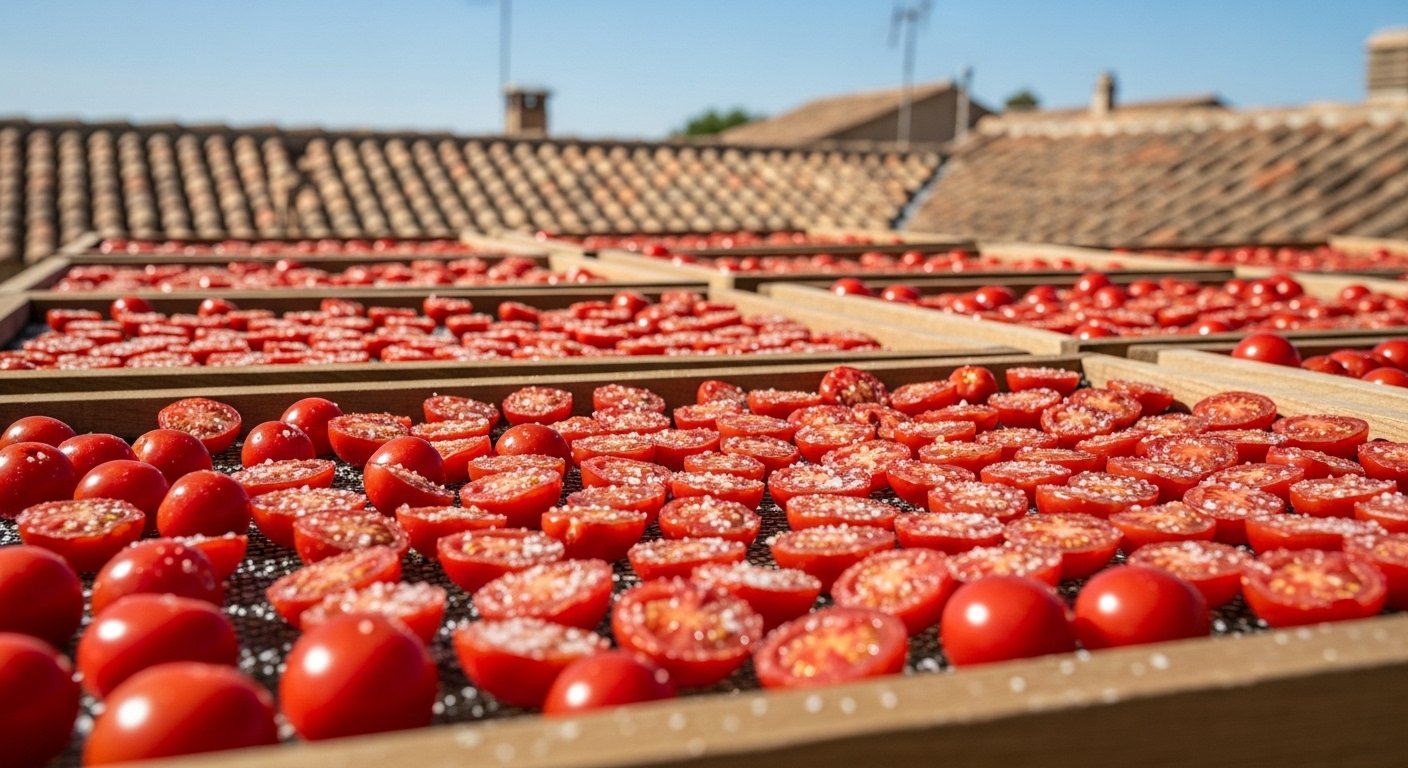
This process dates back centuries to Mediterranean regions, where fields of ripe tomatoes would be sliced, salted, and carefully laid out on rooftops or outdoor racks to bask in the hot sun. This traditional method of sun-drying allowed families to preserve the summer tomato harvest for use throughout the year, infusing dishes with a taste of sunshine even in the colder months.
Today, the popularity of sun-dried tomatoes has traveled far beyond their Italian origins. They’ve found a permanent place in contemporary kitchens, cherished for their versatility and bold taste. Whether sprinkled over salads, blended into pestos, mixed into breads, or tossed with pasta, these ruby-red gems deliver a unique depth of flavor that sets a dish apart.
Health-conscious cooks also love drying tomatoes at home, using ovens or dehydrators to create their own stash of preservative-free, homemade sun-dried tomatoes. For anyone looking to add a punch of umami to their meals, sun-dried tomatoes are an easy way to do it—making them a must-have pantry staple for both traditional recipes and creative new dishes alike.
Best Tomato Varieties for Drying
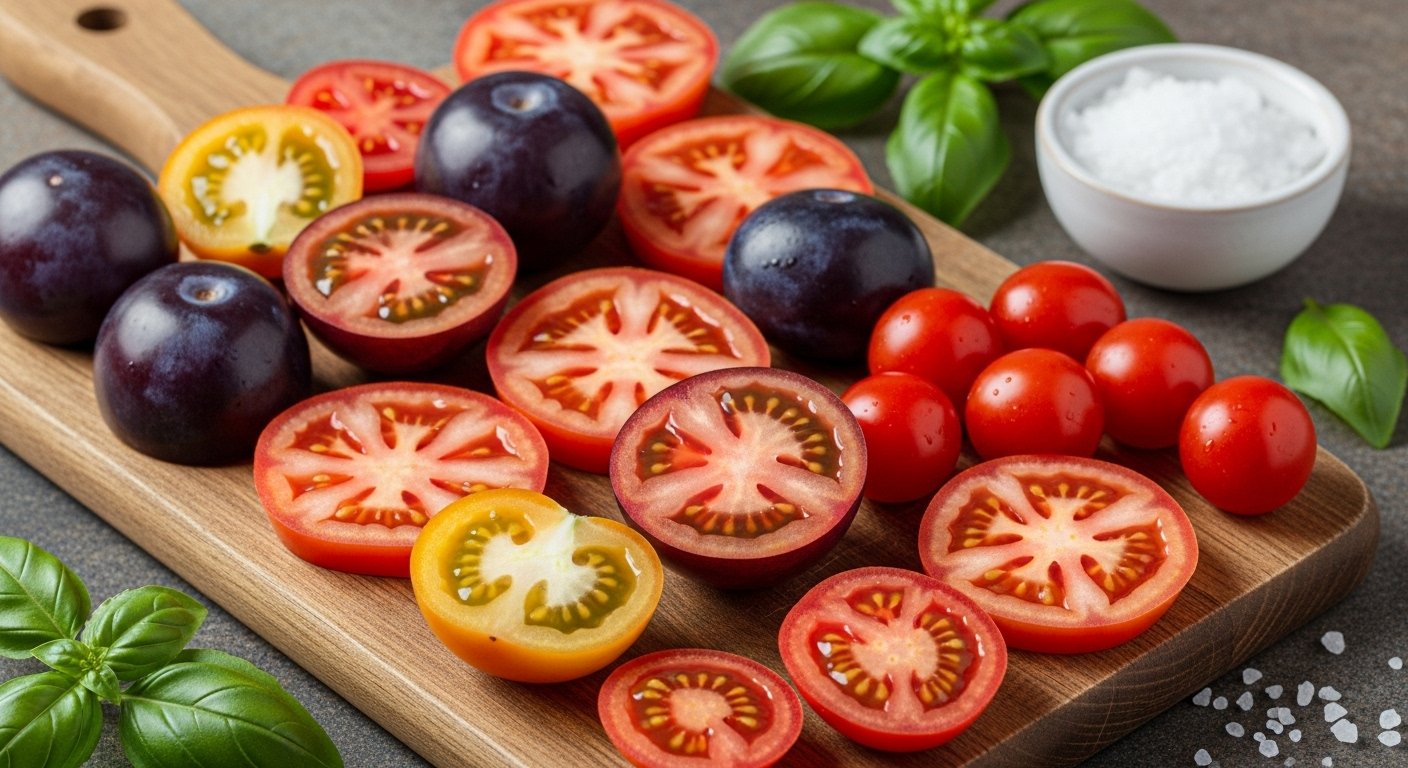
When it comes to drying tomatoes, certain varieties deliver better taste and texture thanks to their natural sweetness and firm flesh. Plum and Roma tomatoes are top choices—they have fewer seeds and less water than slicing types, making them perfect for drying since they shrink evenly without becoming too leathery or mushy. Their classic tangy flavor also intensifies in the drying process, creating rich, umami-packed snacks or recipe additions.
Cherry and grape tomatoes are another excellent option; their high sugar content translates into bite-sized bursts of sweetness once dried, much like nature’s own candy. However, their small size means they dry faster, so watch them closely in the oven or dehydrator to avoid scorching.
When picking tomatoes for drying, look for ones that are fully ripe but still firm to the touch, with smooth, unblemished skin—overripe or bruised tomatoes may taste bitter or develop mold during drying. Wash your tomatoes thoroughly, and for larger varieties like Roma or plum, slice them evenly (about 1/4-inch thick); this ensures consistent drying and saves time. For cherry and grape types, simply halve them to help remove excess moisture and speed up the process.
By choosing the right varieties and prepping them properly, you’ll get dried tomatoes packed with flavor and color that store well and taste great throughout the year.
How to Make Sun-Dried Tomatoes at Home
Making sun-dried tomatoes at home is easier than you might expect, and it lets you customize the flavors to your liking. Start by choosing ripe, firm plum or Roma tomatoes since they have less moisture and dry more quickly.
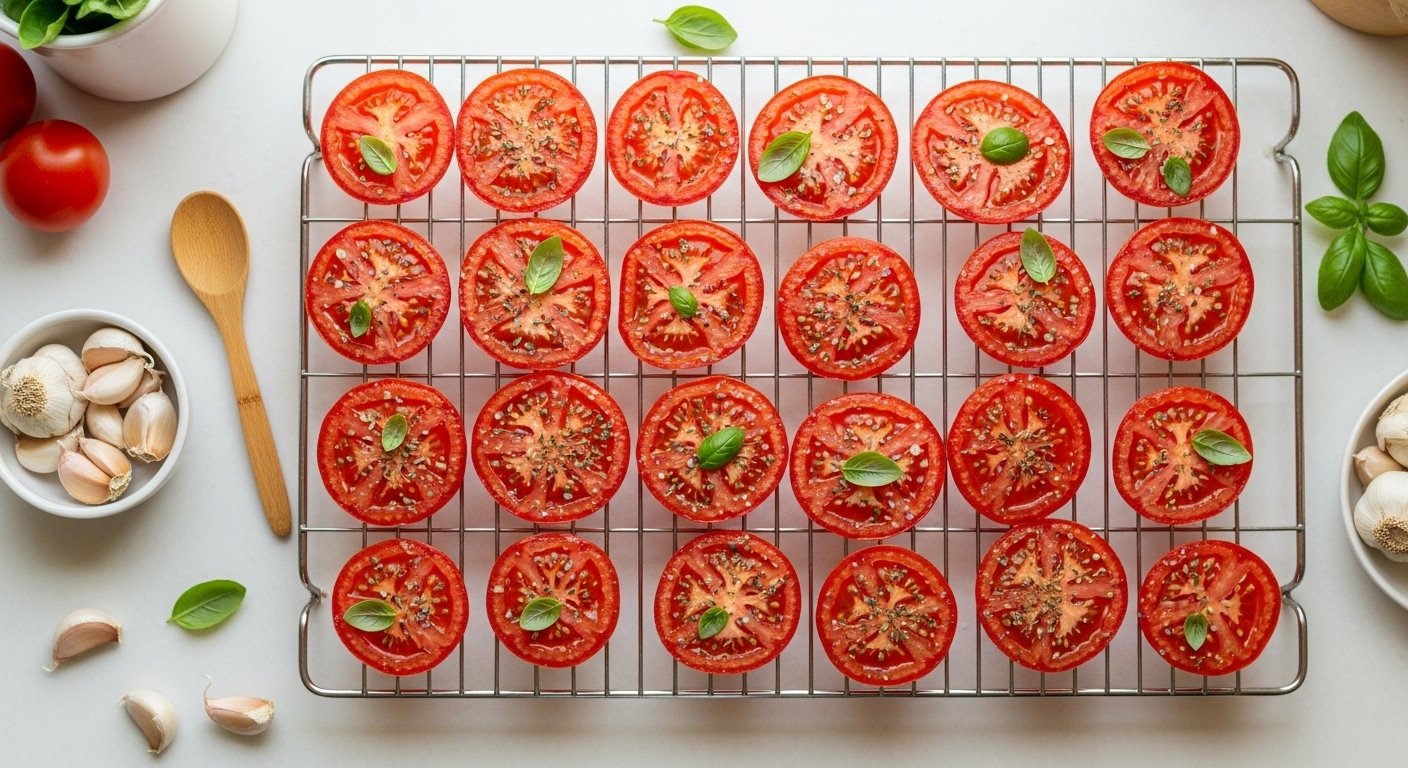
Wash them thoroughly, then slice each tomato in half lengthwise. If you prefer a less chewy result, remove the seeds.
Lay the slices cut side up on a baking tray or drying rack, making sure there’s space between each piece for air circulation. Sprinkle lightly with salt, and for an extra kick, add chopped fresh herbs like basil, oregano, or thyme, and even slivers of garlic for added flavor.
Drying Methods
For traditional sun drying, place your tray in a sunny, dry spot outside. Cover the tomatoes loosely with a fine mesh or cheesecloth to protect them from insects, and bring them inside at night. This method can take several days depending on the weather.
If you’re short on time or sun, use an oven set to its lowest temperature (usually around 200°F/90°C). Keep the door slightly ajar with a wooden spoon to let moisture escape, and check the tomatoes every hour. They’ll usually take 4-8 hours to dry completely.
A food dehydrator is another great option, providing controlled heat and air circulation to speed up the process. Simply arrange the seasoned slices on the tray and let them dry for 6-12 hours according to your machine’s instructions.
Tips for Even Drying and Storage
- Flip the tomatoes occasionally to help them dry evenly.
- Check for doneness by ensuring the tomatoes are leathery but still pliable, not brittle.
Once cooled, store your homemade sun-dried tomatoes in an airtight jar. Optionally, top them with olive oil and extra herbs for added flavor. Keep them in the fridge for maximum freshness—they’re perfect to brighten up your next salad, pasta, or snack board.
Storing and Preserving Sun-Dried Tomatoes
Proper storage is key to keeping sun-dried tomatoes flavorful and safe to eat.
If you have oil-packed sun-dried tomatoes, store them in a clean, airtight glass jar in the refrigerator. Make sure all tomatoes are fully submerged in oil to prevent mold growth—these usually last up to two weeks.
For dry-packed varieties (those without oil), keep them in a cool, dark place inside an airtight container such as a glass jar or a sturdy zip-top bag. Adding a food-safe desiccant packet helps control moisture, and they can stay fresh for up to six months.
If you want them to last even longer, freezing is an excellent option: spread the tomatoes on a baking sheet to freeze individually, then transfer them to a freezer-safe bag where they’ll keep for up to a year.
To avoid spoilage and foodborne illness, always check for off smells, mold, or sliminess before using. Use clean utensils every time you retrieve tomatoes from their container.
For best results, label each storage container with the packing date so you can rotate your stock and use the oldest ones first.
Whether your sun-dried tomatoes are homemade or store-bought, following these simple steps will help you enjoy their intense flavor and nutrients safely and confidently in your cooking.
Delicious Ways to Use Sun-Dried Tomatoes
Sun-dried tomatoes are a flavor-packed ingredient that can upgrade almost any dish with their tangy, concentrated sweetness. Toss a handful into fresh salads for a burst of umami—they work especially well with peppery arugula, crumbled feta, and toasted pine nuts for a Mediterranean twist.
For an easy weeknight pasta, sauté chopped sun-dried tomatoes with garlic and olive oil, then stir in cooked penne, spinach, and a sprinkle of parmesan. You can also blend sun-dried tomatoes into pesto—try swapping half the basil for these tomatoes, then slather the mixture on sandwiches or use it as a dip.
Speaking of sandwiches, layer thinly sliced sun-dried tomatoes on grilled cheese or turkey paninis to add depth and a pop of color.
Homemade sauces benefit from their rich, savory notes: whirl a few with roasted red peppers, olive oil, and fresh basil in a food processor to create a quick sauce for chicken or fish.
As a snack, sun-dried tomatoes pair well with fresh mozzarella or goat cheese, or can simply be eaten straight from the jar for an afternoon pick-me-up.
Don’t hesitate to stir them into scrambled eggs, sprinkle over homemade pizza, or even blend them into hummus for a unique twist. When using sun-dried tomatoes packed in oil, drizzle the leftover oil over roasted vegetables or use it as a salad dressing starter.
Their robust flavor makes them a brilliant finishing touch—just chop and sprinkle over grain bowls, soups, or even baked potatoes. Keeping a jar on hand guarantees you have an easy way to liven up everyday meals, turning simple dishes into something memorable with minimal effort.
Flavor Variations and Pro Tips
Customizing your sun-dried tomatoes is easy with the right herbs, spices, and oils. For a classic Mediterranean twist, toss tomatoes with extra virgin olive oil, minced garlic, and a sprinkle of dried oregano or basil before drying.
If you crave a more robust flavor, try adding cracked black pepper, a dash of chili flakes, or even smoked paprika for a bit of heat and depth.
For storage, once completely dried and cooled, immerse your tomatoes in oil with rosemary sprigs or thyme for a fragrant, preservable treat—this oil will also become a great addition to dressings or bread-dipping.
To get the best results and avoid toughness, slice tomatoes evenly and not too thick; cherry or plum tomatoes work especially well due to their low moisture.
If your dried tomatoes turn out too chewy, soak them in warm water or olive oil for 30–60 minutes before using—they’ll plump up and regain some tenderness.
On the other hand, brittle tomatoes can mean they were over-dried; you can rehydrate them as needed, but reduce drying time in the future and make sure your oven or dehydrator runs at a low temperature, ideally around 140°F (60°C).
Remember, a bit of sea salt sprinkled before drying can enhance flavors, and rotating trays or flipping tomatoes during the process helps ensure even texture.
With these easy tweaks, you can achieve sun-dried tomatoes that are perfectly tailored to your favorite flavors and desired consistency every time.
Conclusion & Resources
Making sun-dried tomatoes at home is easier than you might think, and the rewards are well worth it. Homemade sun-dried tomatoes offer an intense, concentrated flavor, along with the satisfaction of preserving summer’s best produce yourself. They’re perfect for tossing into pastas, layering on sandwiches, or mixing into salads and dips.
If you’re feeling inspired, try using your homemade sun-dried tomatoes in classic recipes like tomato pesto or Mediterranean focaccia. For even more ways to use fresh tomatoes, check out our guides on canning tomatoes or making homemade tomato sauce.
With just a little time and some basic kitchen tools, you can enjoy the taste and aroma of garden-fresh tomatoes year-round, add a gourmet touch to everyday meals, and reduce food waste—one batch at a time. Why not start your own sun-dried tomato tradition this season?