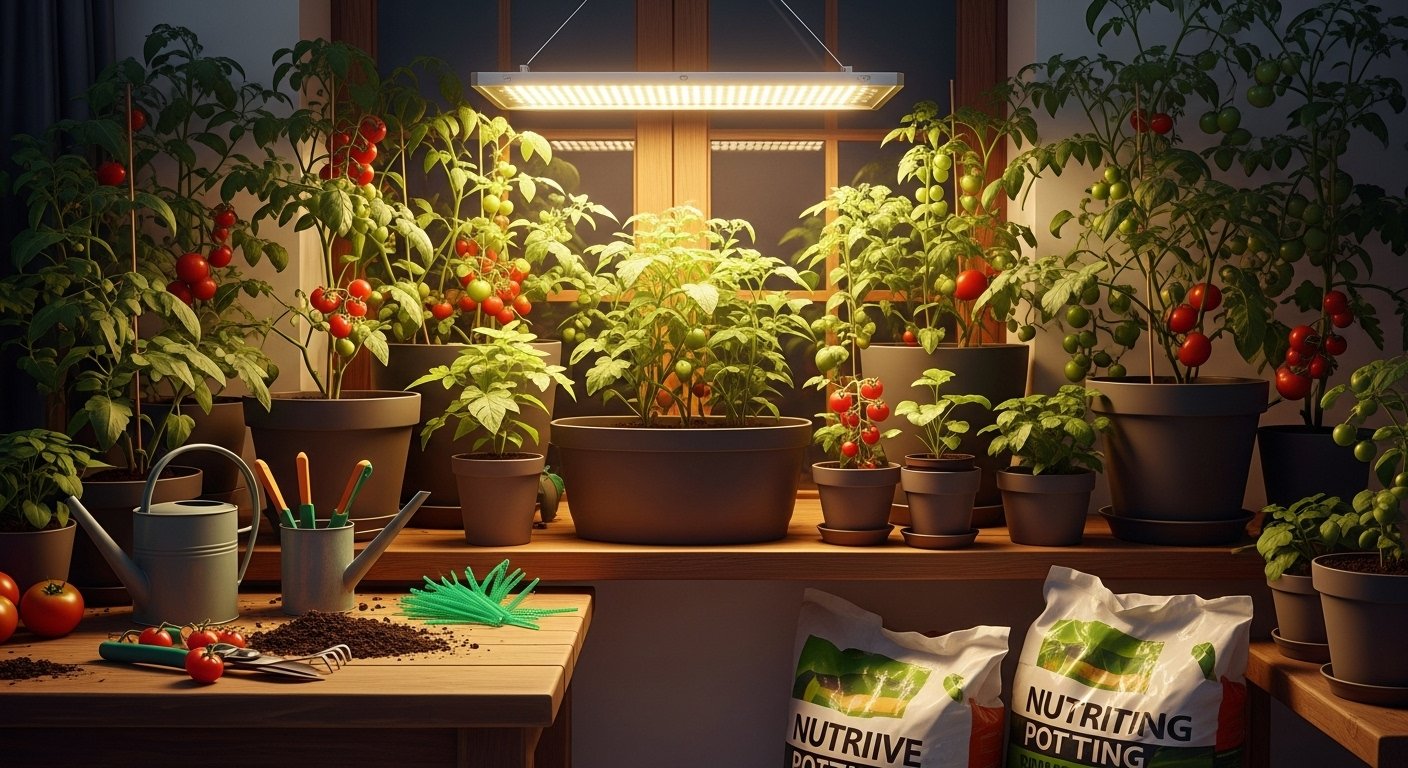
Why Grow Tomatoes Indoors?
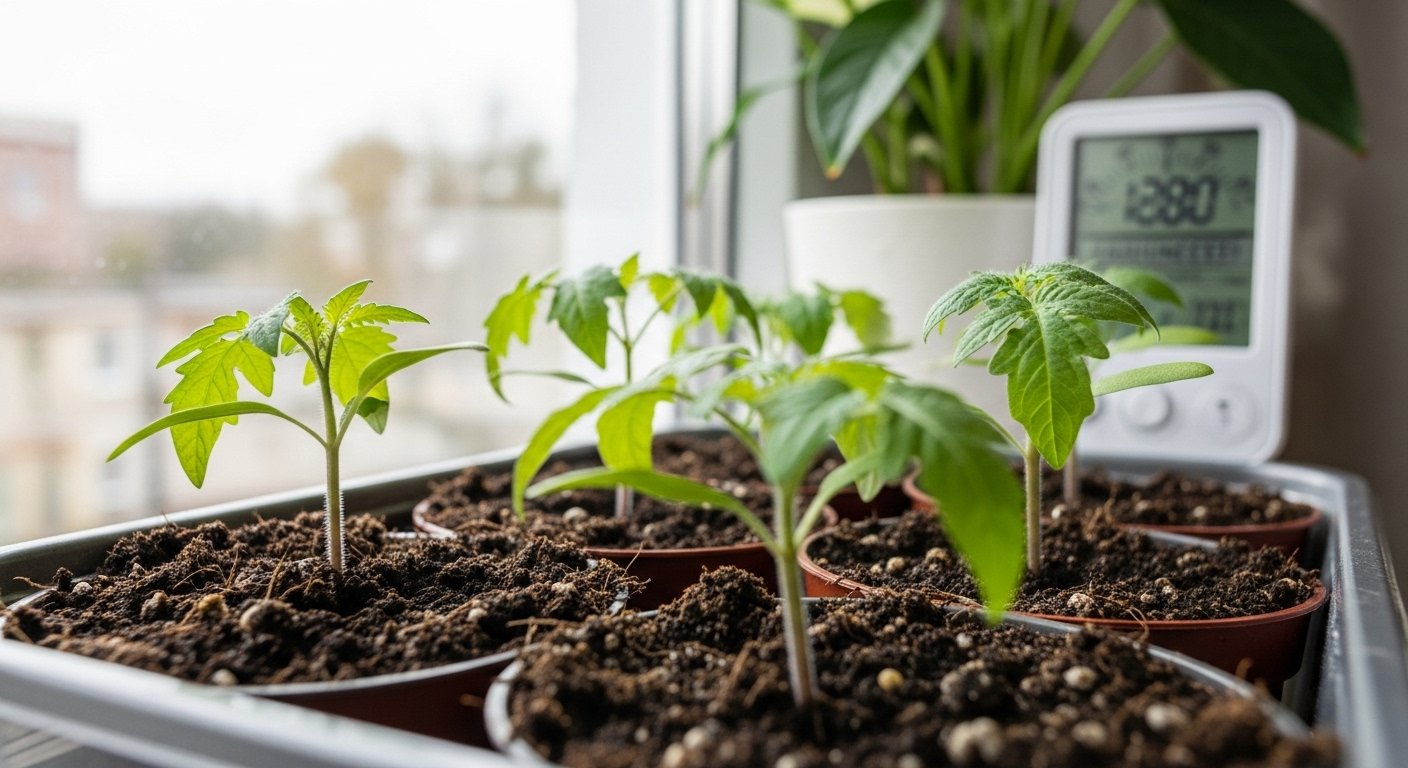
Curious about growing tomatoes indoors? You’re not alone—indoor tomato gardening has become a favorite among plant lovers, urban dwellers, and beginners who want fresh, homegrown produce without the hassle of a backyard garden. One main reason people choose to grow tomatoes inside is the ability to enjoy a harvest any time of year, regardless of the weather outside. With indoor setups, you can create the perfect environment for tomatoes, controlling everything from temperature to humidity, which means fewer worries about sudden frosts, heatwaves, or unpredictable weather ruining your crop.
Space-saving is another big advantage. If you live in an apartment or a home without outdoor space, you can still enjoy juicy, vine-ripened tomatoes from your kitchen windowsill or a corner of your living room. Many varieties thrive in pots and containers, making growing tomatoes indoors accessible—even in the smallest spaces. Plus, you’ll have an easier time dealing with common garden pests and diseases since your indoor environment naturally limits their presence. This can dramatically reduce the need for pesticides and time spent troubleshooting issues.
Another key benefit is better problem management. Both watering and feeding can be precisely monitored, and early signs of plant stress or nutrient deficiencies are easier to spot and address indoors. This makes indoor gardening highly appealing for first-time growers who want to avoid the unpredictability of outdoor plots. Urban gardeners especially love this method for its convenience and reliable results. Whether you’re looking to hone your green thumb or simply crave year-round fresh tomatoes, bringing your garden indoors offers freedom, control, and consistent deliciousness—no backyard required.
“`html
Choosing the Right Tomato Varieties
When it comes to growing tomatoes indoors, understanding the difference between determinate and indeterminate varieties is key. Determinate tomatoes, often called “bush” types, grow to a fixed size and produce fruit all at once, making them perfect for limited spaces or container gardens. Indeterminate varieties keep growing and producing fruit throughout the season but often become too tall and unwieldy for most indoor setups.
For most indoor gardeners, determinate or dwarf varieties are a safer bet, providing compact growth and manageable yields. Among popular indoor options, cherry tomatoes such as ‘Tiny Tim’ and ‘Micro Tom’ stand out—these micro-dwarf types can thrive in small pots on sunny windowsills and start bearing tasty, bite-sized fruit within a couple of months. ‘Balcony’ and ‘Red Robin’ are also great choices, offering both compact size and resilience against common tomato diseases.
If you have a little more vertical space or are using a hydroponic system, bush varieties like ‘Bush Early Girl’ or ‘Patio Princess’ can deliver larger harvests without taking over.
Factors to Consider When Choosing Varieties
- Mature plant height: Stick to varieties under 18 inches for shelves or small grow tents.
- Disease resistance: Look for labels with initials like VFN—resistance to Verticillium, Fusarium, and Nematodes.
- Fruit size: Choose based on your space and preference for bite-sized or larger tomatoes.
For hydroponic systems that allow for more vigorous growth, indeterminate but compact hybrids like ‘Sakura’ or ‘Sweet ‘n’ Neat’ can deliver a steady stream of fruit.
Remember, a little research on seed packets will go a long way—choosing the right tomato based on your specific grow setup can mean the difference between a thriving harvest and indoor plant frustration.
“`
Essential Indoor Growing Conditions
Setting up optimal indoor growing conditions means carefully managing a few key factors to keep your plants thriving.
Light is crucial—if you don’t have consistent sunlight, invest in high-quality artificial grow lights like LEDs or full-spectrum fluorescents, and position them close enough to your plants for about 12–16 hours daily.
Keep the room temperature between 65–80°F; many houseplants, veggies, and herbs struggle outside this range.
Humidity is another big factor: most indoor plants prefer 40–60% humidity, so use a small humidifier in dry spaces or a dehumidifier if things feel muggy.
Good air circulation keeps molds and pests in check, so set up an oscillating fan nearby but not pointed directly at delicate plants.
Selecting the right containers also matters—a pot that’s too small will stunt root growth, while one that’s huge can make it too easy to overwater. As a rule of thumb, choose a container 2–4 inches bigger than your plant’s current root ball. Opt for pots with drainage holes and use high-quality potting soil—a mix with peat, perlite, and compost offers a good balance of moisture retention and aeration.
For hydroponic setups, you’ll need a growing medium like clay pebbles or rockwool cubes. It’s vital to maintain proper nutrient levels and change the reservoir water every 1–2 weeks.
Whether you’re growing in soil or hydroponics, keep checking for signs of distress like wilting, yellow leaves, or root rot, and adjust conditions as needed.
By keeping these essentials in check, you can create a thriving indoor garden no matter your experience level or available space.
Step-by-Step Planting and Care Guide
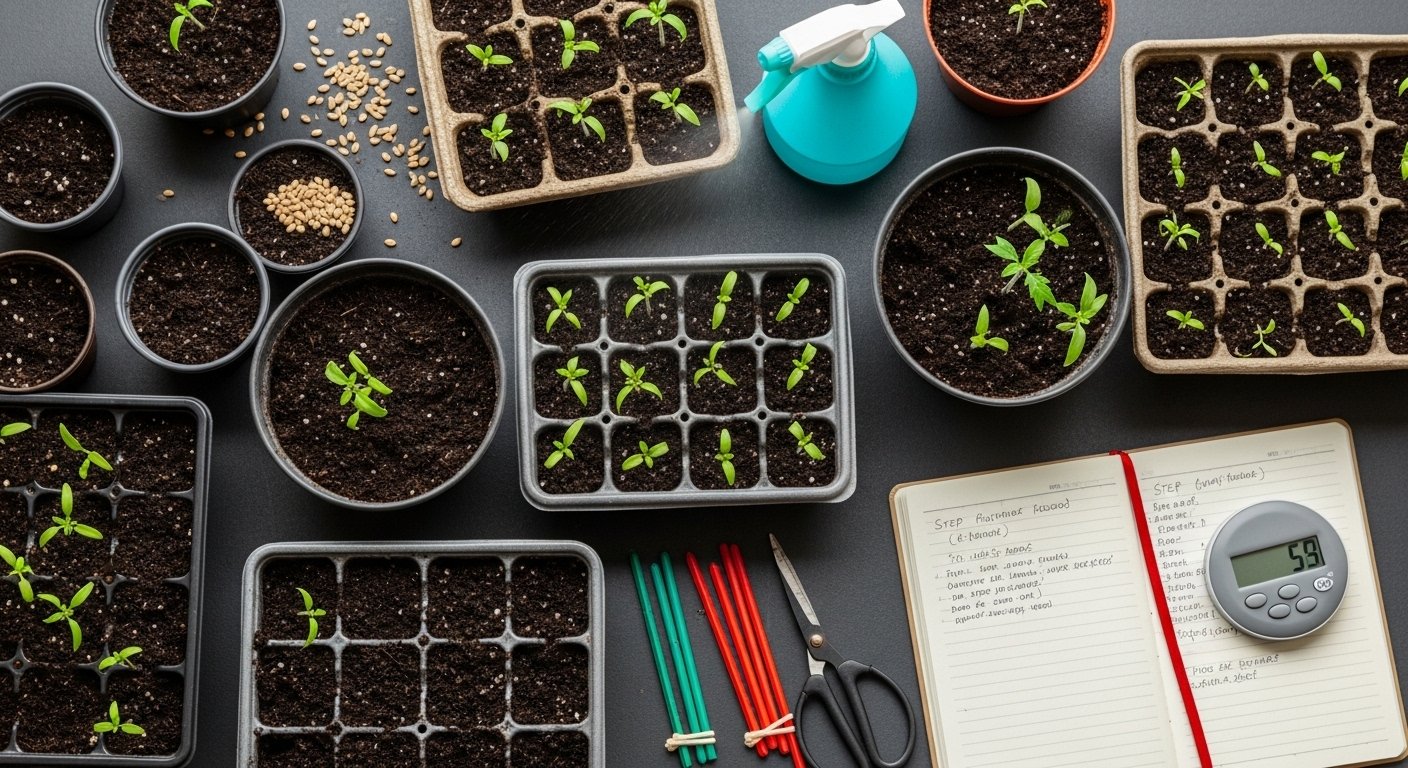
Starting your indoor garden begins with selecting quality seeds and preparing a suitable container—use seed trays or small pots filled with a sterile, well-draining seed-starting mix. Gently press the seeds into the soil at the recommended depth, mist them lightly with water, and cover trays with plastic wrap or a humidity dome to maintain moisture and warmth until germination. Place your setup near a bright, south-facing window or use grow lights for around 14–16 hours each day to ensure strong seedlings.
Once your seedlings have developed their second set of true leaves, it’s time to transplant them into larger pots, ideally 4–6 inches wide. Loosen the soil around each seedling, gently lift them out by their leaves (to avoid damaging delicate stems), and plant them into their new containers at the same depth as before.
Watering and Feeding
For indoor watering schedules, consistency is key but avoid overwatering—check the top inch of soil before watering and water thoroughly until some drains out the bottom. Most indoor plants do well with watering every 3–5 days, but this can vary depending on your plant type, container size, and indoor climate.
Feed your seedlings with a diluted balanced liquid fertilizer, such as a 10-10-10 or 20-20-20 formula, every two weeks after transplanting. As plants mature and fruiting begins, you may switch to a fertilizer higher in potassium and phosphorus and slightly lower in nitrogen to support robust flowering and fruit development.
Supporting and Pruning
Supporting your indoor plants ensures healthy growth and better yields—install small stakes, trellises, or soft ties when plants reach about 6–8 inches tall. For vining species like tomatoes or peas, train stems gently around the support as they grow, securing with plant ties to keep them upright.
Pruning is equally important: regularly pinch off dead or yellowing leaves, and for bushier growth, pinch back the growing tips just above leaf nodes on young plants. For fruiting plants, remove lower leaves and any small side shoots that sap energy from the main stem, focusing resources on big, healthy fruits.
Routine Maintenance
Routine maintenance goes a long way in boosting plant health and yield. Monitor your plants daily for signs of pests, disease, or nutrient deficiencies, and remove any debris or fallen leaves from the pot to prevent fungus or mold problems. Rotate containers every week to ensure even exposure to light and consistent plant growth.
Increase air circulation with a small fan to help strengthen stems and reduce the risk of fungal diseases indoors. Finally, keep a simple journal to track what works best—note changes in watering, feeding schedules, or pruning techniques, and celebrate every small harvest as you refine your indoor gardening skills.
Preventing and Solving Common Indoor Tomato Problems
Growing tomatoes indoors can be incredibly rewarding, but it does come with its share of challenges. Common issues include pests such as aphids or spider mites, which thrive in indoor environments.
To prevent infestations, regularly inspect leaves and stems. Consider gently rinsing plants with water or using insecticidal soap at the first sign of trouble.
Fungal diseases like powdery mildew are another concern, often caused by poor air circulation and excess moisture. To counter this, use a small fan to keep air moving and water only at the base, avoiding the leaves.
Indoor tomatoes sometimes struggle with pollination since they lack wind or bees. Gently tap flower stems or use a small paintbrush to transfer pollen by hand every few days for better fruit set.
Leggy growth is a frequent complaint, typically resulting from insufficient light. Place your containers near a sunny window with at least 8 hours of direct light, or supplement with LED grow lights positioned just above the plants.
Fertilize only as recommended, as overfeeding can contribute to weak, spindly plants.
If problems persist, reputable resources like the University of California Integrated Pest Management website or local cooperative extension centers offer region-specific guidance and troubleshooting.
By spotting issues early and applying these strategies, you can keep your indoor tomatoes thriving and productive.
Harvesting and Enjoying Your Indoor Tomatoes
Knowing when your indoor tomatoes are perfectly ripe is key to enjoying their best flavor. Look for a rich, even color—whether red, yellow, or another variety-specific hue—plus a gentle give when you squeeze the fruit lightly. The skin should appear glossy and smooth.
To harvest, resist pulling; instead, use clean garden scissors or snip just above the fruit’s calyx (the green top) to prevent damage to both the plant and surrounding fruits. For cherry or grape types, you can often gently twist and pop them off the vine.
To keep your plants productive, pick tomatoes as soon as they’re ripe so the plant’s energy goes into growing new blossoms. Regularly pinch off any yellowing leaves, and continue to feed your plant with a liquid tomato fertilizer every few weeks for steady blooms.
Indoors, hand-pollinating by gently brushing flowers with a paintbrush or tapping stems can boost fruit set, since natural pollinators are scarce inside.
Once harvested, the fun really begins—fresh home-grown tomatoes pack far more flavor than store-bought. Try slicing them for salads, layering in sandwiches, or roasting with olive oil and herbs for an easy topping. If you have an abundance, whip up a quick tomato bruschetta, blend them into a zesty salsa, or slow-roast extra ripe ones to use in pasta sauces.
Even a single plant can add a burst of freshness to your meals, making all your indoor gardening efforts well worth it.