Introduction to Tomato Varieties
Finding the best beginner tomatoes can make all the difference when starting your tomato-growing journey. With thousands of tomato varieties available, choosing the right one might feel overwhelming at first—but it’s one of the most important steps toward a successful harvest.
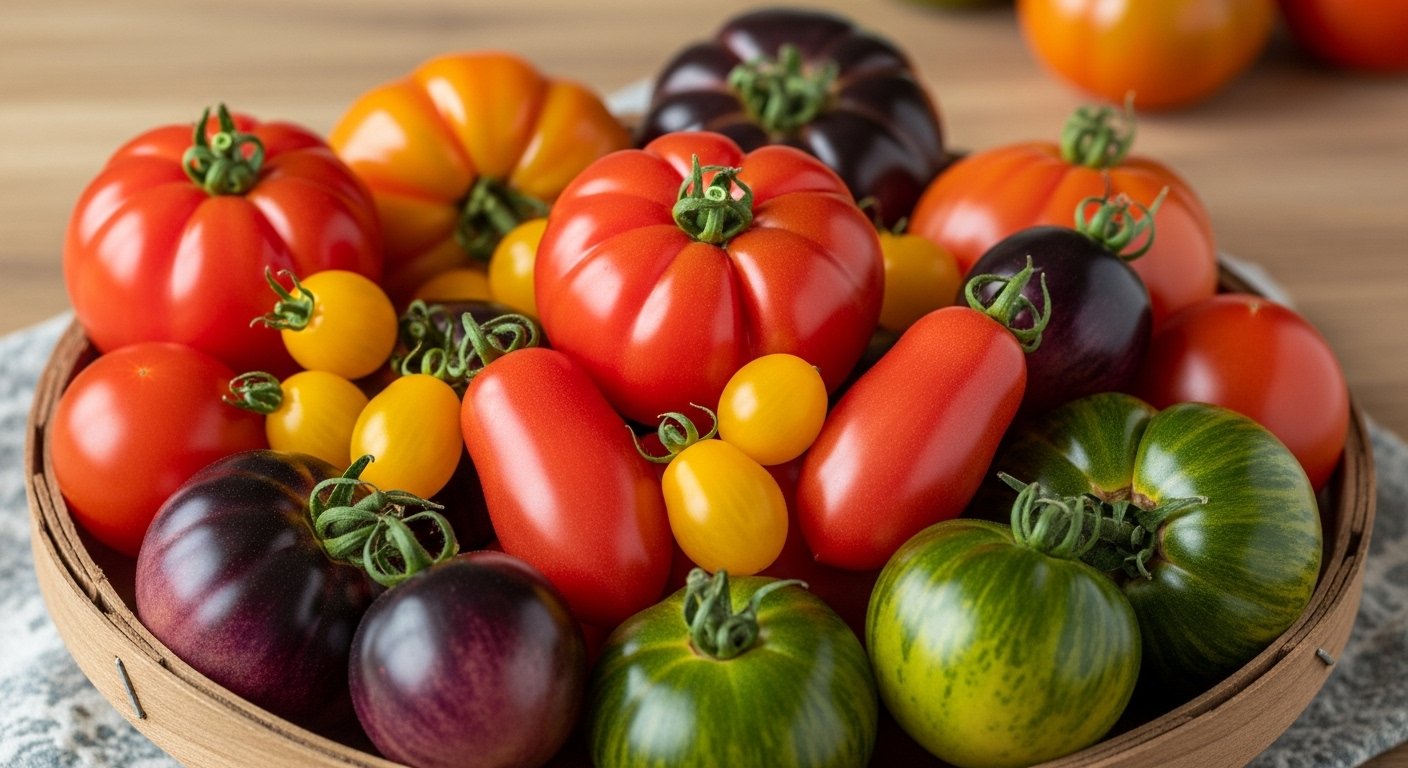
Tomatoes come in a dazzling array of shapes, sizes, colors, and flavors. Some are sweet and juicy, perfect for salads or eating straight off the vine, while others have a hearty, tangy taste that makes them ideal for sauces and cooking. You’ll also notice differences in appearance: classic round reds, petite cherry tomatoes, golden yellows, and even striking purple or striped types.
Beyond taste and looks, certain varieties are better suited for new gardeners because they’re more disease-resistant, forgiving, and easy to grow in small spaces or containers. In this post, we’ll walk you through the three main categories of tomatoes—slicing, cherry, and paste—highlighting their flavors, common uses, and which specific options are among the best beginner tomatoes for your garden.
Whether you dream of juicy BLT sandwiches, garden-fresh salsas, or a colorful harvest basket, choosing the right variety tailored to your skill level puts you on the path to delicious success.
Popular Categories of Tomatoes
Tomatoes come in a vibrant array of categories, each offering something unique to home cooks and gardeners alike.
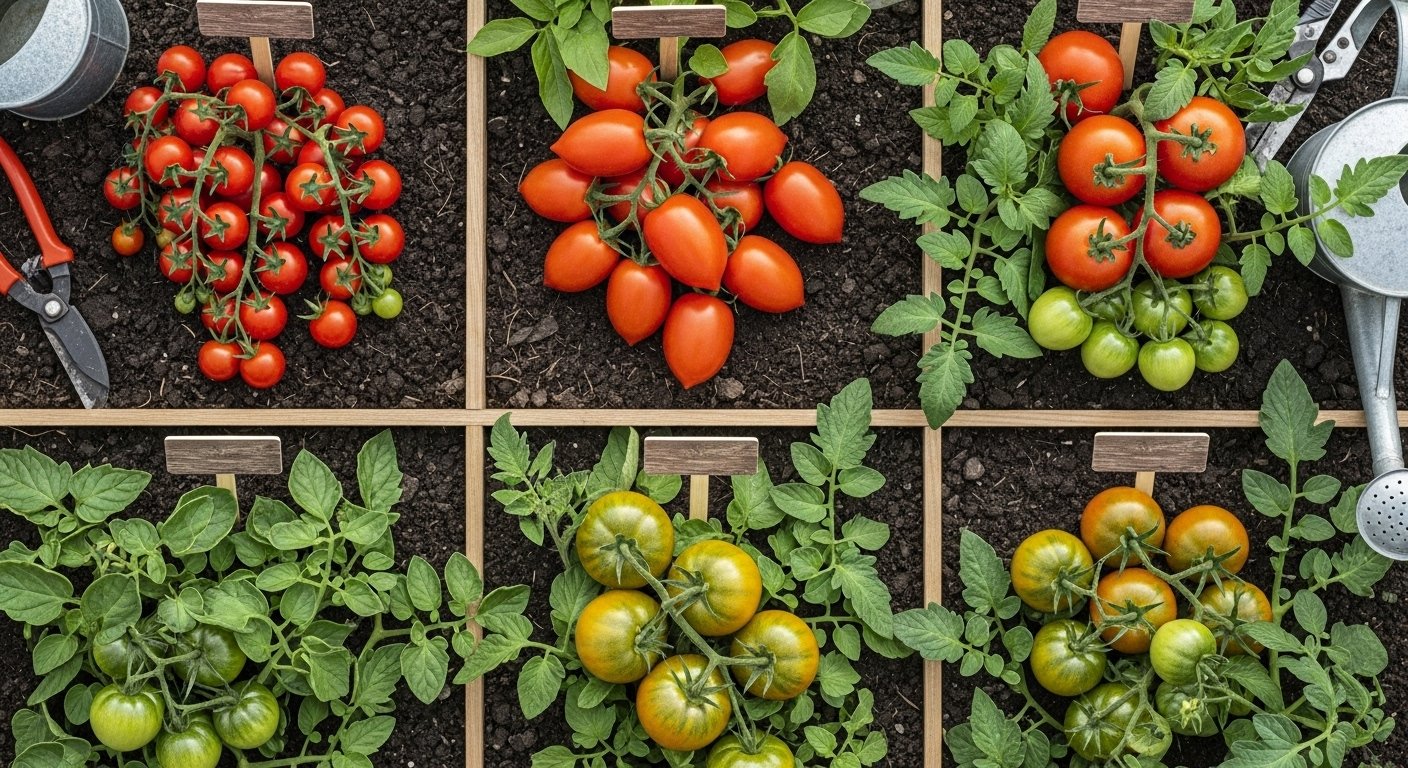
Cherry tomatoes are tiny, round, and famously sweet, making them favorites for tossing into salads or snacking straight off the vine. Grape tomatoes are similar in size but more oblong, with a firm texture and balanced flavor that stands up well in pasta dishes or lunchboxes.
Plum tomatoes, often called Roma tomatoes, are larger and more oval-shaped, with thick flesh and fewer seeds—perfect for sauces, salsas, and canning due to their rich, concentrated taste. Beefsteak tomatoes are the giants of the tomato world; their hefty size and juicy texture make them ideal for slicing onto sandwiches or burgers, thanks to their mild and slightly tangy flavor.
Heirloom tomatoes, celebrated for their quirky shapes and vivid colors, bring exceptional depth and variety of flavor, often ranging from sweet and fruity to bold and tangy. They’re best enjoyed fresh to highlight their distinctiveness, perhaps in a simple caprese salad.
Beyond these popular types, tomatoes also dazzle with colored and striped varieties—think golden yellows, purples, or candy-striped reds. These not only brighten up salads and platters but also offer unique flavor notes, from subtle citrus hints to rich, earthy undertones.
Mixing different types and colors in your dishes provides both visual flair and a delightful complexity of tastes, making tomatoes a staple that’s as versatile as it is beautiful.
Best Tomatoes for Fresh Eating
When it comes to savoring tomatoes straight from the garden or market, a few standout varieties have earned a cult following among fresh-eating enthusiasts. Sungold tomatoes, for example, are bite-sized orange gems bursting with sugary, tropical sweetness and thin skins that make them irresistible for snacking.
Brandywine, a classic heirloom variety, boasts large, beefsteak-style fruits with pinkish-red flesh; its rich, almost creamy flavor and meaty texture make every slice a salad centerpiece.
Cherokee Purple tomatoes offer something unique with their dusky, purplish hue and complex taste—think smoky, sweet, and a little tangy, paired with a juicy-yet-firm texture.
When selecting tomatoes for eating raw, look for fruits that feel heavy for their size and yield slightly to gentle pressure—signs of peak ripeness. Avoid tomatoes with cracks, green shoulders, or wrinkled skin, which can signal a lack of flavor or freshness.
For the best salad and snacking experience, mix different varieties to enjoy a spectrum of colors, textures, and tastes. Try halving Sungolds for a burst of sweetness, layering slices of Brandywine with fresh basil, or adding wedges of Cherokee Purple to a cheese platter. Whatever your choice, freshly picked and fully ripe tomatoes make even the simplest snack taste like summer.
Top Tomatoes for Cooking and Sauces
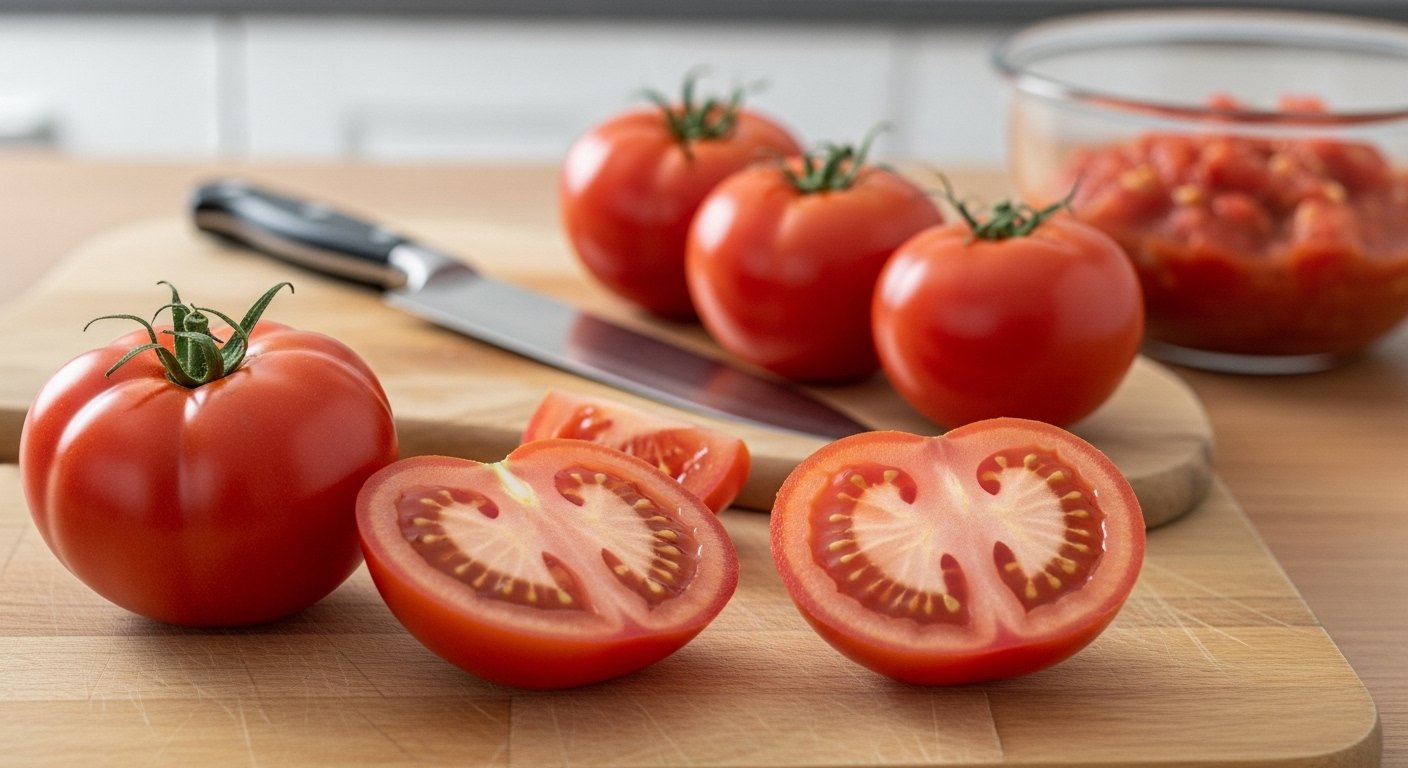
When it comes to making rich tomato sauces, pastes, or roasted tomato dishes, plum tomatoes like Roma and San Marzano are the culinary MVPs you’ll want to reach for. Their meaty texture, few seeds, and notably low water content mean these varieties break down into thick, flavor-packed sauces without becoming watery or bland.
Unlike larger, juicier slicing tomatoes, plum tomatoes concentrate flavor as they cook, resulting in that classic, robust taste reminiscent of homemade Italian pasta sauce. San Marzano tomatoes, prized by chefs and home cooks alike, originate from Italy’s volcanic soil near Naples and are sweet, slightly tangy, and beautifully balanced—making them a top pick for traditional marinara or Neapolitan-style pizza sauce.
Romas, which you’ll often find in local grocery stores or farmers’ markets, are affordable, easy to slice, and excellent for canning or slow-roasting, where their firm flesh holds up under heat. If you’re growing your own or looking to branch out, heirloom varieties like Amish Paste, Opalka, or Viva Italia are well-loved by gardeners and cooks for their rich taste and ease of peeling.
For best results in your next sauce or roasted tomato dish, skip the salad tomatoes and reach for these workhorse plum varieties—they’ll reward you with richer flavor and the perfect consistency every time.
Unique and Specialty Tomato Varieties
If you’re ready to go beyond the basic red tomato, exploring unique and specialty varieties can add excitement to both your garden and your plate. Take the Green Zebra, for instance—its eye-catching green-and-yellow stripes and tangy, refreshing flavor make it a conversation starter in salads or as a sliced snack.
The Black Krim, another standout, hails from Russia and boasts a deep, purplish-black color with a rich, smoky sweetness, perfect for sandwiches or roasting.
If vibrant looks are what you’re after, the Sunrise Bumblebee cherry tomato delivers in spades; these small fruits have yellow and red marbling that look stunning in salads or as a colorful garnish.
What makes these varieties especially appealing is that they’re not just beautiful—they also offer diverse flavors you won’t find in standard supermarket tomatoes. Many of these types are open-pollinated or heirloom, meaning they’ve been passed down through generations, prized for their flavor and adaptability rather than commercial uniformity.
For gardeners, growing specialty tomatoes is a chance to experiment with striking colors and tastes, and even to save seeds for next year’s planting. Try growing a few of these in containers or raised beds, and you’ll quickly see why homegrown tomatoes have a cult following—plus, you’ll always have something interesting to share at your next potluck or farmers’ market booth.
Tips for Selecting Tomato Seeds or Seedlings
When choosing tomato seeds or seedlings, start by considering your local climate and the space you have available. If you live in a cooler region with a short growing season, look for early-maturing varieties like Early Girl or Siberian, which will produce fruit before the first frost. Gardeners in warmer climates can experiment with heat-tolerant types, such as Heatmaster or Solar Fire.
Next, think about your garden layout; compact spaces, patios, or containers are better suited for determinate (bush) tomatoes like Roma or Celebrity, which grow to a fixed size and fruit over a few weeks. Indeterminate (vining) varieties, such as Cherry or Brandywine, keep growing and producing throughout the season and need sturdy support, making them ideal for larger plots and gardeners looking for continuous harvests.
Also, match your tomato choice to your kitchen needs—paste varieties like San Marzano for sauces, slicers like Beefsteak for sandwiches, and cherry tomatoes for snacking or salads.
For the healthiest plants, buy seeds or seedlings from reputable sources such as local garden centers, cooperative extensions, or trusted online retailers like Johnny’s Selected Seeds or Burpee. If possible, choose disease-resistant varieties suited to your region, as this will save effort and disappointment later in the season.
Don’t be afraid to ask local gardeners or store staff what works best in your area—they’re often the best source of practical advice.
Conclusion & Further Resources
Choosing the right tomato varieties can make all the difference in your garden, whether you want juicy slicers for sandwiches, sweet cherries for snacking, or meaty types for sauces. Consider your space, sunlight, and how you like to use tomatoes in the kitchen—bush varieties are perfect for small patios, while vigorous vines (indeterminates) are better suited for larger gardens.
Don’t hesitate to step outside your usual selection; trying heirloom or rare types can lead to new discoveries in flavor and color. Each season brings opportunities to experiment and learn, so mix familiar favorites with something new every year.
For more detailed guidance, the National Gardening Association’s tomato guide and Tomato Dirt’s growing tips offer step-by-step advice on planting, care, and troubleshooting common issues. With so many resources and varieties out there, you’re sure to find tomatoes that flourish in your garden and delight your taste buds.